






Plot Explained Spoilers guaranteed!
Plot Explained

Browse by genre

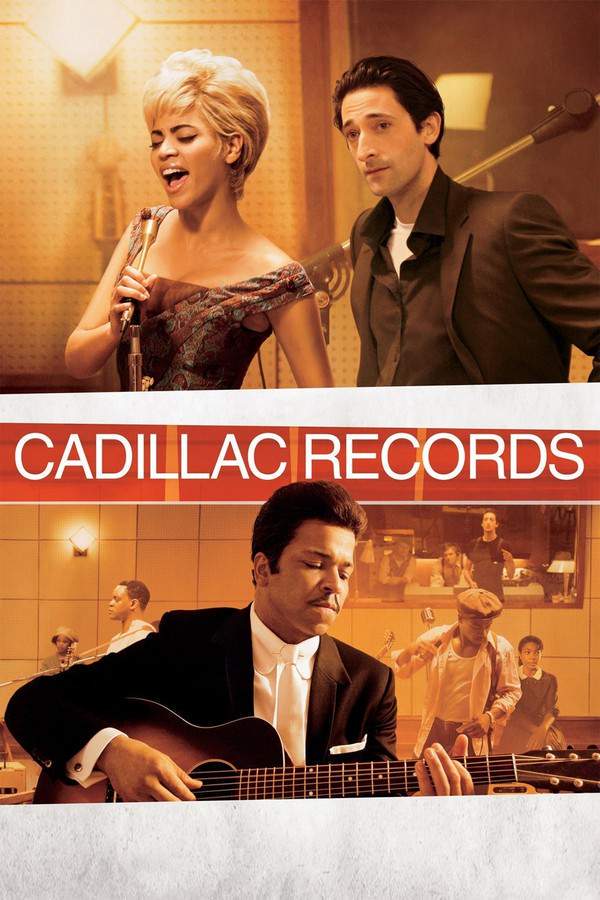
Cadillac Records (2008) movie poster

Timeline

Cadillac Records (2008) Timeline Explained – Every Event in Order

Release, runtime and language
2008 · 109 min · English
Directed by
Darnell Martin
Starring
Columbus Short, Jeffrey Wright, Adrien Brody, Mos Def, Beyoncé Knowles
Budget
$12M

In 1947 Chicago, Leonard Chess, a Polish immigrant who owns a local bar, discovers the burgeoning talent of blues musicians Muddy Waters and Little Walter. Recognizing their potential, Chess establishes Chess Records and becomes a pivotal figure in the careers of legendary artists like Etta James, Howlin' Wolf, and Chuck Berry. The film explores the rise of these stars and the complex interplay of ambition, music, and personal relationships within the vibrant and sometimes volatile world of early blues.

On this page (6)
  1. 1 Where to watch
  2. 2 Events in order (12)
  3. 3 Timeline questions answered
  4. 4 Movie threads
  5. 5 Movies like Cadillac Records
  6. 6 Every angle

Where to watch

Where to Watch Cadillac Records (2008)

Where can you watch Cadillac Records? Stream, rent or buy it in the US, including on Amazon Video, Apple TV Store and Fandango At Home: current JustWatch availability with up-to-date prices.

Streaming availability powered by JustWatch

12 events in order · contains spoilers

Cadillac Records Timeline: Events in Chronological Order

Every key event of Cadillac Records (2008) in order, scene by scene, with when and where it takes place. Use it to untangle flashbacks, time jumps and parallel storylines, to refresh your memory before the sequel or to find the exact scene you are thinking of.

  1. The Birth of Chess Records

    In 1947, the story of Chess Records begins in Chicago with the founding of a modest recording studio. This studio would soon become a pivotal point in the evolution of modern music, producing a unique sound that later transformed into rock and roll.

    When
    1947
    Where
    Chicago
  2. Muddy Waters' Breakthrough

    One of the first artists to record at Chess Records was Muddy Waters, whose captivating sound began attracting significant attention. His music laid the groundwork for the Chicago blues, contributing to the identity of the studio and setting the tone for future recordings.

    Where
    Chicago
  3. Little Walter Joins the Ranks

    Shortly after Muddy Waters, Little Walter joined the Chess Records family, bringing his harmonica skills to the forefront. His innovative style helped redefine blues music and brought further acclaim to the label.

    Where
    Chicago
  4. Rise of Rock and Roll

    By 1955, Chess Records witnessed the rise of rock and roll, largely credited to the genius of Chuck Berry. His unique blend of rhythm, blues, and lyrical storytelling captured a new audience and firmly placed the studio at the forefront of musical evolution.

    When
    1955
    Where
    Chicago
  5. Leonard Chess' Vision

    Leonard Chess, the visionary behind Chess Records, played a crucial role in shaping the direction of the studio. With a sharp ear for talent, he began signing emerging artists who would redefine music genres, treating them with respect and dedication.

    Where
    Chicago
  6. Signing Willie Dixon

    Leonard signed renowned songwriter Willie Dixon, whose contributions would become foundational to the success of Chess Records. Dixon's songwriting prowess not only enriched the catalog of the label but also influenced countless musicians that followed.

    Where
    Chicago
  7. Howlin' Wolf's Influence

    Another significant artist at Chess Records was Howlin' Wolf, known for his powerful voice and emotive performances. His recordings added depth to the label’s offerings, showcasing the gritty realism of blues music.

    Where
    Chicago
  8. Etta James is Discovered

    During a turbulent time, Leonard Chess discovered another remarkable talent, Etta James. As she stepped into the spotlight, her soulful voice and emotional delivery brought a fresh sound to Chess Records, further diversifying its music catalogue.

    Where
    Chicago
  9. Chuck Berry's Legal Troubles

    Chuck Berry faced significant legal troubles that threatened his career and the stability of Chess Records. Leonard Chess worked hard to navigate these challenges, seeking to protect his artists while ensuring the studio's legacy continued.

    Where
    Chicago
  10. Decline in Popularity

    As music tastes began to shift in the late sixties, the once-dominant sound of Chess Records began to wane. The changing musical landscape posed challenges for the artists and the studio, forcing Leonard Chess to reconsider his path.

    When
    late sixties
    Where
    Chicago
  11. Leonard Chess Exits the Scene

    Ultimately, Leonard Chess decided to exit the record industry as the popularity of Chess Records' unique sound diminished. This decision marked the end of an era for the studio and showcased the cyclical nature of the music industry.

    Where
    Chicago
  12. Enduring Legacy

    Despite facing numerous trials, Chess Records left a lasting legacy that transformed the music landscape, influencing generations of artists. The innovative sounds that emerged from this studio helped shape rock and roll, blues, and beyond.

    Where
    Chicago

Last updated: November 03, 2024 at 15:23

Was this helpful?

Timeline questions answered

Cadillac Records Timeline Explained: Your Questions Answered

When does it happen, and why in that order? The questions people ask about the chronology of Cadillac Records (2008): time jumps, flashbacks, cause and effect between scenes and the correct order of events, each answered with spoilers.

Q1

Why did Leonard Chess start a record label?

Leonard Chess, a Polish immigrant who owned a local bar in Chicago, discovered the burgeoning talent of blues musicians Muddy Waters and Little Walter in 1947. Recognizing their potential and seeing an opportunity in the growing Chicago blues scene, he established Chess Records to capture and promote this new sound. His vision was to build a recording studio that could bring the raw, emotional power of blues music to a wider audience.

  • leonard chess
  • chess records
  • founder
  • chicago blues
  • muddy waters
Q2

How did Leonard Chess discover Muddy Waters and Little Walter?

Leonard Chess first heard Muddy Waters perform at a local Chicago club and was immediately captivated by his sound. He subsequently brought Muddy Waters into Chess Records to record, and the artist brought along his talented harmonica player Little Walter. The two became foundational to the label's signature Chicago blues sound.

  • muddy waters
  • little walter
  • discover
  • chess records
  • chicago
Q4

Why was Etta James significant to Chess Records?

Etta James was discovered by Leonard Chess during a particularly turbulent time at the label, specifically when Chuck Berry was facing legal troubles. Her soulful voice and emotional delivery brought a fresh sound to Chess Records, diversifying the label's catalog and adding a new dimension to their roster. She became one of the label's most celebrated artists.

  • etta james
  • chess records
  • soul
  • discovery
Q5

What caused Chess Records to decline in the late 1960s?

As music tastes evolved in the late sixties, the once-dominant blues sound of Chess Records began to wane. The changing musical landscape, with the rise of new genres and shifting audience preferences, posed significant challenges for the label. The studio's unique sound became less marketable, leading to diminishing returns and ultimately forcing Leonard Chess to reconsider his position in the industry.

  • decline
  • late 1960s
  • chess records
  • blues
  • music industry
Q6

Why did Leonard Chess decide to leave the music business?

Leonard Chess ultimately exited the record industry because the popularity of Chess Records' distinctive sound had diminished significantly by the late sixties. As blues fell out of favor with mainstream audiences and the music industry shifted toward new genres, Leonard made the difficult decision to sell the label. This marked the end of an era for the pioneering studio that had shaped American music.

  • leonard chess
  • exit
  • sell
  • chess records
  • retirement
Q7

How did drugs and alcohol affect the artists at Chess Records?

The film portrays how Leonard Chess treated all his artists like family, but many struggled with extravagant lifestyles that included spending significant funds on drugs and alcohol. These struggles contributed to personal volatility and health issues among the artists, representing one of the darker aspects of the music industry during this era. The documentary-style narrative doesn't shy away from showing how substance abuse impacted both the artists' lives and their careers.

  • drugs
  • alcohol
  • addiction
  • artists
  • chess records
Q8

Why did Leonard Chess treat his artists like family?

Leonard Chess developed close, familial relationships with his artists because he genuinely believed in their talent and wanted to nurture their growth. Despite the challenges that came with managing artists dealing with addiction and personal issues, Chess remained dedicated to supporting them. This approach helped attract and retain top talent, though it also meant dealing with the complications that arose from their lifestyles.

  • leonard chess
  • artists
  • relationship
  • family
  • support
Q9

How did Chess Records contribute to the birth of rock and roll?

By 1955, Chess Records played a pivotal role in the birth of rock and roll, largely through the genius of Chuck Berry. His unique blend of rhythm, blues, and lyrical storytelling captured a new audience and firmly placed the studio at the forefront of musical evolution. The innovations happening at Chess Records helped bridge blues and rock and roll, influencing generations of musicians who followed.

  • chess records
  • rock and roll
  • chuck berry
  • influence
  • music history
Q10

What was the lasting legacy of Chess Records?

Despite facing numerous trials including personal struggles among artists, legal challenges, and eventual commercial decline, Chess Records left a lasting legacy that transformed the music landscape. The innovative sounds that emerged from this modest Chicago studio helped shape rock and roll, blues, and beyond. Artists like Muddy Waters, Little Walter, Howlin' Wolf, Chuck Berry, and Etta James became legendary figures whose influence continues to resonate throughout modern music.

  • legacy
  • influence
  • music history
  • chess records
  • chicago blues
Q11

Why did Leonard Chess sign Howlin' Wolf to Chess Records?

Leonard Chess signed Howlin' Wolf because of his powerful voice and emotive performances that represented the raw, gritty realism of blues music. Adding Howlin' Wolf to the roster further diversified Chess Records' catalog and strengthened the label's position as home to the most authentic Chicago blues artists. His recordings added significant depth to the label's offerings.

  • howlin wolf
  • chess records
  • signed
  • blues
Q12

Why was Willie Dixon significant to Chess Records?

Willie Dixon was a brilliant songwriter whom Leonard Chess signed to Chess Records. His songwriting prowess became foundational to the label's success, creating many of the hits that defined the Chess Records sound. Dixon's contributions enriched the catalog of the label and influenced countless musicians who followed, making him an essential creative force behind the studio's achievements.

  • willie dixon
  • songwriter
  • chess records
  • creative force

Movie threads

More Movies Like Cadillac Records, by Mood & Story

Curated lists built around what makes Cadillac Records tick: the same mood, the same kind of story or the same emotional payoff. Each list explains why these movies belong together.

Bittersweet chronicles of creative genius like Cadillac Records

Stories that chart the soaring triumphs and personal costs of artistic ambition. If you enjoyed the story of Chess Records in Cadillac Records, this section features movies like it. These films showcase similar stories of artistic ambition, the rise of legendary figures in music or other fields, and the bittersweet personal costs of fame. Find more movies with a soulful, energetic vibe tempered by melancholy.

  • triumphant
  • melancholic
  • soulful
  • ambitious
  • volatile
  • nostalgic
  • Tone: bittersweet, triumphant, melancholic
  • Pacing: steady, chronological
Why these movies?

The story pattern: Narratives in this thread typically follow a chronological or episodic structure, tracking the ascent of an artist or group. The central conflict arises from the friction between creative expression and commercial success, personal relationships, and inner demons. The emotional journey is a rollercoaster of high achievement and profound personal loss, leading to a reflective, bittersweet conclusion.

Why they belong together: These movies are grouped by their shared focus on the artist's journey. They balance celebratory moments of creation and success with unflinching looks at the darker side of ambition, such as addiction or betrayal. The tone is consistently bittersweet, the pacing steady to allow for character development, and the emotional weight is medium to heavy.
Movies about volatile found families like in Cadillac Records

Films about makeshift families bound by a shared dream, tested by success. For viewers who loved the dynamic between Leonard Chess and his artists in Cadillac Records, this collection highlights movies with a similar found family vibe. These stories focus on groups bound by a shared creative or business dream, showcasing both their triumphant synergy and the volatile conflicts that threaten to tear them apart.

  • found family
  • volatile
  • ambitious
  • soulful
  • gritty
  • nostalgic
  • Tone: bittersweet, volatile, soulful
  • Pacing: steady, character-driven
Why these movies?

The story pattern: The narrative pattern involves the formation of a close-knit group around a charismatic leader or a shared enterprise. The story explores the highs of their collective achievements and the deep bonds formed. The primary drama comes from internal conflicts—clashing egos, betrayal, and the corrosive effects of external pressure—which put the 'family' unit to the ultimate test.

Why they belong together: Movies in this thread share a core thematic focus on the dynamics of a found family within a high-stakes environment. They feature a mix of energetic collaboration and volatile interpersonal drama. The tone is inherently bittersweet as it balances the joy of belonging with the pain of friction and loss, creating a medium-intensity, character-driven experience.

If you liked this

Movies Like Cadillac Records

Similar movies to Cadillac Records: the same genre, themes or kind of story. Each one comes with its own plot summary, timeline and ending explained.

Browse all movie summaries

Every angle

Cadillac Records (2008) Explained: Plot, Timeline & Characters

Everything about Cadillac Records in one place: what happens in the plot summary, the timeline in chronological order, the characters and meaning and a spoiler-free summary. What's After the Movie adds the cast, box office and post-credit scenes.

Coming soon on iOS and Android

The Plot Explained Movie Summary App

Plot summaries, endings explained and timelines on your phone. Catch up on any movie in minutes, save your favorites and never miss a twist again.

Be the first to know when we launch. Your email stays private, always.

Learn more about the app