










Plot Explained Spoilers guaranteed!
Plot Explained

Browse by genre

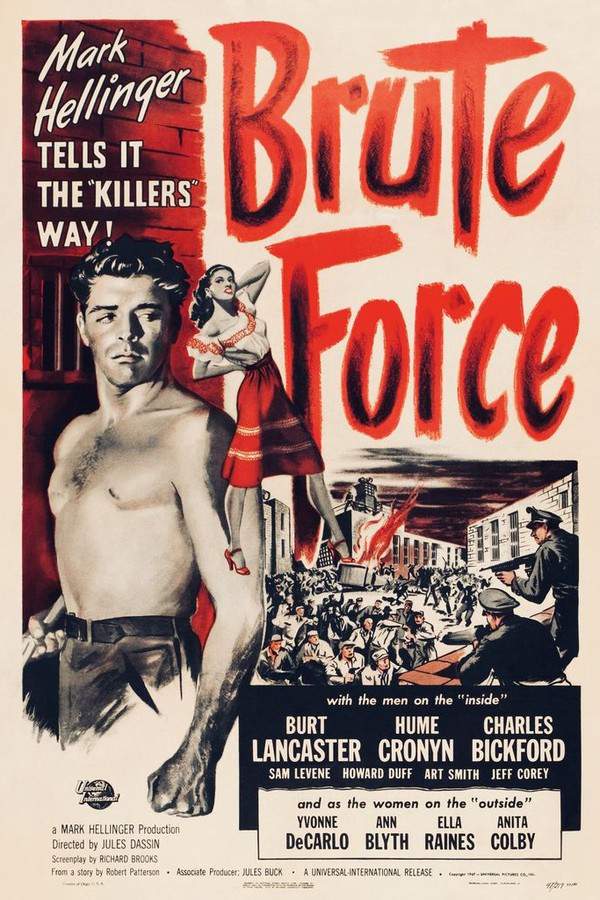
Brute Force (1947) movie poster

Timeline

Brute Force (1947) Timeline Explained – Every Event in Order

Release, runtime and language
1947 · 98 min · English
JustWatch #34,781 2
Directed by
Jules Dassin
Starring
Jeff Corey, Hume Cronyn, Burt Lancaster, Charles Bickford, Yvonne De Carlo, John Hoyt

After being released from solitary confinement, Joe Collins finds his life irrevocably changed by the news of his wife’s terminal cancer and the urgent need for a surgery. Determined to be with her, he and fellow prisoner Gallagher plot a daring escape. Their plan is complicated by the prison’s strict security and the vigilance of the ruthless Captain Munsey, who thwarts their attempt during a chaotic incident in the machine shop.

On this page (5)
  1. 1 Where to watch
  2. 2 Events in order (14)
  3. 3 Timeline questions answered
  4. 4 Movie threads
  5. 5 Every angle

Where to watch

Where to Watch Brute Force (1947)

Where can you watch Brute Force? Stream, rent or buy it in the US, including on Artiflix, FlixFling and HBO Max: current JustWatch availability with up-to-date prices.

Streaming availability powered by JustWatch

14 events in order · contains spoilers

Brute Force Timeline: Events in Chronological Order

Every key event of Brute Force (1947) in order, scene by scene, with when and where it takes place. Use it to untangle flashbacks, time jumps and parallel storylines, to refresh your memory before the sequel or to find the exact scene you are thinking of.

  1. Joe Returns from Solitary Overnight

    A dark, rainy morning at Westgate Prison, Joe Collins returns from his term in solitary confinement. He is furious and immediately starts talking about escape. The mood is tense as the other inmates sense an upcoming storm.

    When
    morning
    Where
    Westgate Prison, cell block
  2. Warden Faces Pressure to Reform Discipline

    The beleaguered warden is under pressure from authorities to crack down on disorder. He weighs harsh measures against potential backlash from prisoners and officials. The scene sets the overall tension for the prison’s fragile balance.

    When
    morning
    Where
    Warden's office
  3. Captain Munsey Uses Inmates as Pawns

    Captain Munsey ruthlessly manipulates prisoners to inform on each other, creating trouble so he can mete out punishment. His scheme cultivates fear and mistrust within the cell blocks. This fuels Joe's sense of entrapment.

    Where
    Prison block / corridors
  4. Doctor Warns of a Powder Keg

    The prison doctor warns that the system is teetering on collapse if violence continues. He denounces Munsey's approach and argues that rehabilitation is needed to prevent catastrophe. His sober diagnosis adds a counterweight to the punitive atmosphere.

    Where
    Medical wing
  5. Attorney Visit Reveals Ruth's Cancer

    Joe's attorney visits the prison and informs him that Ruth, his wife, will not undergo cancer operation unless Joe is present. The news gives Joe a personal deadline and heightens his desire to escape. This intercuts with the broader prison turmoil.

    Where
    Prison visiting room
  6. Joe Executes a Plot Against Wilson

    Joe arranges a fatal attack on fellow inmate Wilson in the machine shop. He ensures he has an alibi by talking with the doctor in his office at the time of the murder. The plan demonstrates Joe's willingness to use any means to break free.

    Where
    Prison machine shop
  7. Joe Enlists Gallagher's Help

    Joe pressures Gallagher to help him escape, leveraging the promise of parole that Munsey has dangled. Gallagher, who works on the prison newspaper, is drawn into the plan though he fears the consequences. The two plotting partners set the escape in motion.

    Where
    Prison newspaper office / R17
  8. Munsey Triggers a Suicide to Break Privileges

    Munsey instigates a prisoner's suicide, a calculated move to provoke authorities into revoking privileges and halting parole hearings. The act sows chaos and shifts the balance of control. Gallagher feels his own future is threatened.

    Where
    Prison yard / administrative area
  9. Gallagher Feels Betrayed and Joins the Plan

    Gallagher, feeling betrayed by Munsey and the suicide plot, decides to join Joe's escape plan. He moves from skeptic to active conspirator as the stakes rise. The alliance strengthens the jailbreak scheme.

    Where
    R17 cell / prison newsroom
  10. The Bridge Lever and Guard Tower Target

    Joe and Gallagher map out an assault on the guard tower to reach the lever that lowers the bridge, granting access to the prison’s outer defenses. The escape plan pivots on this risky tower target. The plan heightens tension as guards tighten security.

    Where
    Guard tower
  11. Cell R17 People Tell Their Stories

    While the escape scheme brews, each inmate in cell R17 shares their backstory, revealing how love for a woman led to trouble with the law. The monologues humanize the inmates and foreshadow the violent consequences to come.

    Where
    Cell R17
  12. Munsey Learns the Escape Details

    Munsey discovers the core details of the escape plan from an informer, Stack, pictured as 'Freshman' in the cell. The leak accelerates the countdown and raises the stakes for the impending breakout. The security leak compounds the danger.

    Where
    Munsey's office / security area
  13. Escape Breaks Down and Violence Erupts

    The planned breakout falters, and a violent riot erupts in the prison yard. The chaos leads to the death of Munsey, Gallagher, and the remaining inmates of cell R17. Joe fights for survival as the situation spirals out of control.

    Where
    Prison yard
  14. The Doctor Breaks the Fourth Wall

    In a final meta moment, the doctor breaks the fourth wall, reflecting on the pain, futility, and impossibility of escaping the system that imprisons all of them. The aside underscores the film’s bleak verdict.

    Where
    Medical wing / on-screen

Last updated: October 09, 2025 at 15:35

Was this helpful?

Timeline questions answered

Brute Force Timeline Explained: Your Questions Answered

When does it happen, and why in that order? The questions people ask about the chronology of Brute Force (1947): time jumps, flashbacks, cause and effect between scenes and the correct order of events, each answered with spoilers.

Q1

Why does Joe Collins want to escape from Westgate Prison?

Joe wants to escape because his wife Ruth has terminal cancer and refuses to undergo the necessary surgery unless Joe is there with her. This creates a personal deadline for Joe, who is already furious after being released from solitary confinement where he was set up by Captain Munsey.

Foreshadowing: Joe's desperation to reach his wife is established the moment he returns from solitary, talking about escape immediately.

  • joe collins
  • ruth
  • cancer
  • escape
  • wife
  • surgery
Q2

How did Joe arrange Wilson's murder in the machine shop?

Joe orchestrated a fatal attack on fellow inmate Wilson in the prison machine shop. He ensured he would have a solid alibi by speaking with the prison doctor in his office at the exact moment the murder occurred, allowing Joe to maintain plausible deniability while Wilson was killed.

Foreshadowing: Joe's willingness to use any means to achieve his goals was hinted at when he exacted revenge on Wilson shortly after returning from solitary.

  • wilson
  • murder
  • machine shop
  • alibi
  • doctor
  • revenge
Q3

Why does Captain Munsey incite a prisoner's suicide?

Munsey deliberately provokes a prisoner's suicide as a calculated power move. This gives him a pretext to pressure authorities into revoking prison privileges and derailing upcoming parole hearings. By creating this chaos, Munsey strengthens his control over the inmate population while eliminating potential releases that might reduce his influence.

Foreshadowing: The doctor's earlier warning about the prison being a 'powder keg' foreshadows how Munsey's manipulations could trigger catastrophic events.

  • munsey
  • suicide
  • parole
  • privileges
  • manipulation
  • control
Q4

Why does Gallagher decide to join Joe's escape plan?

Gallagher initially hesitates because he works on the prison newspaper and Munsey has promised him parole soon. However, after Munsey orchestrates the suicide to revoke privileges and derail parole hearings, Gallagher feels betrayed and shifts his stance. Seeing his future destroyed by Munsey's manipulation, Gallagher chooses to join Joe's escape attempt.

Foreshadowing: Munsey's promise of parole to Gallagher was always a manipulation, as shown by his willingness to destroy that promise for political gain.

  • gallagher
  • escape
  • betrayal
  • munsey
  • parole
  • jailbreak
Q5

What is the escape plan at Westgate Prison?

Joe and Gallagher plan to storm the prison's guard tower to reach the lever that lowers the bridge leading to the prison's exit. This would allow them to breach the outer defenses and escape. The plan requires seizing the tower and controlling that critical mechanism.

Foreshadowing: The early scenes establishing Munsey's tight security and the prison's layout make clear that direct confrontation with the guard tower is the only viable path.

  • guard tower
  • bridge
  • lever
  • escape plan
  • jailbreak
Q6

What happens during the failed escape and prison riot?

The breakout attempt goes badly wrong. Munsey learns the escape details from an informer called Stack, and when the inmates attempt the breakout, violence erupts in the prison yard. The chaotic riot results in the deaths of Captain Munsey, Gallagher, and all the remaining inmates in cell R17, including Joe himself.

Foreshadowing: The earlier monologues from cell R17 about how love for women led each inmate to trouble foreshadow their collective fate.

  • riot
  • escape
  • deaths
  • munsey
  • gallagher
  • cell r17
  • violence
Q7

Why does the doctor break the fourth wall at the end of the film?

In the final moments, the prison doctor addresses the audience directly to reflect on the pain, futility, and seemingly inescapable grip of the prison system. This meta-commentary underscores the film's bleak message about the impossibility of truly escaping a machine built to punish, control, and never truly redeem those trapped within it.

Foreshadowing: The doctor's earlier warnings about the prison being a 'powder keg' establish his role as the film's moral observer.

  • doctor
  • fourth wall
  • ending
  • commentary
  • system
  • futility
Q8

Why was Joe Collins placed in solitary confinement?

Joe was placed in solitary because Captain Munsey planted a weapon on Wilson, a fellow inmate, specifically to frame Joe and have him punished. This was part of Munsey's tactic of pitting prisoners against each other so he could mete out harsh discipline.

Foreshadowing: The opening scene establishes Munsey's manipulative nature, showing him using inmates as pawns from the very beginning.

  • solitary
  • munsey
  • weapon
  • frame
  • punishment
  • wilson
Q9

How does Captain Munsey control and manipulate the inmates?

Munsey uses ruthless psychological tactics, pitting prisoners against each other by planting information and weapons to create trouble. When conflicts arise, he punishes the inmates, cultivating fear and mistrust throughout the cell blocks. He also dangles promises of parole to manipulate inmates like Gallagher into cooperation.

Foreshadowing: Munsey's manipulation is established immediately upon Joe's return from solitary, setting up the antagonistic dynamic.

  • munsey
  • manipulation
  • informers
  • control
  • fear
  • prisoners
Q10

What happens to Joe Collins at the end of Brute Force?

Joe Collins dies during the failed escape attempt. When the breakout goes wrong and a violent riot erupts in the prison yard, Joe is killed along with Gallagher, Munsey, and the rest of the inmates in cell R17. His attempt to escape and be with his dying wife ends in death.

Foreshadowing: Joe's desperate determination to escape at any cost, including murder, sets the tragic trajectory that leads to his demise.

  • joe collins
  • death
  • ending
  • riot
  • failed escape
  • killed

Movie threads

More Movies Like Brute Force, by Mood & Story

Curated lists built around what makes Brute Force tick: the same mood, the same kind of story or the same emotional payoff. Each list explains why these movies belong together.

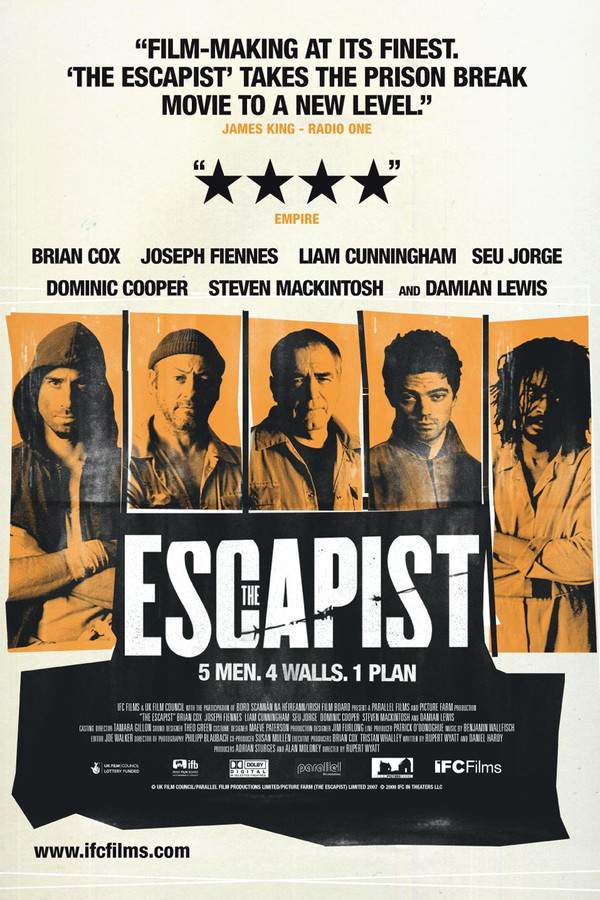
Desperate Prison Escape Movies like Brute Force

Stories of determined rebellion against inescapable, brutal authority. If you enjoyed the grim tension and desperate escape plot of Brute Force, you'll find similar stories here. This collection features movies about prison breaks, rebellions against brutal authority, and films that capture a feeling of claustrophobic despair within inescapable institutions.

  • claustrophobic
  • desperate
  • grim
  • oppressive
  • tense
  • brutal
  • Tone: dark, bleak, tense
  • Pacing: steady, methodical build
Why these movies?

The story pattern: The narrative typically follows a group of characters pushed to their limits by a merciless system, often personified by a single, ruthless antagonist. A dangerous plan for freedom is meticulously crafted, leading to a violent and explosive climax that underscores the futility of their struggle against an overwhelming force. The journey is one of solidarity and sacrifice, but rarely of success.

Why they belong together: Movies are grouped here for their shared setting of extreme confinement, their central plot of a desperate escape or rebellion, and their consistent tone of bleakness and high emotional stakes. They all explore the harsh dynamics of power and the human cost of defiance.
Bleak Movies About Futile Struggles like Brute Force

Stories where individual struggle is crushed by an uncaring, powerful system. For viewers who appreciated the heavy emotional weight and bleak commentary of Brute Force. These movies share a similar vibe of systemic failure, where characters fight a losing battle against corruption, authority, or fate, resulting in a powerfully tragic and hopeless conclusion.

  • grim
  • hopeless
  • tragic
  • heavy
  • oppressive
  • futile
  • Tone: dark, bleak, tragic
  • Pacing: steady, inevitable decline
Why these movies?

The story pattern: The narrative pattern involves a protagonist or group confronting an immovable object—be it a corrupt corporation, a ruthless government, or an unchangeable fate. Their efforts, no matter how justified or heroic, are systematically dismantled, leading to a conclusion that reinforces the absolute power of the system and the insignificance of the individual. The arc is one of gradual defeat.

Why they belong together: These films are connected by their dominant theme of futility and their consistently bleak tone. They share a high emotional weight and a pacing that steadily builds towards an inevitable, tragic ending, creating a cohesive viewing experience for those seeking somber, thought-provoking stories.

Every angle

Brute Force (1947) Explained: Plot, Timeline & Characters

Everything about Brute Force in one place: what happens in the plot summary, the timeline in chronological order, the characters and meaning and a spoiler-free summary. What's After the Movie adds the cast, box office and post-credit scenes.

Coming soon on iOS and Android

The Plot Explained Movie Summary App

Plot summaries, endings explained and timelines on your phone. Catch up on any movie in minutes, save your favorites and never miss a twist again.

Be the first to know when we launch. Your email stays private, always.

Learn more about the app