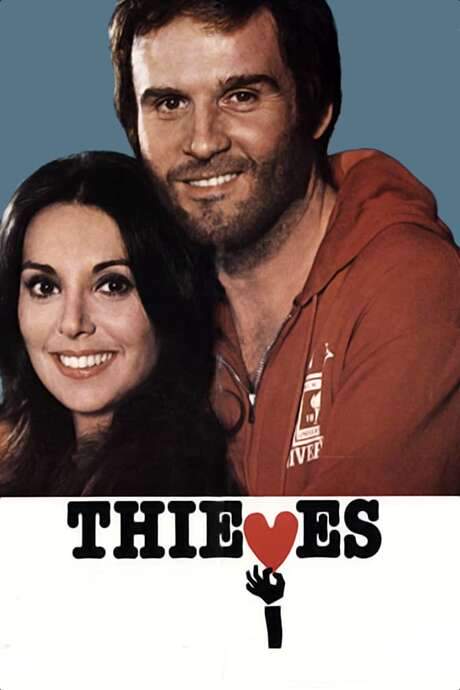
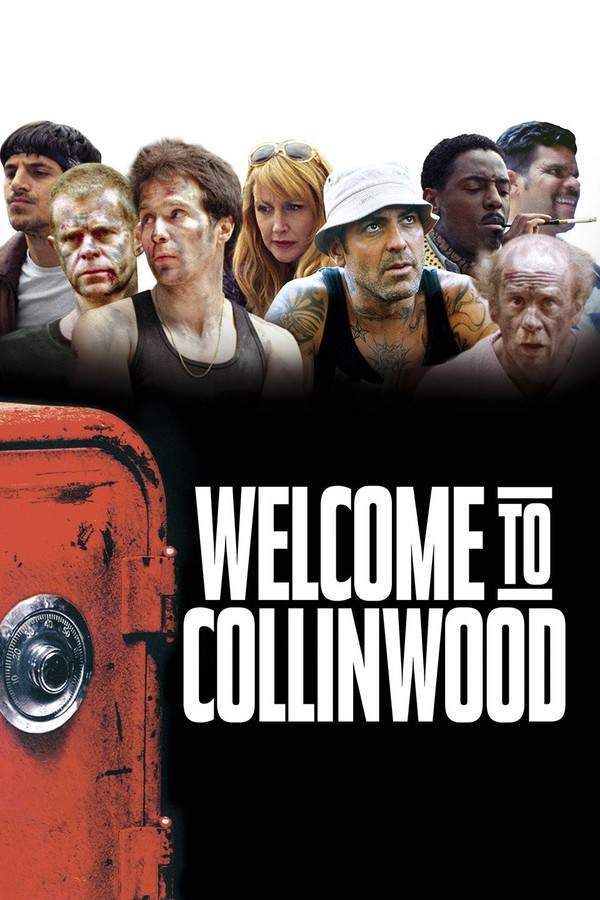
In this character-driven crime drama, Ernie Mullins is a seasoned pro safecracker, now operating his craft from Portland, Oregon after a long career in New York. At sixty-one, he moves with a measured calm and a clear set of rules, content to live a quiet life on the edge of the city in a modest tract home. His world begins to shift when he crosses paths with Mike Lafebb, a curious, affable kid who stumbles into a chance to learn the trade. Ernie takes Mike on as his lookout and apprentice, a decision born from a mix of mentorship and old habits meeting new opportunities. The two embark on a string of cash heists that test both their partnership and their values.
Their first collaboration unfolds with a brisk supermarket theft that even features a friendly dog wandering nearby, a small, almost comic detail that contrasts with the seriousness of their crime. The duo pushes further in a bold Fourth of July job at an amusement park, timed to a dazzling fireworks display. These capers reveal not only their growing competence but also the widening gap between Ernie’s measured, pragmatic approach to crime and Mike’s appetite for the trappings that money can buy. Ernie’s life remains anchored in a simple domestic rhythm, but Mike’s eagerness to obtain material comforts pulls him toward bigger risks and a different creed of success.
Beyond their partnership, the story threads in Ernie’s personal life and the world of those who orbit his life. He maintains a steady, complicated relationship with Delphine, a longtime companion in a dangerous trade, who becomes a kind of gateway to other characters in their circle. Delphine, Delphine, introduces Mike to her apprentice, Carrie, a figure caught between loyalty and circumstance. Their arrangement is pragmatic at first, but the emotional currents soon make themselves felt. When Mike pushes for Delphine not to need prostitution to survive, their bond is strained. Delphine’s independence and stubborn desire to shape her own life lead her to step away, even as the men around them question what the future holds.
The story also braids in a pair of retired crooks who once shared the same table as Ernie and his friends—Johnny and Shoes—along with a pair of adversarial lawyers who keep one eye on the courtroom and the other on the clock. These veterans of crime and the legal world color the atmosphere with a sense of history and consequence, reminding the protagonists that every choice has a ripple effect.
As Mike’s wealth grows, law enforcement grows more attentive, and the young man faces a difficult decision: risk turning in Ernie to secure a lighter fate for himself, or preserve their alliance. He chooses to confess, laying bare the crimes he and Ernie committed, including Ernie’s own hands in the misdeeds, which leads to a nine-year sentence. The outcome is sobering: justice moves forward, but the bond between them endures in a way that speaks to loyalty, messy affection, and the high price of a life built on risk.
Throughout, the film maintains a steady, even-handed tone that respects the complexities of aging, mentorship, and the pull of easy money. The narration threads through quiet moments between heists, the late-night conversations in dimly lit rooms, and the small, human details—like a dog’s wagging tail or a shared cigarette—that reveal what each character wants beyond wealth or notoriety. The result is a story that feels lived-in and true to its characters, inviting viewers to weigh questions of trust, responsibility, and the true cost of living outside the lines.
In the end, what remains is not a triumphant overhaul of a life of crime but a nuanced portrait of two men whose friendship outlasts a string of heists and a harsh legal reckoning. The dynamics between Ernie, [Mike Lafebb], Delphine, [Carrie], [Johnny], [Shoes], the [District Attorney], and [Vincent Tucci] create a tapestry that stays with you long after the final scene, offering a thoughtful meditation on memory, choice, and the fragile ties that bind people together even when they least expect to be bound.