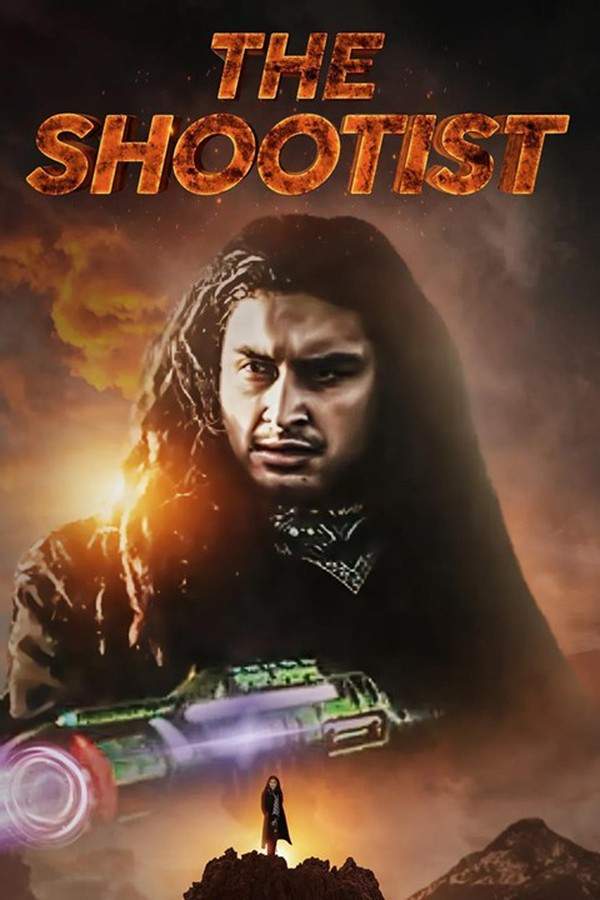
In the Old West, a sheriff Steve Purcell and his young son Nick Pitera ride a dusty wagon trail, their silhouettes carved against a horizon that promises both danger and possibility. The sheriff places a small, timeless trust between them by passing down his own pocket watch and his hat, a ritual of protection and luck that anchors their bond as they press forward through heat, wind, and the quiet weight of responsibility. The road is long, and the pair move with a measured patience that hints at stories carried in their silence.
Their journey is shattered when bandits attack the stagecoach, shattering the calm with gunfire and dust. The sheriff fights to shield his son and to keep the wagon alive, while the boy remains focused on steering and maneuvering through the peril. A rock jams the wheel, the wagon lurches, and the cliff’s edge suddenly looms. The vehicle careens toward the precipice, and the father is sent tumbling from the wagon, hanging on a lower rock ledge as the son watches in desperate disbelief. The gap between life and death stretches thin as the son crawls closer, trying to reach him with outstretched fingers.
In a risky, wrenching moment, the son uses the rifle for extra leverage, and tragedy strikes in a heartbeat. His finger rests inside the trigger guard, and the weapon fires—an accidental shot that cuts the rescue short and takes his father from sight, leaving the son utterly shattered and haunted by guilt that never fully yields to time.
Many years pass, and the son has risen to the office of sheriff, a man tempered by memory and the heavy burden of what happened on that cliff. He returns to the same desolate place, confronting the echo of that day as the wind seems to replay the moment. The temptation to escape the pain grows, and he teeters on the edge, briefly surrendering to the pull of the abyss. Yet a flicker of memory steadies him—the pocket watch his father gave him—pulling him back from the brink and drawing him toward a fragile return to life. He struggles to climb back up, nearly losing his grip, but he gathers strength and retrieves the watch, cradling it against his chest as tears slip down his face.
In that intimate moment, the watch feels almost alive, ticking with a stubborn rhythm that begins to heal the wound time cannot erase. The act becomes a quiet vow—to remember, to protect, and to endure. The scene closes on that small, stubborn heartbeat, a sign that memory and love can endure even the deepest guilt. The story’s ache is human, its resilience all the more powerful for never pretending that time has erased what happened, only that it can teach a person to carry it with a steadier hand and a steadier heart. The film’s soundscape, anchored by the voices of the main cast and brought to life with the contributions of Greg Dykstra, lingers with you as time ticks forward, reminding us that some wounds may fade in color but never fully disappear, and that redemption can arrive in the quietest of moments.