Plot Explained Spoilers guaranteed!
Plot Explained

Browse by genre

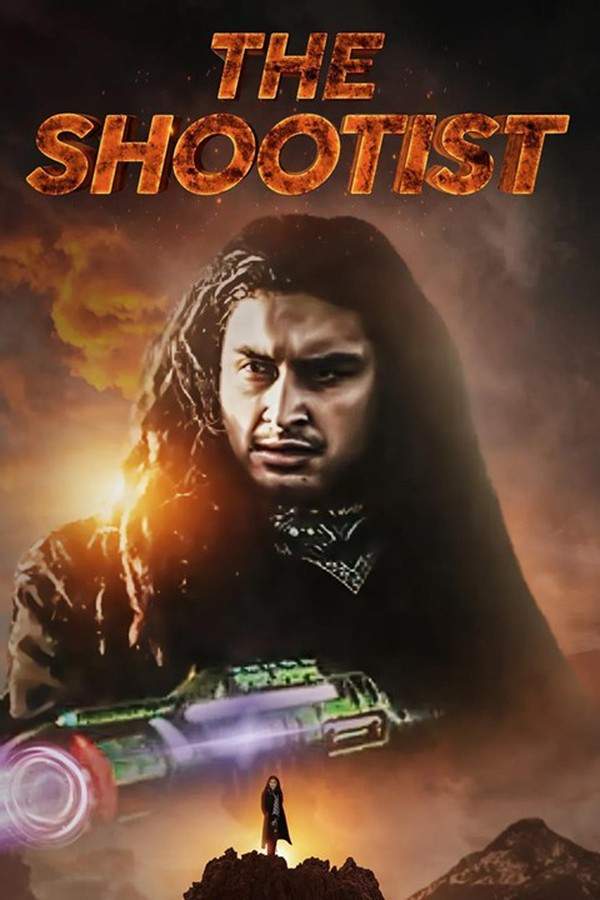
The Shootist (1976) movie poster

Plot Summary

The Shootist (1976) Plot Summary Explained

Release, runtime and language
1976 · 100 min · English
JustWatch #31,595 1
Starring
John Wayne, John Carradine, Harry Morgan, Sheree North, James Stewart, Bill McKinney

A former gunslinger, J.B. Books, learns he has cancer and only a few months to live. Seeking a peaceful end, he rents a room from Bond Rogers and her son Gillom in a quiet town. He hopes to spend his final days in solitude, but finds himself facing unexpected challenges and a complicated relationship with the mother and son.

On this page (6)
  1. 1 Where to watch
  2. 2 What happens: full plot
  3. 3 Plot questions answered
  4. 4 Movie threads
  5. 5 Movies like The Shootist
  6. 6 Every angle

Where to watch

Where to Watch The Shootist (1976)

Where can you watch The Shootist? Stream, rent or buy it in the US, including on Paramount Plus Essential, Hoopla and Kanopy: current JustWatch availability with up-to-date prices.

Streaming availability powered by JustWatch

Full plot summary · contains spoilers

What Happens in The Shootist: Full Plot Summary

The whole story of The Shootist (1976) explained, from the opening scene to the final frame: every key event, every twist and what it all adds up to. Read it as a quick recap before the sequel, to check a scene you missed, or to finally understand what really happened.

As he nears the end of his journey, John Bernard "J.B." Books, a seasoned lawman turned gunslinger, rides into Carson City, Nevada, during the cold days of January 1901. With over thirty years of violence etched into his life, he bears the burden of his past like the dusty boots he wears. His arrival sparks an unexpected confrontation when he encounters an armed robber. Demonstrating his legendary reflexes, Books swiftly disarms the attacker, leaving him wounded on the ground.

While maneuvering through the town's fringes, he meets Jay Cobb, a local dairyman, and his assistant, Gillom Rogers, who steps in with a steadying presence to diffuse the tense situation. Searching for solace, Books pays a visit to Dr. E.W. "Doc" Hostetler, the physician who once treated his gunshot wounds. The doctor's straightforward diagnosis reveals a grim truth: terminal cancer has claimed Books' body, granting him only a few months left to live. Though a prescription for laudanum temporarily eases his suffering, the relentlessness of his diagnosis haunts him daily.

In desperate need of a sanctuary, Books finds a place to stay at the quiet boarding house owned by Bond Rogers, Gillom's widowed mother. Attempting to remain inconspicuous, he adopts a false name. However, Gillom's keen observation soon reveals his hidden identity when he spots Books' name etched on his saddle at the stable. This revelation sends Bond into a state of shock, prompting her to call upon Marshal Walter Thibido to address the notorious figure directly. Upon hearing Books' story—especially the gravity of his terminal diagnosis—Bond's perspective shifts, leading her to invite him to church in hopes of offering him some semblance of comfort.

The whispers surrounding Books' infamous presence spread rapidly, attracting a flock of opportunists eager to exploit his legend or eliminate him. Local journalist Dan Dobkins attempts to get an interview with him but is swiftly chased away. Adding to the drama, an old flame named Serepta reenters his life, proposing marriage only to unveil her ulterior motive: a sensationalized biography, rich with embellished tales of his gunfighting life.

Reacting in his typical fashion, Books orders a headstone, but declines the undertaker's offer for a complimentary funeral, wary that it would only serve to line someone's pockets in his absence. Attempting to finish him off, two assassins sneak into his temporary lodgings, only to be swiftly dealt with by Books himself. With growing admiration for Books’ skills, Gillom becomes increasingly aware of the dangers they encounter, stirring fears about his own future and the absence of a father figure in his life.

As the bond between the two deepens, Books takes it upon himself to instill valuable life lessons in Gillom, imparting his personal code: > "I won't be wronged, I won't be insulted, and I won't be laid a hand on. I don't do these things to other people, and I require the same from them." With this philosophy guiding them, Books tasks Gillom with informing three notorious men—Mike Sweeney, Jack Pulford, and Cobb—that he will confront them at the Metropole Saloon on his upcoming birthday, January 29th.

With the arrival of his headstone, inscribed with the words "Books died in 1901," the clock begins to tick. Books passes on Ole Dollar, his cherished horse, to Gillom, bidding farewell to Bond as he prepares for the inevitable showdown. Boarding the trolley to the Metropole, anticipation and unease mix within him.

As the saloon doors swing open, Books encounters three uninvited guests, each positioned at their own table, eyes glued upon him. He nonchalantly orders the best whiskey available, raising a glass to his own birthday and the ominous assortment of adversaries who have come to rain gunfire upon him. Tension fills the air as Cobb strikes first, forcing Books to take cover behind the bar. Seizing the moment, he hurls a whiskey bottle at Cobb, effectively disorienting him just long enough to turn the tide against his foe.

Sweeney crouches behind his table, using it as a shield against the onslaught. Books capitalizes on this opportunity, expertly firing a shot that dismantles Sweeney's defenses, taking him out of the fight. As the chaos unfolds, Pulford attempts to close in on Books, who lays low, his sharp eyes scanning the surroundings. Spotting a whiskey glass on the bar, Books takes aim with fateful accuracy, striking Pulford down in the heat of battle.

As gunfire subsides, curious onlookers are drawn to the uproar outside the Metropole. Among them is Gillom Rogers, who rushes into the saloon at the peak of the chaos. His frantic warning goes unheard, and in a moment fueled by panic, the bartender mistakenly fires a shotgun blast that strikes Books down, leaving him bleeding and vulnerable.

In a desperate act, Gillom grabs the fallen gun and confronts the bartender, exacting swift vengeance. Yet, as reality sinks in, he looks down at Books' still form, tragedy painted across his face. With a slight smile and an approving nod from Books, the legendary gunfighter slips away, leaving Gillom in a cloud of grief. Slowly, he drapes his coat over the body of Books and exits into the world outside, his heart heavy and his mother watching with concern just beyond the threshold.
Last updated: November 21, 2024 at 09:32

Was this helpful?

Plot questions answered

The Shootist Plot Explained: Your Questions Answered

The questions people ask most about The Shootist (1976): what happens in the confusing scenes, why the characters do what they do, the twists, hidden details and what the ending means. Each answer contains spoilers.

Q1

Why does J.B. Books decide to confront Sweeney, Pulford, and Cobb?

Books chooses to face the three men because he accepts that his death is imminent and decides to face it on his own terms. Rather than waiting passively for cancer to claim him, he takes control by confronting the outlaws who have been seeking him, using his final act to assert his autonomy and leave a legacy defined by his own choices rather than his illness.

Foreshadowing: Earlier, Books tells Gillom his personal code about not being wronged, insulted, or laid a hand on, establishing that he will not let these men threaten him unchallenged.

  • final confrontation
  • showdown
  • legacy
  • death wish
  • terminal cancer
Q2

Why does Bond Rogers allow Books to stay after learning his identity?

After Marshal Thibido informs Bond of Books' true identity and his terminal cancer diagnosis, her perspective shifts from shock to compassion. Recognizing that the legendary gunslinger is dying and seeking peace rather than trouble, she decides to offer him the same kindness she would want in his situation, eventually inviting him to church for comfort.

Foreshadowing: The moment Gillom discovers Books' real name on the saddle, Bond's initial reaction is fear, but the story gradually shows her warming to him.

  • bond rogers
  • compassion
  • terminal diagnosis
  • forgiveness
Q3

What does the headstone inscription "Books died in 1901" signify?

The inscription reflects Books' acceptance of his mortality and his pragmatic outlook. By ordering his own headstone before his death and refusing a free funeral that would profit the undertaker, Books maintains control over his end. The inscription marks 1901 as both his birth year into violence and his exit from it, completing his journey on his terms.

Foreshadowing: This scene follows directly from the doctor's diagnosis, showing Books moving from learning about his terminal condition to preparing for death.

  • headstone
  • acceptance
  • death
  • funeral
  • mortality
Q4

Why does the bartender accidentally shoot Books during the gunfight?

In the chaos of the gunfight, Gillom rushes into the saloon to warn Books about the danger. The bartender, startled and acting defensively in the confusion, fires a shotgun blast without realizing who he is shooting. The stray bullet strikes Books mortally, turning what should be a triumphant moment into a tragic accident caused by misunderstanding and panic.

Foreshadowing: The escalating chaos in the saloon, with bullets flying and people scrambling for cover, creates the conditions for this tragic mistake.

  • accidental shooting
  • bartender
  • friendly fire
  • gunfight
  • tragedy
Q5

What life lessons does Books teach Gillom before the showdown?

Books imparts his personal code to Gillom: "I won't be wronged, I won't be insulted, and I won't be laid a hand on. I don't do these things to other people, and I require the same from them." This philosophy emphasizes mutual respect and self-defense, teaching Gillom to stand up for himself while maintaining his dignity. Books also prepares Gillom by assigning him the task of delivering his challenge to the three outlaws.

Foreshadowing: This mentor relationship begins early when Gillom helps diffuse tension after Books disarms the robber, showing the bond that will develop between them.

  • mentor
  • personal code
  • life lessons
  • gillom rogers
  • respect
Q6

Why does Books pass his horse Ole Dollar to Gillom?

By giving Ole Dollar to Gillom, Books symbolically transfers his legacy to the young man. The horse represents Books' past as a lawman and gunslinger, and passing it to Gillom signifies his hope that Gillom will carry forward the honorable aspects of that life, his code of conduct and his courage, without repeating the violence. It is both a gift and a symbolic passing of responsibility.

Foreshadowing: The transfer happens as Books prepares to leave for the Metropole, marking it as a deliberate farewell gesture.

  • ole dollar
  • horse
  • legacy transfer
  • gift
  • mentorship
Q7

What motivates Gillom to avenge Books after his death?

Gillom is driven by grief, loyalty, and a need to honor the mentor who taught him valuable life lessons. Witnessing Books fall, possibly saved by a warning Gillom tried to give, fills him with anger toward the bartender who fired the fatal shot. Taking up Books' fallen gun, Gillom acts on the code Books taught him, seeking justice and completing the cycle of mentorship that Books began.

Foreshadowing: Throughout their time together, Gillom's admiration for Books grows, as does his awareness of the dangers surrounding the gunslinger.

  • gillom rogers
  • revenge
  • vengeance
  • grief
  • loyalty
Q8

Why does Serepta approach Books with a marriage proposal?

Serepta, an old flame of Books, reenters his life hoping to capitalize on his notoriety. Under the guise of marriage, her true intention is to write a sensationalized biography about his gunfighting exploits, profiting from his legendary status. Books recognizes her ulterior motive and rejects both the marriage and her biographical scheme.

Foreshadowing: The opportunists drawn to Books' legend are introduced earlier when journalist Dan Dobkins seeks an interview.

  • serepta
  • marriage proposal
  • biography
  • exploitation
  • old flame
Q9

What is the significance of Books' personal code in the story?

Books' code, refusing to be wronged, insulted, or harmed while extending the same respect to others, defines his entire approach to life and death. It is the foundation of his relationship with Gillom, teaching the young man how to navigate a violent world with honor. The code also explains why Books cannot simply flee from his enemies; allowing them to threaten him unchallenged would violate everything he stands for.

Foreshadowing: Books lives by this code throughout his life, which is why he ultimately chooses to face his enemies rather than run.

  • personal code
  • honor
  • respect
  • principles
  • dignity
Q10

Why does Gillom drape his coat over Books' body at the end?

Gillom drapes his coat over Books as a final act of respect and mourning, symbolizing his transition from student to protector. By covering the body of the man who taught him how to live with honor, Gillom acknowledges the depth of their bond and takes responsibility for ensuring Books is treated with dignity in death.

Foreshadowing: This moment completes the arc of their relationship, which began with Gillom helping Books after his confrontation with the robber.

  • coat
  • mourning
  • grief
  • respect
  • final farewell

Movie threads

More Movies Like The Shootist, by Mood & Story

Curated lists built around what makes The Shootist tick: the same mood, the same kind of story or the same emotional payoff. Each list explains why these movies belong together.

Bittersweet Endings for a Damaged Soul like in The Shootist

Stories where a troubled protagonist confronts mortality to find a final, meaningful purpose. If you liked The Shootist, explore more movies about legendary figures facing their mortality. These similar dramas and Westerns feature protagonists seeking a dignified end, often finding redemption and leaving a meaningful legacy through a final, principled act.

  • melancholic
  • fatalistic
  • reflective
  • somber
  • lonely
  • atmospheric
  • Tone: melancholic, reflective, fatalistic
  • Pacing: steady, deliberate, character-driven
Why these movies?

The story pattern: The narrative pattern involves a protagonist, often a loner with a formidable reputation, receiving a terminal diagnosis or facing an unavoidable end. The story charts their attempt to live out their final days in peace, which is complicated by their past or the expectations of others. A key relationship, frequently a mentorship, develops, culminating in a final confrontation or choice that gives their death meaning, resulting in a bittersweet conclusion.

Why they belong together: Movies are grouped here by their shared focus on mortality, legacy, and redemption. They possess a melancholic, reflective tone, a steady pacing that builds towards an inevitable climax, and a heavy emotional weight centered on dignity and the meaning of a life lived with violence or regret.

Quiet Character Studies in a Fading World like The Shootist

Contemplative stories set in a vanishing time, focusing on isolation and changing values. Fans of The Shootist will appreciate these similar moody and atmospheric dramas. Discover movies that capture a somber, reflective vibe, set in a specific historical period and focusing on a lone protagonist grappling with change and isolation.

  • atmospheric
  • somber
  • quiet
  • reflective
  • lonely
  • melancholic
  • Tone: somber, reflective, melancholic
  • Pacing: steady, atmospheric, quiet
Why these movies?

The story pattern: These stories unfold in a world that is passing by, placing a lone protagonist at the center of this transition. The plot is often straightforward, serving as a framework for exploring the character's internal state and their interactions with a small, contained community. The central conflict is as much internal—a struggle with purpose and identity—as it is external, leading to a conclusion that acknowledges loss but also the persistence of human connection.

Why they belong together: These films are connected by their shared atmospheric quality, melancholic tone, and steady, contemplative pacing. They prioritize mood and character depth over complex plotting, creating a cohesive experience defined by a sense of place, loneliness, and quiet tension.

If you liked this

Movies Like The Shootist

Similar movies to The Shootist: the same genre, themes or kind of story. Each one comes with its own plot summary, timeline and ending explained.

Browse all movie summaries

Every angle

The Shootist (1976) Explained: Plot, Timeline & Characters

Everything about The Shootist in one place: what happens in the plot summary, the timeline in chronological order, the characters and meaning and a spoiler-free summary. What's After the Movie adds the cast, box office and post-credit scenes.

Coming soon on iOS and Android

The Plot Explained Movie Summary App

Plot summaries, endings explained and timelines on your phone. Catch up on any movie in minutes, save your favorites and never miss a twist again.

Be the first to know when we launch. Your email stays private, always.

Learn more about the app