Plot Explained Spoilers guaranteed!
Plot Explained

Browse by genre

Boris Godunov (2011) movie poster

Timeline

Boris Godunov (2011) Timeline Explained – Every Event in Order

Release, runtime and language
2011 · 124 mins · Russian
Directed by
Vladimir Mirzoev
Starring
Valentinas Masalskis, Pyotr Fyodorov, Elena Shevchenko, Kirill Käro, Anna Churina, Olga Lapshina

The film links the age‑old conflict of crime and punishment with personal conscience and existential choice, tying individual decisions to the nation’s history. Inspired by Pushkin’s image of a mysterious knot, it shows how a single misstep can unleash a chain of tragic events, and how a ruler’s error may jeopardize an entire people.

On this page (4)
  1. 1 Events in order (12)
  2. 2 Timeline questions answered
  3. 3 Movie threads
  4. 4 Every angle

12 events in order · contains spoilers

Boris Godunov Timeline: Events in Chronological Order

Every key event of Boris Godunov (2011) in order, scene by scene, with when and where it takes place. Use it to untangle flashbacks, time jumps and parallel storylines, to refresh your memory before the sequel or to find the exact scene you are thinking of.

  1. Murder in Uglich sparks a long shadow

    The play opens with the brutal murder of the young heir in Uglich by unknown hands. The crime casts a long shadow over the country and sets off a politically dangerous sequence of events. The identity of the killer remains unknown, fueling fear and political instability.

    When
    circa 1590s
    Where
    Uglich
  2. Years pass; the throne remains vacant

    Several years glide by after the murder, while the state remains unsettled and the line to the throne remains precarious. Empires and factions watch the succession with wary eyes as rumor and fear spread. The country waits for a leader who can unite it, or risk further chaos.

    When
    between Uglich murder and accession (several years later)
  3. Godunov is persuaded to take the throne

    Boris Godunov faces pressure to accept the vacant throne despite his own doubts. He grapples with legitimacy, responsibility, and the personal cost of ruling. The decision marks a turning point that will shape the coming crisis.

    When
    early 17th century
    Where
    Moscow
  4. The official announcement of his accession

    During a public press-like moment, a clerk announces Godunov's decision to ascend the kingdom. The moment is met with mixed reactions as people watch the proceedings and discuss it in the streets. The announcement cements the new power structure and invites scrutiny.

    When
    the day of the ascension announcement
    Where
    Moscow, throne hall
  5. Behind the throne, rival factions contend for control

    Hidden from the public eye, rival boyar groups jockey for influence and government direction. Each faction pursues its own vision of rule, threatening a fragile equilibrium in Godunov's Russia. The court becomes a chessboard where every move changes the national balance.

    When
    early years of Godunov's reign
    Where
    Boyars' chambers, Moscow
  6. Godunov's unsettling obsession with the murdered heir

    Since ascending the throne, Godunov is haunted by the vision of the boy he killed. The haunting affects his decisions and shakes his grip on reality. This internal turmoil foreshadows personal and political crises to come.

    When
    shortly after ascent
    Where
    Moscow, throne room
  7. Grigory Otrepyev hides in the Chudov Monastery

    Grigory Otrepyev takes refuge in the Chudov Monastery, biding his time and planning a challenge to Godunov's rule. The monk's presence adds a volatile combustible to the political situation. The monastery becomes a sanctuary and strategic node in the power struggle.

    When
    during the early stage of Godunov's reign
    Where
    Chudov Monastery, Moscow
  8. Pimen reveals the murder's secret to Grigory

    A conversation with Pimen, the monk, reveals the truth behind the murder that haunts Godunov. This revelation fuels Grigory's resolve to seize power and to contest the legitimacy of the current rulers. The secret becomes the hinge on which Grigory pivots toward rebellion.

    When
    after Grigory's escape, within the same period
    Where
    Chudov Monastery, Moscow
  9. Grigory schemes to seize power

    Upon learning the truth, Grigory resolves to come to power by any means necessary. He escapes the monastery's confines and travels to gather support for a challenge to the throne. The plan marks the beginning of a dangerous counter-force against Godunov's rule.

    When
    soon after revelation
    Where
    Chudov Monastery to Moscow
  10. Grigory secures foreign aid and an army

    Grigory extends his campaign by enlisting foreign support and assembling an armed force. With hired allies and a growing army, he is set to cross into Moscow and threaten the throne. The hostilities approach as the power struggle escalates.

    When
    before the march on Moscow
    Where
    Moscow, Russia
  11. The looming chain of fatal consequences

    The narrative warns that a single misstep or bad choice can unleash a chain of deadly events. The actions of those in power ripple through the nation, making governance itself dangerous. The future of the country hinges on choices made at the top.

    When
    ongoing
    Where
    Russia
  12. Power's burden: a nation held at risk

    The drama culminates in the recognition that when someone wields power, it becomes a problem not just for the ruler but for the whole nation. The tension between ambition and consequence defines the fate of the realm. The tale ends with a cautionary moral about leadership.

    When
    conclusion
    Where
    Russia

Last updated: February 24, 2026 at 14:06

Was this helpful?

Timeline questions answered

Boris Godunov Timeline Explained: Your Questions Answered

When does it happen, and why in that order? The questions people ask about the chronology of Boris Godunov (2011): time jumps, flashbacks, cause and effect between scenes and the correct order of events, each answered with spoilers.

Q1

Why does Grigory Otrepyev hide in the Chudov Monastery?

Grigory Otrepyev takes refuge in the Chudov Monastery, likely for his safety and to plan his challenge to Godunov. The monastery serves as both sanctuary and strategic headquarters while he gathers information and builds support. It is here that Pimen reveals the truth about the heir's murder, which strengthens Grigory's resolve to seize power.

Foreshadowing: The monastery becomes the crucible where the rebellion is forged, with Pimen's revelation serving as the catalyst.

  • chudov monastery
  • grigory hiding
  • monk
  • otrepyev refuge
Q1

Who killed the young heir in Uglich?

The film implies that Boris Godunov was responsible for the murder of the young heir in Uglich. While the crime is committed by unknown hands in the opening scene, the narrative establishes that Godunov's conscience haunts him throughout his reign, suggesting his complicity or direct involvement in eliminating the rival to clear his path to the throne.

Foreshadowing: The opening murder sets the entire chain of tragic events in motion, with the identity of the killer becoming a central source of political instability.

  • uglich murder
  • heir killed
  • tsar son
  • godunov crime
Q2

Why is Boris Godunov haunted by visions of the murdered boy?

After ascending to the throne, Godunov is tormented by visions of the boy he likely ordered killed. His guilt manifests as a psychological haunting that affects his decisions and shakes his grip on reality, representing the moral consequences of his crime and the weight of illegitimate power.

Foreshadowing: The haunting begins immediately after his ascension, foreshadowing both his personal downfall and the political crisis to come.

  • godunov guilt
  • visions
  • conscience
  • murdered heir
  • psychological torment
Q3

Why does Grigory Otrepyev challenge Boris Godunov for the throne?

Grigory Otrepyev learns from the monk Pimen that Godunov was behind the murder of the heir. This revelation fuels Grigory's resolve to seize power, as he sees Godunov as a usurper and murderer who lacks legitimacy to rule. He escapes the monastery, secures foreign aid, and amasses an army to contest the throne.

Foreshadowing: Pimen's revelation serves as the pivotal turning point that transforms Grigory from a hiding monk into a challenger for the crown.

  • grigory otrepyev
  • pretender
  • rebellion
  • usurpation
  • pimem reveal
Q4

Why does Boris Godunov agree to become tsar despite his doubts?

Boris Godunov faces intense pressure from rival boyar factions to accept the vacant throne. Despite his personal doubts about his fitness to rule and the legitimacy of his claim, he is persuaded to ascend, believing he can stabilize the realm. However, his decision is tainted by the murder that cleared his path to power.

Foreshadowing: His acceptance of the crown despite knowing the crime that made it possible sets the stage for his moral and political unraveling.

  • godunov becomes tsar
  • succession
  • boyar pressure
  • legitimacy
Q5

How does the murder in Uglich lead to the political crisis in Russia?

The murder of the heir creates a power vacuum and raises questions of succession, destabilizing the realm. The unknown identity of the killer fuels fear and political intrigue among rival boyar factions. When Godunov takes the throne, his guilty conscience undermines his authority, while Grigory's discovery of the truth provides a focal point for rebellion, threatening to tear the nation apart.

Foreshadowing: The film's opening murder is described as a 'karmic misstep' that unleashes a chain of deadly consequences affecting the entire nation.

  • succession crisis
  • political instability
  • tsar murder
  • russian throne
Q6

What role do the rival boyar factions play in the story?

Hidden from public view, rival boyar factions jockey for influence and control over government direction throughout Godunov's reign. Each faction pursues its own vision of rule, threatening the fragile political equilibrium. These power struggles contribute to the instability that Grigory later exploits when he marches on Moscow.

Foreshadowing: The hidden court intrigues foreshadow the vulnerability of Godunov's regime and the internal divisions that will be exploited by his challenger.

  • boyars
  • court intrigue
  • factions
  • political conspiracy
  • moscow court
Q7

What is the 'karmic misstep' the film describes?

The film presents the murder of the young heir as the 'karmic misstep' that unleashes a chain of tragic events. One criminal act, ordering the heir's death, sets off a cascade of consequences: Godunov's guilty conscience, his compromised rule, the revelation of his crime to Grigory, and ultimately a rebellion that threatens to destroy the nation. The narrative warns that a single bad choice by a ruler can endanger an entire people.

Foreshadowing: The film explicitly connects the initial murder to the eventual downfall, presenting causality as both moral and political.

  • karmic consequence
  • chain of events
  • one mistake
  • tragic fate
  • moral因果
Q8

How does the film connect Boris Godunov's personal guilt to Russia's fate?

The film ties individual moral failure to national consequences. Godunov's crime and subsequent guilt make him an unstable ruler, paralyzed by psychological torment while rival factions scheme and Grigory gathers forces. The narrative argues that a ruler's personal sins directly jeopardize the nation, making governance itself dangerous when built on illegitimate power.

Foreshadowing: The thematic emphasis on how 'a ruler's error may jeopardize an entire people' runs throughout the film.

  • personal guilt
  • national fate
  • ruler responsibility
  • russia crisis
  • power burden
Q10

What warning does the film make about the burden of power?

The film concludes with a cautionary message that when someone wields power, it becomes a problem not just for the ruler but for the entire nation. Godunov's decisions, particularly the murder that secured his throne, ripple outward, creating political instability and rebellion. The drama emphasizes that leadership carries existential weight, and illegitimate power threatens both the ruler and the realm.

Foreshadowing: The bleak ending reflects the film's thematic warning that power, when corrupted by crime, leads to inevitable downfall.

  • burden of power
  • leadership
  • warning
  • ruler responsibility
  • tragic ending

Movie threads

More Movies Like Boris Godunov, by Mood & Story

Curated lists built around what makes Boris Godunov tick: the same mood, the same kind of story or the same emotional payoff. Each list explains why these movies belong together.

Historical dramas about guilt-ridden rulers like Boris Godunov

A ruler's bloody ascent leads to paranoia, ghostly regrets, and a nation's doom. Find more movies like Boris Godunov that explore political leaders haunted by their crimes. These films focus on the psychological torment and historical consequences of a ruler's fatal error, blending personal drama with national tragedy.

  • historical
  • tragic
  • paranoid
  • guilt-ridden
  • political
  • dramatic
  • Tone: dark, tragic, paranoid
  • Pacing: steady, deliberate
Why these movies?

The story pattern: The narrative follows a leader who has committed a grave act to gain power. Their rule is then plagued by psychological torment, external threats, and a chain of tragic events that ultimately lead to their destruction and the suffering of their people.

Why they belong together: These movies are grouped together because they share a powerful central theme: the inescapable weight of a past sin on a ruler's conscience and reign. They feature a similar tone of bleak historical tragedy, a steady pacing that builds suspense around the inevitable fallout, and a focus on the moral collapse of a central figure.

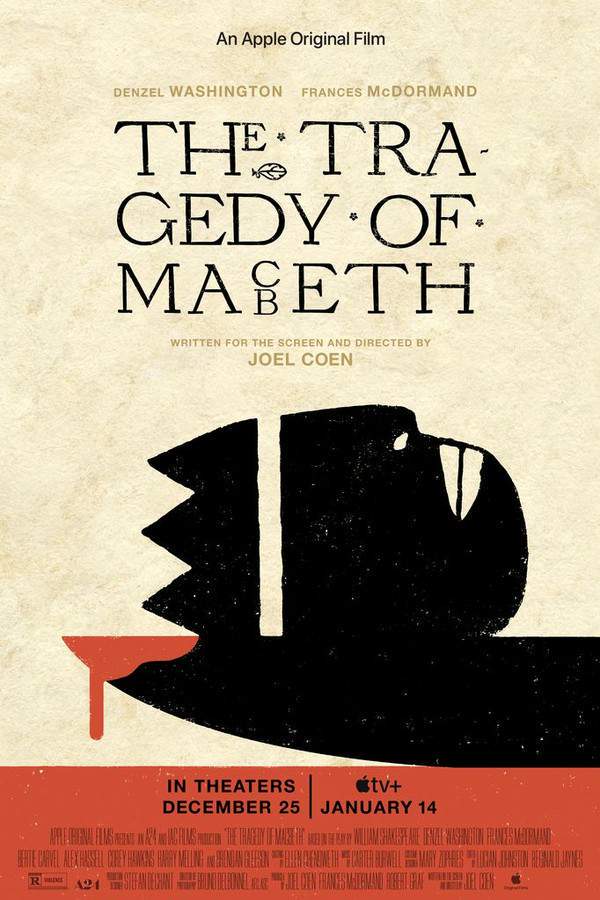
Movies about fatal mistakes and tragic consequences like Boris Godunov

One wrong choice triggers an unstoppable chain reaction of disaster and moral decay. If you liked Boris Godunov's theme of a single error causing a chain of tragic events, explore these films. They depict a similar narrative structure where a character's pivotal mistake sets off an irreversible spiral of doom.

  • suspenseful
  • tragic
  • fateful
  • philosophical
  • grim
  • inevitable
  • Tone: grim, suspenseful, philosophical
  • Pacing: steady, building
Why these movies?

The story pattern: The plot hinges on a critical error in judgment or a morally compromised act. This initial event sets off a domino effect, where attempts to contain the situation only worsen it, leading to an increasingly bleak and tragic outcome that feels both personal and far-reaching.

Why they belong together: These films share a core narrative structure focused on causality and the theme of 'crime and punishment.' They create a sense of grim inevitability and suspense, often with a philosophical undercurrent about fate and responsibility. The pacing is typically steady, building dread as the consequences compound.

Every angle

Boris Godunov (2011) Explained: Plot, Timeline & Characters

Everything about Boris Godunov in one place: what happens in the plot summary, the timeline in chronological order, the characters and meaning and a spoiler-free summary. What's After the Movie adds the cast, box office and post-credit scenes.

Coming soon on iOS and Android

The Plot Explained Movie Summary App

Plot summaries, endings explained and timelines on your phone. Catch up on any movie in minutes, save your favorites and never miss a twist again.

Be the first to know when we launch. Your email stays private, always.

Learn more about the app