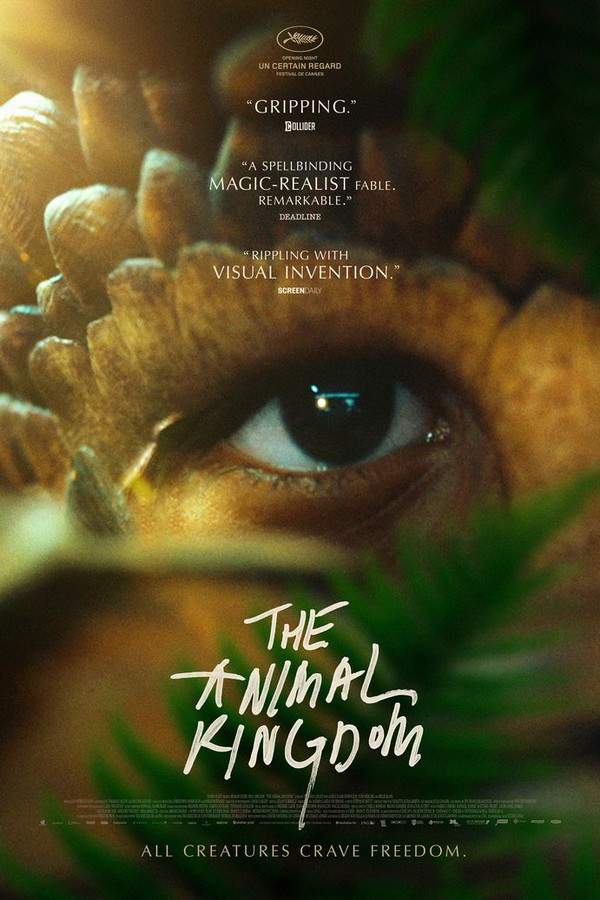
Briar Yuan Xin begins each year with a quiet routine: gathering the forest animals to shore up the aging Gouxiongling dam before the rainy season arrives. The task is practical, but the little creatures grow restless, dragging their feet and turning the work into a test of Briar’s patience. As the skies darken and the dam buckles under a sudden, heavy downpour, catastrophe strikes—the dam collapses, and Briar’s world is upended. In a surge of anger and disbelief, he storms away from his home, only to be swept away by a devastating mudslide and wake up far from familiar paths, stranded in a shabby, forgotten circus.
Within this cold, bright chaos, Briar’s presence becomes a strange beacon. A chance performance—unplanned, imperfect, yet somehow enough to shine—wins over the crowd and leaves Briar stranded as part of the troupe. He discovers a new rhythm and a new sense of purpose under the circus lights, even as the animals back home vanish one by one from the forest, their fates unclear. The circus becomes his stage, and Briar performs in a distinct, self-assured style that earns applause, feeds his ego, and detaches him from the life he once knew.
Yet the world Briar enters is not as pristine as it seems. His path crosses with a western lowland gorilla named Hugo and an Asian elephant named Ellie May, leading to tensions and clashes that challenge his instincts and ambitions. The circus is dominated by a larger question: what does success truly cost when the roots of friendship and home are left behind? Briar’s ascent as a featured performer confers popularity and adulation, but it also quietly distances him from the forest and the friends he once cared for.
An anxious figure named Bramble appears on Briar’s orbit, pleading for him to return to where he belongs. Briar resists at first, clinging to the bright lights and the sense of belonging he has found on the carnival stage. It is only when Hugo steps in to fix a crisis tied to Briar’s performances—and to illuminate the gorilla’s own struggles—that the lid loosens on some of the circus’s hidden truths. As the secrets behind the operation begin to surface, Briar faces a mounting moral fork: should he flee toward a comfortable, star-filled life, or confront the past and reclaim who he is at his core?
A rescue comes in the form of Logger Vick, who pulls Briar back from a brink of self-deception and nudges him toward self-reflection. The revelation of what truly matters—home, loyalty, and the courage to stand up for one’s origins—begins to reconfigure Briar’s choices. With new clarity, he strides back toward the forest’s edge and the people who depend on him, while still harnessing the discipline and charisma he developed at the carnival.
In the climactic moment, the grand carnival stage becomes the proving ground for Briar’s transformation. He gathers the animals under his leadership and orchestrates a daring, memorable escape that feels like a rebirth—an audacious push toward freedom. The performance evolves from mere spectacle into a statement about belonging and identity, a return to roots fused with the strength he discovered on the road. As the curtain rises on a new dawn, Briar leads the ensemble through a triumphant, precarious run toward liberty, proving that courage, rather than convenience, can redefine where one truly belongs.