







Plot Explained Spoilers guaranteed!
Plot Explained

Browse by genre

Blue Car (2003) movie poster

Spoiler-Free Summary

Blue Car (2003) Spoiler-Free Summary – What It's About

Release, runtime and language
2003 · 96 min · English
Directed by
Karen Moncrieff
Starring
David Strathairn, Margaret Colin, Agnes Bruckner

A gifted and troubled 18-year-old named Meg finds comfort in poetry and a supportive mentor in Mr. Auster. He recognizes her talent and offers guidance as she faces increasing difficulties at home. As Meg's writing flourishes, so does the complicated nature of their relationship, which is challenged by her pursuit of artistic dreams and the need for stability in her life.

On this page (7)
  1. 1 Where to watch
  2. 2 What it is about
  3. 3 Is it worth watching?
  4. 4 After you watch
  5. 5 Movie threads
  6. 6 Movies like Blue Car
  7. 7 Every angle

Where to watch

Where to Watch Blue Car (2003)

Where can you watch Blue Car? Stream, rent or buy it in the US, including on Hoopla, Amazon Video and Apple TV Store: current JustWatch availability with up-to-date prices.

Streaming availability powered by JustWatch

Spoiler-free summary · safe to read

What Is Blue Car About? (No Spoilers)

The plot of Blue Car (2003) without spoilers: what it is about, who it follows and where it takes place, told without the twists or the ending. Enough to decide whether it is your next watch, not enough to ruin it.

In the quiet suburbs of Dayton, Ohio, Meg is a sixteen‑year‑old senior whose world is rendered in verses and stanzas. Between the cracked walls of her family home and the corridors of her high school, she clings to poetry as both refuge and voice, trying to make sense of an absent father and a mother whose long hours leave her shouldering the responsibilities of a younger sister. The atmosphere hums with a subdued melancholy, a place where ordinary days feel heavy with unspoken longing.

When her English teacher, Mr. Auster, hears her read a piece titled “Blue Car,” he recognizes a fragile brilliance and steps into the role of mentor. His encouragement offers Meg a glimpse of possibility beyond the cramped confines of her present life, inviting her to explore the wider world of competitions and literary circles. Their connection, steeped in mutual respect for the written word, carries an undercurrent of tension that blurs the lines between guidance and personal yearning, setting the stage for a delicate dance of boundaries.

The film paints a portrait of a young artist caught between the pull of creative ambition and the necessity of stability. Diane, Meg’s mother, works tirelessly, while Lily, her sister, navigates her own quiet storms, creating an undercurrent of familial strain that colors every decision. Friends like Georgia provide a glimpse of alternative routes, and encounters with figures such as Pat hint at the unpredictable paths that ambition can open. Through gentle, lyrical storytelling, the tone remains introspective and hopeful, inviting the audience to wonder how far a poet will go to claim her own voice.

All the while, the open road ahead—symbolized by the promise of a blue car and distant horizons—looms as both an escape and an invitation. The narrative balances the raw edges of adolescence with the soft glow of artistic possibility, leaving viewers perched on the brink of Meg’s next step, aware that the journey is as much about finding herself as it is about reaching a destination.

Last updated: August 10, 2025 at 11:07

Was this helpful?

What to expect

Is Blue Car Worth Watching? What It Feels Like

Is it dark, sad, slow, intense or confusing? The mood of Blue Car (2003) in a few tags, without a word about how it ends. Each tag opens a list of movies that feel the same.

After you watch

Seen Blue Car? Now Read the Spoilers

Once you have watched Blue Car (2003), come back for the full story: the plot summary with spoilers, the timeline in chronological order, the characters and meaning.

Movie threads

More Movies Like Blue Car, by Mood & Story

Curated lists built around what makes Blue Car tick: the same mood, the same kind of story or the same emotional payoff. Each list explains why these movies belong together.

Movies about predatory dynamics like Blue Car

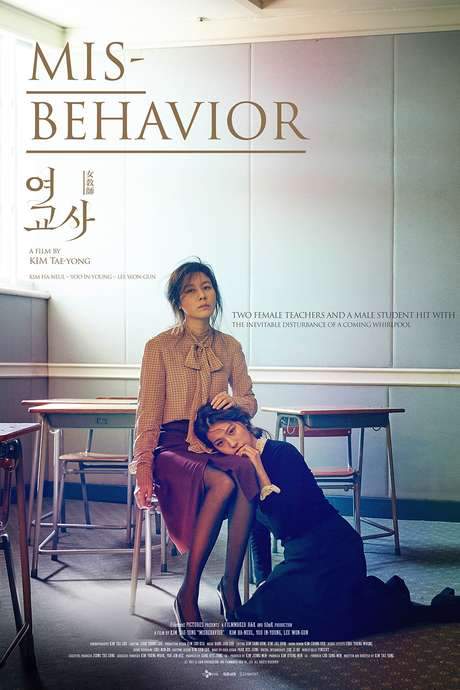
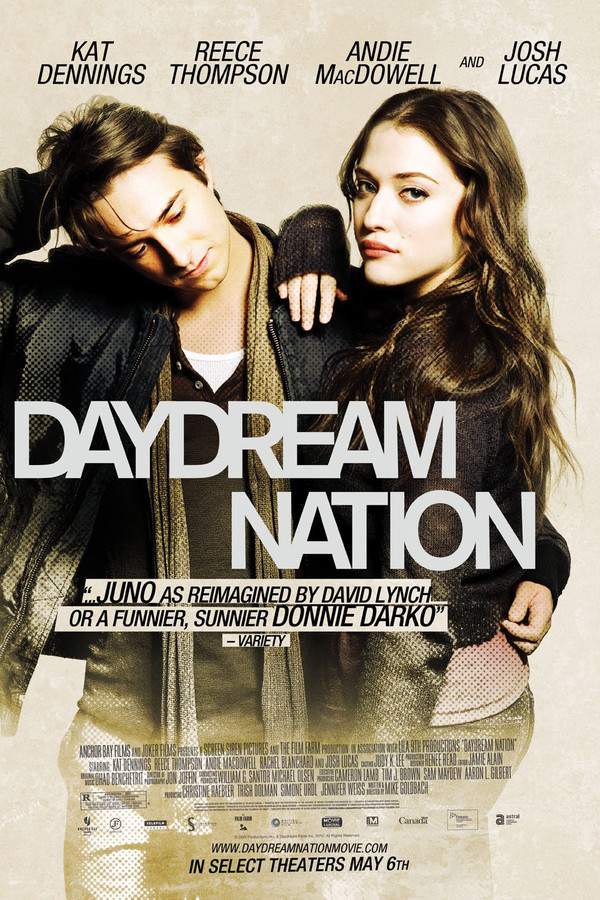
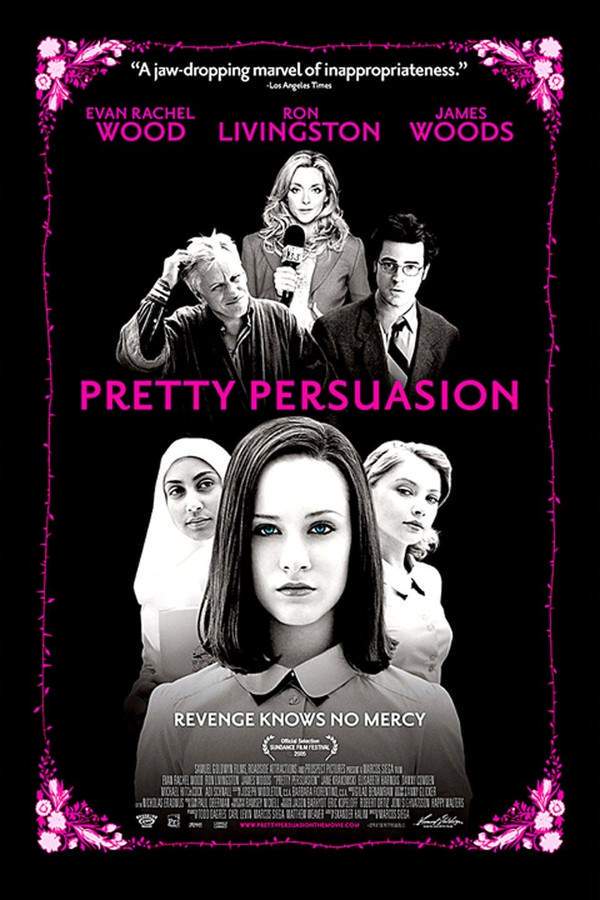
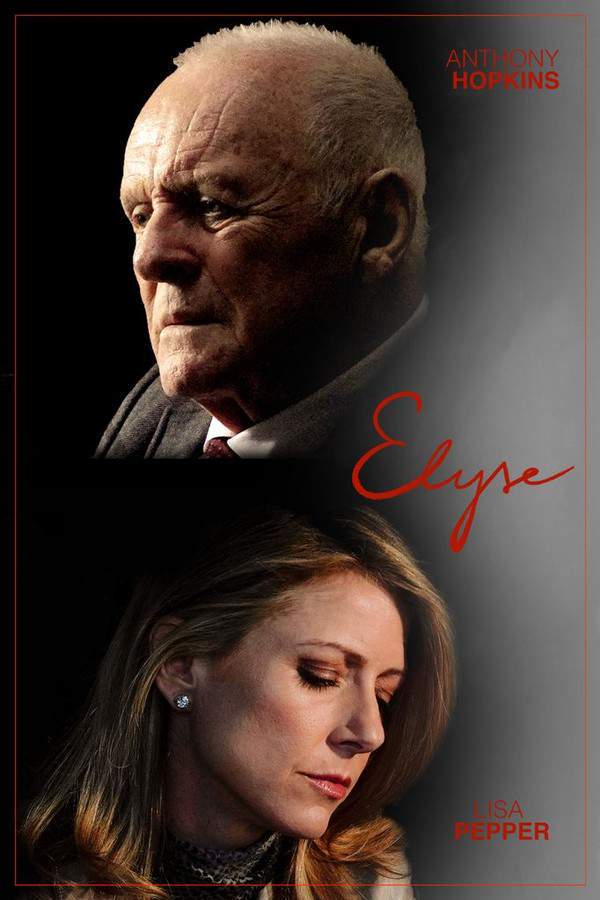
Vulnerable young protagonists navigating dangerously inappropriate relationships with authority figures. If you were captivated by the tense and unsettling relationship in Blue Car, this collection features similar movies. Discover other intense dramas and psychological stories that explore the dangerous territory of inappropriate mentorship and emotional manipulation of vulnerable young adults.

  • uncomfortable
  • tense
  • oppressive
  • vulnerable
  • psychological
  • manipulative
  • Tone: dark, tense, uncomfortable
  • Pacing: steady, character-driven
Why these movies?

The story pattern: Stories typically center on a vulnerable protagonist (often a teenager) who forms a bond with an older mentor, teacher, or authority figure. This relationship initially appears supportive but gradually reveals its manipulative and exploitative core, forcing the young character to confront the power imbalance and reclaim their autonomy, often at great emotional cost.

Why they belong together: These films are grouped by their shared focus on the psychological tension and emotional weight of predatory relationships. They create a similar viewing experience of unease and discomfort, driven by character-driven drama and a steady, relentless pacing that builds to a climactic confrontation or ambiguous resolution.

Movies about grief and artistic expression like Blue Car

Characters use creative outlets to process profound loss and personal trauma. For viewers who appreciated how Blue Car used poetry to explore themes of loss and trauma. This selection features similar dramatic movies where characters channel their grief, family struggles, and inner turmoil into artistic expression as a means of survival and self-discovery.

  • melancholic
  • somber
  • grief-stricken
  • contemplative
  • vulnerable
  • artsy
  • Tone: melancholic, somber, heavy
  • Pacing: steady, contemplative
Why these movies?

The story pattern: The narrative pattern follows a protagonist grappling with a significant personal tragedy or ongoing trauma. Their artistic talent provides a focal point and a potential path to healing or recognition, but the process is fraught with additional challenges, often involving complicated relationships that test their resolve and muddy their artistic vision.

Why they belong together: These movies share a melancholic, somber mood and a heavy emotional weight centered on processing loss. They are connected by the thematic fusion of deep personal grief with the struggle for artistic authenticity, resulting in a steady-paced, intensely emotional viewing experience that is light on humor and high on sadness.

If you liked this

Movies Like Blue Car

Similar movies to Blue Car: the same genre, themes or kind of story. Each one comes with its own plot summary, timeline and ending explained.

Browse all movie summaries

Every angle

Blue Car (2003) Explained: Plot, Timeline & Characters

Everything about Blue Car in one place: what happens in the plot summary, the timeline in chronological order, the characters and meaning and a spoiler-free summary. What's After the Movie adds the cast, box office and post-credit scenes.

Coming soon on iOS and Android

The Plot Explained Movie Summary App

Plot summaries, endings explained and timelines on your phone. Catch up on any movie in minutes, save your favorites and never miss a twist again.

Be the first to know when we launch. Your email stays private, always.

Learn more about the app