
Bloody Mary
Year: 2007
Runtime: 93 mins
Language: English
Director: Richard Valentine
When a group of psychiatric hospital nurses invoke the spirit of Bloody Mary, an urban legend awakens and a ruthless killing spree erupts. The curse is real—her vengeance is lethal, and uttering her name releases the greatest evil, unleashing a wave of fatal terror throughout the facility.
Warning: spoilers below!
Haven’t seen Bloody Mary yet? This summary contains major spoilers. Bookmark the page, watch the movie, and come back for the full breakdown. If you're ready, scroll on and relive the story!
Bloody Mary (2007) – Full Plot Summary & Ending Explained
Read the complete plot breakdown of Bloody Mary (2007), including all key story events, major twists, and the ending explained in detail. Discover what really happened, and what it all means.
In a dimly lit psychiatric hospital, a dare among nightshift nurses kicks off a chilling sequence as the group pushes their colleague Nicole to perform the Mirror Game, a ritual meant to summon the vengeful spirit of Bloody Mary. Nicole steps into the basement, recites the required ritual in front of a mirror, and in a moment darkness erupts—she is violently dragged away and vanishes without a trace. The hospital is left in a state of uneasy silence, with whispers of what lurks in the reflective surface and the sense that something ancient and malevolent has been awakened.
When Nicole goes missing, her sister Natalie Kim Tyler, a determined writer and investigative reporter, decides to take matters into her own hands. She arrives with questions that cut through the surface calm of the facility and begins to uncover a disturbing trail of deaths tied to the spirit of Bloody Mary. Each new life taken bears the mark of the hospital itself, and the methods—hidden, brutal, almost supernatural—grow increasingly alarming as Natalie follows a thread of clues that refuses to align with conventional explanations. Her persistence pushes her into parts of the hospital that most staff prefer to forget, where outdated records and whispered legends hint at a much darker history than anyone is willing to admit.
As Natalie digs deeper, the pieces start to click into a larger, more painful picture. The origin of Bloody Mary is no mere myth; it is entwined with the hospital’s past and with betrayals that festered in the shadows for decades. The investigator discovers that the spirit’s longing and rage are anchored in a deeply personal history—one that implicates the people and events she had once considered distant or irrelevant. The revelation reframes the haunting from a random, malevolent force to a manifestation of unresolved trauma and injustice that has haunted generations, including Natalie’s own family. The narrative balances a chilling supernatural atmosphere with a profound emotional arc as Natalie confronts uncomfortable truths about loyalty, loss, and the hidden wounds carried by loved ones.
The film builds toward a tense, climactic confrontation between Natalie and the vengeful specter. In this final showdown, she must summon courage to face not only the supernatural threat but the long-buried truths about her mother and the family history that made the haunting possible. The tension tightens as old secrets surface, forcing Natalie to weigh forgiveness against justice while navigating the line between memory and vengeance. The outcome hinges on her resolve to break a cycle of pain that began long before she understood its reach, offering a sobering meditation on how the past can shape the present when the past itself refuses to stay buried.
Across its creeping atmosphere and escalating peril, the story remains patient and grounded, letting fear bloom from small, eerie details—the creak of a door in the basement, a reflection that doesn’t quite match reality, a whispered name that resurfaces at the most unexpected moments. It invites viewers to consider how trauma travels through family lines and how truth, even when painful, can become a path to healing. With its steady pace, careful character work, and a reveal that reframes the entire haunting, the film offers a thoughtful, unsettling exploration of memory, guilt, and the lengths we will go to protect those we love.
Last updated: October 09, 2025 at 15:11
Bloody Mary (2007) Plot Questions Answered – Summary FAQ
Explore frequently asked questions about Bloody Mary (2007) with spoiler-rich answers covering the full plot summary, major story beats, character motivations, hidden details, and ending meaning. This movie summary FAQ helps explain confusing scenes, plot twists, and narrative decisions in clear, searchable detail.
Why did the nurses dare Nicole to perform the Mirror Game?
The nightshift nurses dared Nicole to perform the Mirror Game as a form of peer pressure and bravado. In the dimly lit psychiatric hospital basement, the group challenged her to recite the ritual to summon Bloody Mary, likely hoping to prove the urban legend was mere myth. Nicole hesitated but ultimately accepted, driven by curiosity and the need to fit in with her colleagues, which triggered the devastating events that followed.
Earlier in the evening, the nurses had been discussing urban legends, setting up the dare that would unleash the spirit.
What happens when Nicole performs the Mirror Game ritual?
When Nicole completes the ritual in front of the basement mirror, darkness erupts and an icy presence materializes. Nicole is violently dragged away by an unseen force and vanishes completely, leaving only the empty space where she stood. This marks the moment Bloody Mary is officially unleashed upon the hospital, waking an ancient and malevolent spirit that had been dormant.
The atmosphere grows tense as Nicole approaches the mirror, with the air becoming noticeably colder.
Who is Bloody Mary in the film?
Bloody Mary is revealed to be Natalie's mother, whose death stemmed from betrayal and injustice at the psychiatric hospital decades earlier. Her spirit has been haunting the facility seeking justice for the wrongs done to her. This personal connection transforms the haunting from a random supernatural threat into a manifestation of unresolved family trauma and institutional betrayal.
Natalie's investigation leads her to discover unsettling truths about the hospital's past patients and staff.
Why does Bloody Mary target the psychiatric hospital?
Bloody Mary targets the psychiatric hospital because that is where the betrayals and injustices that caused her death occurred. The hospital's dark history includes institutional malpractice, abandoned wards, and flawed decisions that fed her rage. The spirit remains tethered to the location where she was wronged, and the Mirror Game ritual gave her the spiritual foothold she needed to unleash vengeance on those connected to her suffering.
Natalie's research uncovers old records mentioning tragic incidents and abandoned sections of the hospital.
What triggers Bloody Mary to begin killing?
The killing spree begins the moment Nicole completes the Mirror Game ritual and summons Bloody Mary. Speaking her name aloud during the ritual releases the spirit, granting her the power to manifest and kill. Each subsequent death is connected to people associated with the hospital, and the murders escalate in brutality as the spirit's power grows, creating a wave of fatal terror throughout the facility.
The dare itself involves invoking Bloody Mary's name, which the urban legend warns releases her.
How does Natalie survive her confrontation with Bloody Mary?
Natalie survives by standing firm against the spirit and confronting her with the truth about her mother's death. Rather than fighting physically, she uses the painful revelations she's uncovered, the real story of her mother's betrayal and injustice at the hospital, to challenge Bloody Mary's rage. By acknowledging the truth and refusing to deny the past, she disrupts the cycle of vengeance that fueled the ghost's power.
Natalie spends the entire investigation gathering courage and the facts needed for this moment.
Why does confronting the truth stop the haunting?
Confronting the truth stops the haunting because Bloody Mary's rage was rooted in unresolved injustice and the denial of what was done to her. By bringing the hidden history to light and acknowledging the betrayal publicly, Natalie gives the spirit the closure that decades of silence denied. The moment the truth is fully revealed and accepted, the spirit's rage wanes, the killings cease, and the haunting begins to resolve.
The entire investigation is building toward this moment of truth-telling and exposure.
What betrayal created Bloody Mary?
Bloody Mary was created when hospital staff betrayed her, leading to her death through some combination of negligence, malicious intent, or institutional failure. The specific betrayal involved injustice that festered in the shadows of the hospital for decades, a wrong that was covered up and never addressed, leaving her spirit vengeful and unable to rest. This historical injustice becomes the catalyst for the supernatural events that unfold.
Old records and whispered legends hint at tragedies that were quietly buried.
How does Natalie expose the hospital's dark past?
Natalie exposes the hospital's dark past by investigating archives, interviewing former staff, and piecing together clues about the legend's origins. She risks her personal safety to uncover records of tragedies and flawed decisions that the hospital had long suppressed. After the confrontation, she writes a revealing article that exposes the truth about her mother's death and the institution's past, bringing long-hidden secrets to light and breaking the cycle of silence.
Natalie pushes into parts of the hospital that staff prefer to forget, finding outdated records and whispered legends.
Why is the Bloody Mary curse considered real in the film?
The Bloody Mary curse is real because the spirit was genuinely summoned through the ritual and proceeds to kill with supernatural precision. Unlike a mere legend, the film establishes that uttering her name truly does release an ancient evil. The curse operates on specific rules, naming her awakens her, and her vengeance is both lethal and tied to the original wrongs that created her spirit.
The urban legend is treated with dread by hospital staff who clearly believe it has power.
What is the family connection between Bloody Mary and Natalie?
Bloody Mary is Natalie's mother, making the investigation deeply personal. As Natalie uncovers the hospital's past, she discovers that the ghost tormenting the facility is not a random spirit but her own mother wronged by the institution decades earlier. This revelation forces Natalie to confront not only a supernatural threat but also her own family's hidden trauma and the truth about her mother's death.
Natalie feels an unexplained pull toward the case from the beginning, sensing connections others miss.
How does the hospital staff respond to the killings?
The hospital staff descends into fear as the killings escalate, with witnesses reporting cold corridors and visions near the wards. Initially in a state of uneasy silence about what lurks in the reflective surfaces, they become increasingly terrified as the deaths grow more horrific and inexplicable. After the truth emerges, the staff must finally confront the history they helped bury, stepping forward cautiously as the killings stop.
Whispers of what lurks in the reflective surface suggest staff know more than they admit.

Explore Movie Threads
Discover curated groups of movies connected by mood, themes, and story style. Browse collections built around emotion, atmosphere, and narrative focus to easily find films that match what you feel like watching right now.
Supernatural horror in hospitals and asylums like Bloody Mary
Supernatural horrors unleashed within the oppressive walls of hospitals and asylums.If you liked the claustrophobic terror of Bloody Mary, explore more movies where supernatural horror erupts within institutional walls. These films use settings like psychiatric hospitals to create an oppressive atmosphere, blending investigative plots with inescapable supernatural threats.

Return to House on Haunted Hill
2007
Grave Encounters
2011
House on Haunted Hill
1999
Haunted
1995
The Haunting
1999

The Mansion of Madness
1973
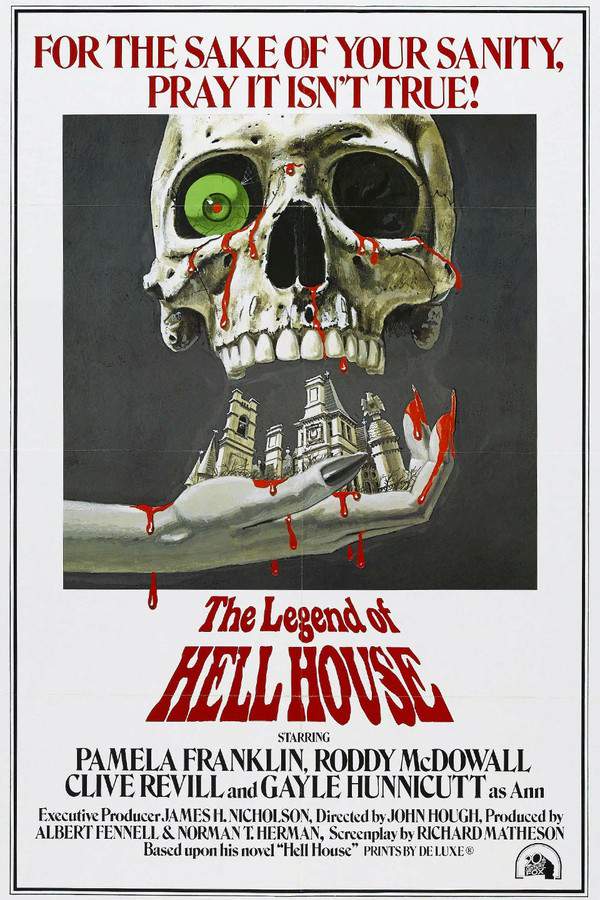
The Legend of Hell House
1973
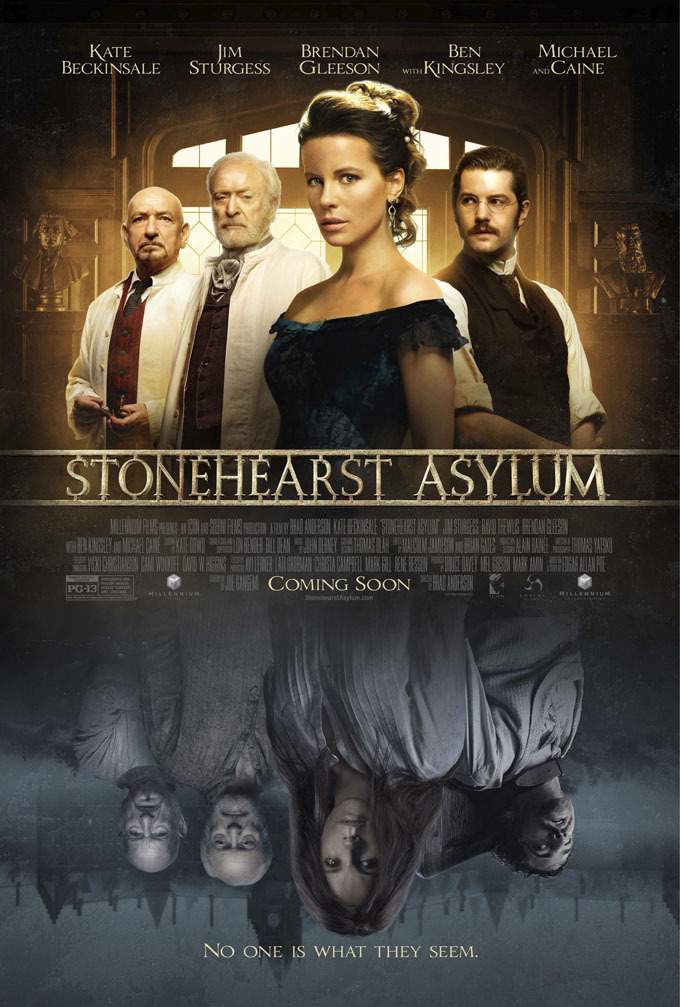
Stonehearst Asylum
2013
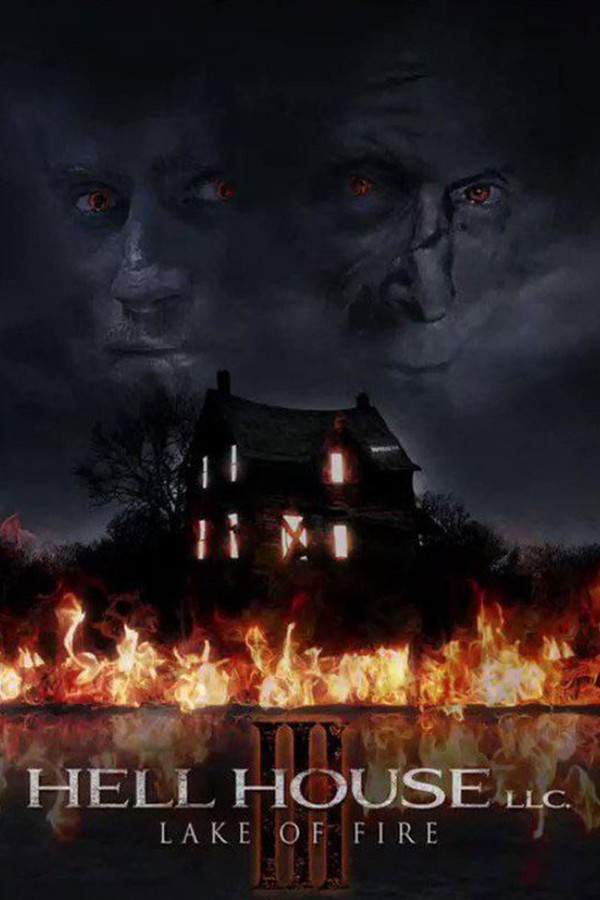
Hell House
2002
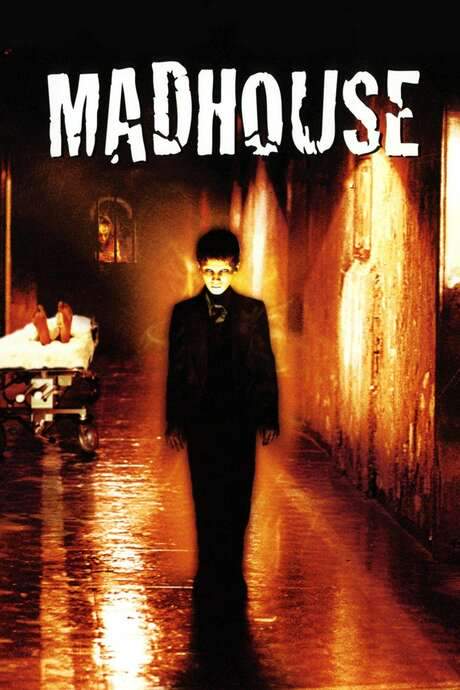
Madhouse
2004
Apparition
2012
Asylum Blackout
2012
Outlast
2023
Haunts
1976

Ghost Story
1974
Narrative Summary
Stories typically begin with characters confined to a specific location that becomes a hunting ground for a supernatural entity. An investigative thread often uncovers a dark past tied to the institution itself, forcing characters to confront a history of trauma or wrongdoing while fighting for survival.
Why These Movies?
They are grouped by their shared setting-as-antagonist trope, the oppressive and atmospheric mood, and the blend of investigative mystery with direct supernatural threats, creating a consistent vibe of confined horror.
Horror movies about confronting family trauma like Bloody Mary
Investigations into a dark past reveal a personal connection to a present supernatural threat.For viewers who appreciated the melancholic family history in Bloody Mary, this collection features horror films where stopping a supernatural threat means uncovering and confronting a painful personal or familial legacy. These stories offer heavy emotional weight and often bittersweet conclusions.

1920: Horrors of the Heart
2023

Sometimes They Come Back
1991
The Cursed
2022
Haunted
1995

303 Fear Faith Revenge
1998
Haunted
1977
Supernatural
1933

Bag of Bones
1000

Buried Secrets
1996
Hellraiser: Bloodline
1996

The Invitation
2003

Wicked Little Things
2006

The Resurrected
1991
Needle
2010

The Haunted Palace
1000
Narrative Summary
The narrative pattern involves an external, often supernatural, threat that serves as a catalyst for an internal, psychological journey. The protagonist follows clues that lead them to a shocking revelation linking the horror directly to their own family's unresolved trauma, forcing a final, costly confrontation with the past to achieve a fragile peace.
Why These Movies?
They share a core narrative structure where horror is intertwined with family drama and themes of inherited pain. The emotional journey from fear to sobering personal reckoning, culminating in a heavy but forward-looking ending, creates a distinct and powerful viewing experience.
Unlock the Full Story of Bloody Mary
Don't stop at just watching - explore Bloody Mary in full detail. From the complete plot summary and scene-by-scene timeline to character breakdowns, thematic analysis, and a deep dive into the ending - every page helps you truly understand what Bloody Mary is all about. Plus, discover what's next after the movie.
Bloody Mary Timeline
Track the full timeline of Bloody Mary with every major event arranged chronologically. Perfect for decoding non-linear storytelling, flashbacks, or parallel narratives with a clear scene-by-scene breakdown.

Characters, Settings & Themes in Bloody Mary
Discover the characters, locations, and core themes that shape Bloody Mary. Get insights into symbolic elements, setting significance, and deeper narrative meaning - ideal for thematic analysis and movie breakdowns.


