Blonde Cobra

Blonde Cobra

Year: 1963

Runtime: 33 mins

Language: English

The film follows a man who, unable to find a reason for living, idly fondles objects, studies his reflection, changes outfits, smiles and makes faces for the camera. A narrated soundtrack voices his despair, offering impressionistic remarks, short songs, quotations from Greta Garbo and Maria Montez, recounts the story of a lonely boy, and tells of a woman named Madame Nescience who dreams of herself as Mother Superior of a convent of sexual perversion.

Warning: spoilers below!

Haven’t seen Blonde Cobra yet? This summary contains major spoilers. Bookmark the page, watch the movie, and come back for the full breakdown. If you're ready, scroll on and relive the story!

Timeline – Blonde Cobra (1963)

Trace every key event in Blonde Cobra (1963) with our detailed, chronological timeline. Perfect for unpacking nonlinear stories, spotting hidden connections, and understanding how each scene builds toward the film’s climax. Whether you're revisiting or decoding for the first time, this timeline gives you the full picture.

1

Introduction: Smith in drag and smoke

The film opens with Smith wearing dresses and makeup, playing with dolls and smoking marijuana. This establishes a provocative, theatrical tone and signals a break from conventional storytelling. The immediate mood is one of performative excess and surreal imagery.

Opening
2

Droning, singing, and improvisational passages

Smith's voice drones and sings, interspersed with cackling and coquettish vocalizations. Critics describe these as languid, quasi-autobiographical rants that weave through disjointed narrative fragments. The sequence emphasizes texture and mood over a straightforward plot.

Early to mid
3

Lonely little boy episode in a vast house

A recurring segment centers on a lonely boy living in a large house with ten rooms. The episode unfolds as a confessional-like vignette, hinting at dark undercurrents and power dynamics. Its unsettling premise has been noted for its potential to repulse viewers due to its provocative themes.

Mid Large, multi-room house
4

Disturbing confession about harming a child

Within the episode, the narrator confessses to a horrific act involving a young boy, presented in a non-graphic but shocking manner. The moment anchors the film in transgression and challenges the audience's boundaries. It contributes to the film's reputation for audacious, troubling content.

Mid Lonely boy's house
5

Shock elements and taboo imagery

The film foregrounds controversial content, including references to necrophilia and the use of strong language. It also features a nun impersonated by Smith revealing a lesbian confession, the visual of a giant dildo, and portrayals of transvestites. These elements reinforce the work's campy, provocative stance.

Mid
6

Quotations and cultural allusions

The dialogue threads weave in quotations such as 'Why shave when I can't think of a reason for living' and 'life is a sad business', invoking Greta Garbo. These lines frame the film's mood and its meditation on existence and artifice, adding a self-aware, referential layer.

Mid
7

Cobra Woman parody through musical interlude

A burlesque rendering of Robert Siodmak's Cobra Woman appears as 'Let's Call the Whole Thing Off', recontextualizing a classic film within the piece's chaotic aesthetic. The sequence blends musical performance with provocative imagery, underscoring the film's cinephilic playfulness and challenge to norms.

Mid
8

Provocative self-exhibition and violent metaphor

In a highly provocative moment, Smith exposes himself to the camera with provocative imagery and confronts sexuality and pain. The scene uses body and symbol to press against taboos, aligning with the film's transgressive posture while inviting intense viewer response.

Towards the end of the middle
9

Scholarly interpretation: camp Rose Hobart

Scholars Hilary Radner and Moya Luckett interpret the film as a camp portrayal of Rose Hobart, placing it within a tradition of self-referential, performative cinema. This reading helps situate the work in a broader framework of avant-garde and feminist cinema studies.

Analysis phase
10

Intertexts and cinema references

The film interweaves pop culture references and cinematic nods, including allusions to Greta Garbo and reinterpretations of classic cinema. These intertexts amplify the work's commentary on artifice, gender, and desire, reinforcing its reputation as a self-conscious, boundary-pushing piece.

Mid to late
11

Final performance and graveyard imagery

The closing sequence has Smith chanting about hunger, despair, and a crummy loft, set against graveyard imagery. He places a toy gun to his head and collapses, with a final title card reading 'Fin'. The finale intensifies the film's fixation on mortality and existential collapse.

Ending On-screen set with graveyard visuals
12

Auditory closer: What went wrong

As the film winds down, Smith wails 'What went wrong? What went wrong?', a refrain that seems to reflect both his survival of a suicide attempt and the movie's unresolved anxieties. The line reinforces the autobiographical, self-scrutinizing core of the piece.

Ending
13

Overall mood: shocking, avant-garde cinema

The work is noted for shocking audiences upon its release, with its dizzying rants and improvisations that defy traditional narrative. Its combination of performance, explicit content, and experimental form places it firmly within the camp avant-garde tradition of transgressive cinema.

Release period

Last Updated: October 07, 2025 at 08:21

Mobile App Preview

Coming soon on iOS and Android

The Plot Explained Mobile App

From blockbusters to hidden gems — dive into movie stories anytime, anywhere. Save your favorites, discover plots faster, and never miss a twist again.

Sign up to be the first to know when we launch. Your email stays private — always.

Explore Movie Threads

Discover curated groups of movies connected by mood, themes, and story style. Browse collections built around emotion, atmosphere, and narrative focus to easily find films that match what you feel like watching right now.

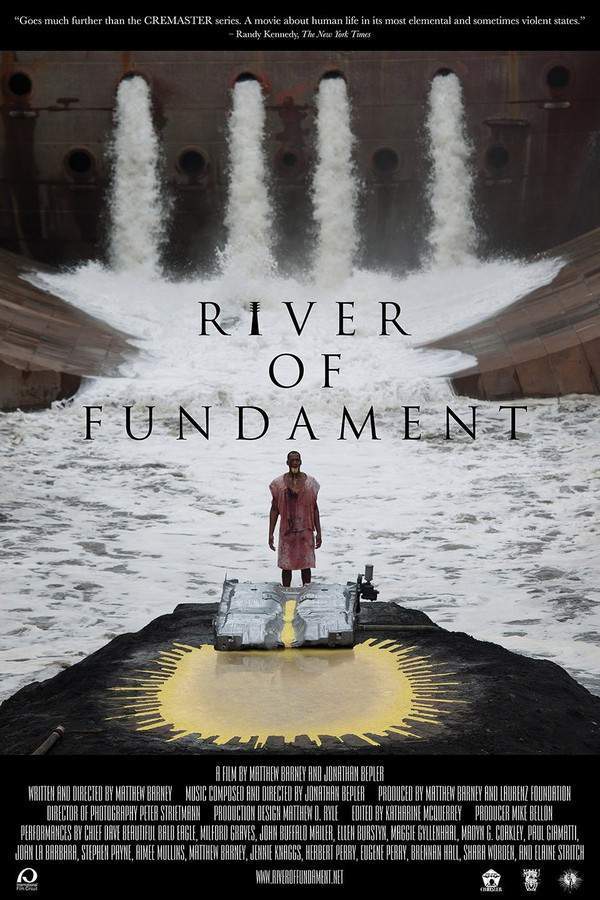
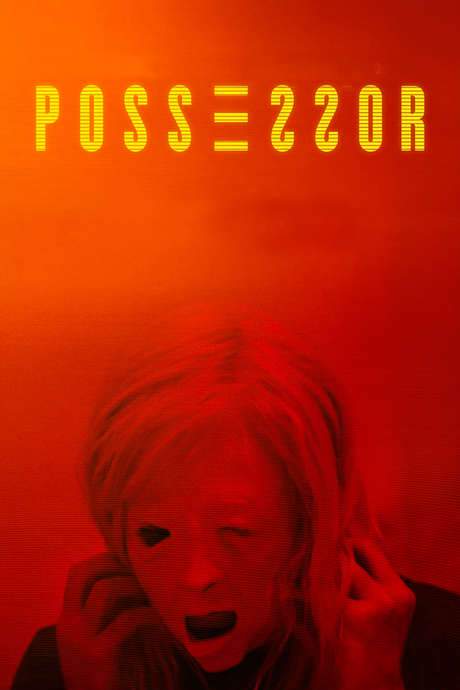
Movies of Existential Despair like Blonde Cobra

Films that plunge you into the mind of characters grappling with profound meaninglessness.For viewers who appreciated the deep existential crisis in Blonde Cobra. These films explore similar themes of profound meaninglessness, psychological torment, and bleak character studies, often using avant-garde techniques to mirror a fractured mental state.

existentialdespairingclaustrophobicunsettlingmelancholichypnoticpsychologicalbleak

Narrative Summary

Narratives in this thread often abandon traditional plot in favor of a psychological portrait. They follow characters trapped in cycles of self-reflection and despair, where the primary conflict is internal. The journey is one of deconstruction rather than growth, typically culminating in a state of hopeless stasis or self-destruction.

Why These Movies?

These films are grouped by their shared, unrelenting focus on the bleakest aspects of the human condition. They create a similar viewing experience through a hypnotic, often slow pace, a high emotional intensity centered on despair, and a willingness to confront disturbing themes without offering catharsis or hope.
Provocative Avant-Garde Films like Blonde Cobra

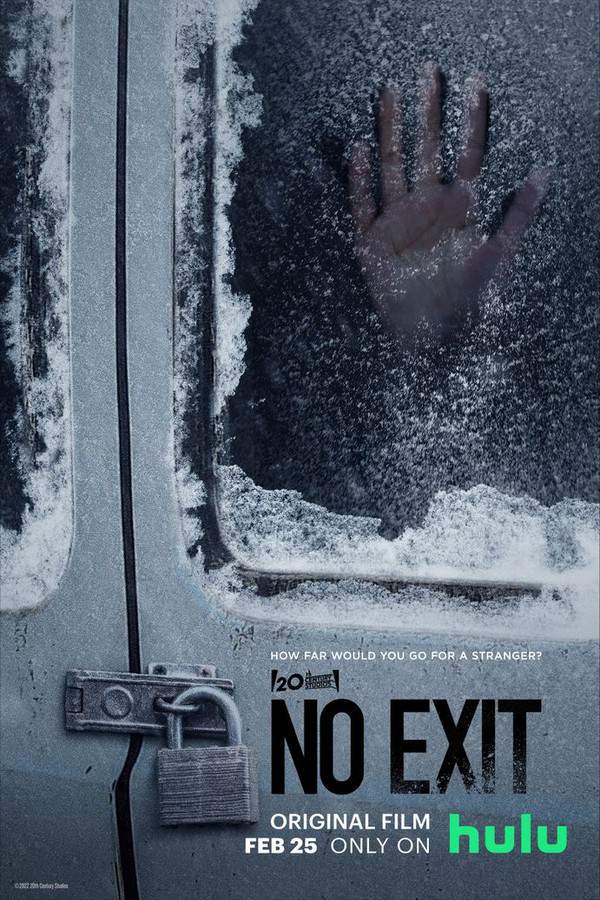
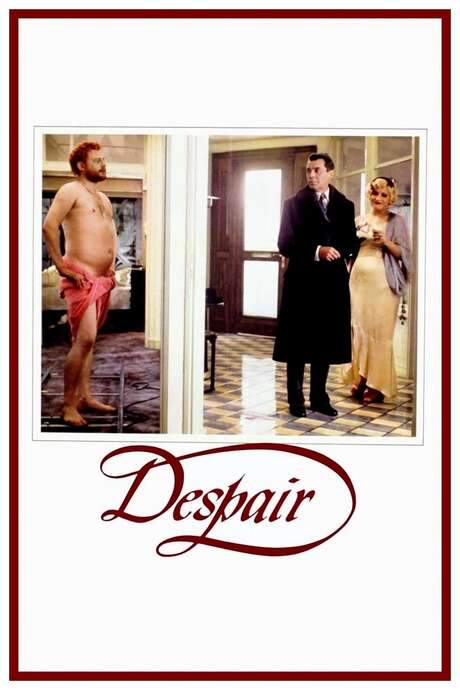
Challenging cinema that breaks form to explore taboo subjects and psychological extremes.If you were captivated by the experimental and provocative nature of Blonde Cobra, this list features similar films that defy narrative conventions. Discover movies that use radical form to explore themes of sexuality, identity, and psychological decay.

provocativeunsettlingexperimentaltransgressivehypnoticanxiousexistentialavant-garde

Narrative Summary

The narrative pattern here is one of deconstruction. These films often lack a linear plot, instead assembling a collage of imagery, sound, and symbolic fragments to convey their themes. The structure itself reflects the content—whether it's a fractured psyche or a critique of societal norms—creating a disorienting but purposeful experience.

Why These Movies?

These films are united by their shared commitment to pushing cinematic and thematic boundaries. They share a high complexity, a dark or tense tone, and a willingness to explore disturbing subject matter. The similarity lies in the intended effect: to provoke a strong, often uncomfortable, emotional and intellectual response.

Unlock the Full Story of Blonde Cobra

Don't stop at just watching — explore Blonde Cobra in full detail. From the complete plot summary and scene-by-scene timeline to character breakdowns, thematic analysis, and a deep dive into the ending — every page helps you truly understand what Blonde Cobra is all about. Plus, discover what's next after the movie.

Blonde Cobra Summary

Read a complete plot summary of Blonde Cobra, including all key story points, character arcs, and turning points. This in-depth recap is ideal for understanding the narrative structure or reviewing what happened in the movie.

Blonde Cobra Summary

Characters, Settings & Themes in Blonde Cobra

Discover the characters, locations, and core themes that shape Blonde Cobra. Get insights into symbolic elements, setting significance, and deeper narrative meaning — ideal for thematic analysis and movie breakdowns.

Characters, Settings & Themes in Blonde Cobra

Blonde Cobra Spoiler-Free Summary

Get a quick, spoiler-free overview of Blonde Cobra that covers the main plot points and key details without revealing any major twists or spoilers. Perfect for those who want to know what to expect before diving in.

Blonde Cobra Spoiler-Free Summary

More About Blonde Cobra

Visit What's After the Movie to explore more about Blonde Cobra: box office results, cast and crew info, production details, post-credit scenes, and external links — all in one place for movie fans and researchers.

More About Blonde Cobra