Plot Explained Spoilers guaranteed!
Plot Explained

Browse by genre

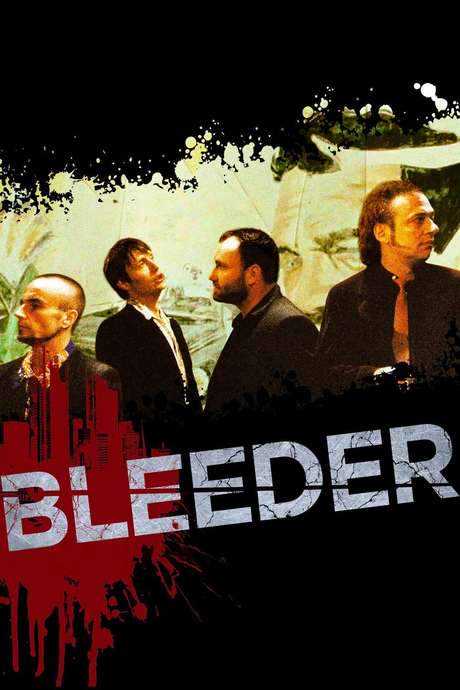
Bleeder (1999) movie poster

Timeline

Bleeder (1999) Timeline Explained – Every Event in Order

Release, runtime and language
1999 · 97 mins · Danish
Directed by
Nicolas Winding Refn
Starring
Mads Mikkelsen, Rikke Louise Andersson, Kim Bodnia, Liv Corfixen, Zlatko Burić, Claus Flygare

Two stories for the price of one: a video store clerk tries to get acquainted with a waitress; a man beats his pregnant wife, unaware that her brother is a violent racist.

On this page (5)
  1. 1 Events in order (14)
  2. 2 Timeline questions answered
  3. 3 Movie threads
  4. 4 Movies like Bleeder
  5. 5 Every angle

14 events in order · contains spoilers

Bleeder Timeline: Events in Chronological Order

Every key event of Bleeder (1999) in order, scene by scene, with when and where it takes place. Use it to untangle flashbacks, time jumps and parallel storylines, to refresh your memory before the sequel or to find the exact scene you are thinking of.

  1. Life in Nørrebro: Leo and Lenny

    Leo and Lenny are two friends living in Nørrebro, Copenhagen. Leo shares a rundown apartment with his girlfriend Louise, while Lenny works at a video store run by Kitjo. Lenny is a shy film expert who enjoys arthouse cinema.

    Where
    Nørrebro, Copenhagen
  2. Louise's pregnancy triggers Leo's aggression

    When Louise reveals she is pregnant and wants to keep the baby, Leo's behavior grows increasingly aggressive. The tension between Leo and Louise intensifies, casting a shadow over their home. Lenny notices the growing strain in his friends' lives.

    Where
    Leo's apartment
  3. Witnessing a club beating

    At a club, Leo, Lenny, and Louis witness a brutal beating. The incident unsettles them and foreshadows the violence to come within their circle. The event deepens the sense of danger surrounding their relationships.

    Where
    Club, Copenhagen
  4. Lenny pursues Lea; cinema plan collapses

    Lenny tries to date Lea, who works at a local grill bar. After a few casual encounters, she agrees to go to the cinema with him. When he actually arrives at the cinema, he cannot bring himself to approach her and leaves alone.

    Where
    Cinema
  5. Movie night with friends

    Leo, Lenny, Kitjo, and Louis meet up to watch films together. The evening reinforces their bonds while revealing the tensions beneath the surface. Their shared cinephilia contrasts with the personal turmoil each of them hides.

    Where
    Leo's apartment
  6. Drug store stop exposes Louis's racism

    During a quick visit to a drug store, Louis reveals an aggressive racist attitude. The moment sparks a heated argument among the friends and exposes fault lines in their group. The tension from this encounter lingers into later events.

    Where
    Drug store
  7. Domestic violence escalates; threats arise

    In despair, Leo hits Louise at home. Louis confronts the situation and issues threats, escalating the danger around them. The domestic violence marks a turning point in the group’s dynamics.

    Where
    Louise's apartment
  8. Leo pulls a gun and threatens Louis

    At another movie night, Leo pulls out a gun and threatens Louis. The outburst demonstrates how far Leo has descended and the peril facing everyone nearby. The moment leaves the group tense and on edge.

    Where
    Leo's apartment
  9. Leo vents his despair to Lenny

    Leo berates Lenny for his lifestyle and expresses disgust with his own life, feeling trapped in a dead end. The confrontation reveals the depth of Leo's emotional collapse. Lenny stands by, watching a friend unravel.

    Where
    Leo's apartment
  10. Second assault; Louise loses the baby

    Leo hits Louise again, causing her to lose the baby. The act brutalizes the family and cements Leo's downward spiral. The consequences ripple through the remaining friends.

    Where
    Louise's apartment
  11. Louis retaliates with HIV-infected blood

    Louis takes gruesome revenge by injecting HIV-infected blood into Leo's body. The act is intended to harm Leo and escalate the feud. The violence becomes irreversible and fatal.

    Where
    Not specified
  12. Louis is shot and Leo commits suicide

    Leo retaliates by shooting Louis, and then kills himself. The blood feud culminates in a tragic double tragedy. Kitjo and Lenny must face the collapse of their circle.

    Where
    Leo's apartment
  13. Funeral visit; Lenny can't go

    Kitjo brings Lenny to Leo's funeral, but Lenny cannot bring himself to attend. The absence marks the distance created by the tragedy. The event closes the circle with unresolved loss.

    Where
    Funeral, Copenhagen
  14. Lenny reconnects with Lea

    After the funeral, Lenny seeks Lea again and asks her out a second time. She is hesitant but ultimately agrees to go with him. The scene hints at a fragile glimmer of hope amid the darkness.

    Where
    Lea's grill bar

Last updated: February 17, 2026 at 19:57

Was this helpful?

Timeline questions answered

Bleeder Timeline Explained: Your Questions Answered

When does it happen, and why in that order? The questions people ask about the chronology of Bleeder (1999): time jumps, flashbacks, cause and effect between scenes and the correct order of events, each answered with spoilers.

Q1

Why does Leo become violent after Louise gets pregnant?

Leo feels trapped by the pregnancy. He's already living in poverty with Louise, and the news of a coming baby intensifies his sense of being stuck in a dead-end life. Rather than facing this fear and responsibility, his frustration manifests as anger toward Louise. The pregnancy represents everything he's running from, and his inability to cope leads to aggression.

Foreshadowing: Earlier scenes show Leo expressing disgust with his own life and feeling trapped in his grim apartment.

  • leo
  • louise
  • pregnancy
  • domestic violence
  • poverty
  • frustration
Q2

Why does Louis inject Leo with HIV-infected blood?

Louis discovers that Leo physically assaulted his sister Louise, causing her to lose the baby. Seeking revenge for harming his sister, Louis deliberately infects Leo with HIV-infected blood as a calculated act of biological warfare. It's meant to be the ultimate revenge - not just hurting Leo, but giving him a fatal, lifelong disease.

Foreshadowing: The drug store scene establishes Louis's capacity for extreme violence and his willingness to use any means necessary.

  • louis
  • hiv
  • blood
  • revenge
  • infection
  • violence
Q3

Why does Leo shoot Louis and then kill himself?

After Louis injects him with HIV-infected blood, Leo is consumed by rage and despair. He sees no way out of the cycle of violence that has destroyed his relationship and killed his unborn child. He shoots Louis in revenge, then turns the gun on himself. The double tragedy completes his downward spiral - he's lost everything and sees death as the only escape.

Foreshadowing: Leo previously pulled a gun on Louis during movie night, showing he's capable of lethal action.

  • leo
  • louis
  • shooting
  • suicide
  • revenge
  • hiv
  • despair
Q4

Why does Lenny not attend Leo's funeral?

Lenny is overwhelmed by the tragedy and the distance that has grown between him and Leo. He watched his friend descend into violence but felt powerless to stop it. The guilt and emotional weight of everything that happened - the domestic violence, the revenge, the deaths - is too much for him to face. He cannot bring himself to say goodbye to the friend he lost.

Foreshadowing: Throughout the film, Lenny often stands by silently as Leo's situation worsens, never intervening in the conflicts.

  • lenny
  • funeral
  • guilt
  • grief
  • absence
  • emotional breakdown
Q5

Why does Leo pull a gun on Louis during movie night?

Tensions between Leo and Louis have been building - Louis's racist attitudes offended everyone, but his confrontations with Leo specifically about the domestic violence situation pushed Leo over the edge. Leo feels attacked from all sides and sees Louis as another threat to his crumbling life. The gun is a manifestation of how far he's fallen and how dangerous the atmosphere in the group has become.

Foreshadowing: The drug store scene already showed Louis's aggressive, inflammatory personality causing conflicts.

  • leo
  • louis
  • gun
  • threat
  • movie night
  • tension escalation
Q6

Why does Lenny leave the cinema instead of meeting Lea?

Lenny is extremely shy and lacks confidence in romantic situations. Despite having asked Lea out and her agreeing to meet him at the cinema, he can't overcome his own social anxiety. He actually arrives at the cinema but cannot bring himself to approach her, choosing to leave alone rather than face potential rejection.

Foreshadowing: Lenny's character is established as shy and perceptive but socially hesitant, spending more time watching films than engaging with people.

  • lenny
  • lea
  • cinema
  • shy
  • dating
  • anxiety
  • missed connection
Q7

How does Louis's racism contribute to the violence in the story?

Louis's racist outburst at the drug store reveals his volatile, aggressive personality and creates friction within the friend group. This incident strains relationships and adds tension between Louis and Leo. It establishes Louis as someone capable of extreme prejudice and violence, which makes his later act of injecting Leo with HIV-infected blood more believable - he's willing to use any method, however malicious, to hurt someone he opposes.

Foreshadowing: The drug store scene explicitly shows Louis's racist attitudes and sets up his capacity for extreme revenge.

  • louis
  • racism
  • drug store
  • conflict
  • prejudice
  • violence escalation
Q8

What happens to Louise after Leo's second assault?

Leo assaults Louise a second time, and this violent attack causes her to lose the baby. The pregnancy that initially created tension between them is now over, but through violence rather than choice. This tragedy deepens Leo's descent and marks the point of no return in the relationship - the violence has destroyed not just their future as a family but any possibility of reconciliation.

Foreshadowing: The first assault already showed the pattern of violence, and Louise's pregnancy was the catalyst for Leo's growing aggression.

  • louise
  • baby
  • loss
  • assault
  • violence
  • pregnancy
Q9

Does Lenny end up with Lea at the end of the movie?

At the end of the film, Lenny finds Lea at her grill bar and asks her out again. Despite her initial hesitation, she agrees to give him another chance. This marks a rare moment of hope in an otherwise bleak story - Lenny manages to overcome his shyness and pursue connection rather than retreat into isolation like he did at the cinema.

Foreshadowing: Lenny's earlier failed attempt to meet Lea at the cinema shows his struggle with dating, making this second chance meaningful.

  • lenny
  • lea
  • grill bar
  • date
  • hope
  • connection
  • second chance
Q10

How do Lenny's and Leo's stories connect in the movie?

Lenny and Leo are best friends living in the same neighborhood, and their lives constantly intersect through shared friends like Kitjo and movie nights. While Lenny's story focuses on his quiet romantic pursuit of Lea and his love of films, Leo's story spirals into domestic violence and tragedy. The two narratives parallel each other - Lenny's timid attempt at connection versus Leo's destructive path - and eventually collide at the funerals and aftermath, where Lenny must confront the violence that consumed his friend.

Foreshadowing: Early scenes establish both men as friends who hang out and share a love of cinema.

  • lenny
  • leo
  • connection
  • friendship
  • parallel stories
  • neighborhood

Movie threads

More Movies Like Bleeder, by Mood & Story

Curated lists built around what makes Bleeder tick: the same mood, the same kind of story or the same emotional payoff. Each list explains why these movies belong together.

Movies about bleak urban despair and downward spirals like Bleeder

Stories of characters trapped in cycles of violence and hopelessness in gritty urban settings. If you were gripped by the grim atmosphere and tragic spiral of violence in Bleeder, this thread features similar movies. Find other intense dramas exploring toxic masculinity, domestic turmoil, and the crushing weight of urban life, all delivering a heavy emotional impact.

  • grim
  • oppressive
  • brutal
  • despairing
  • urban decay
  • downward spiral
  • Tone: bleak, brutal, oppressive
  • Pacing: steady, methodical build
Why these movies?

The story pattern: These narratives typically follow characters as they succumb to the pressures of their environment, often involving domestic conflict, revenge, and a clear, irreversible descent. The storylines build methodically toward a climax that offers no redemption, solidifying a sense of hopelessness.

Why they belong together: Movies in this thread share a consistently bleak tone, high emotional intensity, and a focus on the dark underbelly of urban existence. They are united by their uncompromising portrayal of characters in a downward spiral, making for a cohesive experience of despair and social commentary.
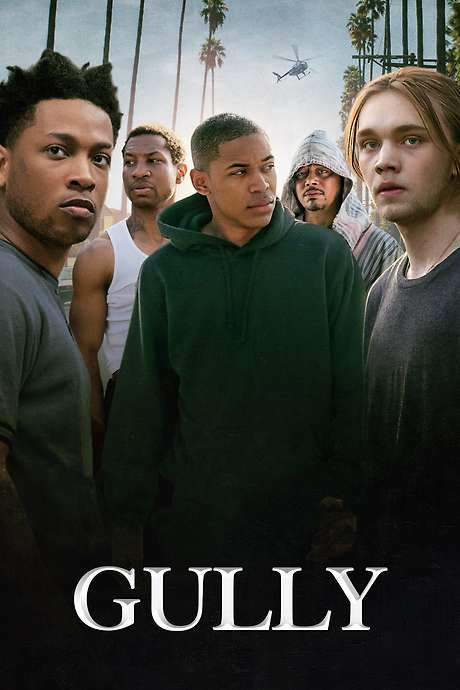
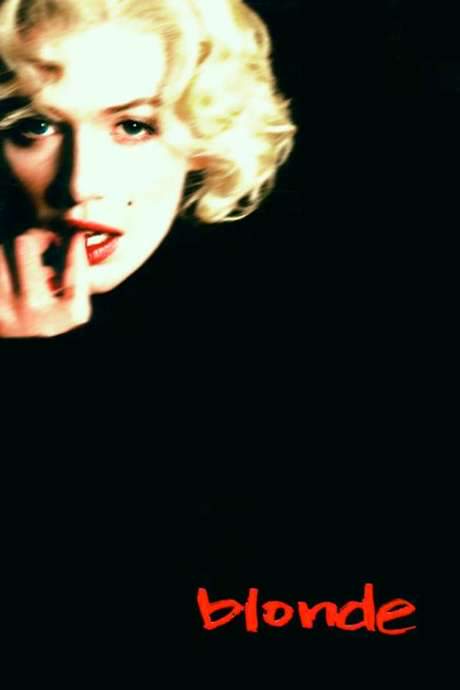
Movies with intertwined character vignettes like Bleeder

Multiple character stories collide in a raw and emotionally charged narrative tapestry. Bleeder masterfully tells two connected stories that build to a shocking climax. If you liked this narrative structure, explore more movies that interweave multiple character arcs. These dramas often feature gritty realism, intense emotions, and plots where seemingly separate lives collide with powerful force.

  • gritty
  • intertwined
  • tense
  • realistic
  • dramatic
  • character-driven
  • Tone: bleak, tense, realistic
  • Pacing: steady, converging arcs
Why these movies?

The story pattern: The narrative pattern involves following two or more distinct character arcs that initially seem separate but become critically interconnected as the plot progresses. The pacing is steady, allowing each thread to develop before they converge, often in a climactic and emotionally resonant event.

Why they belong together: These films are grouped by their shared structure of interconnected vignettes and their ability to generate high tension and emotional weight through the collision of different perspectives. They often share a gritty, realistic tone and a focus on the unintended consequences of human actions.

If you liked this

Movies Like Bleeder

Similar movies to Bleeder: the same genre, themes or kind of story. Each one comes with its own plot summary, timeline and ending explained.

Browse all movie summaries

Every angle

Bleeder (1999) Explained: Plot, Timeline & Characters

Everything about Bleeder in one place: what happens in the plot summary, the timeline in chronological order, the characters and meaning and a spoiler-free summary. What's After the Movie adds the cast, box office and post-credit scenes.

Coming soon on iOS and Android

The Plot Explained Movie Summary App

Plot summaries, endings explained and timelines on your phone. Catch up on any movie in minutes, save your favorites and never miss a twist again.

Be the first to know when we launch. Your email stays private, always.

Learn more about the app