Plot Explained Spoilers guaranteed!
Plot Explained

Browse by genre

Beware of Pity (1946) movie poster

Timeline

Beware of Pity (1946) Timeline Explained – Every Event in Order

Release, runtime and language
1946 · 102 mins · English
Directed by
Maurice Elvey
Starring
Ralph Truman, Gladys Cooper, Jenny Laird, Lilli Palmer, Cedric Hardwicke, Anthony Dawson

A paraplegic baroness mistakes a man’s pity for love - and tragedy ensues.

On this page (5)
  1. 1 Events in order (12)
  2. 2 Timeline questions answered
  3. 3 Movie threads
  4. 4 Movies like Beware of Pity
  5. 5 Every angle

12 events in order · contains spoilers

Beware of Pity Timeline: Events in Chronological Order

Every key event of Beware of Pity (1946) in order, scene by scene, with when and where it takes place. Use it to untangle flashbacks, time jumps and parallel storylines, to refresh your memory before the sequel or to find the exact scene you are thinking of.

  1. Framing device in post-war Britain

    The film opens in post-World War II Britain with an older Anton Marek giving romantic advice to a young man. He then begins recounting a memory from his past, signaling a shift into a long flashback. The frame sets up a contrast between memory and present-day perspectives on love and regret.

    When
    Post-World War II
    Where
    Britain
  2. Marek as a lieutenant in Austro-Hungarian cavalry

    In the days before the First World War, Lieutenant Marek is assigned to an Austro-Hungarian cavalry regiment stationed in a small town. There he meets Baroness Edith de Kekesfalva, a paraplegic heiress whose spirit has been dampened by a riding accident. Her presence brightens the household and catches the attention of her hosts.

    When
    Pre-World War I
    Where
    Small town, Austro-Hungarian Empire
  3. Edith's opportunity through Marek

    The Baron asks Marek to keep Edith company, hoping to lift her morale. Dr. Albert Condor, a determined physician, is consulted and begins to observe Edith's improvement as linked to Marek's companionship. Marek remains largely unaware of Edith's budding feelings.

    When
    Pre-World War I
    Where
    Kekesfalva mansion
  4. Condor's hopeful treatment and Edith's affection

    Condor points to a possible Swiss treatment that might restore Edith's ability to walk, while Edith falls in love with Marek. Marek, cautious and unknowing, is swept by the changes around him. The family clings to a fragile hope, even as Condor urges patience.

    When
    Pre-World War I
    Where
    Kekesfalva mansion and medical discussions
  5. The promise and the truth

    Marek's enthusiasm about the treatment leads Edith to reveal her love openly, but Condor later informs him that the treatment cannot help. The realization shatters Edith's hope and leaves Marek filled with guilt. Marek begins to confront the consequences of his role in Edith's romantic hopes.

    When
    Pre-World War I
    Where
    Kekesfalva mansion, medical clinic
  6. Marek's deception

    Unable to face the social scandal, Marek publicly denies any engagement with Edith. His fellow officers question his loyalty and reason, increasing the pressure on his reputation. The baron's household braces for the fallout.

    When
    Pre-World War I
    Where
    Baron de Kekesfalva's household; officer's quarters
  7. The confrontation and transfer

    When confronted by his commanding officer, Marek admits the truth to minimize scandal, and is transferred to a faraway unit. The physical separation from Edith marks a turning point in the memory and foreshadows the tragedy to come. The decision reshapes his future in the war.

    When
    Pre-World War I
    Where
    Military headquarters
  8. Klara's intervention

    Marek returns to Condor's home to find the doctor away; Klara, Condor's blind wife, speaks with him and urges him to recognize that he may love Edith after all. Her quiet counsel plants a possible future with Edith, though it's not yet realized. This moment hints at the inner conflict Marek would face.

    When
    Pre-World War I
    Where
    Condor's home
  9. The blocked call and the world changing

    Marek attempts to telephone Edith to clear the air, but civilian lines are barred because of the assassination of Archduke Franz Ferdinand that same day. The moment underscores the collapsing prewar calm and the rapid approach of war. Marek must set off for military duties.

    When
    Day of Archduke's assassination (1914)
    Where
    Kekesfalva area
  10. The train to report for duty

    With war looming, Marek boards a train to report for duty with his new unit, while Klara promises to see Edith and clear things up. The journey marks a countdown to the war that will redefine all their lives.

    When
    Same day (1914)
    Where
    Train
  11. Edith's rooftop despair

    Edith, alone on the family mansion's rooftop terrace, has heard of Marek's denial and loses trust in everyone. Unable to reconcile with her sorrow, she wheels herself to the edge and dies by suicide. Her death closes the memory in tragedy.

    When
    Same day (1914)
    Where
    Mountainside mansion rooftop terrace
  12. Frame returns to the present

    The memory ends as the framing device returns to the present; Marek's tale leaves the young man and the audience with questions about love, responsibility, and the cost of avoidance. The film shifts back to the present-day conversation and the unsettled past.

    When
    Post-memory return
    Where
    Britain (frame)

Last updated: October 09, 2025 at 11:15

Was this helpful?

Timeline questions answered

Beware of Pity Timeline Explained: Your Questions Answered

When does it happen, and why in that order? The questions people ask about the chronology of Beware of Pity (1946): time jumps, flashbacks, cause and effect between scenes and the correct order of events, each answered with spoilers.

Q1

Why does Edith de Kekesfalva fall in love with Lieutenant Marek?

Edith falls in love with Marek because her emotional hope became intertwined with his presence. Marek was kind and spent time with her, which lifted her spirits after her paraplegic injury. Dr. Condor observed that her hope seemed to come from the possibility of Marek loving her back, though Marek himself remained unaware of her feelings. She mistook his pity and companionship for romantic love.

Foreshadowing: Condor notes early on that Edith's spirit lifts specifically around Marek, hinting at her developing feelings.

  • Edith
  • Marek
  • love
  • pity
  • paraplegic
  • hopes
Q2

Why does Marek mention the Swiss treatment if it cannot help Edith?

Marek mentions the treatment enthusiastically without knowing it cannot help. He hears about a promising treatment in Switzerland and shares it with the family, not realizing it is impossible. Condor had urged caution and wanted to investigate further before raising hopes, but Marek's casual mention already planted the seed of hope in Edith.

Foreshadowing: Condor warns that the treatment requires more investigation before sharing it with the family.

  • Swiss treatment
  • Condor
  • medical
  • hope
  • Edith
Q3

Why does Marek publicly deny his engagement to Edith?

Marek denies the engagement to avoid scandal and protect Edith's reputation. He was a military officer concerned about social standing and the baron's household honor. Rather than admit the truth and face consequences, he chooses denial, which ultimately crushes Edith's hope and directly contributes to her tragedy.

Foreshadowing: Marek's commanding officer questions his loyalty and arranges a transfer after confronting him.

  • denial
  • scandal
  • reputation
  • Marek
  • engagement
Q4

What causes Edith de Kekesfalva to commit suicide?

Edith commits suicide after learning that Marek publicly denied their engagement. Alone on the rooftop terrace, she becomes overwhelmed by heartbreak and despair, having lost trust in everyone around her. The combination of shattered hope from the failed treatment and the public rejection becomes too much for her to bear.

Foreshadowing: Edith begins mistrusting the world after hearing of Marek's denial, which sets the tragedy in motion.

  • Edith
  • suicide
  • despair
  • denial
  • rooftop
Q5

Why is the Archduke Franz Ferdinand assassination relevant to the story?

The assassination of Archduke Franz Ferdinand occurs on the exact day Marek attempts to telephone Edith. Because of the national crisis, civilian telephone lines are blocked, preventing Marek from calling to clear up the misunderstanding. This historical event creates the tragic timing that prevents reconciliation, while simultaneously paralleling the personal collapse with the world's descent into war.

Foreshadowing: The timeline explicitly marks this as the day everything changes.

  • Archduke
  • assassination
  • war
  • blocked call
  • timing
Q6

Why does Marek get transferred to a distant military unit?

Marek's commanding officer arranges the transfer after confronting him about the scandal with Edith. When Marek admits the truth to minimize damage to his reputation, the officer transfers him to a faraway unit. This physical separation marks a turning point and removes him from Edith's life at the most critical moment.

Foreshadowing: The commanding officer questions Marek's loyalty and reasons before arranging the transfer.

  • transfer
  • commanding officer
  • scandal
  • war
  • military
Q7

What does Klara Condor tell Marek about his feelings?

Klara, the blind wife of Dr. Condor, tells Marek that he may indeed love Edith after all. When Marek seeks Condor's counsel but finds only Klara home, she helps him recognize the possible truth he had been denying. This realization prompts Marek to attempt calling Edith, though the attempt fails due to the assassination chaos.

Foreshadowing: Klara's insight helps Marek understand his own emotions for the first time.

  • Klara
  • blind
  • love
  • truth
  • Condor
Q8

Why does the older Marek tell this story in the present day?

The older Anton Marek tells this tragic story as a cautionary tale about the consequences of denying one's true feelings. Speaking to a young man in post-war Britain, he reflects on his past choices with deep regret. The frame narrative establishes that he has carried this guilt for decades, suggesting he never overcame the tragedy of Edith's death.

Foreshadowing: The frame opens with Marek giving romantic advice, immediately establishing the theme of learning from past mistakes.

  • frame
  • regret
  • memory
  • past
  • confession
Q9

What is the central theme of pity versus love in the film?

The film explores how pity can be mistaken for love, with devastating consequences. Marek feels genuine compassion for Edith's situation and spends time with her to help, but Edith interprets this kindness as romantic affection. The tragic misunderstanding stems from one person offering pity while the other receives it as love, leading to false hope and ultimately suicide.

Foreshadowing: The title itself, 'Beware of Pity,' signals this central misunderstanding.

  • pity
  • love
  • misunderstanding
  • theme
  • hope
Q10

Why is Edith de Kekesfalva confined to a wheelchair?

Edith became paraplegic after a horse-riding accident. This injury left her unable to walk and fundamentally changed her life, leaving her spirits dampened. Her father, Baron Emil de Kekesfalva, desperately seeks any treatment that might help her regain mobility, which drives much of the plot's emotional tension.

Foreshadowing: The film establishes her injury early, explaining why she is confined to the household.

  • paraplegic
  • horse accident
  • wheelchair
  • Edith
  • injury

Movie threads

More Movies Like Beware of Pity, by Mood & Story

Curated lists built around what makes Beware of Pity tick: the same mood, the same kind of story or the same emotional payoff. Each list explains why these movies belong together.

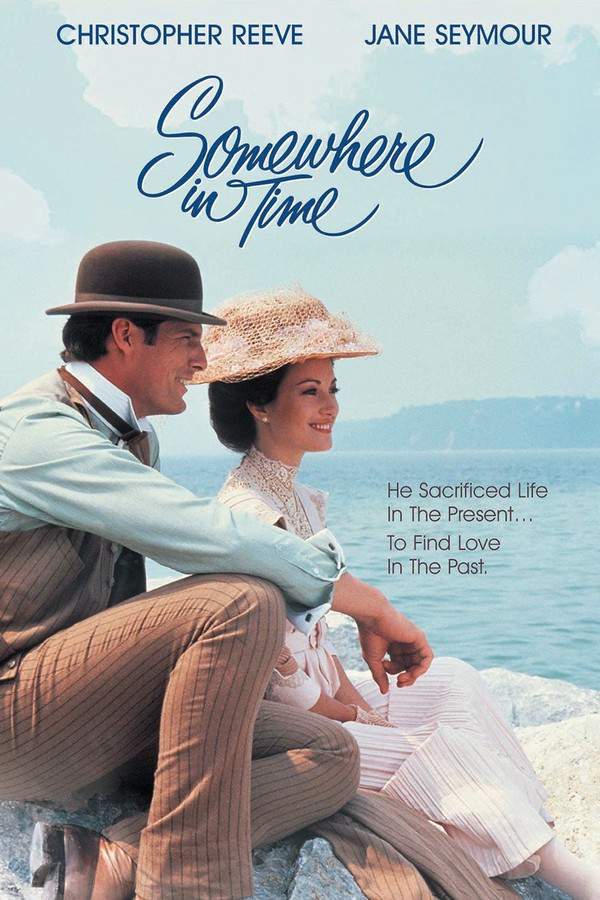
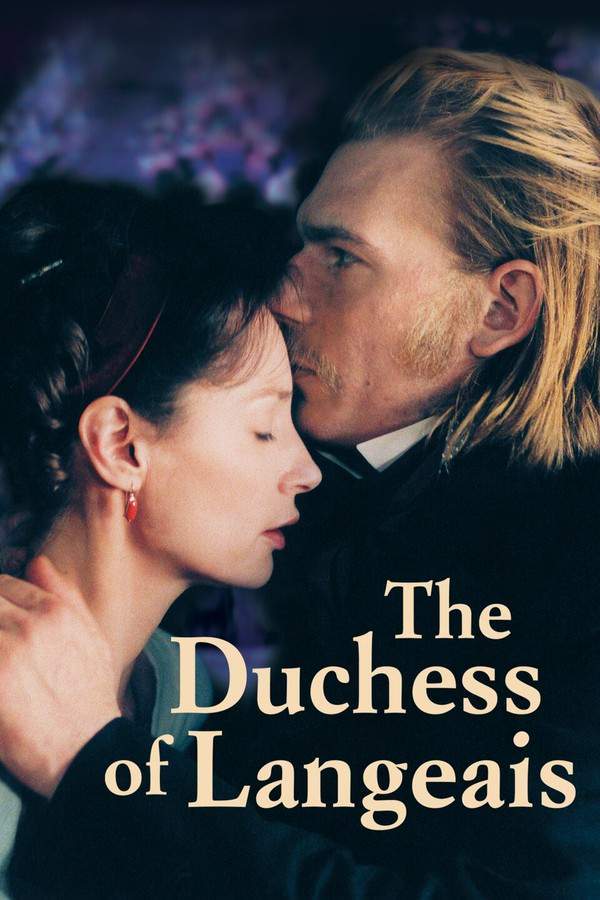
Movies about tragic romantic misunderstandings like Beware of Pity

Stories where a simple misunderstanding of affection spirals into unavoidable tragedy. If you were captivated by the devastating consequences of mistaken love in Beware of Pity, explore these similar drama and romance stories. This collection features films where a simple misinterpretation of pity, duty, or affection escalates into an unavoidable tragedy, often based on literary works.

  • tragic
  • regretful
  • somber
  • fatalistic
  • romantic tension
  • guilty
  • Tone: melancholic, tragic, regretful
  • Pacing: steady, deliberate
Why these movies?

The story pattern: The narrative pattern follows a linear, often fatalistic, progression. A character acts out of pity, obligation, or a momentary kindness, which is misinterpreted as deep romantic love by another. The protagonist becomes trapped in a lie they feel unable to correct, leading to escalating emotional dependence and ultimately a tragic outcome, reinforcing themes of guilt and regret.

Why they belong together: Movies are grouped here for their shared focus on the destructive power of misinterpreted emotions. They share a melancholic tone, a steady pacing that allows the misunderstanding to fester, and a heavy emotional weight stemming from the irreversible consequences of characters failing to communicate their true feelings.
Dramas about moral guilt and responsibility like Beware of Pity

Character-driven dramas where a single choice leads to a lifetime of regret. For viewers who appreciated the profound exploration of guilt in Beware of Pity, this list features similar heavy dramas. These films follow characters grappling with the devastating consequences of their actions or inactions, often featuring a reflective tone and stories centered on ethical dilemmas and personal responsibility.

  • guilty
  • reflective
  • somber
  • tragic regret
  • moral dilemma
  • responsibility
  • Tone: somber, reflective, guilty
  • Pacing: steady, character-driven
Why these movies?

The story pattern: The narrative journey typically begins with a critical decision made under social pressure or compassion. The story then meticulously unravels the consequences, focusing on the protagonist's growing sense of guilt and powerlessness to reverse the situation. The structure is often straightforward, emphasizing the emotional and psychological toll rather than complex plotting, culminating in a conclusion that underscores the permanence of their regret.

Why they belong together: These films are united by their intense focus on a character's internal struggle with guilt and responsibility. They share a heavy emotional weight, a reflective and somber mood, and a steady pacing that allows the audience to feel the cumulative weight of the protagonist's dilemma. The ending is typically sad or bleak, reinforcing the themes.

If you liked this

Movies Like Beware of Pity

Similar movies to Beware of Pity: the same genre, themes or kind of story. Each one comes with its own plot summary, timeline and ending explained.

Browse all movie summaries

Every angle

Beware of Pity (1946) Explained: Plot, Timeline & Characters

Everything about Beware of Pity in one place: what happens in the plot summary, the timeline in chronological order, the characters and meaning and a spoiler-free summary. What's After the Movie adds the cast, box office and post-credit scenes.

Coming soon on iOS and Android

The Plot Explained Movie Summary App

Plot summaries, endings explained and timelines on your phone. Catch up on any movie in minutes, save your favorites and never miss a twist again.

Be the first to know when we launch. Your email stays private, always.

Learn more about the app