Plot Explained Spoilers guaranteed!
Plot Explained

Browse by genre

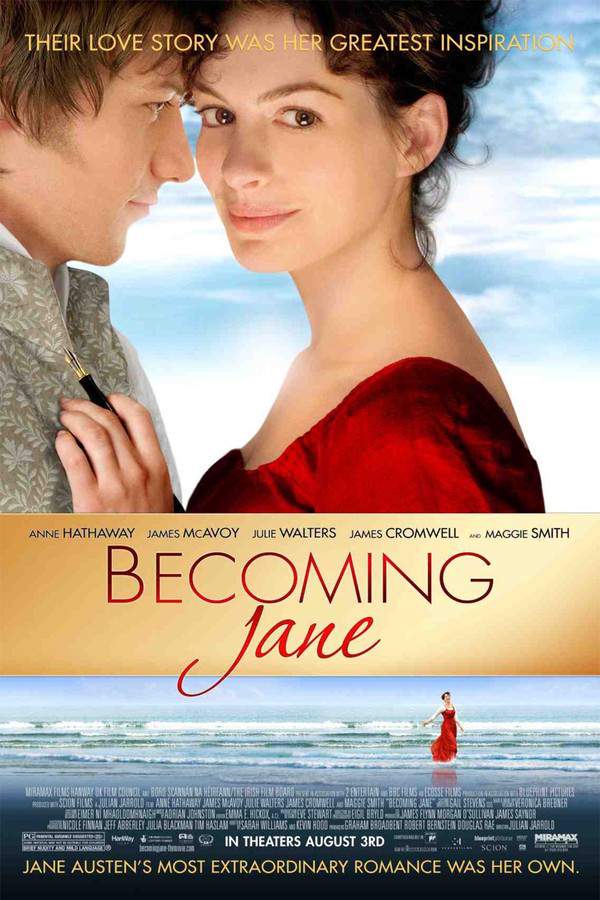
Becoming Jane (2007) movie poster

Plot Summary

Becoming Jane (2007) Plot Summary Explained

Release, runtime and language
2007 · 120 min · English
JustWatch #31,584 5
Directed by
Julian Jarrold
Starring
Anne Hathaway, Julie Walters, James McAvoy

A spirited young Jane Austen challenges the conventions of her time, finding herself drawn to Tom Lefroy, a charming and intelligent lawyer. Their connection blossoms amidst the constraints of family and social standing, providing Jane with inspiration and a deeper understanding of love and human nature, which would later influence her beloved novels. The story explores the early experiences that shaped one of literature’s most celebrated authors.

On this page (6)
  1. 1 Where to watch
  2. 2 What happens: full plot
  3. 3 Plot questions answered
  4. 4 Movie threads
  5. 5 Movies like Becoming Jane
  6. 6 Every angle

Where to watch

Where to Watch Becoming Jane (2007)

Where can you watch Becoming Jane? Stream, rent or buy it in the US, including on Hoopla, Kanopy and Amazon Video: current JustWatch availability with up-to-date prices.

Streaming availability powered by JustWatch

Full plot summary · contains spoilers

What Happens in Becoming Jane: Full Plot Summary

The whole story of Becoming Jane (2007) explained, from the opening scene to the final frame: every key event, every twist and what it all adds up to. Read it as a quick recap before the sequel, to check a scene you missed, or to finally understand what really happened.

Jane Austen, the youngest daughter of Reverend George Austen and his wife Cassandra, faces the challenge of finding a suitable husband amidst her aspirations of becoming a writer, much to her father's delight and her mother's dismay.

In this quest, she encounters Thomas Lefroy, a promising young lawyer known for his tarnished reputation, facilitated by his uncle's decision to send him to the countryside to improve his behavior. Their first meeting is rather unfortunate, as Thomas nearly dozes off during one of Jane's readings. When she overhears his dismissive remarks about her work, Jane finds herself irked by the arrogant Irishman.

Despite other suitors, including Mr. Wisley, who is the wealthy Lady Gresham's nephew, Jane demurs from romantic involvement, feeling no affection towards him. As fate would have it, Thomas and Jane cross paths again, leading to a series of engaging arguments. Their contentious relationship gradually transforms into one blooming with mutual interest; Thomas, intriguingly, begins to respect Jane's literary dreams.

Together with her brother Henry and her affluent cousin Eliza, Comtesse de Feullide, they conspire to secure an invitation to visit Thomas's wealthy great uncle, Judge Langlois. This visit to London is planned as a brief respite during their journey to see Jane's brother Edward, and it is hoped that it will garner the Judge's approval of their potential union.

While staying at the Judge’s estate, inspiration strikes Jane amidst sleepless nights, leading her to begin her seminal work, First Impressions, which would later transform into Pride and Prejudice. However, a letter arrives revealing the financial struggles of Jane's family, prompting the Judge to refuse to bless the union. He expresses his disdain, indicating he would rather see Thomas live as he had been, rather than allow him to marry into a family with such genteel poverty.

Heartbroken, Jane is left devastated when Thomas confesses that due to his family's financial dependencies, he cannot marry her. In the wake of such news, Jane reluctantly accepts Mr. Wisley's proposal. However, as circumstances unfold, Thomas realizes his love for Jane is too profound to bear solitude, prompting him to return and ask her to elope. He exclaims, > "What value will there be in life, if we are not together?"

Jane initially agrees, yet as she discovers Thomas’s familial obligations, she realizes they cannot elope. She expresses to him, "Yes, but if our love destroys your family, then it will destroy itself, in a long, slow degradation of guilt and regret and blame."

After returning home, Jane is proposed to by John Warren but rejects him, accusing him of having a hand in thwarting her happiness. Meanwhile, Lady Gresham informs her that Mr. Wisley has rescinded his proposal. In a final exchange with Wisley, they part amicably.

Two decades later, Jane, now an acclaimed novelist and contentedly unmarried, reconnects with Thomas at a gathering. Henry has married Eliza and introduces Thomas, who brings his eldest daughter, named after Jane herself. In a moment of nostalgic surprise, Jane agrees to read aloud, delighting everyone, including Thomas, who watches her with a fond gaze. The scene closes with Thomas’s daughter listening attentively as Jane reads from Pride and Prejudice, their eyes meeting in a shared understanding of a deep, unexpressed love.
Last updated: November 08, 2024 at 16:35

Was this helpful?

Plot questions answered

Becoming Jane Plot Explained: Your Questions Answered

The questions people ask most about Becoming Jane (2007): what happens in the confusing scenes, why the characters do what they do, the twists, hidden details and what the ending means. Each answer contains spoilers.

Q1

Why did Thomas Lefroy dismiss Jane's writing when they first met?

Thomas initially dismissed Jane's work because he had been sent to the countryside by his uncle to improve his behavior, and he approached the reading with a dismissive, almost careless attitude. His remarks about her writing were arrogant and thoughtless, reflecting both his tarnished reputation and the social expectation that a young woman writing was unusual. However, his opinion shifts dramatically as he gets to know Jane better and recognizes her genuine literary talent.

Foreshadowing: Earlier in the film, Jane reads her work aloud to her family, showing her father supports her ambitions, establishing her serious commitment to writing.

  • thomas lefroy
  • jane austen
  • writing
  • dismissive
  • first impression
Q2

Why couldn't Thomas marry Jane despite loving her?

Thomas couldn't marry Jane because he was financially dependent on his family's support, particularly from his wealthy great uncle Judge Langlois. When the Judge learned about Jane's family's financial struggles - termed "genteel poverty" - he refused to bless the union and threatened to cut Thomas off financially. Thomas confessed that due to his family's financial dependencies, he simply could not marry her, even though he loved her deeply.

Foreshadowing: The Judge's initial willingness to consider the match, contingent on Jane's family circumstances, hints at the ultimate rejection based on financial considerations.

  • thomas lefroy
  • marriage
  • financial dependence
  • judge langlois
  • family obligations
Q3

Why did Judge Langlois refuse to bless Jane and Thomas's union?

Judge Langlois refused to bless the union because he discovered Jane's family was facing financial difficulties. Upon learning of their "genteel poverty," he expressed disdain for the match, stating he would rather see Thomas live as he had been rather than allow him to marry into a family with such limited means. The Judge's approval was essential since Thomas relied on his financial support.

Foreshadowing: The trip to London was specifically planned to secure the Judge's approval, showing how critical his blessing was to the relationship's future.

  • judge langlois
  • refusal
  • financial troubles
  • genteel poverty
  • blessing
Q4

Why did Jane accept Mr. Wisley's proposal after Thomas left?

Jane accepted Mr. Wisley's proposal because she was devastated by Thomas's confession that he could not marry her due to family obligations. Feeling that love had been lost and believing Thomas had abandoned her, Jane reluctantly accepted Wisley's proposal as what she perceived to be her only remaining option for security and social standing.

Foreshadowing: Mr. Wisley had been a persistent suitor throughout the film, offering Jane a conventional and financially secure match, which her mother had strongly favored.

  • mr wisley
  • proposal
  • acceptance
  • despair
  • thomas departure
Q5

Why did Jane refuse to elope with Thomas despite wanting to be with him?

Jane refused to elope because she realized their love would destroy Thomas's family through "a long, slow degradation of guilt and regret and blame." She understood that if they eloped against his family's wishes, Thomas would be cut off financially, and the guilt of causing his family's suffering would destroy their happiness over time. Her love for him was profound enough that she chose to let him go rather than cause lasting damage to his family bonds.

Foreshadowing: Earlier, Jane had witnessed the consequences of financial pressure on relationships, particularly through her own family's struggles.

  • elopement
  • refusal
  • family destruction
  • guilt
  • thomas lefroy
  • love sacrifice
Q6

What inspired Jane to begin writing First Impressions at Judge Langlois's estate?

Jane was inspired to begin writing First Impressions during sleepless nights while staying at Judge Langlois's estate in London. The quiet,压力的环境 and the intellectual stimulation from her conversations with Thomas, combined with her emotional turmoil, sparked her creativity. The experience of falling in love itself became the foundation for what would later become Pride and Prejudice.

Foreshadowing: Jane's literary ambitions were established early in the film, with her father supporting her dream of becoming a writer.

  • first impressions
  • inspiration
  • london
  • writer
  • pride and prejudice
  • judge langlois estate
Q7

Why did Mr. Wisley withdraw his proposal to Jane?

Mr. Wisley withdrew his proposal after learning that Jane's heart belonged to Thomas Lefroy. Lady Gresham informed Jane that Wisley had rescinded his proposal. While the exact details of how he discovered her feelings are not specified, it is clear he recognized that Jane did not love him and chose to release her from the engagement.

Foreshadowing: Throughout their interactions, Jane consistently demonstrated a lack of romantic affection toward Wisley, remaining distant despite his persistent interest.

  • mr wisley
  • withdrawal
  • proposal
  • love
  • respect
Q8

Why did Thomas name his daughter after Jane decades later?

Thomas named his eldest daughter after Jane as a lasting tribute to the profound love they shared. When they reunite two decades later at a gathering, Thomas introduces his daughter to Jane, and the moment carries deep emotional significance - a physical embodiment of the love that never fully faded, now immortalized in his child's name.

Foreshadowing: Their final scene together, with Thomas watching Jane read from Pride and Prejudice and their eyes meeting in shared understanding, reinforces the enduring nature of their connection.

  • thomas daughter
  • jane
  • name
  • decades later
  • tribute
  • love
Q9

Why did Thomas return to ask Jane to elope after initially leaving?

Thomas returned because he realized his love for Jane was too profound to bear the solitude of a life without her. In a desperate moment, he asked her to elope, declaring "What value will there be in life, if we are not together?" His realization came too late, however, as Jane had already decided their love would destroy his family if acted upon.

Foreshadowing: Thomas's gradual respect for Jane's literary dreams throughout their relationship demonstrated his growing emotional investment.

  • thomas return
  • elopement
  • love
  • realization
  • desperation
Q10

Why did Jane reject John Warren's proposal after returning home?

Jane rejected John Warren's proposal and accused him of having a hand in thwarting her happiness. Her anger toward Warren suggests she believed he had somehow interfered with her chance at happiness, possibly through his connections or actions that contributed to Thomas's departure or the Judge's decision.

Foreshadowing: Warren's proposal comes on the heels of Jane's devastating realization that she cannot be with Thomas.

  • john warren
  • rejection
  • proposal
  • accusation
  • interference

Movie threads

More Movies Like Becoming Jane, by Mood & Story

Curated lists built around what makes Becoming Jane tick: the same mood, the same kind of story or the same emotional payoff. Each list explains why these movies belong together.

Stories of Bittersweet Romantic Compromise like Becoming Jane

Passionate affairs that ultimately yield to societal pressure and duty. This collection features movies like 'Becoming Jane' where profound love is tested by societal constraints. If you enjoyed the poignant balance of heartfelt romance and sobering reality in Jane Austen's story, you'll find similar emotional journeys here, exploring the sacrifices made for duty and the legacy of a transformative 'what if'.

  • romantic longing
  • bittersweet
  • melancholic
  • reflective
  • constrained
  • nostalgic
  • Tone: bittersweet, melancholic, reflective
  • Pacing: steady, character-driven
Why these movies?

The story pattern: The narrative pattern follows two characters who share a powerful intellectual and emotional bond, often challenging the norms of their time. Their love story progresses with genuine hope, but culminates in a mature, heart-wrenching decision to part ways for a greater good or unavoidable circumstance, leaving a bittersweet but formative mark on their lives.

Why they belong together: These movies are grouped by their shared emotional core: a romance that is both deeply fulfilling and ultimately unattainable. They resonate because they explore love not as a fantasy, but as a complex force that shapes character through sacrifice, resulting in a tone that is equally hopeful and melancholic.

Movies About Artistic Inspiration Like Becoming Jane

Stories where personal loss and longing become the catalyst for great art. Discover films similar to 'Becoming Jane' that depict how personal heartbreak fuels artistic creation. These biographical and fictional stories show characters transforming their deepest sorrows into literature, music, or art, offering a hopeful yet poignant look at the personal cost behind great works.

  • artistic
  • inspiring
  • reflective
  • nostalgic
  • bittersweet
  • melancholic
  • Tone: bittersweet, hopeful, reflective
  • Pacing: steady, biographical
Why these movies?

The story pattern: These narratives follow a budding artist or writer whose life is relatively conventional until a passionate, transformative experience alters their perspective. The central conflict involves choosing between personal fulfillment and their creative calling, with the story suggesting that the hardship itself was necessary to forge their unique voice and legacy.

Why they belong together: These films share a focus on the transformative power of emotional pain. They connect through the theme that great art often springs from personal sacrifice, creating a specific vibe that mixes the sorrow of loss with the triumph of creation, all within a steady, reflective pacing.

If you liked this

Movies Like Becoming Jane

Similar movies to Becoming Jane: the same genre, themes or kind of story. Each one comes with its own plot summary, timeline and ending explained.

Browse all movie summaries

Every angle

Becoming Jane (2007) Explained: Plot, Timeline & Characters

Everything about Becoming Jane in one place: what happens in the plot summary, the timeline in chronological order, the characters and meaning and a spoiler-free summary. What's After the Movie adds the cast, box office and post-credit scenes.

Coming soon on iOS and Android

The Plot Explained Movie Summary App

Plot summaries, endings explained and timelines on your phone. Catch up on any movie in minutes, save your favorites and never miss a twist again.

Be the first to know when we launch. Your email stays private, always.

Learn more about the app