Plot Explained Spoilers guaranteed!
Plot Explained

Browse by genre

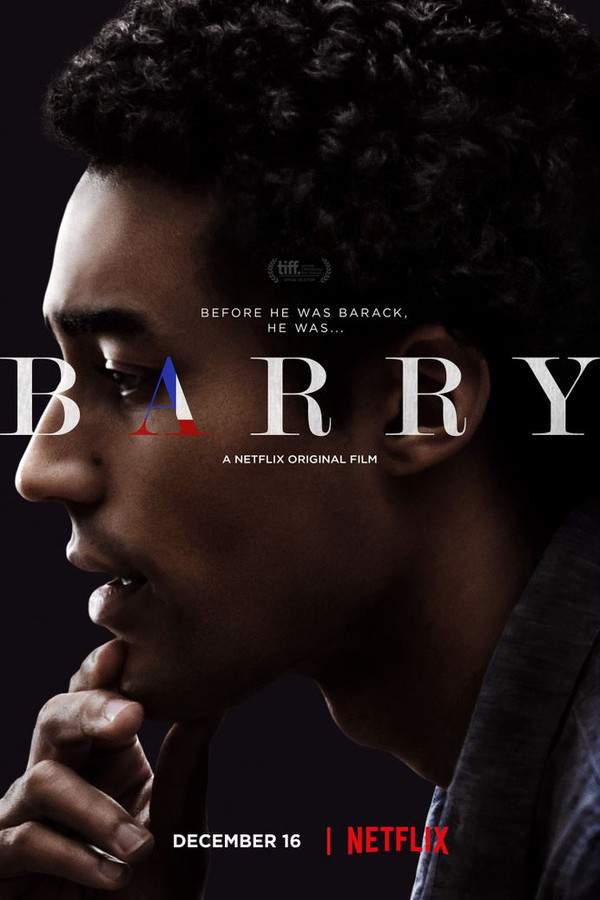
Barry (2016) movie poster

Plot Summary

Barry (2016) Plot Summary Explained

Release, runtime and language
2016 · 104 min · English
Loading streaming availability…
Directed by
Vikram Gandhi

In 1981, a young Barack Obama, nicknamed "Barry," attends Columbia University in New York City. As he adjusts to college life, he confronts the challenges of racial tensions and social unrest. Barry explores his identity, struggling to reconcile his upbringing in Kansas with the heritage of his estranged Kenyan father and the diverse perspectives of his classmates. He searches for a sense of belonging during a pivotal period of self-discovery.

On this page (6)
  1. 1 Where to watch
  2. 2 What happens: full plot
  3. 3 Plot questions answered
  4. 4 Movie threads
  5. 5 Movies like Barry
  6. 6 Every angle
Loading streaming availability…

Full plot summary · contains spoilers

What Happens in Barry: Full Plot Summary

The whole story of Barry (2016) explained, from the opening scene to the final frame: every key event, every twist and what it all adds up to. Read it as a quick recap before the sequel, to check a scene you missed, or to finally understand what really happened.

In 1981, a 20-year-old named Barry—often called Barry by friends and family—arrives in New York City to begin his studies at Columbia University, transferring from Occidental College. He faces the sudden challenge of not being able to contact his expected roommate, Will, and ends up spending his first night wandering the streets. The next day, a familiar connection helps him settle in: Saleem, a man he met at a party months earlier, opens his apartment to him, and soon Barry begins living off-campus on 109th Street with Will.

As they navigate the city together, Barry meets his neighbors and adjusts to life in a bustling urban environment. In class, he participates in thoughtful debates about philosophy and American society, trying to carve out a place where he belongs. Though he engages with his coursework, Barry often feels like an outsider, a sensation that lingers as he tries to reconcile his own identity with the world around him. In a political science course, he meets Charlotte, a kind, thoughtful classmate who is drawn to debates as well, and the two gradually grow closer, eventually dating after a night out a club with friends from Columbia.

During this period, Barry's outlook on politics and life begins to narrow into a larger question of belonging. In a TV debate watched with Charlotte, she urges him to lean into his civic duties, while he admits his deepest passions lie more with art than with politics. This tension—between art and activism, personal history and public responsibility—defines much of his experience in New York. They take a late-day date through Central Park, and Barry learns more about life in the city through conversations with friends like PJ, who hints at his own ambitions and the realities of financial futures on Wall Street.

Around Thanksgiving, Charlotte invites Barry to meet her family, and later asks him to attend her sister’s wedding. He agrees, though he remains unsettled by his own history and how to present it to others. In Harlem, Barry witnesses the stark contrasts of Black life in the city—from intimate conversations with friends about culture and literature, including W. E. B. Du Bois’s The Souls of Black Folk, to a jarring confrontation involving a white woman and a group of Black Hebrew Israelites. The moment underscores the complexities of identity and belonging in a city that offers both opportunities and challenges.

A moment of vulnerability comes when Barry tries to write a long-delayed letter to his father in Kenya but struggles to find the right words. When Charlotte and Barry return to Saleem’s apartment, they are surprised to find Barry’s mother, Ann Dunham, there. They go to a movie and stroll through Central Park, where Barry confesses his uncertainty about where he fits in. Ann’s warmth helps, but the answers aren’t fully satisfying, leaving Barry to confront a deeper question about who he is.

The wedding weekend brings new insight as Barry meets Charlotte’s parents, Kathy and Bill, and learns more about their views and expectations. He explains his early life, describing the mix of races and places he has called home—Hawaii, Indonesia, California—but Charlotte remains guarded, feeling he rarely reveals personal details. A tense moment arises when a confrontation with a neighbor’s friend leads to anger, and Barry and Charlotte grow distant.

On the day of a long walk in Harlem, Barry feels the weight of being seen with a white woman in a neighborhood that notices such things, leading to a strained lunch and a subsequent argument. Charlotte tells him she loves him, and his quiet response—“thank you”—signals a shift in their relationship. The next day, Barry joins PJ and the basketball crew at a party in Harlem, where he learns about housing projects and meets Denise, an attractive woman who later becomes a source of trouble when her boyfriend accuses Barry of flirting with her. A later confrontation with a security guard named Eddie results in Barry being racially profiled and challenged to show his student ID, triggering a heated exchange with a white classmate, Thad, who acts as a foil in this moment of racial tension.

Back on campus, Barry goes to Charlotte’s apartment, where a wound on his face becomes a reminder of the night’s fatigue and the fragility of their relationship. Charlotte refuses a hookup, but tries to comfort him; their bond strains as they navigate honesty and distance. A fight-filled morning after brings a frank, painful awareness of how their worlds clash.

A few days later, the wedding day arrives, and Barry receives news that his father has died in a car accident. The announcement shatters him, and he remains quiet as the realities of loss settle in. At the wedding, James and Grace Lee Boggs—an older mixed-race couple who played a role in civil rights activism—offer Barry guidance. They remind him that he is American first and that he does not need to choose a singular social identity; they encourage him to carry forward the legacy of those who came before, and to let hope guide his path. Their words begin to soothe his inner turmoil and help him find a measure of peace.

In the dance that follows, it seems Barry and Charlotte may part ways, but instead he steps outside to read the letter he had intended for his father, a moment of quiet reflection that signals a shift toward openness. A few days later, Barry reconnects with his sense of purpose through a simple, hopeful moment: he plays HORSE with a younger boy who resembles him, answering the boy’s question about his origin with a candid declaration. “I’m from a lot of places, but I live here now,” Barry says, signaling a more confident sense of belonging in the city he now calls home.

> "asshole"

> "I'm from a lot of places, but I live here now."
Last updated: October 09, 2025 at 16:23

Was this helpful?

Plot questions answered

Barry Plot Explained: Your Questions Answered

The questions people ask most about Barry (2016): what happens in the confusing scenes, why the characters do what they do, the twists, hidden details and what the ending means. Each answer contains spoilers.

Q1

Why does Barry feel like an outsider at Columbia University?

Barry struggles with belonging because of his complex racial and cultural background. Born to a white American mother and Black Kenyan father, raised in Hawaii and Indonesia, he feels disconnected from both Black and white communities. At Columbia, he wrestles with identity questions that his mixed heritage creates, making him feel invisible and adrift in a city and campus where he can't easily fit into any single social group.

Foreshadowing: Earlier, PJ nicknames Barry 'The Invisible Man' while playing basketball, a moniker that reflects his deeper sense of invisibility due to his racial ambiguity.

  • Barack Obama
  • identity
  • outsider
  • Columbia University
  • racial identity
Q2

What happens to Barry's father in the movie?

Barry learns during Charlotte's sister's wedding that his father, Barack Obama Sr., has died in a car accident in Kenya. This devastating news arrives unexpectedly during what should be a joyful celebration, and Barry withdraws emotionally from the festivities. The loss represents the final opportunity for Barry to reconcile with his estranged father, leaving him with unresolved feelings about their complicated relationship.

  • Barack Obama Sr.
  • father death
  • car accident
  • Kenya
  • wedding
Q3

Why does Barry struggle to write a letter to his father?

Barry has avoided contacting his father for years due to the pain of their estrangement. His father left when Barry was young, and their relationship has been marked by disappointment and distance. When Barry finally tries to write in Central Park, he can't find the right words, symbolizing how difficult it is for him to confront this unresolved relationship and his own feelings of abandonment.

  • letter
  • father
  • Kenya
  • estrangement
  • writing
Q4

Why does Barry say "thank you" when Charlotte tells him she loves her?

Barry's quiet "thank you" in response to Charlotte's "I love you" reveals his emotional guardedness and difficulty with vulnerability. Rather than reciprocating, he offers gratitude, a defensive reaction that signals his inability to fully engage emotionally. This moment highlights how his struggles with identity extend to intimate relationships, where he maintains emotional distance rather than risk being truly known.

  • Charlotte
  • love
  • thank you
  • relationship
  • emotional distance
Q5

Who are James and Grace Lee Boggs and what advice do they give Barry?

James and Grace Lee Boggs are elderly civil rights activists whom Barry meets at Charlotte's sister's wedding. After learning of his father's death, they offer him guidance about identity. They tell Barry he is American first and doesn't need to choose a singular social identity. They encourage him to carry forward the legacy of those who came before him and to let hope guide his path. Their words help Barry begin to find peace amid his grief.

  • James Boggs
  • Grace Lee Boggs
  • civil rights
  • American identity
  • guidance
Q6

Why does the security guard profile Barry?

Barry is racially profiled by a security guard named Eddie who challenges him to show his student ID. This confrontation occurs because Barry, despite being a Columbia student, doesn't fit the stereotypical image of a Black student in that neighborhood. The incident exposes the racial tensions Barry faces, being seen as suspicious precisely because of his race, regardless of his actual status as a student.

  • Eddie
  • security guard
  • racial profiling
  • student ID
  • Columbia
Q7

What does the nickname "The Invisible Man" mean for Barry?

PJ, a graduate student from Harlem, nicknames Barry "The Invisible Man" during a basketball game at Columbia. The name reflects Barry's racial ambiguity and his feeling of social invisibility, he doesn't fit neatly into Black or white spaces, making him feel unseen and disconnected. This nickname encapsulates his broader struggle with identity and belonging throughout the film.

  • The Invisible Man
  • nickname
  • PJ
  • basketball
  • identity
Q8

What does Barry mean when he says "I'm from a lot of places, but I live here now"?

In the final scene, Barry tells a young Black boy who asks about his origin that he's "from a lot of places, but I live here now." This statement represents Barry's breakthrough in finding belonging. Rather than defining himself by his scattered past or uncertain heritage, he claims his present in New York City. It marks a turning point where he stops searching for a singular identity and accepts his multifaceted background while committing to his current community.
  • belonging
  • New York
  • identity
  • final scene
  • home
Q9

Why is Barry reluctant to meet Charlotte's parents?

Barry resists meeting Charlotte's parents because he feels uncertain about how to present his complicated background. He has lived in multiple places, Hawaii, Indonesia, California, and has a mixed racial heritage that he's never fully explained to others. He fears judgment and doesn't know how to reconcile his peripatetic life with the more stable family histories Charlotte's parents likely represent.

  • Charlotte
  • parents
  • meeting
  • dating
  • family
Q10

What changes for Barry after the wedding?

The wedding day marks a turning point for Barry because two significant events occur: he learns of his father's death and receives guidance from the Boggs couple. The combination of grief and wisdom propels him toward acceptance. During the reception, he reads the letter he never sent to his father, finding closure. A few days later, his final basketball moment with the neighborhood boy demonstrates his newfound sense of belonging in New York.

  • wedding
  • father death
  • transformation
  • belonging
  • resolution

Movie threads

More Movies Like Barry, by Mood & Story

Curated lists built around what makes Barry tick: the same mood, the same kind of story or the same emotional payoff. Each list explains why these movies belong together.

Movies about identity and belonging like Barry

Introspective stories about finding your place in a complex world. If you liked Barry's exploration of self-discovery, you'll appreciate these movies. This list features similar coming-of-age and biographical dramas where characters search for their place in the world, confronting racial, cultural, or personal identity in a thoughtful, character-driven way.

  • introspective
  • melancholic
  • reflective
  • hopeful
  • atmospheric
  • lonely
  • Tone: melancholic, introspective, hopeful
  • Pacing: slow, thoughtful
Why these movies?

The story pattern: The narrative pattern centers on a protagonist navigating a pivotal life transition, often in a new environment. The central conflict is internal—a struggle to reconcile different parts of their background or identity. The plot is driven by personal interactions and reflective moments rather than high-stakes events, leading to a resolution that is nuanced and often bittersweet.

Why they belong together: These films are grouped together because they share a core thematic focus on identity formation. They possess a similar meditative tone, medium emotional weight, and a character-centered approach that prioritizes introspection over plot-heavy drama, creating a cohesive, thoughtful viewing experience.

Bittersweet coming-of-age movies like Barry

Stories of young adulthood marked by loss, growth, and nuanced endings. Find more movies like Barry that capture the specific feel of a bittersweet bildungsroman. These films feature young protagonists in pivotal life stages, dealing with grief, identity, and social tensions, resulting in an ending that blends hope with the sadness of change and loss.

  • bittersweet
  • coming of age
  • grief
  • hopeful
  • lonely
  • reflective
  • Tone: bittersweet, melancholic
  • Pacing: slow, character-driven
Why these movies?

The story pattern: The narrative follows a young protagonist during a defining period, often involving a physical relocation that symbolizes an internal change. A significant emotional event, such as the loss of a parent or a shattered ideal, forces rapid maturation. The story arc is less about triumphant success and more about achieving a fragile, hard-won understanding of oneself and the world.

Why they belong together: These movies share a specific emotional trajectory: a slow-burn, character-focused narrative that leads to a bittersweet conclusion. They blend elements of sadness (grief, alienation) with hope (self-discovery, new beginnings), creating a powerful and resonant emotional mix that defines the transitional phase of young adulthood.

If you liked this

Movies Like Barry

Similar movies to Barry: the same genre, themes or kind of story. Each one comes with its own plot summary, timeline and ending explained.

Browse all movie summaries

Every angle

Barry (2016) Explained: Plot, Timeline & Characters

Everything about Barry in one place: what happens in the plot summary, the timeline in chronological order, the characters and meaning and a spoiler-free summary. What's After the Movie adds the cast, box office and post-credit scenes.

Coming soon on iOS and Android

The Plot Explained Movie Summary App

Plot summaries, endings explained and timelines on your phone. Catch up on any movie in minutes, save your favorites and never miss a twist again.

Be the first to know when we launch. Your email stays private, always.

Learn more about the app