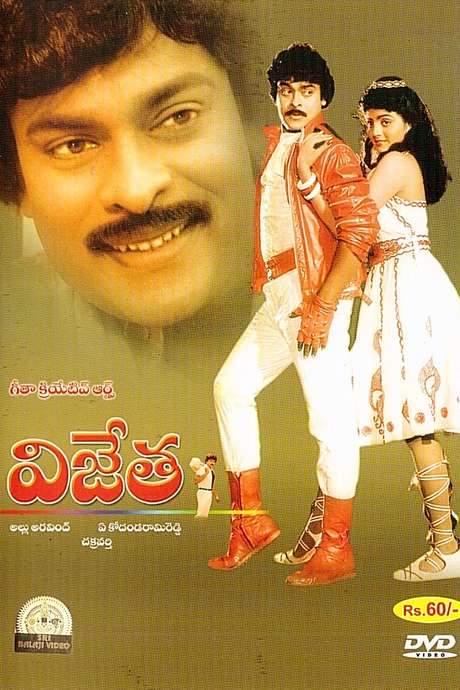
A warm, humorous portrait of a middle-class joint family, guided by a steady, often stern head of the household. The beloved father, Ethiraj, is a retired headmaster who runs the family with calm discipline and practical wisdom. He has three sons: the eldest, Maheshwaran, a Hindi professor; Raman, a high court clerk; and Krishnan, a medical representative. Each son lives in his own portion of the same big house, and the father moves between the three, eating with each family at rotation to keep harmony and prevent conflict. The men entrust their salaries to him, and he handles every dime with frugal efficiency. Anyone who steps out of line in this bustling home is gently, or sometimes firmly, corrected by the old man’s bench punishment—a ritual that underscores both respect and fear within the family.
Nearby, a new and charismatic presence arrives that will unsettle the quiet order of the household. The renowned actress Bama moves into the bungalow next door, and curiosity turns to admiration as she is welcomed into their social circle. The three daughters-in-law and the husbands find themselves drawn to her easy charm and unpretentious nature. Bama’s arrival becomes a spark that lights up the household’s desires and insecurities alike. The women, eager to impress their glamorous neighbor, begin to bustle with plans to showcase their homes and status.
To project affluence, the wives coax their husbands into splurges, even if it means stretching the family’s budget. They repaint parts of the house, install a radio, a fan, a sofa, and other comforts, some on rent and some on installments, while even borrowing money at high interest to keep up appearances. The father observes, with a mix of concern and amusement, that the family is drifting toward displayed wealth rather than comfortable ease. He urges them to live within their means, but the lure of social showmanship proves strong.
To reinforce the illusion, Parvathi, the wife of Maheshwaran and a bold, resourceful presence, hatches a plan. She borrows a diamond necklace from a friend and convinces the others that they should pass it off as a token of the family’s prosperity. The necklace becomes a symbol of status, and the plan is to pass it from one window to another so Bama will think everyone in the house owns such treasures. The younger daughter-in-law Sumathi quietly watches and occasionally teases, while Sita—Raman’s wife—tries to navigate the tense undercurrents without inviting trouble.
The day Bama visits, the house becomes a stage for deception. Parvathi decides to hide part of the family’s real truths by sealing three of her five children inside a room, so Bama won’t realize the age range of the family. Sita, meanwhile, hides her spectacles to play along and avoid age clues, while Parvathi wields the diamond necklace to reinforce the illusion. When Bama visits each portion, the scenes vary: in Sita’s part, she lies about Raman being a high-born advocate; in Parvathi’s part, she claims to have only two children; in Krishnan’s portion, the welcome is grand with a red carpet, flowers, alcohol-free toasts, and photographs that feed the illusion.
Despite the charm of Bama’s simple, gracious manner—her glass bangles, polite manners, and understated elegance—the three wives still try to outdo one another. The men, eager to please their families and their celebrity guest, arrange little indulgences: Raman leverages a workplace-tinged excuse to secure a telephone connection; Krishnan secures a car on installments to take the wives for outings. The family’s social ambitions begin to eclipse the home’s true priorities, and the atmosphere becomes a blend of humor and unease as their fortunes depend on a carefully staged illusion.
And then trouble arrives in the form of a rumor—a letter that anonymously accuses one of the three husbands of having an affair with Bama. Each wife hopes with all her heart that the accusation is false and not directed at her husband, but the evidence within the story’s web seems to point to each man at different times, sowing doubt across the family. The suspense deepens as the rumor gains momentum, and friends and neighbors begin to look at the family with new eyes.
Humor and heartbreak dance together through a sequence of comic misadventures. A sensational newspaper report accuses Maheshwaran of illegal contact with Bama, a story that would topple a fragile household peace. The family faces the gossip with nerves jangling and pride at stake, yet the publisher eventually apologizes and issues a retraction. In a final turn of events, the truth is revealed, misunderstandings are resolved, and the family finds a way back to harmony.
Across all these twists, the film keeps its core focus on the dynamics of love, duty, pride, and forgiveness within a crowded, affectionate, and occasionally chaotic Indian family. The interplay of characters—[Ethiraj], [Maheshwaran], [Raman], [Krishnan], [Parvathi], [Rukmini], [Sumathi], [Bama]—drives a story that is equal parts comedy and warmth, exploring how a close-knit kin group negotiates modern temptations while cherishing its shared roots. Even as the outside world offers glitter and gossip, the household learns, gradually, to value real connection over appearances, and the ending offers a gentle reassurance: in the end, love and family endure.