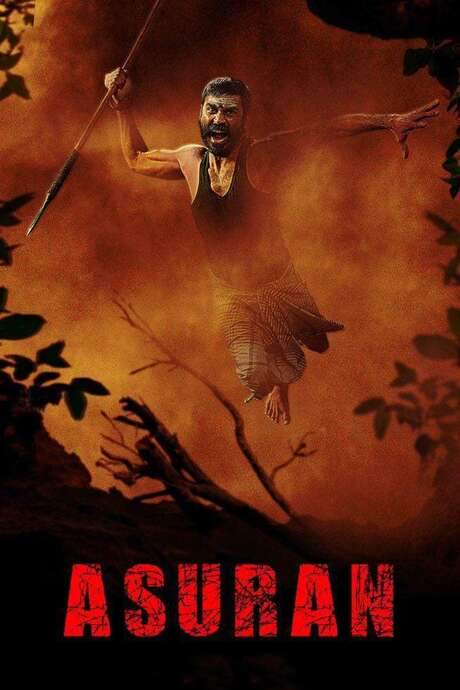
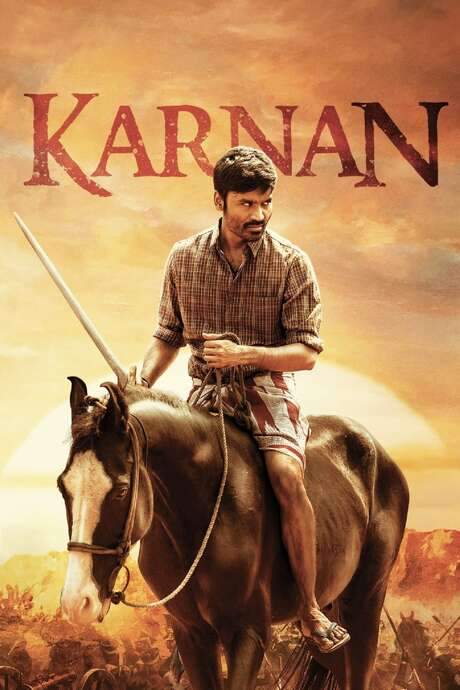
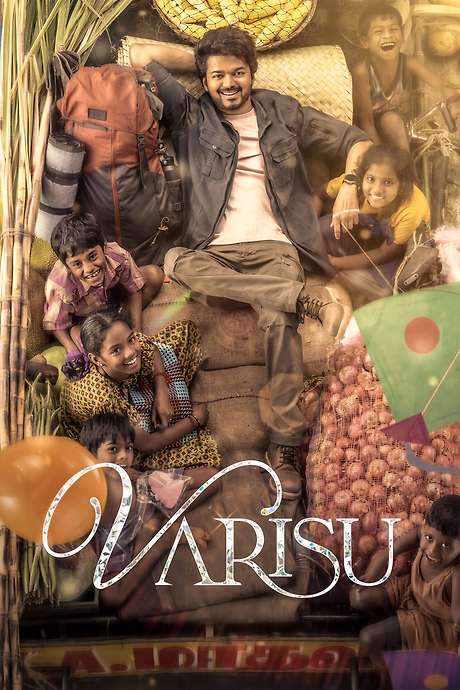
In the sweltering fields of late‑1970s Kovilpatti, a tight‑knit farming community lives under the weight of an entrenched caste hierarchy. The landscape is a patchwork of dusty lanes, modest homesteads and looming estates that belong to a privileged upper‑caste class. Daily life is a fragile negotiation between survival and the unspoken rules that keep the two worlds apart, and the air hums with the unrelenting tension of land disputes and social injustice.
Sivasaami is a quiet, dignified farmer whose calm demeanor masks a deep well of perseverance. He tends his modest three‑acre plot with his wife Pachaiyamma and their children, trying to nurture hope in a place where opportunities are scarce. Their teenage son, Chidambaram, is restless and eager, hovering between youthful bravado and the weight of his family's expectations. The family’s Dalit identity places them on the margins, yet they cling to a resilient sense of community and mutual support.
When a sudden, fatal confrontation between Chidambaram and a member of the privileged upper caste shatters the fragile balance, the family is forced onto the run. The incident thrusts Sivasaami into a role that challenges his pacifist nature: he must become the shield for his son while navigating a hostile landscape fraught with both visible and hidden threats. The chase through backroads and hidden waterways amplifies the stark contrast between the peaceful rhythms of rural life and the urgent, desperate need to stay ahead of a force determined to reassert its dominance.
The film unfolds with a raw, unflinching tone that blends gritty realism with moments of poignant humanity. It paints a vivid portrait of a family caught in the crosscurrents of caste oppression, exploring how love, duty, and the yearning for a better future can drive ordinary people to extraordinary resilience. The mood is tense yet hopeful, inviting viewers to contemplate the cost of staying true to one’s principles when everything else is stacked against you.