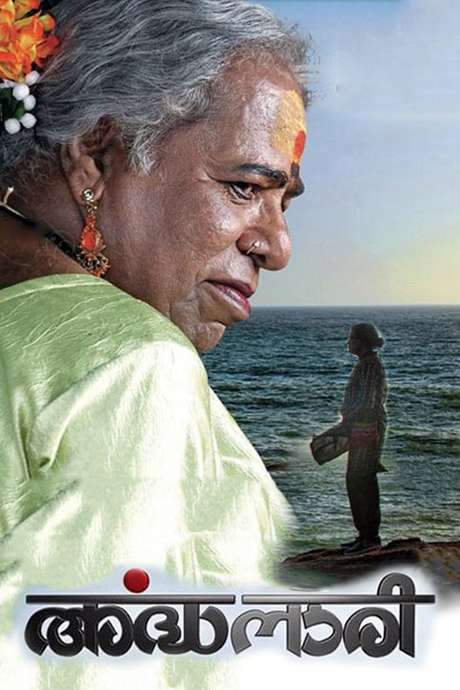
Ardhanaari
Year: 2012
Runtime: 109 mins
Language: Malayalam
Director: Santhosh Souparnika
Vinayan is a transgender man facing constant insults and unfair treatment due to his gender identity and effeminate mannerisms, even experiencing rejection from his family. The film explores his journey as he grapples with societal expectations and the pressure to conform. Will he choose to defy social norms and embrace his true self, or will he succumb to the demands of those around him?
Warning: spoilers below!
Haven’t seen Ardhanaari yet? This summary contains major spoilers. Bookmark the page, watch the movie, and come back for the full breakdown. If you're ready, scroll on and relive the story!
Ardhanaari (2012) – Full Plot Summary & Ending Explained
Read the complete plot breakdown of Ardhanaari (2012), including all key story events, major twists, and the ending explained in detail. Discover what really happened, and what it all means.
Ardhanaari takes a strikingly different course by centering on Manjula, Manoj K Jayan, a person who carries a male body but a feminine mindset, and walks through a world that constantly questions where identity ends and performance begins. The film remains intentionally elusive about whether Manjula is truly transgressing norms, and it does not definitively answer questions about reproduction, leaving a quiet space for interpretation as the story unfolds.
From the outset, the narrative brushes against ambiguities—whether Manjula’s gender expression is a fixed label or a fluid state of being—while introducing a schoolboy who falls in love with a male classmate. That affection is treated with a mix of tenderness and social scorn, as the boy’s feminine charm invites ridicule from many, save for a lone promise to marry him when they are older. This strand seeds a tension about love, acceptance, and the pressures of a society itching to name and police desire.
As the years pass, the romance of the schoolyard matures into a broader, more complicated reality. Manjula’s distinctive life path brings disgrace upon his family, culminating in exile from his home. He seeks refuge among a circle of transvestites who welcome him with an openness that contrasts sharply with the world he left behind. Yet even within this sanctuary, love remains precarious, and he faces renewed rejection when affection shifts or fails to align with expectations.
Cinematically, the film leans toward melodrama, and many moments feel theatrically heightened. The script often leans into heightened emotions, a choice some viewers may find overbearing, while others may view it as a candid mirror of the tumultuous inner life of someone navigating a stigmatized existence. The movie attempts to map the realities of marginalized lives—the compulsions, the fears, and the longing that accompany a non-normative identity—though the execution sometimes slips into rhetoric rather than restraint.
The central arc is about more than individual desire; it’s about the way society fixes its gaze on those who do not fit a neat template. The journey shows the scars that linger long after the immediate tensions fade: the persistent sense of being watched, judged, and labeled, and the ongoing negotiation of belonging in a world that prizes conformity.
Manjula’s sexuality is presented as a central, undeniable thread. The character remains bisexual, choosing to live with a man, even as there is the possibility of deeper emotional connections with a woman. This openness to complexities of love and partnership is one of the film’s defining ambitions, even as it wrestles with how stigma shapes outcomes and experiences for people who stand apart from conventional categories.
The narrative also leans on familiar melodramatic touches that critics often associate with this kind of exploration. An older hijra character, portrayed by Maniyanpilla Raju, appears as a cautionary figure, reinforcing the film’s messages about risk and vulnerability. The story does not shy away from explicit issues, including unsafe sex and the HIV discourse that has repeatedly entered conversations about sexuality in cinema, using such moments to anchor its social commentary.
In performances, [Manoj K Jayan] delivers a brave, committed portrayal of the title role, bringing a measured blend of vulnerability and resolve to Manjula. He is supported by a veteran ensemble, including Nayak, played by Thilakan, whose presence adds gravity to the film’s more charged scenes. The portrayal of Priest by Sukumari adds a layer of solemnity to the narrative, grounding some of the more theatrical moments in tradition and ritual. The dynamic among Balu Menon and his wife—crafted by the interplay with Jayakrishnan and Asha Sarath—further complicates the social web the film constructs, illustrating how relationships intersect with identity, stigma, and belonging.
If the film had embraced a quieter, more restrained approach, it might have achieved a more universal tenderness, a sentiment some viewers feel is largely present in its core. Instead, the combination of earnest themes with a high-strung dramatic voice can feel shrill and overpowering at times. Yet even in its loudest moments, the film offers a window into lives that are rarely given the central stage, inviting reflection on how people navigate love, loyalty, and self-acceptance under the weight of public opinion.
Overall, Ardhanaari is an ambitious, provocative piece that invites conversation about sexuality, gender, and community. It is a portrait of resilience amid judgment, and a reminder that the inner truth of a person can resist easy categorization even when the world around them seeks to define them for convenience.
Last updated: October 03, 2025 at 06:48
Ardhanaari (2012) Plot Questions Answered – Summary FAQ
Explore frequently asked questions about Ardhanaari (2012) with spoiler-rich answers covering the full plot summary, major story beats, character motivations, hidden details, and ending meaning. This movie summary FAQ helps explain confusing scenes, plot twists, and narrative decisions in clear, searchable detail.
Why does Manjula's family disown him?
Manjula's family disowns him because his feminine mindset and gender expression bring shame and disgrace upon the family. In the conservative societal context of the film, his non-conforming behavior is seen as a violation of family honor, forcing him to leave his home and seek refuge elsewhere.
The school's mockery of his relationship with the male classmate hints at the social scorn that will eventually escalate to family rejection.
How does Manjula find the transvestite community?
After being exiled from his home, Manjula seeks refuge among a circle of transvestites who welcome him with openness. This community becomes his sanctuary, offering acceptance and a space to express his identity without immediate punishment, contrasting sharply with the hostility he faced in his former life.
The promise of marriage made in school hints at his longing for acceptance, which he ultimately finds in the marginalised community.
Why does the film include HIV and unsafe sex themes?
The film directly engages with unsafe sex and HIV discourse as social commentary, grounding its themes in public health concerns relevant to marginalized communities. These moments anchor the film's critique of stigma and illustrate the human cost of marginalization, challenging viewers to confront uncomfortable truths about love and risk among those who face societal exclusion.
The precarious nature of relationships within the transvestite community foreshadows the vulnerability these individuals face.
What is the significance of the school romance in the story?
The schoolyard romance between Manjula and his male classmate serves as the seed of the entire narrative. It establishes the theme of love against societal scorn and plants the promise to marry when older, symbolizing hope and resilience. This early tenderness matures into a complicated reality as societal pressures intensify, making the romance both a personal journey and a commentary on how society polices desire.
The promise to marry becomes ironic as the story progresses and social pressures mount.
What is the role of the older hijra character in the film?
The older hijra character, portrayed by Maniyanpilla Raju, appears as a cautionary figure who warns about the risks and vulnerabilities faced by those living non-normative identities. This character underscores the dangers of exploitation and the fragility of safety within marginalized communities, serving as a grim reminder of potential futures for younger trans individuals.
This cautionary presence highlights why relationships within the transvestite community remain precarious.
Why is Manjula portrayed as bisexual instead of gay?
Manjula's bisexuality reflects the film's ambition to portray the complexity of love and identity without rigid categorization. While he chooses to live with a man, the narrative leaves room for potential deeper emotional connections with a woman. This openness questions conventional categories of love and partnership, showing that sexuality can be fluid and that emotional possibilities exist beyond simple labels.
The film maintains ambiguity about whether Manjula's gender expression is fixed or fluid, paralleling the openness in his romantic possibilities.
How does societal judgment affect Manjula throughout the film?
The central arc of the film explores how society's fixation on non-normative identities creates persistent judgment, scars, and the constant negotiation of belonging. Manjula experiences this from childhood through adulthood, where every space, from family to public areas, becomes a site of scrutiny. The film depicts how public opinion shapes private futures and forces ongoing compromise in search of acceptance.
The schoolyard mockery establishes early how society watches and names those who do not conform.
Is Manjula's gender identity fixed or fluid in the film?
The film remains intentionally elusive about whether Manjula's gender expression is a fixed label or a fluid state. It presents his situation as ambiguous rather than offering definitive answers about reproduction or identity categories. This deliberate openness invites viewers to interpret where identity ends and performance begins, rejecting easy categorization.
The narrative frames these tensions from the outset as ambiguous and open to interpretation.
Why does love remain precarious even in the transvestite sanctuary?
Even within the welcoming transvestite community, love remains fragile because affection shifts or fails to meet expectations. Relationships are tested by communal norms, jealousy, and the inherent fragilities of belonging. The narrative shows that while this space offers acceptance, it does not guarantee lasting security, desire still survives or fractures under social scrutiny and internal community pressures.
The earlier rejection from family establishes a pattern of unstable belonging that persists even in alternative spaces.
What does the ambiguous ending of Ardhanaari mean?
The film closes without a conclusive victory or tragedy, instead focusing on the ongoing negotiation of belonging in a world that prizes conformity. The ambiguity reflects real life for marginalized individuals, there is no dramatic resolution, only the continued resilience and quiet courage of navigating identity under societal weight. The ending invites reflection on identity beyond easy categorization rather than providing neat closure.
The recurring theme of negotiation with society suggests no definitive ending was ever possible.

Explore Movie Threads
Discover curated groups of movies connected by mood, themes, and story style. Browse collections built around emotion, atmosphere, and narrative focus to easily find films that match what you feel like watching right now.
Intense identity dramas with societal prejudice like Ardhanaari
Emotionally charged stories about individuals fighting societal prejudice for self-acceptance.Explore movies similar to Ardhanaari that focus on characters grappling with societal rejection and stigma. If you liked the emotional journey of a transgender man fighting for acceptance, you'll find other powerful stories about self-discovery and resilience against prejudice.















Narrative Summary
Narratives in this thread typically follow a linear, character-centric journey. The protagonist, marked by a stigmatized identity, endures persistent external conflict from society and often internal family turmoil. The plot revolves around their battle for dignity and the right to self-define, often without a clear-cut victory, instead focusing on the ongoing nature of the struggle.
Why These Movies?
Movies are grouped here based on their shared focus on identity-based persecution, their use of melodrama to heighten emotional stakes, and their exploration of themes like societal rejection, resilience, and the quest for belonging. They create a powerful, often difficult, but deeply human viewing experience.
Movies with heavy emotional journeys and ambiguous endings like Ardhanaari
Character arcs that conclude without clear resolution, leaving a lasting emotional weight.Find films similar to Ardhanaari that feature emotionally heavy stories concluding with an ambiguous feel. If you appreciated that the film didn't provide a neat resolution, you'll discover other powerful dramas where character arcs emphasize struggle over simplistic outcomes.

i'm thinking of ending things
2020

After Ever Happy
2022

Forever’s End
2013

The End
2024

The Happy Ending
1969

The End
1978

Long Day's Journey Into Night
2019

Dark Horse
2012

The Hungry Ghosts
2010

Aloners
2023

Inside the Yellow Cocoon Shell
2024

How It Ends
2018

A Separation
2011

Ardor
2002

Random Hearts
1999
Narrative Summary
These stories build towards an ending that is open to interpretation. The central conflict is often societal or internal, and the narrative avoids a definitive victory or defeat. The emotional climax comes from the character's perseverance and growth through hardship, with the final scene suggesting that their battle continues beyond the film's frame.
Why These Movies?
This grouping is defined by a shared narrative structure: a heavy, emotionally taxing plot that culminates in an ambiguous conclusion. This combination creates a specific, realistic, and thought-provoking vibe, appealing to viewers who prefer complex reflections on life's struggles over tidy narrative endings.
Unlock the Full Story of Ardhanaari
Don't stop at just watching - explore Ardhanaari in full detail. From the complete plot summary and scene-by-scene timeline to character breakdowns, thematic analysis, and a deep dive into the ending - every page helps you truly understand what Ardhanaari is all about. Plus, discover what's next after the movie.
Ardhanaari Timeline
Track the full timeline of Ardhanaari with every major event arranged chronologically. Perfect for decoding non-linear storytelling, flashbacks, or parallel narratives with a clear scene-by-scene breakdown.

Characters, Settings & Themes in Ardhanaari
Discover the characters, locations, and core themes that shape Ardhanaari. Get insights into symbolic elements, setting significance, and deeper narrative meaning - ideal for thematic analysis and movie breakdowns.


