Plot Explained Spoilers guaranteed!
Plot Explained

Browse by genre

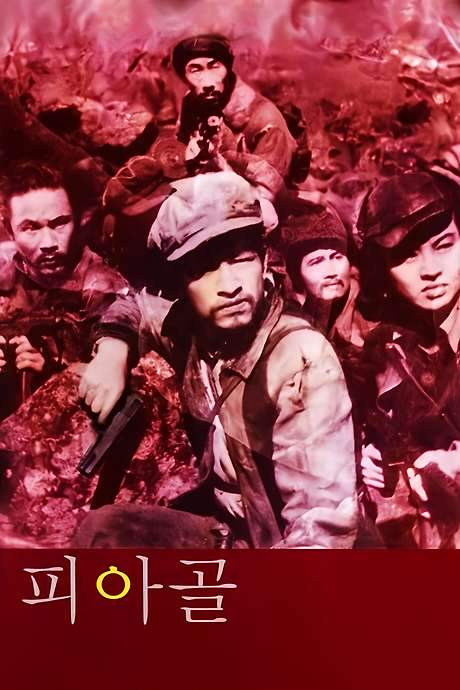
Anarchist from Colony (2017) movie poster

Timeline

Anarchist from Colony (2017) Timeline Explained – Every Event in Order

Release, runtime and language
2017 · 129 mins · Korean
Directed by
Lee Joon-ik
Starring
Kwon Yul, Baek Soo-jang, Lee Je-hoon, Lee Jung-hyun, Choi Hee-seo, Darcy Paquet

During the Japanese colonial era, a compelling group of anarchists rises up to challenge the existing order. Based on the life of Korean anarchist Park Yeol, the film explores his fight against the government's actions during the 1923 Great Kanto earthquake, a period marked by the massacre of Koreans. It focuses on his leadership of the Bulryeongsa, an anti-Japanese organization, and his complex relationship with Japanese comrade Fumiko Kaneko, highlighting their shared ideals and struggles.

On this page (5)
  1. 1 Events in order (13)
  2. 2 Timeline questions answered
  3. 3 Movie threads
  4. 4 Movies like Anarchist from Colony
  5. 5 Every angle

13 events in order · contains spoilers

Anarchist from Colony Timeline: Events in Chronological Order

Every key event of Anarchist from Colony (2017) in order, scene by scene, with when and where it takes place. Use it to untangle flashbacks, time jumps and parallel storylines, to refresh your memory before the sequel or to find the exact scene you are thinking of.

  1. Formation of Bulryeongsa and leadership

    Park Yeol rises as the leader of Bulryeongsa, an anarchist group that includes 14 Korean and five Japanese members. He is portrayed as easygoing yet courageous and disobedient, rarely troubling others while pushing for action. His partner Fumiko is strong, intelligent, and optimistic, contributing to strategic planning.

    When
    early 1920s
    Where
    Korean and Japanese anarchist circles
  2. Plot to bomb the imperial symbol

    Yeol plots a bombing against Prince Hirohito as a central act of the group's radical strategy. The plan reveals their willingness to strike at imperial symbols to spark a revolution. The discussions reflect their aim to shake the foundations of imperial power.

    When
    early 1920s
    Where
    Tokyo, Japan
  3. Kanto Earthquake devastates Tokyo

    The Kanto Earthquake devastates Tokyo in 1923, turning the city into ruins and creating an atmosphere ripe for political opportunism. The disaster heightens fear and distrust, providing cover for vigilantism and state actions against dissidents. The event serves as a catalyst for the subsequent crackdown on Koreans and anarchists.

    When
    1923
    Where
    Tokyo, Japan
  4. Mizuno blames Koreans post-disaster

    Former Minister Mizuno accuses Koreans of poisoning wells and arson, using the disaster to foment anti-Korean backlash. His statements promote revenge against Koreans and help justify harsh measures by the authorities.

    When
    1923
    Where
    Tokyo, Japan
  5. Kanto Massacre of Koreans

    The Kanto Massacre erupts with thousands killed; over 6,000 Koreans are massacred by vigilantes in the aftermath. The violence exposes the brutal reaction to the quake and undermines social order. The massacre becomes a turning point that authorities will later try to explain away.

    When
    1923
    Where
    Tokyo region, Japan
  6. Mizuno's cover-up targets the anarchists

    To deflect attention from the massacre, Mizuno targets Yeol and Bulryeongsa, charging them with crimes against Japan. The authorities hope to frame the anarchists as the primary danger, diverting public discourse from the mass killings.

    When
    1923–1924
    Where
    Japan
  7. Trial of Yeol and Kaneko begins

    Yeol and Kaneko stand trial in Tokyo, where they mock the government and imperial system during the proceedings. Their defiant demeanor and rhetoric reveal their resolve to challenge imperial authority and advocate for class and national equality. The trial is depicted as a platform for their revolutionary ideas.

    When
    mid-1920s
    Where
    Tokyo, Japan
  8. Revolutionary ideals and their bond

    During the trial they articulate a belief in equality and revolution as the path to liberation from imperial rule. Their dialogue emphasizes the bond between Yeol and Kaneko, framing their love as part of the revolutionary project. They acknowledge the trial as a tool to suppress discussion of the massacre.

    When
    mid-1920s
    Where
    Tokyo, Japan
  9. Verdict and its implications

    They are found guilty, but the sentence narrowly avoids execution, signaling a fragile victory for the state. The verdict underscores the regime's willingness to punish dissent while preserving its own power. The mood remains defiant as their ideals persist beyond the courtroom.

    When
    late 1920s
    Where
    Tokyo, Japan
  10. Kaneko's death in prison

    Kaneko dies in prison under a supposed suicide, a death that the Heukdohoe refuse to accept as genuine. They suspect murder and mourn her loss as a political betrayal. The event deepens their sense of injustice and strengthens their resolve.

    When
    late 1920s
    Where
    Prison, Japan
  11. Retrieval of Kaneko's body

    After her death, the group travels to retrieve Kaneko's body, clinging to the belief that she was murdered rather than suicided. This act reinforces their sense of injustice and their commitment to the revolutionary cause.

    When
    late 1920s
    Where
    Prison vicinity, Japan
  12. Yeol's release in 1946

    Following the end of the occupation in 1946, Yeol is released from prison. The film hints that his revolutionary hopes linger even as the world changes around him. His release marks a tentative closure to the era of his radical activism.

    When
    1946
    Where
    Japan
  13. Ending montage and memory

    The film closes with a montage showing Yeol and Kaneko's image, followed by the real photograph fading to black. The final image leaves their relationship and struggle unresolved, a memory lingering after the historical events.

    Where
    Cinema screen

Last updated: October 01, 2025 at 13:06

Was this helpful?

Timeline questions answered

Anarchist from Colony Timeline Explained: Your Questions Answered

When does it happen, and why in that order? The questions people ask about the chronology of Anarchist from Colony (2017): time jumps, flashbacks, cause and effect between scenes and the correct order of events, each answered with spoilers.

Q1

Why did Park Yeol plan to bomb Prince Hirohito?

Park Yeol plotted to bomb Prince Hirohito as a radical act to strike at the heart of imperial authority. As the leader of Bulryeongsa, he believed attacking the symbolic figure of the emperor would spark a revolution and challenge the hierarchical power structure that perpetuated Japanese oppression over Korea. The bombing was intended as both a provocation and a statement about equality, aiming to dismantle the sacred aura surrounding the imperial family.

  • park yeol
  • prince hirohito
  • bombing plot
  • bulryeongsa
  • anarchist
Q2

What was the Kanto Massacre?

The Kanto Massacre was the mass killing of Koreans in Tokyo and surrounding areas following the 1923 Great Kanto Earthquake. Thousands of Koreans, over 6,000 according to historical records, were murdered by Japanese vigilantes who believed false rumors that Koreans had poisoned wells and started fires. The massacre occurred in the chaotic aftermath of the earthquake when fear and distrust were rampant.

Foreshadowing: The film earlier shows how the disaster created an atmosphere ripe for anti-Korean violence.

  • kanto massacre
  • kanto earthquake
  • korean killings
  • 1923
  • tokyo
Q3

Why did Mizuno blame Koreans for the earthquake disaster?

Former Minister Mizuno accused Koreans of poisoning wells and causing fires after the earthquake as a political strategy. He used the disaster to foment anti-Korean backlash, promoting revenge against Koreans and helping justify harsh measures by the authorities. This rhetoric provided cover for vigilante violence while allowing the government to redirect public anger away from its own handling of the crisis.

  • mizuno
  • koreans blamed
  • earthquake
  • anti-korean violence
  • minister
Q4

How did the Kanto Earthquake lead to the crackdown on anarchists?

Following the earthquake and subsequent massacre, Mizuno strategically targeted Park Yeol and Bulryeongsa to deflect attention from the mass killing of Koreans. By charging the anarchists with crimes against Japan, authorities hoped to frame them as the primary threat and minimize discussion of the massacre. This allowed the government to suppress discourse about the violence while appearing to address a national security concern.

  • earthquake
  • crackdown
  • anarchists
  • mizuno
  • cover-up
Q5

What was the relationship between Park Yeol and Fumiko Kaneko?

Park Yeol and Fumiko Kaneko were romantic partners and co-leaders in the anarchist movement. Kaneko was portrayed as strong, intelligent, and optimistic, providing both strategic planning and emotional warmth to balance Yeol's leadership. Their bond was described as both intimate and driven by shared revolutionary ideals, two revolutionaries whose love was intertwined with their political cause.

  • park yeol
  • fumiko kaneko
  • relationship
  • romance
  • lovers
Q6

Why were Yeol and Kaneko put on trial?

Yeol and Kaneko were arrested and tried as part of Mizuno's strategy to blame the anarchists for the chaos following the earthquake. The trial was designed to suppress discussion of the Kanto Massacre by casting the anarchists as the true threat to Japan. During the trial, they used the courtroom as a platform to articulate their revolutionary ideals, mocking the government and imperial system while advocating for equality and the dismantling of hereditary privilege.

  • trial
  • yeol
  • kaneko
  • courtroom
  • anarchist
Q7

What happened to Fumiko Kaneko in prison?

Fumiko Kaneko died in prison in the late 1920s, with authorities recording her death as a suicide. However, the Heukdohoe (their fellow activists) refused to accept this explanation and suspected she was murdered with the intent to cover up the truth. The film presents her death as a political betrayal rather than a voluntary act.

  • fumiko kaneko
  • death
  • prison
  • suicide
  • murder
Q8

Why did Yeol and Kaneko avoid the death penalty?

Although Yeol and Kaneko were found guilty, they narrowly escaped execution and received prison sentences instead. The verdict signaled a fragile victory for the state, the regime wanted to punish dissent while avoiding martyrdom that might inspire further resistance. Their survival also allowed authorities to continue controlling the narrative around the anarchist threat.

  • death penalty
  • verdict
  • guilty
  • sentence
  • prison
Q9

What was Mizuno's role in the aftermath of the earthquake?

Mizuno, the Former Minister of Affairs, orchestrated the anti-Korean propaganda campaign following the 1923 earthquake. He spread false accusations that Koreans had poisoned wells and started fires, using the disaster to advance a revenge-driven narrative. His strategy then shifted to targeting the anarchists as a diversion from the massacre, essentially using both the fear and the tragedy to consolidate power and suppress dissent.

  • mizuno
  • minister
  • aftermath
  • propaganda
  • conspiracy
Q10

What happened to Park Yeol after his release in 1946?

Park Yeol was released from prison in 1946 following the end of Japanese occupation after World War II. The film suggests his revolutionary hopes lingered even as the world changed around him. The ending shows a fading photograph of Yeol and Kaneko dissolving into darkness, symbolizing their struggle for justice that outlived the era they fought in, leaving their story unresolved as a haunting memory.

  • park yeol
  • release
  • 1946
  • occupation
  • ending
Q11

What were the revolutionary ideals that drove Yeol and Kaneko?

Yeol and Kaneko advocated for dismantling the sacred aura around the emperor and rejecting hereditary privilege as paths to real equality among people. They believed revolution was necessary to liberate both Korea and Japan from imperial rule. Their philosophy extended to class and national equality, viewing the imperial system as the root of oppression for colonized peoples.

  • anarchist
  • ideology
  • revolution
  • equality
  • emperor

Movie threads

More Movies Like Anarchist from Colony, by Mood & Story

Curated lists built around what makes Anarchist from Colony tick: the same mood, the same kind of story or the same emotional payoff. Each list explains why these movies belong together.

Historical Dramas of Revolutionary Love Like Anarchist from Colony

Passionate romances forged in the fires of political resistance and sacrifice. If you were moved by the complex relationship between Park Yeol and Fumiko in Anarchist from Colony, explore more movies like it. This collection features historical dramas and political thrillers where a powerful love story unfolds against a backdrop of ideological struggle and resistance.

  • romantic
  • political
  • tense
  • somber
  • melancholic
  • passionate
  • Tone: dark, melancholic, passionate
  • Pacing: steady, character-driven
Why these movies?

The story pattern: Narratives in this thread often follow two individuals whose personal bond is inseparable from their political mission. The story explores how their love strengthens their resolve while also making them vulnerable, culminating in choices that weigh their relationship against their cause, frequently resulting in a bittersweet or tragic conclusion.

Why they belong together: Movies are grouped here for their unique blend of a heavy, emotionally charged romance with the tense, urgent atmosphere of political activism. They share a dark tone, high emotional weight, and a focus on how personal and political lives collide under extreme pressure.

Gripping Political Courtroom Dramas Like Anarchist from Colony

Gripping accounts of state injustice, ideological battles, and the fight for truth. For viewers who appreciated the courtroom drama and exposure of state violence in Anarchist from Colony, this list features similar movies. Discover other somber historical films and political thrillers about anti-establishment figures facing legal battles and fighting against systemic injustice.

  • courtroom drama
  • political
  • tense
  • gripping
  • somber
  • urgent
  • Tone: dark, tense, somber
  • Pacing: steady, deliberate
Why these movies?

The story pattern: The narrative pattern involves activists or dissidents being targeted by the state, leading to their arrest and a highly charged trial or investigation. The story examines the ideological clash between the individual and the institution, revealing the mechanisms of power and the personal toll of becoming a symbol of resistance.

Why they belong together: These films share a somber, gripping mood, high tension derived from life-and-death stakes, and a steady pacing that builds towards a decisive legal or confrontational climax. They are united by themes of historical injustice, ideological struggle, and the heavy emotional weight of sacrifice.

If you liked this

Movies Like Anarchist from Colony

Similar movies to Anarchist from Colony: the same genre, themes or kind of story. Each one comes with its own plot summary, timeline and ending explained.

Browse all movie summaries

Every angle

Anarchist from Colony (2017) Explained: Plot, Timeline & Characters

Everything about Anarchist from Colony in one place: what happens in the plot summary, the timeline in chronological order, the characters and meaning and a spoiler-free summary. What's After the Movie adds the cast, box office and post-credit scenes.

Coming soon on iOS and Android

The Plot Explained Movie Summary App

Plot summaries, endings explained and timelines on your phone. Catch up on any movie in minutes, save your favorites and never miss a twist again.

Be the first to know when we launch. Your email stays private, always.

Learn more about the app