Plot Explained Spoilers guaranteed!
Plot Explained

Browse by genre

American Hot Wax (1978) movie poster

Characters & Themes

American Hot Wax (1978) Characters, Setting & Themes Explained

Release, runtime and language
1978 · 91 mins · English
Directed by
Floyd Mutrux
Starring
John Lehne, Screamin' Jay Hawkins, Laraine Newman, Pat McNamara, Tim McIntire, Nora Denney

Set in 1959 New York, the film follows Cleveland disc jockey Alan Freed, who helped launch rock ’n’ roll to teenage audiences. Freed becomes a target, condemned by conservatives for corrupting youth, vilified by racists for promoting Black music to white listeners, harassed by police, and ultimately toppled by a payola scandal.

On this page (7)
  1. 1 Characters explained (9)
  2. 2 Where & when it takes place
  3. 3 Themes & meaning (4)
  4. 4 Character & meaning questions
  5. 5 Movie threads
  6. 6 Movies like American Hot Wax
  7. 7 Every angle

9 main characters · contains spoilers

American Hot Wax Characters Explained: Who Is Who

The main characters of American Hot Wax (1978), heroes and villains: what drives them, how they change over the course of the story and what each of them reveals about the film's bigger ideas.

  • Alan Freed (Tim McIntire)

    A trailblazing radio DJ who popularizes rock 'n' roll and promotes edgy acts, pushing boundaries with unfiltered programming. He navigates pressure from station management and authorities while chasing new hits for a teen audience. Freed's passion for music is matched by a stubborn resistance to moral censorship.

    • 🎧 DJ
    • 🎵 Music
    • 🗽 NYC
    • 🆓 Freedom
  • D.A. Coleman (John Lehne)

    A determined district attorney who targets Freed's show as immoral influence, representing the era's emphasis on public decency. He pursues legal action and attempts to curb what is broadcast and performed. Coleman embodies the enforcement side of the cultural clash surrounding rock n' roll.

    • ⚖️ Law
    • 🚓 Police
    • 🚨 Authority
  • Louise (Laraine Newman)

    A teenage songwriter whose talent draws Freed's attention and who risks parental disapproval and social pushback. Her collaboration with the Chesterfields becomes a catalyst for the show's energy. Louise embodies youth ambition and the transformative power of music.

    • 🎶 Songwriter
    • 👧 Teen
    • 🧭 Ambition
  • Sheryl (Fran Drescher)

    Freed's feisty secretary who bonds with Mookie and becomes a stabilizing presence on the tour. She navigates work challenges with humor and loyalty. Sheryl adds heart and romance to Freed's world, balancing professionalism with passion for rock n' roll.

    • 💼 Secretary
    • 💬 Banter
    • ❤️ Romance
  • Mookie (Jay Leno)

    Freed's chauffeur who shares a playful, growing rapport with Sheryl. He provides practical support and comic relief amid the show's chaos. Mookie's loyalty underlines the human side of the tour crew.

    • 🚗 Chauffeur
    • 😂 Comedy
    • 💬 Banter
  • Artie Moress (Moosie Drier)

    Young president of a Buddy Holly fan club who talks on air about his idol and connects with Freed and the audience. He embodies the enthusiasm of young fans and the influence of radio in shaping tastes. Artie represents the fan-driven energy behind the era's music scene.

    • 🎙️ Fan Club
    • 🎶 Music
    • 🧒 Youth
  • Lennie Richfield (Jeff Altman)

    A relentless record promoter who pressures Freed, pushing the boundary between salesmanship and manipulation. He showcases the aggressive business side of rock n' roll's rise. Lennie's presence highlights how commerce and art intersect in the music industry.

    • 💼 Promoter
    • 🕵️‍♂️ Schemes
  • Chuck Berry (Self)

    Iconic guitarist who helps save the show by performing for free and driving the climactic moment. His appearance underscores the pivotal role of legendary artists in defining rock n' roll. Berry's presence legitimizes the event and catalyzes the crowd's energy.

    • 🎸 Guitar Legend
    • 🎤 Performer
  • Jerry Lee Lewis (Self)

    Performs closing the show, symbolizing rock's explosive energy and the era's unbridled performance culture. His appearance marks a turning point as authorities move to shut down the event. Lewis embodies the raw, electric spirit of the music.

    • 🎹 Rock 'n' Roll Icon
    • 🎤 Performer

Last updated: October 04, 2025 at 16:14

Was this helpful?

Setting

Where and When Does American Hot Wax Take Place?

The setting of American Hot Wax (1978): the year and time period, the places and locations, and how they shape the characters, the mood and the tension of the story.

Time period

late-1950s

During the late 1950s, rock n' roll is exploding in popularity, especially among teens, while social norms and laws struggle to keep pace. The era features racial integration in music, contentious media gatekeeping, and aggressive promotion by record labels and promoters. These pressures frame Freed's career and culminate in a climactic show that tests boundaries.

Location

New York City, Brooklyn Paramount Theater, WROL Radio

Set in late-1950s New York City, the narrative centers on the Brooklyn Paramount Theater where a controversial rock n' roll show is promoted. The city's music scene and WROL radio provide the backdrop for dancing teens, tense confrontations with authorities, and the power of radio to shape hits. The Paramount stage becomes a battleground between youth culture, censorship, and control.

  • 🎭 Entertainment
  • 🗽 City
  • 🎬 Film Setting
  • 🚦 1950s Culture

Last updated: October 04, 2025 at 16:14

Was this helpful?

4 major themes

American Hot Wax Meaning: Themes & Message Explained

What is American Hot Wax (1978) really about? The emotional, social and philosophical themes the film keeps returning to, its symbolism and the message beneath the surface.

  • Music Revolution

    Rock 'n' roll reshapes youth culture and media. A DJ's playlist can ignite movements and alter lives. The film contrasts artistic freedom with commercial and legal pressures, highlighting how sound becomes social energy.

  • Censorship & Control

    Authorities attempt to shut down Freed's show, reflecting the era's policing of morality and public order. The film portrays the friction between creative expression and legal authority. Freed's refusal to bend or sign incriminating statements underscores his commitment to his art and his audience. The IRS seizure and police intervention heighten the stakes around what music can be performed publicly.

  • Racial Integration

    Louise collaborates with the Chesterfields, a black doo-wop group, demonstrating cross-cultural collaboration on a mainstream stage. The audience's response to the integrated performance shows both enthusiasm and tension within the crowd. Discrimination surfaces in private deals and social scenes, underscoring the era's barriers. Music becomes a bridge for acceptance and a catalyst for change.

  • Talent & Ambition

    Freed champions raw talent and personal integrity over polished, risk-averse choices. Louise's songwriting and Artie Moress' fandom reveal the pipeline from youth passion to professional possibility. The show demands perseverance against rejection and economic obstacles, such as the box office seizure. The film suggests rock n' roll's enduring spirit despite the era's limits.

Last updated: October 04, 2025 at 16:14

Was this helpful?

Character & theme questions

American Hot Wax Characters & Meaning: Your Questions Answered

The questions people ask about American Hot Wax (1978): who the characters really are, their relationships, what the symbols mean, where it takes place and what the movie is really about. Each answer contains spoilers.

Q1

What city and venue is the movie centered around?

The film is set in late-1950s New York City, primarily at the Brooklyn Paramount Theater where Alan Freed promotes his controversial rock n' roll show. WROL radio serves as the backdrop for the music scene that attracts dancing teens and tension with authorities.

  • brooklyn paramount theater
  • new york city
  • wrol radio
  • 1950s music venue
Q2

What time period does the story take place in?

The movie is set in 1959, during the late 1950s when rock n' roll is exploding in popularity among teenagers while social norms and laws struggle to keep pace with the new music culture.

  • 1959
  • late 1950s
  • rock n roll era
  • 1950s culture
Q3

Who was Alan Freed and what was his significance?

Alan Freed was a trailblazing Cleveland radio DJ who helped launch rock n' roll to teenage audiences. He popularized the genre and promoted edgy acts, using unfiltered programming to chase new hits while navigating pressure from station management and authorities. His passion for music was matched by stubborn resistance to moral censorship.

  • alan freed
  • radio dj
  • rock n roll pioneer
  • disc jockey
Q4

What does the movie say about censorship and control?

The film portrays authorities attempting to shut down Freed's show as part of the era's policing of morality and public order. It highlights the friction between creative expression and legal authority, with Freed refusing to bend or sign incriminating statements. The IRS seizure and police intervention raise the stakes around what music can be performed publicly.

  • censorship
  • moral panic
  • authorities
  • rock n roll controversy
Q5

What is the Music Revolution theme about?

Rock n' roll reshapes youth culture and media, where a DJ's playlist can ignite movements and alter lives. The film contrasts artistic freedom with commercial and legal pressures, showing how sound becomes social energy that challenges the establishment.

  • music revolution
  • youth culture
  • rock n roll impact
  • media power
Q6

How does the film handle racial integration in music?

Louise collaborates with the Chesterfields, a Black doo-wop group, demonstrating cross-cultural collaboration on a mainstream stage. The audience's response shows both enthusiasm and tension. Discrimination surfaces in private deals and social scenes, but music becomes a bridge for acceptance and a catalyst for change.

  • racial integration
  • doo-wop
  • chesterfields
  • cross-cultural music
Q7

What is D.A. Coleman's role in the story?

D.A. Coleman represents the enforcement side of the cultural clash surrounding rock n' roll. He targets Freed's show as an immoral influence on youth, pursuing legal action to curb what is broadcast and performed. He embodies the era's emphasis on public decency and the institutional opposition to rock music.

  • district attorney
  • coleman
  • legal action
  • censorship
Q8

Who is Louise and what is her significance?

Louise is a teenage songwriter whose talent draws Freed's attention. She risks parental disapproval and social pushback to pursue her passion. Her collaboration with the Chesterfields becomes a catalyst for the show's energy, embodying youth ambition and the transformative power of music.

  • louise
  • teenage songwriter
  • ambition
  • creative expression
Q9

Why are Chuck Berry and Jerry Lee Lewis important to the story?

Chuck Berry helps save the show by performing for free, driving the climactic moment and legitimizing the event. Jerry Lee Lewis closes the show, symbolizing rock's explosive energy and the era's unbridled performance culture. Their appearances represent the pivotal role of legendary artists in defining rock n' roll.

  • chuck berry
  • jerry lee lewis
  • rock legends
  • live performance
Q10

What does the film say about talent and ambition?

Freed champions raw talent and personal integrity over polished, risk-averse choices. Louise's songwriting and Artie Moress' fan club show the pipeline from youth passion to professional possibility. The film suggests rock n' roll's enduring spirit exists despite the era's limits and obstacles.

  • talent
  • ambition
  • artistic integrity
  • rock n roll spirit
Q11

What is the overall tone and emotional feel of the movie?

The film maintains a bittersweet tone, balancing the exhilarating energy of musical performances and teenagers' joy against the systemic persecution faced by Alan Freed. While the concert is a triumphant success for the music and youth, it directly leads to Freed's personal and professional destruction, creating a poignant sense of tragic triumph.

  • bittersweet tone
  • emotional weight
  • triumph
  • tragedy

Movie threads

More Movies Like American Hot Wax, by Mood & Story

Curated lists built around what makes American Hot Wax tick: the same mood, the same kind of story or the same emotional payoff. Each list explains why these movies belong together.

Artistic Triumph vs Corruption Movies like American Hot Wax

Celebrating creative victories while exposing the brutal systems that fight them. If you liked American Hot Wax, explore movies about legendary musicians and artists who battle against a corrupt system. These stories feature energetic performances and triumphant creative moments intertwined with themes of censorship, payola, and institutional persecution, creating a powerful and bittersweet viewing experience.

  • triumphant
  • defiant
  • melancholic
  • rebellious
  • energetic
  • nostalgic
  • Tone: bittersweet, defiant
  • Pacing: steady, building
Why these movies?

The story pattern: These stories typically follow an artist or promoter at the peak of their influence, whose principled stand for their art puts them in direct conflict with powerful, unethical systems. The narrative builds towards a major creative success (a concert, a release) that simultaneously becomes the catalyst for their professional downfall, often due to scandal or persecution.

Why they belong together: They are grouped by their shared focus on the bittersweet arc of artistic success shadowed by systemic opposition. The tone balances energetic, triumphant creative expression with a melancholic undercurrent of injustice, creating a specific, resonant emotional mix.
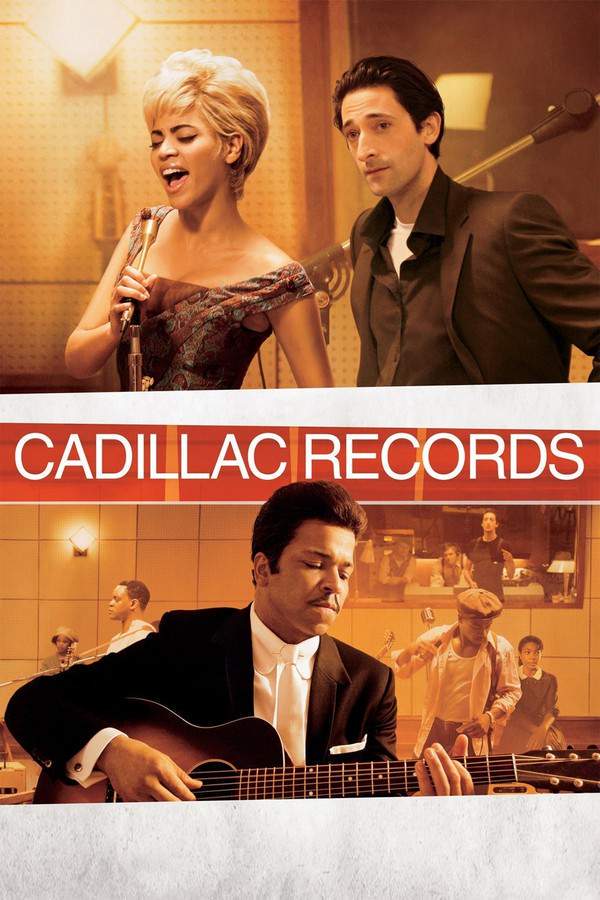
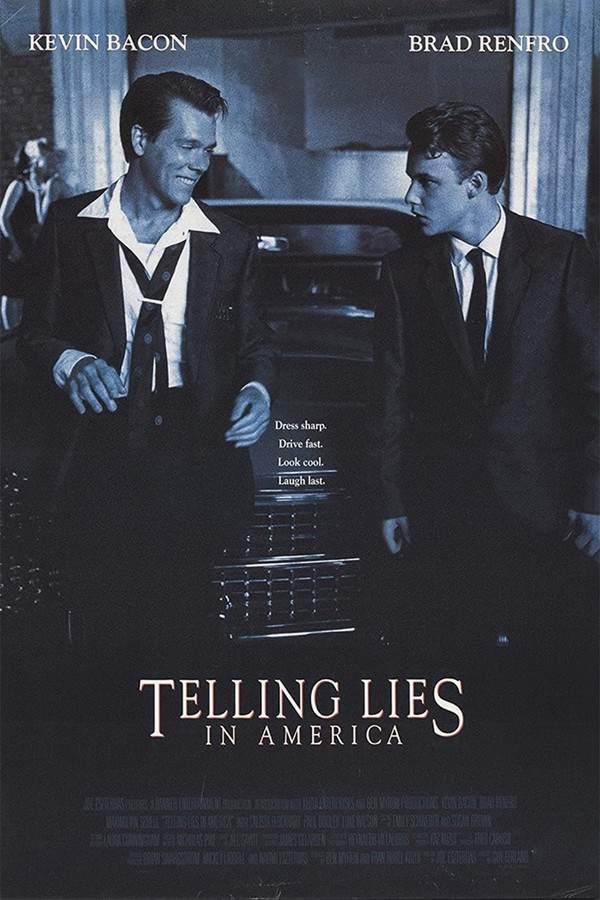
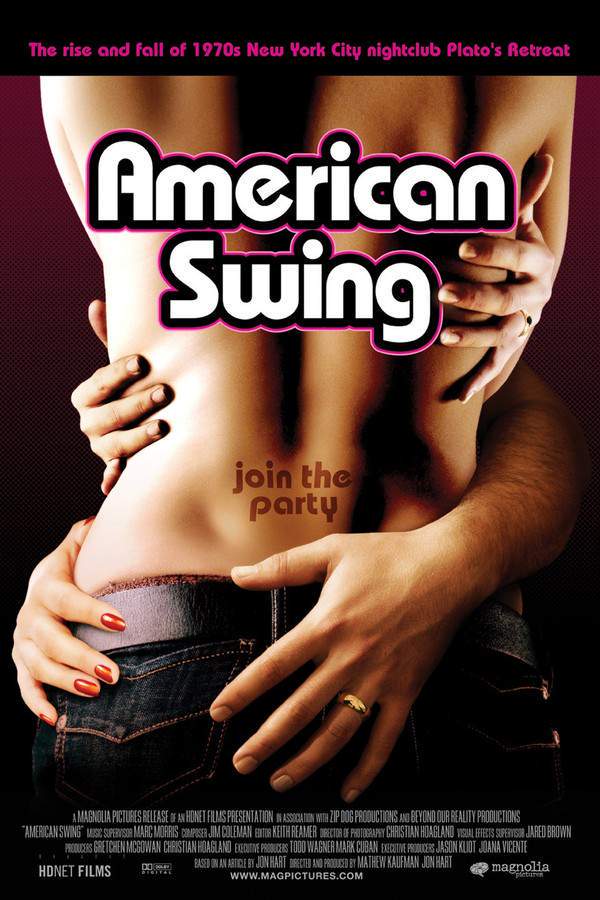
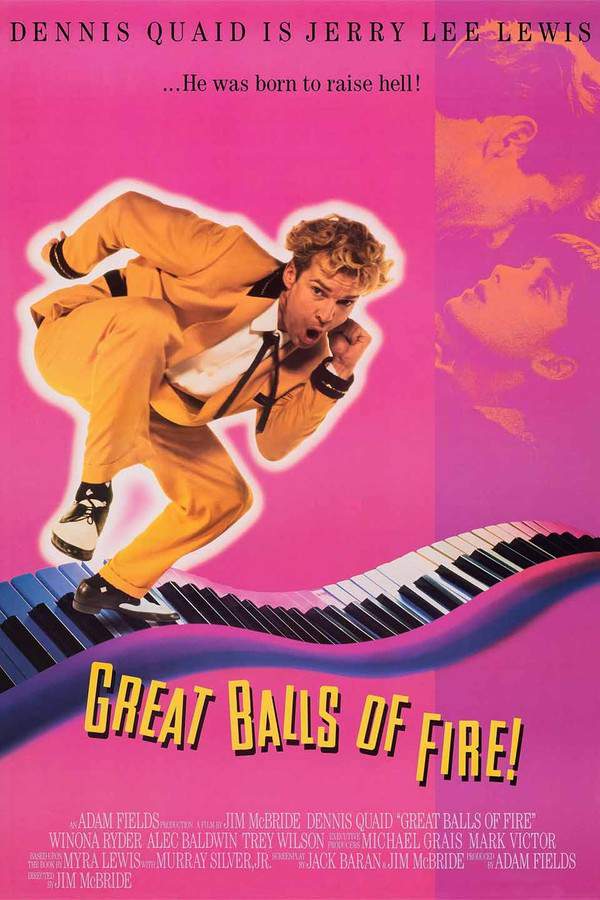
Nostalgic Music Era Dramas similar to American Hot Wax

Revisiting pivotal moments in pop culture with both joy for the music and sorrow for the cost. Find movies like American Hot Wax that immerse you in a nostalgic music scene. These dramas capture the rebellious spirit and energetic sounds of a cultural revolution, often set in a specific historical period, while exploring the bittersweet personal stories of the pioneers behind the music.

  • nostalgic
  • energetic
  • rebellious
  • triumphant
  • melancholic
  • historical
  • Tone: nostalgic, bittersweet, energetic
  • Pacing: steady, reflective
Why these movies?

The story pattern: Narratives are often structured around a specific, real-world cultural event or movement. They use a steady pace to build towards a climactic cultural moment (a concert, a broadcast) that symbolizes the peak of the movement's influence. The stories are straightforward, focusing on the emotional truth of the era rather than complex plotting, and often end with a mix of victory for the culture and loss for the individuals.

Why they belong together: These films share a specific emotional blend: the infectious joy and rebellion of a music scene combined with a melancholic reflection on the price paid by its heroes. The steady pacing and medium intensity create an engaging, reflective vibe that is both celebratory and sobering.

If you liked this

Movies Like American Hot Wax

Similar movies to American Hot Wax: the same genre, themes or kind of story. Each one comes with its own plot summary, timeline and ending explained.

Browse all movie summaries

Every angle

American Hot Wax (1978) Explained: Plot, Timeline & Characters

Everything about American Hot Wax in one place: what happens in the plot summary, the timeline in chronological order, the characters and meaning and a spoiler-free summary. What's After the Movie adds the cast, box office and post-credit scenes.

Coming soon on iOS and Android

The Plot Explained Movie Summary App

Plot summaries, endings explained and timelines on your phone. Catch up on any movie in minutes, save your favorites and never miss a twist again.

Be the first to know when we launch. Your email stays private, always.

Learn more about the app