Plot Explained Spoilers guaranteed!
Plot Explained

Browse by genre

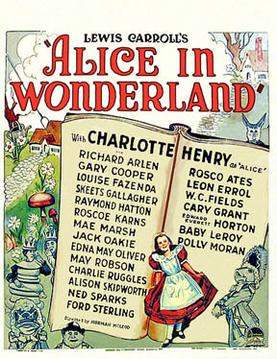
Alice in Wonderland (1933) movie poster

Characters & Themes

Alice in Wonderland (1933) Characters, Setting & Themes Explained

Release, runtime and language
1933 · 76 min · English
Loading streaming availability…
Directed by
Norman Z. McLeod, Hugh Harman, Rudolf Ising
Starring
Gary Cooper, Cary Grant, William Austin, Roscoe Ates, Alec B. Francis, Leon Errol

A spirited young woman, bored with Victorian England’s social conventions, follows a White Rabbit down a rabbit hole and into the fantastical world of Wonderland. There, she encounters peculiar and whimsical creatures, faces absurd situations, and embarks on a curious adventure filled with bizarre encounters and unexpected transformations.

On this page (8)
  1. 1 Where to watch
  2. 2 Characters explained (4)
  3. 3 Where & when it takes place
  4. 4 Themes & meaning (2)
  5. 5 Character & meaning questions
  6. 6 Movie threads
  7. 7 Movies like Alice in Wonderland
  8. 8 Every angle
Loading streaming availability…

4 main characters · contains spoilers

Alice in Wonderland Characters Explained: Who Is Who

The main characters of Alice in Wonderland (1933), heroes and villains: what drives them, how they change over the course of the story and what each of them reveals about the film's bigger ideas.

  • Alice

    Alice is a curious and adventurous young girl who embarks on a fantastical journey in Wonderland. She is depicted as brave and resourceful, often finding herself in bizarre situations that challenge her understanding of logic. Throughout the film, her growth and shrinking symbolize her struggles with identity and adaptability.

    • 👧 Child
    • 🌈 Curious
  • Queen of Hearts

    The Queen of Hearts is a domineering and temperamental figure who represents authority in Wonderland. Known for her famous catchphrase, 'Off with their heads!', she embodies the absurdity and arbitrary nature of power. Despite her fierce demeanor, her character reveals vulnerabilities and overreactions to challenges.

    • 👑 Authority
    • 🎭 Chaotic
  • Mad Hatter

    The Mad Hatter is an eccentric character who hosts the whimsical tea party in Wonderland. He is characterized by his quirky personality and nonsensical dialogue, often defying logic. His character represents creativity and the joy of imagination, inviting Alice and others to view the world through a different lens.

    • 🎩 Eccentric
    • ☕ Creative
  • Cheshire Cat

    The Cheshire Cat is a mysterious creature known for his wide grin and ability to appear and disappear at will. His philosophical insights and playful riddles offer guidance to Alice, embodying the theme of perception versus reality. The cat's unique ability symbolizes the fluidity of identity and perspective in Wonderland.

    • 😸 Mysterious
    • 🌫️ Philosophical

Last updated: May 20, 2025 at 06:34

Was this helpful?

Setting

Where and When Does Alice in Wonderland Take Place?

The setting of Alice in Wonderland (1933): the year and time period, the places and locations, and how they shape the characters, the mood and the tension of the story.

Time period

The story unfolds in a timeless, dream-like environment where the standard rules of reality do not apply. Events happen in a fluid, non-linear manner, representative of a child's imaginative play. This absence of a specific time period enhances the enchanting and otherworldly quality of Wonderland.

Location

Wonderland

Wonderland is a fantastical realm filled with whimsical characters and surreal landscapes. It is known for its peculiar situations, such as talking animals and impossible events. The various locations within this world, from the Mad Hatter's tea party to the Queen of Hearts' croquet grounds, offer a vibrant tapestry of imagination and wonder.

  • 🦄 Fantasy
  • 🌈 Surreal

Last updated: May 20, 2025 at 06:34

Was this helpful?

2 major themes

Alice in Wonderland Meaning: Themes & Message Explained

What is Alice in Wonderland (1933) really about? The emotional, social and philosophical themes the film keeps returning to, its symbolism and the message beneath the surface.

  • Identity

    Alice's journey is a quest for self-discovery as she navigates the confusing landscapes of Wonderland. Throughout her adventures, she grapples with her identity, constantly changing size and encountering various perspectives. The theme emphasizes the importance of understanding oneself amidst chaos.

  • Absurdity

    The absurd nature of Wonderland highlights the theme of unpredictability in life. Through nonsensical characters and situations, such as the Mad Hatter's tea party, the story encourages viewers to embrace the unexpected. This absurdity reflects the whimsical nature of childhood imagination.

Last updated: May 20, 2025 at 06:34

Was this helpful?

Character & theme questions

Alice in Wonderland Characters & Meaning: Your Questions Answered

The questions people ask about Alice in Wonderland (1933): who the characters really are, their relationships, what the symbols mean, where it takes place and what the movie is really about. Each answer contains spoilers.

Q1

Where does Alice in Wonderland take place?

The story takes place in Wonderland, a fantastical realm filled with whimsical characters and surreal landscapes. This magical world features talking animals, impossible events, and peculiar situations unlike the real world. Notable locations within Wonderland include the Mad Hatter's eternal tea party and the Queen of Hearts' croquet grounds.

  • wonderland
  • setting
  • fantasy realm
  • magic world
Q2

What time period is Alice in Wonderland set in?

Alice in Wonderland is set in a timeless, dream-like environment where standard reality does not apply. There is no specific time period, the story unfolds in a fluid, non-linear manner that represents a child's imaginative play. This absence of a defined era enhances the enchanting, otherworldly quality of Wonderland itself.

  • time period
  • era
  • timeless
  • dreamlike
  • fantasy
Q3

What is the main theme of Alice in Wonderland?

The main themes of Alice in Wonderland are Identity and Absurdity. Alice's journey represents a quest for self-discovery as she navigates Wonderland's confusing landscapes, constantly changing size and encountering various perspectives. Simultaneously, the absurd nature of Wonderland, with nonsensical characters like the Mad Hatter, encourages viewers to embrace the unexpected and reflect the whimsical nature of childhood imagination.

  • themes
  • identity
  • absurdity
  • self-discovery
  • imagination
Q4

Who is the Queen of Hearts in Alice in Wonderland?

The Queen of Hearts is a domineering and temperamental figure who represents authority in Wonderland. She is famous for her catchphrase 'Off with their heads!' and presides over absurd trials and croquet games. Despite her fierce demeanor, her character reveals vulnerabilities and overreactions to challenges, embodying the absurdity and arbitrary nature of power.

  • queen of hearts
  • authority
  • power
  • villain
Q5

What does the Cheshire Cat represent in Alice in Wonderland?

The Cheshire Cat is a mysterious creature known for his wide grin and ability to appear and disappear at will. He offers Alice philosophical insights and playful riddles, embodying the theme of perception versus reality. His unique ability to vanish while leaving only his smile symbolizes the fluidity of identity and perspective in Wonderland.

  • cheshire cat
  • perception
  • reality
  • guidance
  • mystery
Q6

Why is the Mad Hatter important in Alice in Wonderland?

The Mad Hatter is an eccentric character who hosts the whimsical tea party in Wonderland. His quirky personality and nonsensical dialogue defy logic throughout the film. He represents creativity and the joy of imagination, inviting Alice and viewers to see the world through a different, more playful lens, reinforcing the film's celebration of childlike wonder.

  • mad hatter
  • tea party
  • creativity
  • imagination
  • eccentric
Q7

What does Alice's changing size symbolize in the story?

Alice's ability to grow and shrink throughout her adventures symbolizes her struggles with identity and adaptability. As she navigates Wonderland's unpredictable world, changing sizes represent the confusion and instability she feels while discovering who she truly is. This motif emphasizes the theme of self-discovery amidst chaos.

  • alice
  • growth
  • shrinking
  • symbolism
  • identity
  • adaptability
Q8

Is Alice in Wonderland a dream?

Yes, Alice in Wonderland is presented as a dream. Alice awakens safely from what was revealed to be a vivid dream at the end of the film. This realization cushions any tension created by the Queen of Hearts' threats, reinforcing the film's nature as a gentle, imaginative escape from Victorian conventions rather than a story with real consequences.

  • dream
  • awakening
  • ending
  • reality
  • fantasy
Q9

What does Wonderland represent about childhood?

Wonderland represents the boundless nature of childhood imagination. Its absurd logic, talking animals, and impossible events reflect the way children experience fantasy and play. The story captures the whimsy and unpredictability of childhood, where rules are flexible and curiosity leads to extraordinary adventures.

  • childhood
  • imagination
  • whimsy
  • fantasy
  • growth
Q10

What kind of movie is Alice in Wonderland?

Alice in Wonderland is an adventure fantasy family film. The overall tone is overwhelmingly whimsical due to the fantastical setting and absurdist logic of Wonderland. The emotional weight is light, focusing on wonder and curiosity rather than deep drama. The pacing varies as Alice moves from one strange vignette to another, creating a dreamlike, unpredictable rhythm.

  • genre
  • fantasy
  • family
  • adventure
  • whimsical

Movie threads

More Movies Like Alice in Wonderland, by Mood & Story

Curated lists built around what makes Alice in Wonderland tick: the same mood, the same kind of story or the same emotional payoff. Each list explains why these movies belong together.

Surreal dream adventure movies like Alice in Wonderland

Characters tumble into fantastical dreamworlds that defy logic and reason. If you enjoyed the whimsical and absurd dreamworld of Alice in Wonderland, you'll love these movies. This list features films with fantastical journeys into surreal landscapes, filled with curious creatures and dreamlike logic, perfect for viewers seeking similar imaginative escapes.

  • dreamlike
  • surreal
  • whimsical
  • fantastical
  • nonsensical
  • playful
  • Tone: whimsical, playful, curious
  • Pacing: variable, dreamlike
Why these movies?

The story pattern: Stories in this thread typically follow a protagonist who enters an alternate reality, often through a dream or a portal. The narrative is episodic, moving from one strange encounter to another without a traditional plot. The conflict is minimal, and the journey emphasizes exploration and the sheer joy of discovery over high-stakes drama.

Why they belong together: These movies are grouped together because they share a core premise of a character exploring a nonsensical world. They have a light emotional weight, a playful tone, and prioritize imaginative world-building and whimsical atmosphere over complex plotting or intense conflict.

Movies about escaping reality like Alice in Wonderland

Protagonists break free from dull or oppressive realities into vibrant new worlds. For fans of Alice in Wonderland's theme of breaking free from Victorian boredom, this list features movies with protagonists who escape restrictive settings. These similar stories explore imaginative worlds as an antidote to convention, offering joyful and curious adventures.

  • escapist
  • liberating
  • curious
  • imaginative
  • hopeful
  • adventurous
  • Tone: hopeful, whimsical, liberating
  • Pacing: steady, with adventurous bursts
Why these movies?

The story pattern: The narrative pattern begins with a protagonist dissatisfied with their mundane or constrained life. An inciting event—like following a rabbit—propels them into an extraordinary setting that challenges their worldview. The journey is one of personal transformation, where the protagonist gains new perspectives before returning, changed, to their original world.

Why they belong together: These films are connected by their central theme of escape and transformation. They blend light adventure with a critique of conformity, using fantasy as a vehicle for exploring individuality and curiosity. The tone is generally hopeful, and the ending reinforces the value of the imaginative journey.

If you liked this

Movies Like Alice in Wonderland

Similar movies to Alice in Wonderland: the same genre, themes or kind of story. Each one comes with its own plot summary, timeline and ending explained.

Browse all movie summaries

Every angle

Alice in Wonderland (1933) Explained: Plot, Timeline & Characters

Everything about Alice in Wonderland in one place: what happens in the plot summary, the timeline in chronological order, the characters and meaning and a spoiler-free summary. What's After the Movie adds the cast, box office and post-credit scenes.

Coming soon on iOS and Android

The Plot Explained Movie Summary App

Plot summaries, endings explained and timelines on your phone. Catch up on any movie in minutes, save your favorites and never miss a twist again.

Be the first to know when we launch. Your email stays private, always.

Learn more about the app