



Plot Explained Spoilers guaranteed!
Plot Explained

Browse by genre

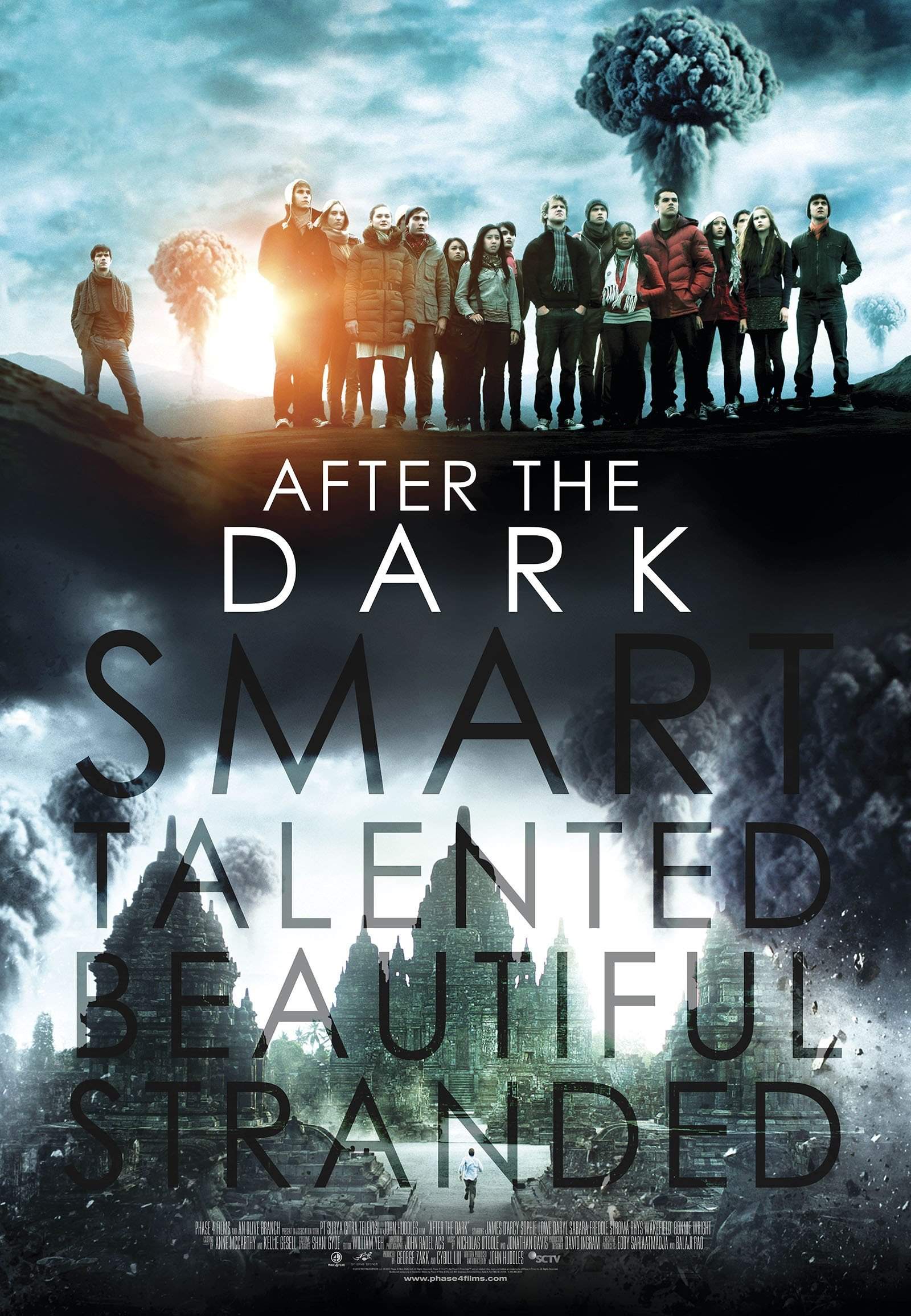
After the Dark (2014) movie poster

Timeline

After the Dark (2014) Timeline Explained – Every Event in Order

Release, runtime and language
2014 · 107 min · Unknown language
Directed by
John Huddles

Amidst the political turmoil of communism dividing a village, lifelong friends Katerina and Stefan find themselves separated. Years pass, and their lives unexpectedly intersect again, rekindling a passionate but forbidden love. Their reunion challenges the delicate balance of the community now striving for unity, forcing them to confront the past and fight for their future.

On this page (7)
  1. 1 Where to watch
  2. 2 Events in order (15)
  3. 3 Timeline questions answered
  4. 4 Movie threads
  5. 5 Movies like After the Dark
  6. 6 Categories
  7. 7 Every angle

Where to watch

Where to Watch After the Dark (2014)

Where can you watch After the Dark? Stream, rent or buy it in the US, including on Amazon Video, Google Play Movies and YouTube: current JustWatch availability with up-to-date prices.

Streaming availability powered by JustWatch

15 events in order · contains spoilers

After the Dark Timeline: Events in Chronological Order

Every key event of After the Dark (2014) in order, scene by scene, with when and where it takes place. Use it to untangle flashbacks, time jumps and parallel storylines, to refresh your memory before the sequel or to find the exact scene you are thinking of.

  1. Zimit's Thought Experiment

    In the oppressive heat of Jakarta, Mr. Zimit introduces his class to a challenging thought experiment on ethics and survival. He presents a dire hypothetical scenario: an atomic apocalypse is imminent, and only ten students can escape to a survival bunker due to limited space.

    Where
    Jakarta
  2. Petra's Hesitation

    Initially, top student Petra is resistant to engage in the exercise. However, when Zimit subtly warns her about the potential jeopardy her boyfriend James might face academically, she reluctantly decides to participate, feeling the pressure to protect him.

  3. Role Assignments

    As the students begin to navigate the dilemma, they receive cards that define their roles for the hypothetical scenario. James's background as an organic farmer enhances his viability for survival, while Petra's engineering skills make her indispensable.

  4. Debates for Survival

    The class engages in intense discussions regarding who gets to enter the bunker, as each student advocates for their essential skills. This leads to heated debates about who deserves to go, exposing varying perceptions of worth within the group.

  5. Zimit's Shocking Revelation

    As decisions solidify, the students initially agree to let Zimit join them in the bunker, but he shocks them by revealing that those excluded will be euthanized. This horrifying admission sends the group into a panic as they rush into the bunker, locking Zimit out.

  6. The Exit Code

    Years later, the survivors finally leave the bunker only to discover a devastating truth: Zimit held the exit code all along. Faced with despair and futility, the survivors find themselves trapped in hopelessness, leading to tragic outcomes.

    Where
    Bunker
  7. Misguided Decisions

    As the survivors regroup, they confront the facts that their choices were based on flawed information. The roles they accepted through their cards reveal hidden truths that threaten their dynamics and decisions going forward.

  8. Pressure to Reproduce

    With unease settling in, Zimit insists on procreation within the bunker, stirring mixed reactions among the group. While some couples embrace the challenge, it raises discomfort for others, specifically for James regarding Petra's forced pairing with Zimit.

    Where
    Bunker
  9. Tensions Rise

    As time passes without any pregnancies, tensions in the bunker reach a boiling point. Zimit's growing frustration leads him to propose shifting partnerships, a demand vehemently rejected by Bonnie, a soldier with an exceptional memory.

    Where
    Bunker
  10. Chaos Unleashed

    In a moment of desperation, Zimit draws a gun, prompting intervention from Jack. In the ensuing chaos, Zimit forcibly opens the bunker doors, resulting in catastrophic consequences for the entire group caught in the turmoil.

    Where
    Bunker
  11. James's Realization

    Post-chaos, James reflects deeply on Zimit's motives for conducting this twisted experiment. Upon further scrutinizing the cards, he discovers that his fate may have been predetermined all along, intensifying his distrust in Zimit's intentions.

  12. Petra's Rebellion

    Unfazed by the chaos, Petra takes charge and initiates a third iteration of the experiment. This time, she selects participants viewed as risky, much to Zimit's dismay as unorthodox members like an opera singer and a poet join the fray.

    Where
    Bunker
  13. Escape Plan

    In a courageous act, Chips takes Petra's place just as the bunker doors are sealing, effectively pushing Zimit out. Meanwhile, Bonnie recalls the exit code crucial for countering Zimit's plans, leading to their eventual escape.

  14. Reality Check

    Upon emerging from the bunker, the survivors are stunned to discover that the feared atomic bombs never fell. While Zimit warns of their doom due to a lack of skills, Petra argues that their experiences in the bunker fostered creativity and joy.

    Where
    Beach
  15. Final Confrontation

    Faced with the remnants of their experiences, Zimit engages in a tense conversation with Petra. As she challenges his motives and reveals the futility of his calculations, their exchange culminates in a haunting gunshot, setting the stage for countless hypothetical outcomes of their journey.

    Where
    Empty Classroom

Last updated: November 19, 2024 at 12:26

Was this helpful?

Timeline questions answered

After the Dark Timeline Explained: Your Questions Answered

When does it happen, and why in that order? The questions people ask about the chronology of After the Dark (2014): time jumps, flashbacks, cause and effect between scenes and the correct order of events, each answered with spoilers.

Q1

Why does Mr. Zimit put his students through the bunker thought experiment?

Zimit uses the thought experiment to force his students to confront the brutal realities of survival ethics. He claims the purpose is to make them confront the privileges of their comfortable lives and understand how people reduce each other to mere variables based on utility. However, his true motives remain ambiguous throughout the film, with hints that he may be testing them for more sinister purposes related to his own psychological manipulation.

Foreshadowing: Early in the film, Zimit remains an inscrutable figure, keeping his own abilities hidden while observing how the students navigate the dilemma.

  • mr zimit
  • motivation
  • thought experiment
  • ethics
  • survival
  • bunker
Q2

What hidden information do the cards reveal about the students?

The cards initially appear to simply indicate each student's role and skills for survival. However, they contain concealed information that drastically changes the dynamics of the group. For example, Georgina's card reveals she may have been exposed to the Ebola virus, which would disqualify her from consideration. James's card later reveals his fate may have been predetermined from the start, suggesting the entire exercise was rigged.

Foreshadowing: The cards are presented as straightforward role indicators, but Zimit's cryptic warnings to Petra hint that the cards contain more than meets the eye.

  • cards
  • roles
  • hidden information
  • ebola
  • james
  • georgina
  • manipulation
Q3

Why do the survivors commit suicide after leaving the bunker?

Years later, when the survivors finally exit the bunker believing they can escape, they discover a devastating truth: Zimit held the exit code the entire time. This revelation, combined with their prolonged isolation and the psychological trauma of their experience, leads them to despair. Realizing their attempts at freedom were futile from the beginning and having lost hope, they tragically choose to end their own lives within the bunker.

Foreshadowing: The timeline hints at this outcome when it notes the survivors 'succumb to their hopelessness' after discovering the truth about the exit code.

  • suicide
  • exit code
  • despair
  • hopelessness
  • bunker
  • years later
Q4

Why does Zimit keep the exit code secret from the survivors?

Zimit withholds the exit code to maintain control over the survivors and to test how they respond to perceived futility. By letting them believe they're trapped, he observes their psychological breakdown and decision-making under extended duress. The exit code becomes a tool for his ongoing manipulation, allowing him to shape the group's dynamics and force them into increasingly desperate situations.

Foreshadowing: Zimit's initial revelation about euthanasia and his continued control throughout the bunker years establish his pattern of withholding critical information.

  • exit code
  • secret
  • zimit
  • control
  • manipulation
  • bunker
Q5

Why does Chips take Petra's place in the bunker?

In the third iteration of the experiment, as the bunker doors are about to seal shut, Chips covertly takes Petra's place, ensuring her survival by pushing her out while taking her spot inside. This act of rebellion against Zimit's manipulations demonstrates loyalty and solidarity with Petra, who had been leading the resistance against his control. The sacrifice highlights the genuine human connections that persist despite Zimit's attempts to reduce everyone to expendable variables.

Foreshadowing: Petra's leadership in organizing the third iteration and her challenge to Zimit's selection criteria set up this moment of resistance.

  • chips
  • petra
  • sacrifice
  • escape
  • third iteration
  • loyalty
Q6

Why does Zimit demand that survivors reproduce in the bunker?

Zimit insists on procreation within the bunker to further assert his control and force the survivors to continue his experiment beyond the initial survival scenario. By demanding they reproduce, he turns the bunker into a long-term breeding program, treating human reproduction as another variable in his philosophical exercise. This creates additional psychological pressure and discomfort, particularly for James, who is forced to watch Petra be paired with Zimit.

Foreshadowing: The shift from survival selection to forced reproduction marks Zimit's escalating manipulation tactics.

  • procreation
  • reproduction
  • coercion
  • zimit
  • control
  • bunker
Q7

What happens at the end - is the gunshot real?

The ending is intentionally ambiguous. After Petra confronts Zimit about reducing human interactions to variables, a gunshot echoes through the empty classroom. However, rather than providing closure, this launches a series of diverging hypothetical scenarios, each representing alternate outcomes from the exercises. These multiple potential worlds suggest the entire narrative may have been one of many hypothetical iterations, leaving the question of whether the gunshot is real or just another hypothetical completely open.

Foreshadowing: The film establishes early on that multiple iterations of the same scenario are possible, preparing viewers for this ambiguous conclusion.

  • ending
  • gunshot
  • ambiguous
  • hypothetical
  • scenarios
  • classroom
Q8

Why do the survivors panic and lock Zimit out of the bunker?

After initially agreeing to let Zimit join them in the bunker, the students are horrified to learn that those excluded will be euthanized rather than simply left to face radiation. This revelation about forced death rather than natural survival triggers panic. In their fear and moral outrage, the remaining students rush into the bunker and lock Zimit out, believing they're saving themselves from participating in or witnessing mass euthanasia.

Foreshadowing: Zimit's cryptic warnings throughout the exercise hint at darker consequences beyond mere survival selection.

  • euthanasia
  • panic
  • bunker
  • zimit locked out
  • radiation
  • survival
Q9

Why does James think his fate was predetermined in the experiment?

James discovers through careful examination of his card that his fate may have been predetermined all along, suggesting Zimit manipulated the entire exercise. This revelation deepens his distrust of Zimit's intentions and raises questions about whether the experiment was truly about ethics or about engineering specific outcomes. The predetermined nature of his role implies the thought experiment was less about genuine moral reasoning and more about testing how participants would react to pre-scripted scenarios.

Foreshadowing: Zimit's warning to Petra about James's academic standing hints at his control over specific individuals' involvement.

  • james
  • predetermined
  • fate
  • card
  • manipulation
  • zimit
Q10

How does the third iteration of the experiment differ from the first two?

In the third iteration, Petra takes control of the selection process and deliberately chooses participants whose skills are deemed risky or peripheral - including an opera singer and a poet. This rebel selection challenges Zimit's utilitarian logic by valuing human diversity and creativity over pure survival utility. Zimit's aggravation at these 'unconventional' choices demonstrates that his experiment was never truly about finding the most capable survivors, but about testing specific values and hierarchies.

Foreshadowing: Petra's leadership emerges after the chaos of the second iteration, showing her refusal to accept Zimit's framework.

  • third iteration
  • petra
  • rebellion
  • selection
  • opera singer
  • poet
  • utilitarian
Q11

How do the remaining survivors defeat Zimit's schemes?

After emerging from the bunker and discovering the bombs never fell, the survivors band together to dismantle Zimit's control. Bonnie, the soldier with eidetic memory, recalls the exit code that thwarts Zimit's continued manipulation. Petra leads the resistance against his authority, and the group collectively rejects his philosophical framework. Their unity and refusal to continue being variables in his experiment ultimately undermine his power, though Zimit continues targeting James specifically.

Foreshadowing: Bonnie's eidetic memory is established early as a significant trait, while Petra's growing leadership becomes the driving force against Zimit.

  • survivors
  • zimit
  • defeat
  • bunker
  • exit code
  • bonnie
  • united front
Q12

Why were there no atomic bombs - was the threat fake?

When the survivors finally emerge from the bunker, they discover that the feared atomic bombs never actually fell. Zimit's entire premise was either a lie or an inaccurate prediction. While Zimit warns that their lack of technical skills will lead to their doom outside the bunker, Petra counters that their time in the bunker fostered creativity and joy despite the circumstances. This revelation raises questions about whether Zimit orchestrated the entire scenario or simply exploited an imagined threat.

Foreshadowing: The thought experiment's hypothetical nature suggests the apocalypse was always meant to be tested, not necessarily real.

  • bombs
  • apocalypse
  • threat fake
  • real
  • survival
  • petra

Movie threads

More Movies Like After the Dark, by Mood & Story

Curated lists built around what makes After the Dark tick: the same mood, the same kind of story or the same emotional payoff. Each list explains why these movies belong together.

Philosophical Survival Movies Like After the Dark

Characters trapped in intense thought experiments that test the limits of human nature. If you enjoyed the intense thought experiment of After the Dark, explore more movies like it. These films feature characters trapped in high-stakes simulations or scenarios that test human nature, blending philosophical debate with survival tension for a cerebral and unsettling experience.

  • cerebral
  • claustrophobic
  • philosophical
  • anxious
  • high-stakes
  • unsettling
  • Tone: dark, cerebral, unsettling
  • Pacing: variable, methodical
Why these movies?

The story pattern: Narratives in this thread typically begin with a confined scenario or simulation that presents an abstract philosophical problem with real, life-or-death consequences. The story unfolds through debates, moral choices, and escalating tension as the theoretical becomes terrifyingly practical, often culminating in ambiguous or bleak resolutions.

Why they belong together: These films are grouped by their shared focus on using a high-pressure survival framework to explore deep philosophical questions. They create a unique blend of intellectual stimulation and visceral anxiety, appealing to viewers who enjoy stories that are as mentally challenging as they are emotionally intense.
Bleak Psychological Movies Similar to After the Dark

Unnerving journeys into psychological collapse that resist easy conclusions. Find movies similar to After the Dark that deliver a heavy, unsettling psychological experience. These bleak thrillers and dramas explore disturbing themes, feature complex narratives, and often conclude with ambiguous endings that linger in your mind long after the credits roll.

  • bleak
  • psychological
  • unsettling
  • cerebral
  • anxious
  • existential
  • Tone: dark, bleak, unsettling
  • Pacing: variable, deliberate
Why these movies?

The story pattern: Stories in this thread often follow characters grappling with reality, morality, or their own sanity. The plot weaves through unsettling revelations and moral grey areas, building towards a climax that doesn't provide clear resolution but instead emphasizes the complexity and darkness of the human experience.

Why they belong together: These films are united by their commitment to a dark, psychologically heavy tone and a narrative structure that favors complexity and ambiguity over neat conclusions. They share a specific mood of intellectual and emotional disquiet, perfect for viewers who appreciate challenging and thought-provoking cinema.

If you liked this

Movies Like After the Dark

Similar movies to After the Dark: the same genre, themes or kind of story. Each one comes with its own plot summary, timeline and ending explained.

Browse all movie summaries

Categories

Movie Lists Featuring After the Dark

After the Dark appears in these hand-built movie categories. Each one groups movies by a specific mood, theme or story type, with their plot summaries and endings explained.

View all movie categories

Every angle

After the Dark (2014) Explained: Plot, Timeline & Characters

Everything about After the Dark in one place: what happens in the plot summary, the timeline in chronological order, the characters and meaning and a spoiler-free summary. What's After the Movie adds the cast, box office and post-credit scenes.

Coming soon on iOS and Android

The Plot Explained Movie Summary App

Plot summaries, endings explained and timelines on your phone. Catch up on any movie in minutes, save your favorites and never miss a twist again.

Be the first to know when we launch. Your email stays private, always.

Learn more about the app