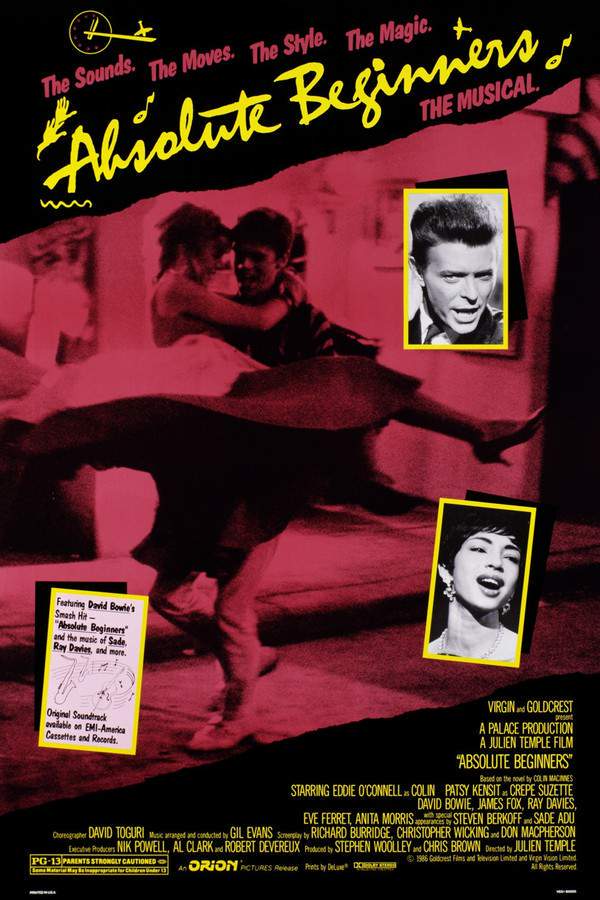
Absolute Beginners
Year: 1986
Runtime: 108 min
Language: English
Director: Julien Temple
Aspiring photographer Colin finds himself drawn into the captivating world of enigmatic model Crepe Suzette. Guided by the charismatic Vendice Partners, he experiences the competitive advertising industry firsthand and confronts social issues of the time, such as racism. As Colin and Crepe pursue fame, they must navigate the challenges of youthful rebellion and the compromises that come with chasing success.
Warning: spoilers below!
Haven’t seen Absolute Beginners yet? This summary contains major spoilers. Bookmark the page, watch the movie, and come back for the full breakdown. If you're ready, scroll on and relive the story!
Absolute Beginners (1986) – Full Plot Summary & Ending Explained
Read the complete plot breakdown of Absolute Beginners (1986), including all key story events, major twists, and the ending explained in detail. Discover what really happened, and what it all means.
In the dynamic landscape of London during 1958, the jazz era begins to fade as rock and roll takes its place, marking a significant cultural shift. At the center of this transformation is Colin, a young photographer captivated by the charm of Suzette, an aspiring fashion designer. With a burning drive for artistic authenticity, Colin finds himself caught in the relentless grasp of commercial photography initiated by music producer Harry Charms, who has his sights set on the young sensation known as Baby Boom.
Despite Colin's aspirations, he grapples with the stifling demands of his job while Suzette explores her creative ambitions in a direction that diverges from Colin's ideals. Her innovative designs are snatched up by the prestigious designer Henley of Mayfair, who seeks to elevate his status at her expense. The strain between their artistic integrity and the commercialization of their talents culminates in a heart-wrenching decision for Suzette. Desiring the best of both worlds, she chooses career over love, leading to a painful rift.
The plot intensifies when Colin uncovers Suzette's alarming plan to marry the older Henley, a move she justifies as strategic for her career's success. This stunning realization strikes Colin at a party hosted by gossip columnist Dido Lament, where he also crosses paths with advertising genius Vendice Partners. Here, an intriguing yet challenging opportunity presents itself, questioning Colin's artistic principles.
Simultaneously, the film paints a stark portrayal of rising racial tensions in London's Notting Hill, exacerbated by increasing immigration and the hateful ideologies propagated by the White Defence League, orchestrated by the ominous figure known as Fanatic. As Colin grapples with these societal upheavals, he finds himself conflicted—a battle between his fervent need for artistic expression and his outrage against the escalating racism that looms over his city.
As Suzette commits to Henley, Colin is lured deeper into the realm of advertising with a tempting job offer from Vendice Partners. Hoping to secure financial stability and win Suzette back, he accepts, but not without profound implications. The fallout from his choices reverberates through his artistic credibility, personal relationships, and his own identity.
As the narrative unfolds, Colin's journey elucidates the clash between creativity and commercial expectations. His impassioned rants on the television show Searchlight expose the generational rifts, as he vehemently criticizes those who seek to exploit youth for profit. Ultimately, Suzette's troubled marriage becomes symbolic of the harsh reality of compromise and the elusive nature of true artistic freedom.
Amid escalating unrest, racial violence reaches a critical point. Colin's ally, Mr. Cool, warns him about the increasingly bold and organized nature of hate groups. In a shocking revelation, Colin learns that the newly established White Housing Development is a deceptive plot orchestrated by Partners and Henley to gentrify the once-thriving West 11 neighborhood. In a bid to unveil this conspiracy, Colin shoots incriminating photographs and attempts to enlist Dido’s help, only to discover her allegiance to Partners renders her support impotent.
As chaos ensues, Colin bears witness to the harrowing Notting Hill race riots of 1958, a tumultuous scene of destruction. His calls for peace go unheard as violence erupts around him. Eventually, with the intervention of authorities, order is restored. In the aftermath, Colin manages a reunion with Suzette, and they narrowly escape the devastating fires ignited by the White Defence League's actions. A separate conflict sees Mr. Cool triumph in his confrontation with a fervent member of the league.
As the dust settles, the community rallies together, finding solace and joy in spontaneous street dancing. Rain soaks the remnants of the violence, symbolizing a fresh start. In the intimacy of Colin's flat, he and Suzette finally give in to their pent-up emotions, sharing a passionate encounter. However, as the adrenaline fades, Colin throws Suzette's wedding ring out the window—an act symbolizing his rejection of the limitations that have constrained him until now.
Last updated: November 22, 2024 at 15:37
Absolute Beginners (1986) Plot Questions Answered – Summary FAQ
Explore frequently asked questions about Absolute Beginners (1986) with spoiler-rich answers covering the full plot summary, major story beats, character motivations, hidden details, and ending meaning. This movie summary FAQ helps explain confusing scenes, plot twists, and narrative decisions in clear, searchable detail.
Why does Suzette choose to marry Henley instead of Colin?
Suzette chooses to marry Henley, the prestigious designer from Mayfair, because she sees it as a strategic career move that will elevate her fashion career in the competitive industry. Despite her feelings for Colin, she desires success and recognition, and marrying Henley provides her with financial stability and industry connections that Colin, with his struggles in commercial photography, cannot offer. This decision represents the central romantic conflict of the film, showing how the pressures of the fashion world force artists to choose between love and career.
Earlier in the film, Suzette's designs are already being snapped up by Henley, foreshadowing her eventual choice to prioritize her career over her relationship with Colin.
Why does Colin accept the job offer from Vendice Partners?
Colin accepts Vendice Partners' job offer because he hopes to win Suzette back and gain financial stability after being devastated by her choice to marry Henley. The job represents a compromise of his artistic integrity, as Partners is an advertising executive who represents the commercial world Colin has always resisted. This decision illustrates the central theme of the film: the conflict between artistic authenticity and commercial success.
Colin's earlier resistance to Harry Charms' commercial photography hints at the internal struggle he will face when he eventually accepts a similar compromising position.
What is the White Housing Development conspiracy that Colin uncovers?
Colin discovers that the newly established White Housing Development is a deceptive plot orchestrated by Vendice Partners and Henley to gentrify the once-thriving West 11 neighborhood. This fake housing initiative is actually designed to displace the existing community, likely to increase property values and push out residents. Colin realizes this conspiracy is connected to the rising racial tensions, as the gentrification would disproportionately affect immigrant communities in the area.
The ominous figure known as Fanatic and the White Defence League's activities in Notting Hill are connected to this broader scheme of social engineering and displacement.
Why do the Notting Hill race riots of 1958 occur?
The Notting Hill race riots erupt due to escalating racial tensions in London's Notting Hill neighborhood, fueled by increasing immigration and the hateful ideologies propagated by the White Defence League, led by the figure known as Fanatic. The riots represent the violent culmination of these tensions, with the White Defence League actively promoting racist violence against the growing immigrant community. The conflict is further complicated by the discovery that the White Housing Development is a conspiracy to gentrify the area, connecting the racial violence to broader economic and social manipulation.
Mr. Cool's warning about the increasingly bold and organized nature of hate groups foreshadows the explosive violence of the riots.
Why does Colin throw Suzette's wedding ring out the window?
Colin throws Suzette's wedding ring out the window as a symbolic rejection of the constraints and compromises that have defined his journey throughout the film. After reuniting with Suzette following the traumatic riots, the act represents his rejection of the materialistic and restrictive values that drove her to marry Henley in the first place. The ring symbolizes the marriage, the commercial world, and all the artistic compromises he made trying to win her back, his final act is choosing artistic and personal freedom over these constraints.
Colin's earlier passionate speech on Searchlight about the exploitation of youth foreshadows his ultimate rejection of the commercial values represented by the ring.
What does Colin's television speech on Searchlight achieve?
Colin's passionate speech on Searchlight exposes the generational divide and condemns the exploitation of youth for profit in the commercial arts. While his televised rant raises awareness about the manipulation of young artists by the advertising and fashion industries, it ultimately does not change the system itself. The speech represents Colin's attempt to reclaim his artistic integrity after compromising with Vendice Partners, but it also highlights his helplessness against the larger forces of commercialization and social unrest consuming his city.
This speech directly leads to Colin's determination to expose the White Housing Development conspiracy, as he recognizes the same exploitative forces at work.
Why can't Dido Lament help Colin expose the conspiracy?
Dido Lament, the gossip columnist, cannot help Colin expose the White Housing Development conspiracy because she is revealed to be aligned with Vendice Partners. Despite initially appearing as a potential ally who hosts the party where Colin learns of Suzette's marriage plans, her allegiance to Partners renders her support impotent. Colin discovers this betrayal when he attempts to enlist her help, only to find that she cannot or will not expose the very people who control her social network and livelihood.
Dido's role as a powerful gossip columnist in the fashion and media world hints at her dependence on the same commercial powers Colin is fighting against.
How does the cultural shift from jazz to rock and roll affect the characters?
The cultural shift from jazz to rock and roll serves as the backdrop for the film, representing the rapid changes occurring in 1958 London. This transition affects the characters by heightening the sense of upheaval and forcing them to adapt to new artistic and social landscapes. For Colin and Suzette, this change mirrors their own struggles: the old ways of artistic expression are dying, and they must either evolve with the times or be left behind. The shift also parallels the social tensions, as traditional British culture faces pressure from new influences, including immigration and changing racial dynamics.
The opening sequence establishing this cultural shift immediately sets up the film's themes of change, displacement, and the struggle between tradition and modernity.
What happens when Mr. Cool confronts the White Defence League member?
Mr. Cool, Colin's ally in the fight against racial violence, confronts a fervent member of the White Defence League in a separate conflict during the riots. Unlike the widespread chaos of the Notting Hill riots where Colin witnesses destruction, this confrontation is more personal and direct. Mr. Cool prevails in this confrontation, representing a individual victory against racist violence, though it occurs within the larger context of community trauma and destruction.
Mr. Cool's earlier warnings about the organized nature of hate groups establish him as a character actively fighting against the rising racism that culminates in this confrontation.
Why does Henley of Mayfair want to use Suzette's designs?
Henley of Mayfair wants to use Suzette's innovative designs to elevate his own status in the fashion industry. As a prestigious but perhaps creatively stagnant designer, Suzette's fresh talent offers him the artistic credibility and innovation he lacks. This exploitation of Suzette's talent is part of the larger theme of the film, the commercial world preying on young artists. Henley's interest in Suzette is both romantic and strategic, representing how the fashion industry consumes creative individuals for status and profit.
Suzette's rising recognition in the fashion world earlier in the film establishes her value, making Henley's interest in leveraging her talent inevitable.

Explore Movie Threads
Discover curated groups of movies connected by mood, themes, and story style. Browse collections built around emotion, atmosphere, and narrative focus to easily find films that match what you feel like watching right now.
Movies about ambitious youth in turbulent times like Absolute Beginners
Stories of young artists chasing fame as social unrest threatens to shatter their world.Discover movies like 'Absolute Beginners' that explore the passionate but perilous path of young artists and rebels. These films often feature a fast-paced narrative, a tense tone, and bittersweet endings, immersing viewers in eras of cultural change where personal dreams collide with harsh societal realities.

This Day and Age
1933

Yuva
2004

The Legend of Billie Jean
1985
Absolute Beginners
1986

Echo Boomers
2020

Highest 2 Lowest
2025
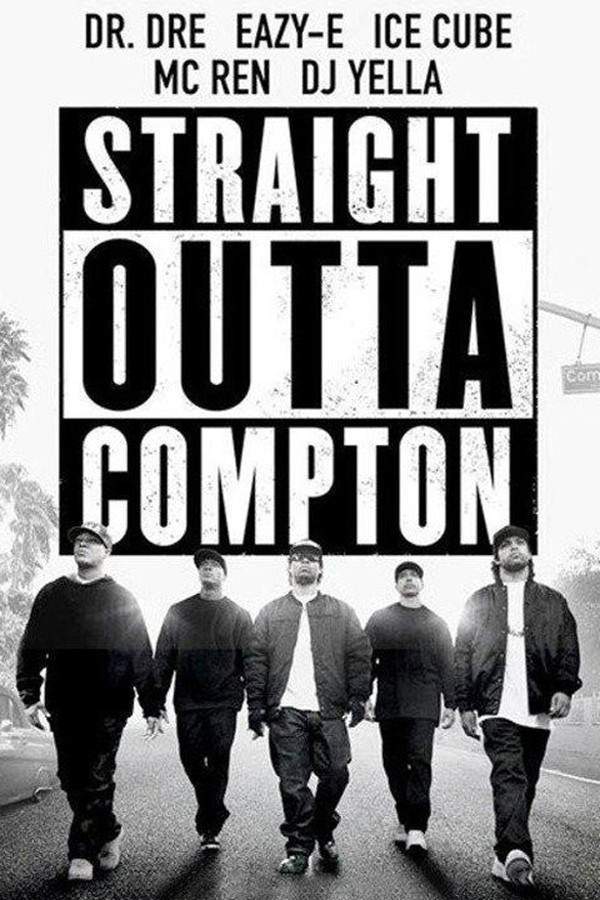
Straight Outta Compton
2015

Never Back Down: Revolt
2021

Young and Dangerous
1996
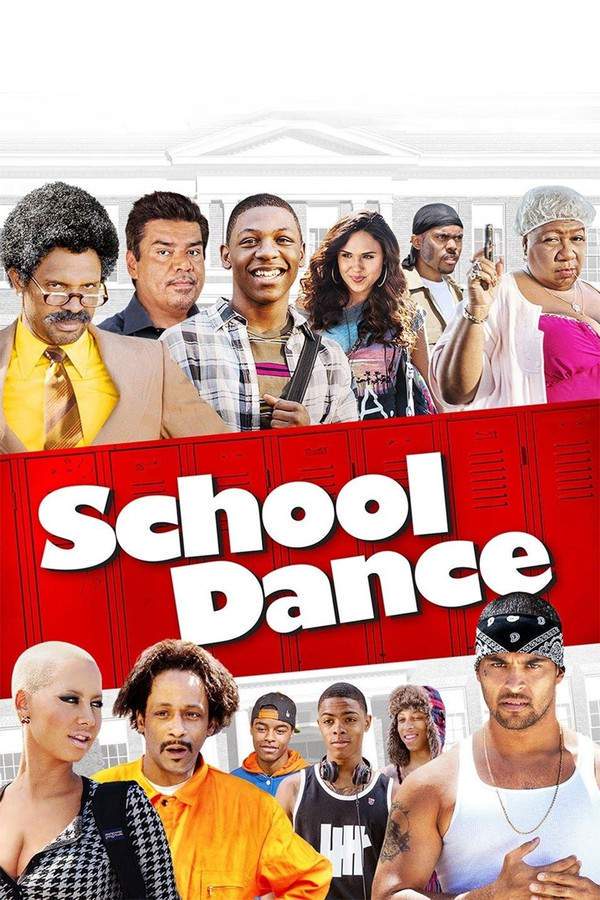
School Dance
2014
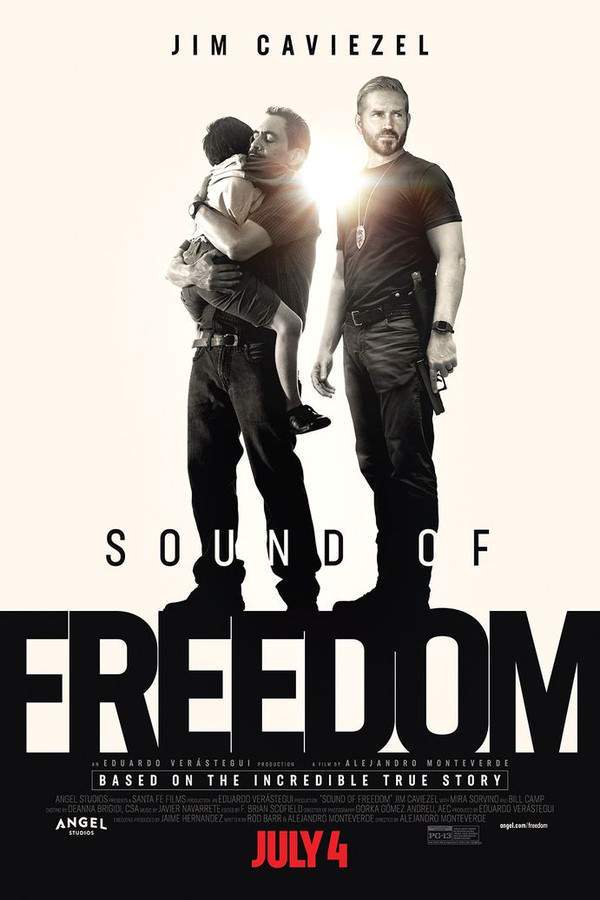
Sound of Freedom
2023

May You Stay Forever Young
2021
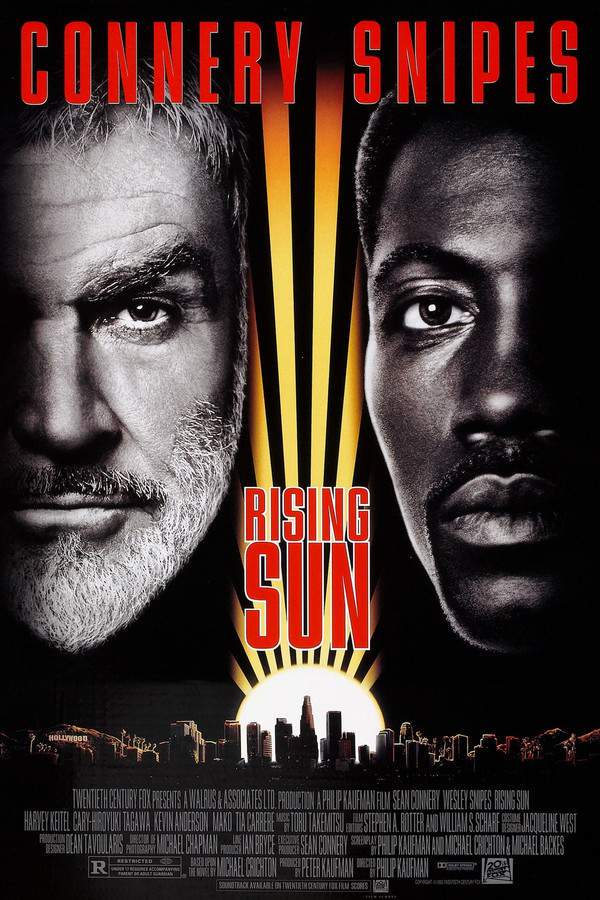
Rising Sun
1993

Romeo + Juliet
1996

My Fault: London
2025
Narrative Summary
The narrative pattern follows a young, passionate protagonist as they navigate a specific creative or cultural scene, often mentored by a charismatic but morally ambiguous figure. Their rapid ascent is paralleled by rising societal tensions that eventually erupt, forcing the character to confront the compromises they've made and the cost of their ambition, leading to a personally bittersweet but socially somber conclusion.
Why These Movies?
Movies in this thread share a potent mix of youthful passion, a gritty and anxious atmosphere, and a high-intensity plot that intertwines personal ambition with broader social conflicts. They deliver a heavy emotional weight through their exploration of artistic integrity, racial tension, and the painful transition from idealism to experience.
Stylized period musical dramas like Absolute Beginners
Visually vibrant historical stories where music fuels youthful defiance and social change.If you liked the 1950s London vibe and rock and roll energy of 'Absolute Beginners', explore these movies. They transport viewers to pivotal cultural moments through music, fashion, and a rebellious spirit, often dealing with themes of teenage romance, artistic integrity, and the fight against social conformity.
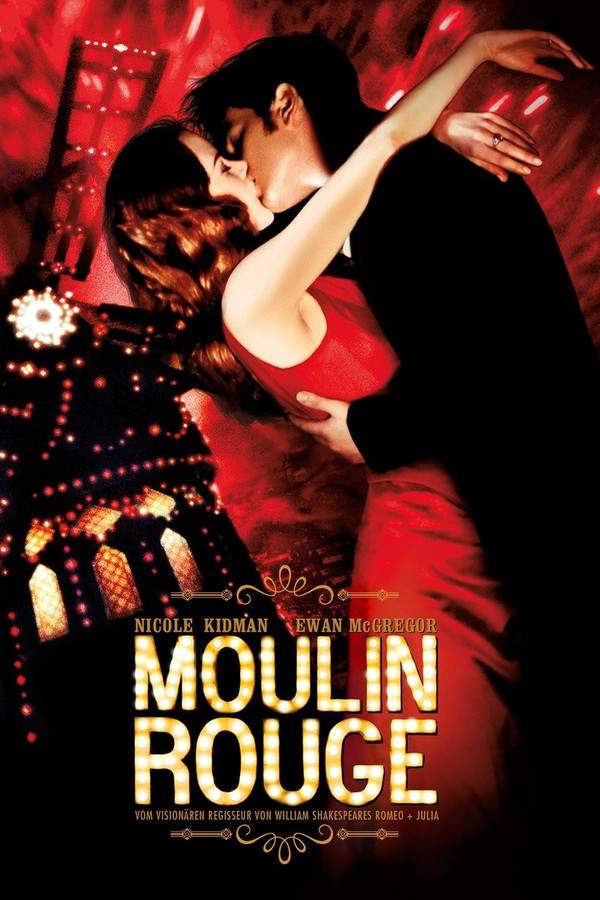
Moulin Rouge!
2001
Absolute Beginners
1986
This Day and Age
1933
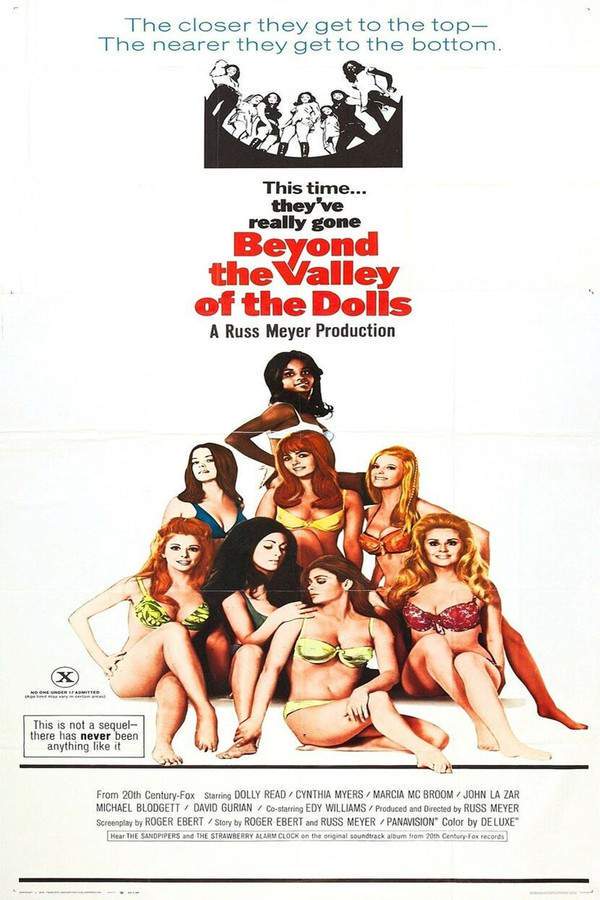
Beyond the Valley of the Dolls
1970
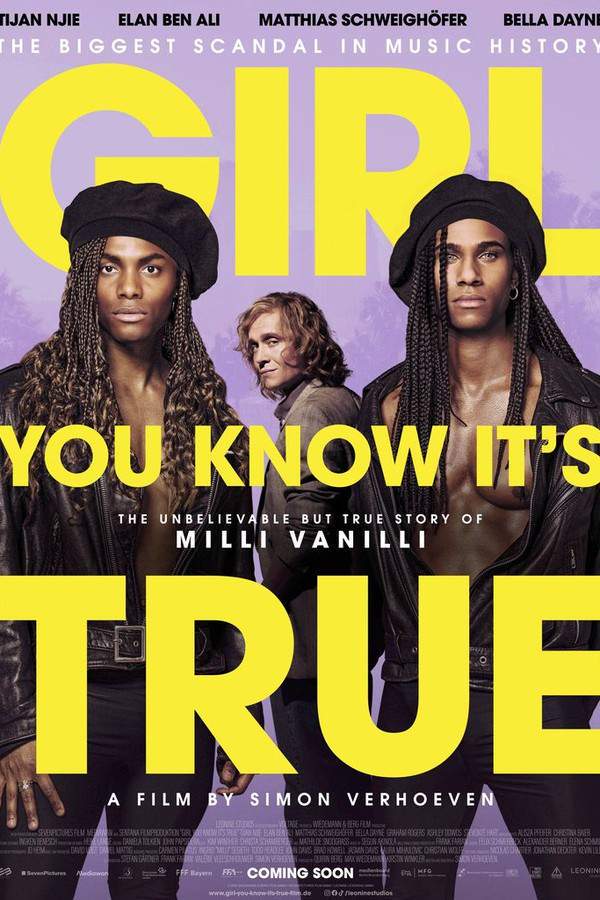
Girl You Know It's True
2024

Romeo and Juliet
1968

What We Do Is Secret
2008
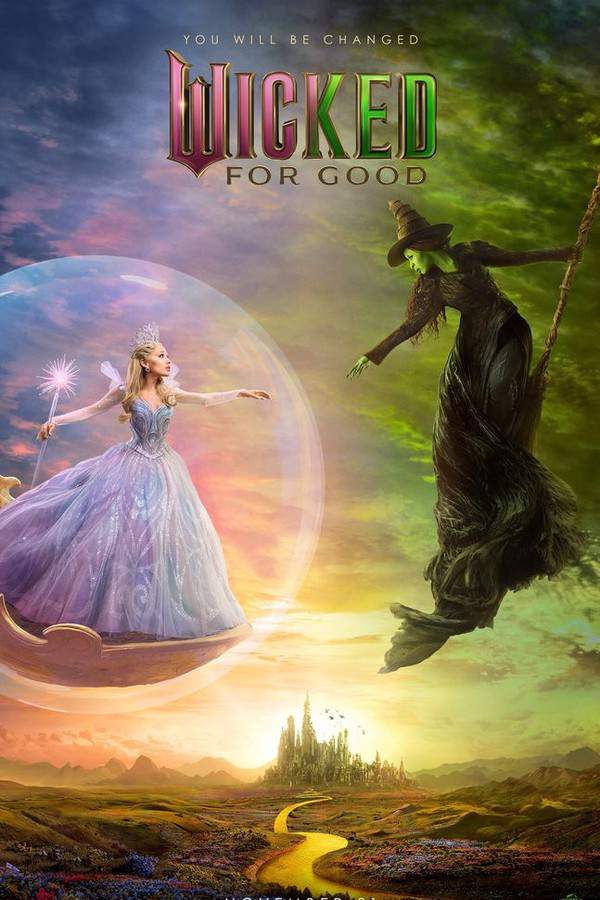
Wicked: For Good
2025

Stage Fright
2014
Romeo + Juliet
1996
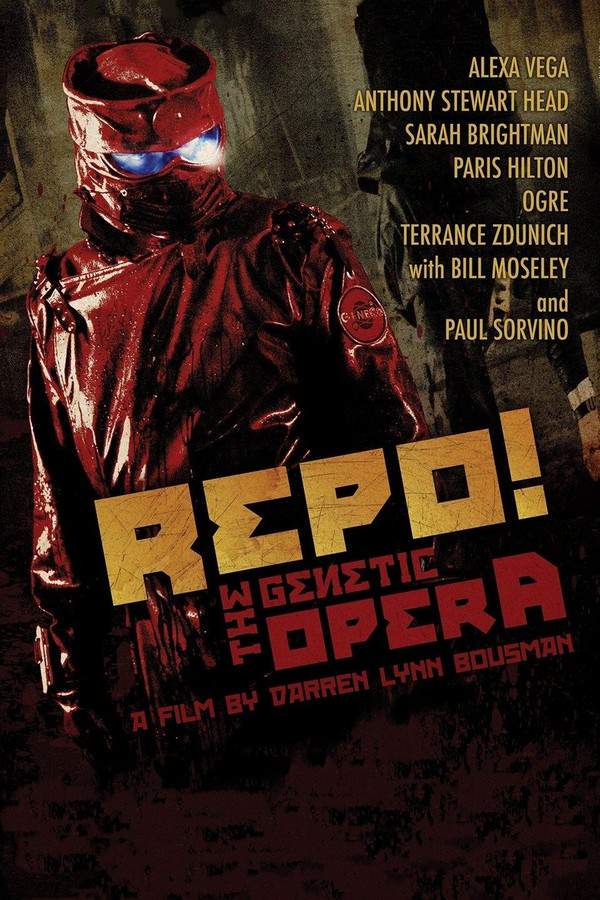
Repo! The Genetic Opera
2008

Babylon
2019

Babylon
2022
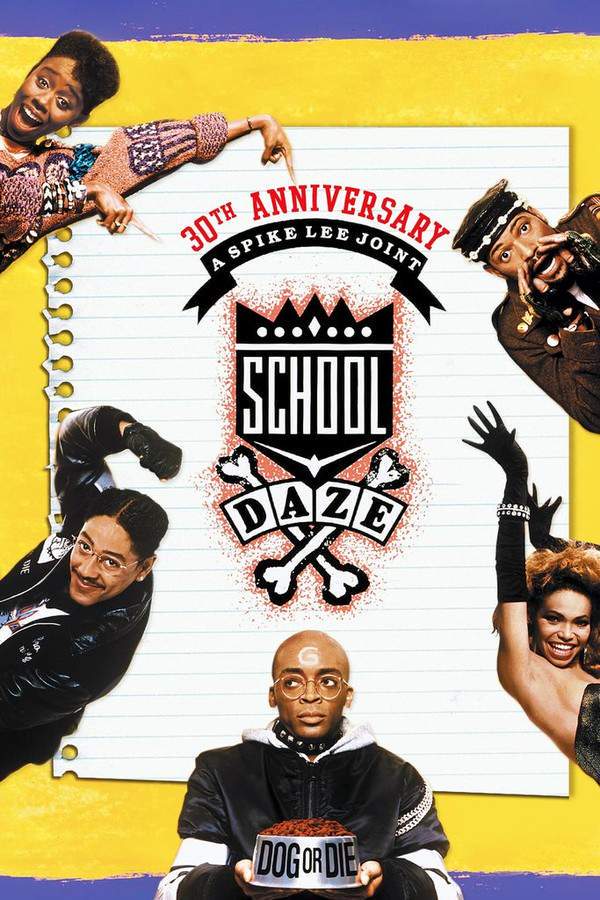
School Daze
1988

Wild in the Streets
1968
Narrative Summary
Narratives in this thread are deeply embedded in a specific time and place, using music and style to define character motivations and societal conflicts. The plot often revolves around a central romantic relationship within a youth subculture, using their struggles as a microcosm for larger issues like class division, racism, or gentrification. The experience is as much about immersion in a bygone world as it is about the story itself.
Why These Movies?
These films are united by their commitment to a highly stylized aesthetic that brings a rebellious historical period to life. They share an energetic pacing driven by a musical soundtrack, a passionate and often tense mood, and a focus on how youth culture acts as a catalyst for or response to social upheaval.
Unlock the Full Story of Absolute Beginners
Don't stop at just watching - explore Absolute Beginners in full detail. From the complete plot summary and scene-by-scene timeline to character breakdowns, thematic analysis, and a deep dive into the ending - every page helps you truly understand what Absolute Beginners is all about. Plus, discover what's next after the movie.
Absolute Beginners Timeline
Track the full timeline of Absolute Beginners with every major event arranged chronologically. Perfect for decoding non-linear storytelling, flashbacks, or parallel narratives with a clear scene-by-scene breakdown.

Characters, Settings & Themes in Absolute Beginners
Discover the characters, locations, and core themes that shape Absolute Beginners. Get insights into symbolic elements, setting significance, and deeper narrative meaning - ideal for thematic analysis and movie breakdowns.


Similar Movies to Absolute Beginners
Discover movies like Absolute Beginners that share similar genres, themes, and storytelling elements. Whether you’re drawn to the atmosphere, character arcs, or plot structure, these curated recommendations will help you explore more films you’ll love.

Masculine Feminine
1966

Sing Street
2016
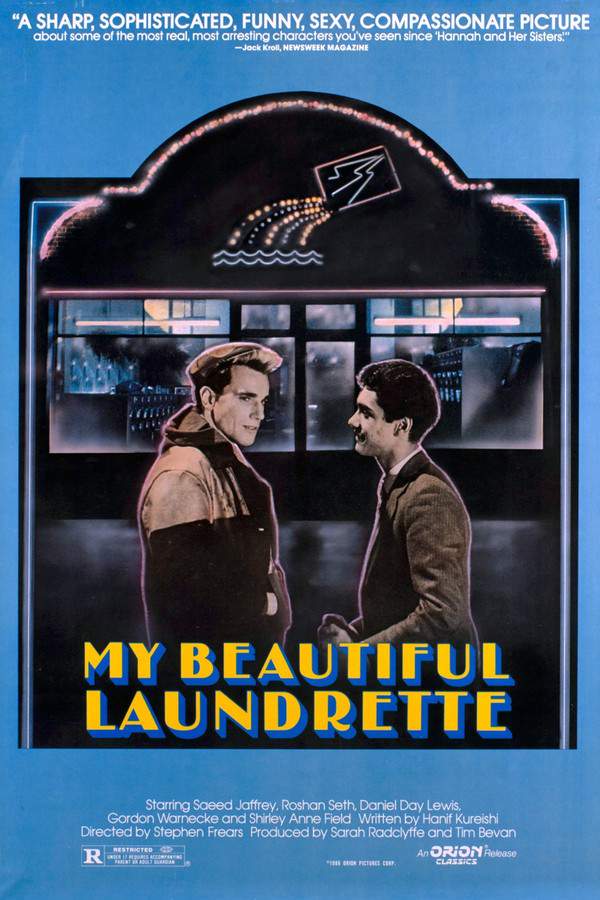
My Beautiful Laundrette
1986
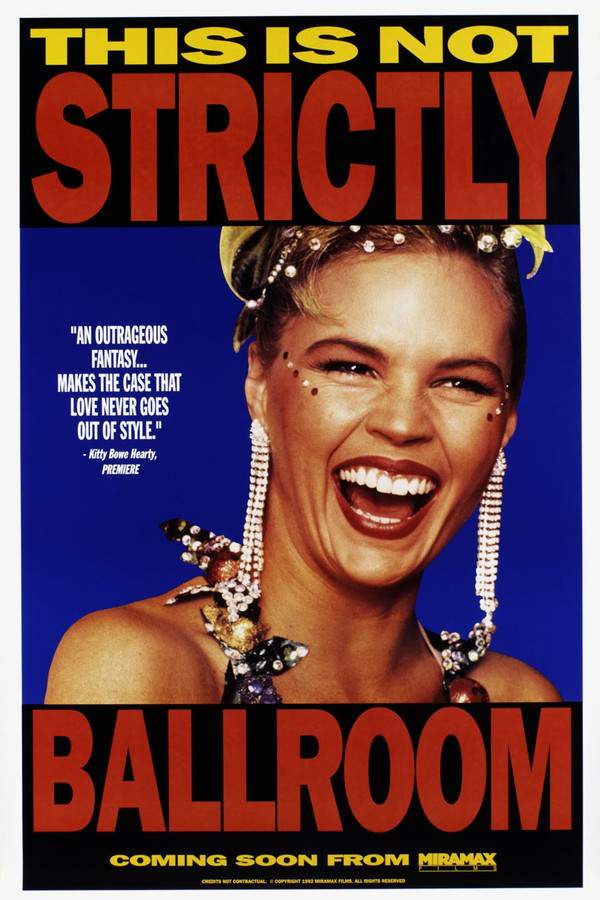
Strictly Ballroom
1993

An Education
2009

Beginners
2011

The New Romantic
2018
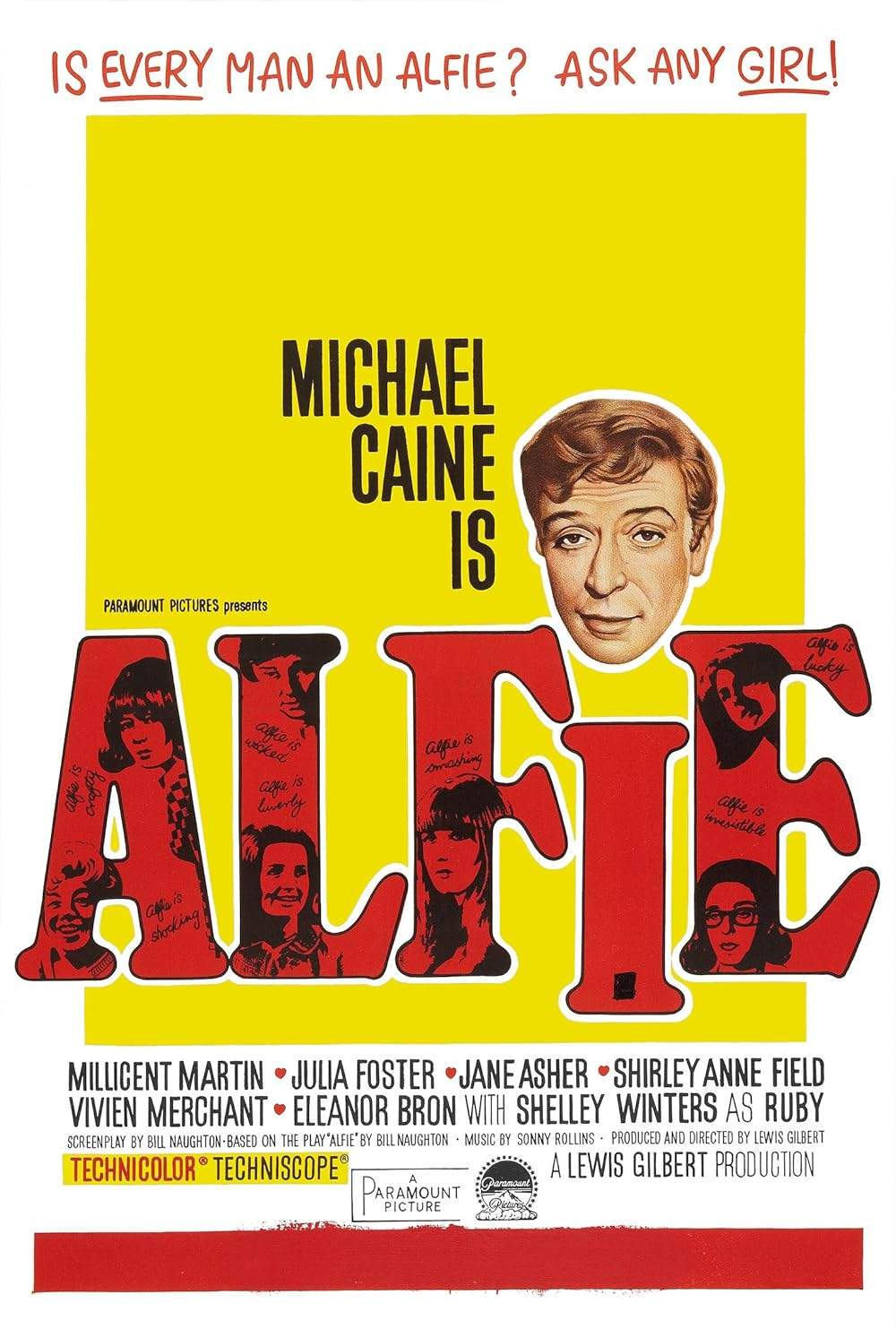
Alfie
1966
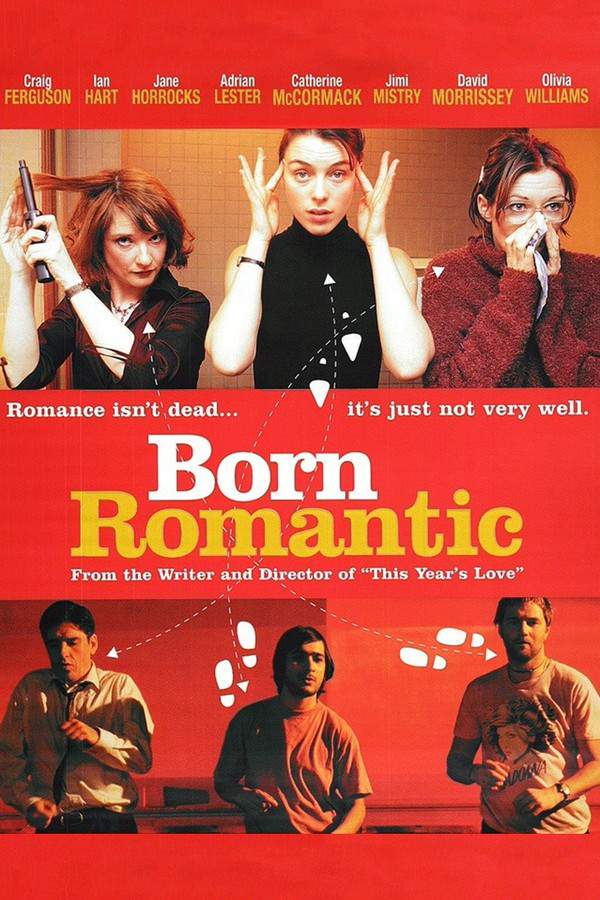
Born Romantic
2001
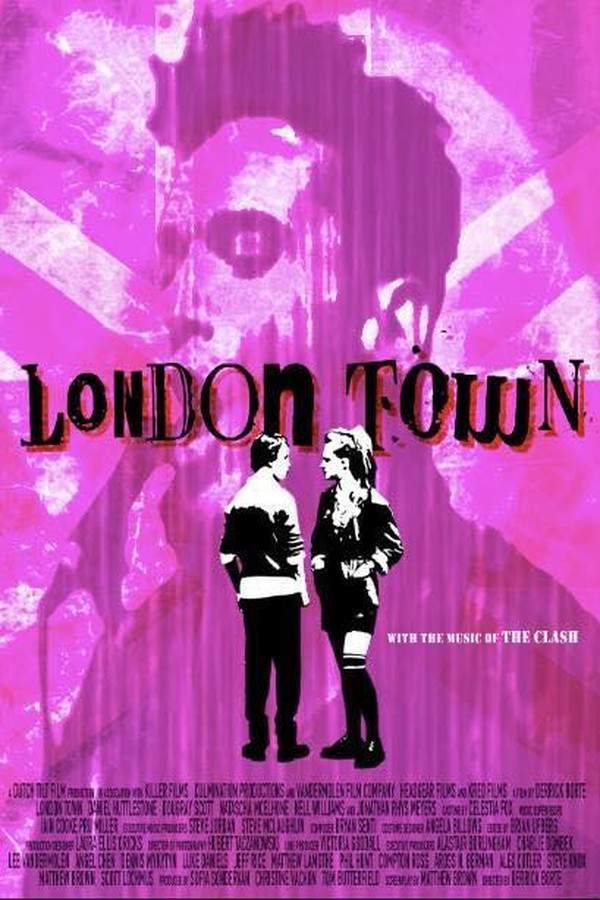
London Town
2016
The Pretenders
2019

The Young Lovers
1964

Keep the Aspidistra Flying
1997

An Awfully Big Adventure
1995

Absolute Beginners
1000
Explore More About Movie Absolute Beginners
Absolute Beginners (1986) Scene-by-Scene Movie Timeline
Absolute Beginners (1986) Movie Characters, Themes & Settings
Absolute Beginners (1986) Spoiler-Free Summary & Key Flow
Movies Like Absolute Beginners – Similar Titles You’ll Enjoy
Masculine Feminine (1966) Film Overview & Timeline
Sing Street (2016) Ending Explained & Film Insights
My Beautiful Laundrette (1986) Full Summary & Key Details
Strictly Ballroom (1993) Film Overview & Timeline
An Education (2009) Full Movie Breakdown
Beginners (2011) Ending Explained & Film Insights
The New Romantic (2018) Spoiler-Packed Plot Recap
Alfie (1966) Full Movie Breakdown
Born Romantic (2001) Spoiler-Packed Plot Recap
London Town (2016) Movie Recap & Themes
The Pretenders (2019) Story Summary & Characters
The Young Lovers (1964) Full Summary & Key Details
Keep the Aspidistra Flying (1997) Film Overview & Timeline
An Awfully Big Adventure (1995) Movie Recap & Themes
Absolute Beginners (1000) Ending Explained & Film Insights