Abohomaan

Abohomaan

Year: 2009

Runtime: 122 mins

Language: Bengali, Bangla

Director: Rituparno Ghosh

DramaRomance

A senior Bengali filmmaker, Aniket, marries actress Deepti, who gives up her own career for his and their son. When he casts a young newcomer, Shikha, who mirrors Deepti’s youthful self, Deepti trains her, and Aniket becomes infatuated with Shikha, sparking jealousy and familial strain.

Warning: spoilers below!

Haven’t seen Abohomaan yet? This summary contains major spoilers. Bookmark the page, watch the movie, and come back for the full breakdown. If you're ready, scroll on and relive the story!

Abohomaan (2009) – Full Plot Summary & Ending Explained

Read the complete plot breakdown of Abohomaan (2009), including all key story events, major twists, and the ending explained in detail. Discover what really happened—and what it all means.

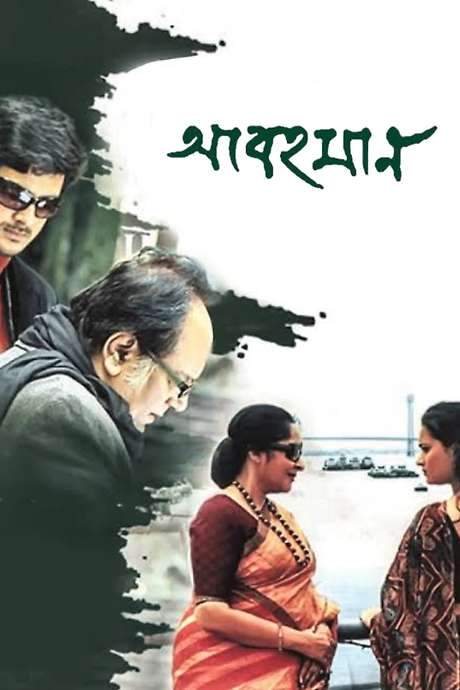
In the film, Aniket, a distinguished filmmaker from Bengal, played by Dipankar Dey, shares a deep connection with his wife Deepti, portrayed by Mamata Shankar, an actress who once sacrificed her career for love and marriage. Together, with their only son Apratim, played by Jisshu Sengupta, they form a seemingly perfect family. Their lives take a complex turn when Aniket auditions a young actress named Shikha, performed by Ananya Chatterjee. Shikha bears an eerie resemblance to a young Deepti, which ignites a series of emotional and psychological challenges.

Deepti, with her unwavering enthusiasm, begins to coach Shikha for her husband’s upcoming film. As she mentors her, Shikha begins to resemble the woman Deepti once was in her youth, capturing Aniket’s attention and affection in ways that threaten their family’s stability. Despite the appearance of love between Aniket and Shikha, the film reveals that her presence is more of a muse for Aniket than a true romantic interest. Her talent, spontaneity, and vibrant personality captured his admiration in a way that brought to mind his wife Deepti, whom he affectionately called Sreemoti—the name originally given to her. Deepti later passed this nickname on to Shikha, further blurring the lines between admiration and love.

Throughout the story, there are layers of emotional depth and subtle symbolism. Aniket’s perspective makes it clear that his feelings for Shikha are intertwined with his memories and idealizations of Deepti, blurring the boundaries between love, obsession, and artistic inspiration. In a poignant moment towards the end of the movie, as Aniket’s health deteriorates, he yearns to see Sreemoti again, believing her to be present — this time embodied by Deepti, who appears before him in his last moments. His desire to see her reflects the complex nature of his love, which transcends the physical and touches the realm of memory and longing.

The film draws parallels to the relationship between the renowned theater director Girish Chandra Ghosh and the legendary actress [Binodini Dasi], emphasizing the themes of love, loss, and the passing of time. There is also an element of inevitable repetition or inheritance of flawed relationships, as seen when Apratim, the son, lies to his wife just as his father did, suggesting that the cycle of hidden truths and unspoken emotions persists across generations. The story’s title, “Abohomaan,” signifies the idea of something being carried over or inherited, underscoring the recurring patterns that shape the characters’ lives.

Overall, the movie explores the intricate layers of love, memory, identity, and the artistic soul, emphasizing how past relationships cast long shadows on the present. It’s a profound narrative that questions the thin line between admiration and obsession, and between love and loss, leaving viewers pondering the true nature of devotion and the enduring influence of the past.

Last Updated: August 19, 2025 at 05:15

Mobile App Preview

Coming soon on iOS and Android

The Plot Explained Mobile App

From blockbusters to hidden gems — dive into movie stories anytime, anywhere. Save your favorites, discover plots faster, and never miss a twist again.

Sign up to be the first to know when we launch. Your email stays private — always.

Explore Movie Threads

Discover curated groups of movies connected by mood, themes, and story style. Browse collections built around emotion, atmosphere, and narrative focus to easily find films that match what you feel like watching right now.

Movies about artistic obsession and marital strain like Abohomaan

Intimate stories where artistic passion disrupts domestic harmony and identity.If you liked Abohomaan's exploration of how artistic passion impacts marriage and identity, you'll find similar stories here. This thread gathers movies like Abohomaan that delve into the complex dynamics between creative ambition, familial duty, and personal sacrifice within intimate, character-driven dramas.

melancholicreflectiveintimatepoignantsomberpsychologicalnostalgic

Narrative Summary

Narratives in this thread often follow seasoned creative figures whose artistic pursuits lead them to become infatuated with a new muse or project, creating a ripple effect of jealousy and identity crisis within their family. The journey is one of internal conflict, memory, and the bittersweet acknowledgement of cycles repeating.

Why These Movies?

Movies are grouped here due to their shared focus on the psychological toll of artistry on domestic life. They share a melancholic tone, slow pacing to allow for deep character study, and a heavy emotional weight centered on themes of sacrifice, obsession, and the fading of past selves.

Slow, emotionally heavy dramas like Abohomaan

Character-focused stories where the weight of memory and sacrifice unfolds slowly.Seeking more films with the slow, reflective pace and heavy emotional weight of Abohomaan? This thread collects movies like Abohomaan that use a measured pace to explore complex psychological themes, delivering a bittersweet and deeply poignant viewing experience for fans of character-driven stories.

slow burnsomberpoignantreflectivepsychologicalintimatequietmelancholic

Narrative Summary

The narrative pattern involves a gradual, often quiet, accumulation of emotional weight. There is minimal external plot excitement; instead, the focus is on internal struggles, unspoken tensions, and the slow-burn impact of past decisions on present relationships, typically leading to a bittersweet or poignant resolution.

Why These Movies?

These films are united by their specific combination of slow pacing, melancholic or somber tone, and heavy emotional weight. This mix creates a distinct, immersive vibe that is contemplative and psychologically dense, appealing to viewers seeking a deeply felt, atmospheric experience rather than a fast-paced plot.

Unlock the Full Story of Abohomaan

Don't stop at just watching — explore Abohomaan in full detail. From the complete plot summary and scene-by-scene timeline to character breakdowns, thematic analysis, and a deep dive into the ending — every page helps you truly understand what Abohomaan is all about. Plus, discover what's next after the movie.

Abohomaan Timeline

Track the full timeline of Abohomaan with every major event arranged chronologically. Perfect for decoding non-linear storytelling, flashbacks, or parallel narratives with a clear scene-by-scene breakdown.

Abohomaan Timeline

Characters, Settings & Themes in Abohomaan

Discover the characters, locations, and core themes that shape Abohomaan. Get insights into symbolic elements, setting significance, and deeper narrative meaning — ideal for thematic analysis and movie breakdowns.

Characters, Settings & Themes in Abohomaan

Abohomaan Spoiler-Free Summary

Get a quick, spoiler-free overview of Abohomaan that covers the main plot points and key details without revealing any major twists or spoilers. Perfect for those who want to know what to expect before diving in.

Abohomaan Spoiler-Free Summary

More About Abohomaan

Visit What's After the Movie to explore more about Abohomaan: box office results, cast and crew info, production details, post-credit scenes, and external links — all in one place for movie fans and researchers.

More About Abohomaan