



Plot Explained Spoilers guaranteed!
Plot Explained

Browse by genre

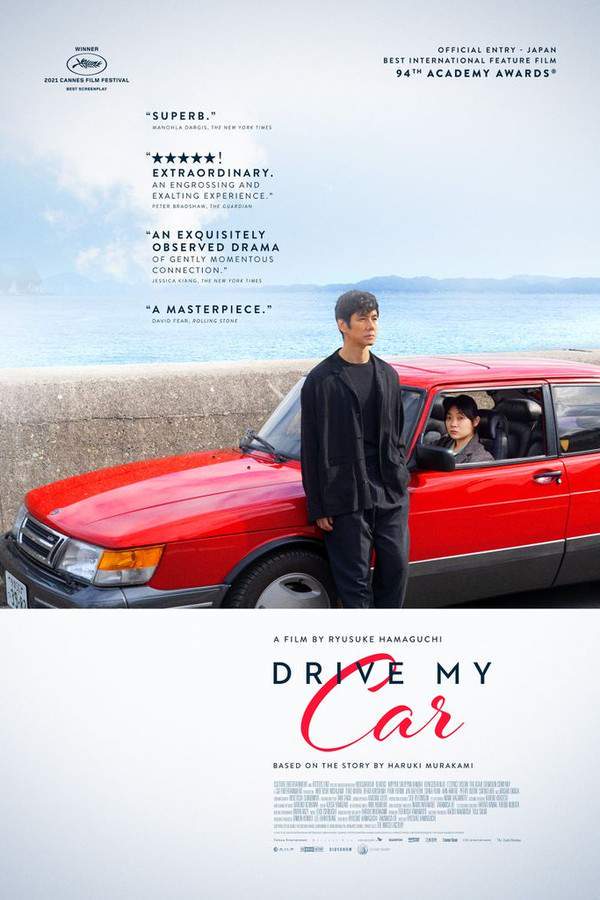
Drive My Car (2021) movie poster

Characters & Themes

Drive My Car (2021) Characters, Setting & Themes Explained

Release, runtime and language
2021 · 179 min · Japanese
Echo score 80
Directed by
Ryûsuke Hamaguchi
Starring
Ann Fite, Dae-Young Jin, Hidetoshi Nishijima, Masaki Okada, Perry Dizon, Reika Kirishima
Budget
$1.3M

Following the death of his wife, a stage actor and director retreats to Hiroshima to direct a production of Chekhov's Uncle Vanya. He develops an unexpected connection with his reserved chauffeur, a young woman with secrets of her own. Through their shared experiences, Yusuke begins to confront painful memories and unravel the truth surrounding his wife’s death and the mysteries she left behind.

On this page (10)
  1. 1 Where to watch
  2. 2 Characters explained (4)
  3. 3 Where & when it takes place
  4. 4 Themes & meaning (3)
  5. 5 Character & meaning questions
  6. 6 The book behind the movie
  7. 7 Movie threads
  8. 8 Movies like Drive My Car
  9. 9 Categories
  10. 10 Every angle

Where to watch

Where to Watch Drive My Car (2021)

Where can you watch Drive My Car? Stream, rent or buy it in the US, including on Amazon Video, Apple TV Store and Fandango At Home: current JustWatch availability with up-to-date prices.

Streaming availability powered by JustWatch

4 main characters · contains spoilers

Drive My Car Characters Explained: Who Is Who

The main characters of Drive My Car (2021), heroes and villains: what drives them, how they change over the course of the story and what each of them reveals about the film's bigger ideas.

  • Yûsuke Kafuku (Hidetoshi Nishijima)

    Yûsuke Kafuku is a deeply introspective stage director grappling with profound personal losses. His character exhibits emotional depth as he navigates the aftermath of betrayal and the grief of losing his wife and daughter. Yûsuke represents the struggle to find solace in the arts while reconciling past heartaches.

    • 🎭 Director
    • 💔 Grief
    • 🎬 Arts
  • Oto Kafuku (Reika Kirishima)

    Oto Kafuku is portrayed as a passionate and inspiring partner who ignites creative sparks in Yûsuke's life. Despite her untimely death, her presence continues to influence Yûsuke's journey. Oto's character encapsulates the complexities of love and the struggles of maintaining fidelity.

    • ❤️ Love
    • 🎭 Passion
    • 💔 Betrayal
  • Koji Takatsuki (Masaki Okada)

    Koji is a young, talented actor whose admiration for Yûsuke leads to intense conversations about love and intimacy. He is depicted as vulnerable, grappling with his own challenges in the theater and personal life. Koji's journey reflects the search for meaning and connection post-betrayal.

    • 🎭 Actor
    • 🤔 Self-Discovery
    • 💔 Vulnerability
  • Misaki Watari (Tôko Miura)

    Misaki is a skilled driver and emerging actress who becomes an important collaborator for Yûsuke. Her backstory of personal loss adds layers to her character, as she finds comfort and connection with Yûsuke. Misaki symbolizes resilience and the shared experience of healing through art.

    • 🚗 Driver
    • 🎭 Actress
    • 💔 Resilience

Last updated: October 22, 2024 at 18:49

Was this helpful?

Setting

Where and When Does Drive My Car Take Place?

The setting of Drive My Car (2021): the year and time period, the places and locations, and how they shape the characters, the mood and the tension of the story.

Time period

Present Day

The narrative unfolds in contemporary times, reflecting modern societal issues such as loss, infidelity, and artistic expression. Characters navigate through personal grief and seek creative outlets in a fast-paced world. This time period shines a light on the nuances of human relationships and the healing power of art amidst struggles.

Location

Hiroshima

Hiroshima is a vibrant city known for its rich history and resilience, particularly in the wake of the atomic bombing during World War II. Today, it is a hub of cultural and artistic expression, making it a fitting backdrop for stage productions and creative endeavors. The city's unique blend of tradition and modernity is palpable, providing an inspiring environment for storytelling.

  • 🏙️ City
  • 🎭 Theater

Last updated: October 22, 2024 at 18:49

Was this helpful?

3 major themes

Drive My Car Meaning: Themes & Message Explained

What is Drive My Car (2021) really about? The emotional, social and philosophical themes the film keeps returning to, its symbolism and the message beneath the surface.

  • Loss

    The theme of loss is central to the story, manifested in the death of Yusuke's wife, Oto, and their daughter's tragic passing. Yusuke's journey is marked by his attempts to cope with these losses while facing personal and professional challenges. The exploration of grief showcases how deeply it can affect interpersonal connections and creative expressions.

  • Art & Healing

    Art serves as both a refuge and a healing mechanism for the characters, particularly Yusuke. The process of directing 'Uncle Vanya' becomes a pathway for Yusuke to confront his emotions, transforming pain into creative expression. This theme emphasizes the importance of artistic collaboration as a tool for understanding and dealing with one's internal battles.

  • Betrayal

    Betrayal is a pivotal theme in the film, primarily illustrated through Yusuke's experience with Oto's infidelity. This betrayal affects his emotional state and informs his relationships with others. It highlights the complexities of love and trust within intimate partnerships, as well as the long-lasting impact of such experiences.

Last updated: October 22, 2024 at 18:49

Was this helpful?

Character & theme questions

Drive My Car Characters & Meaning: Your Questions Answered

The questions people ask about Drive My Car (2021): who the characters really are, their relationships, what the symbols mean, where it takes place and what the movie is really about. Each answer contains spoilers.

Q1

Where does the story take place?

The story is set in Hiroshima, a city renowned for its historical significance following the atomic bombing during World War II. Today, Hiroshima serves as a center for cultural and artistic expression, providing a contemplative backdrop for the characters' emotional journeys and theatrical pursuits.

  • Hiroshima setting location city
Q2

What time period is the film set in?

The film takes place in present day, reflecting contemporary issues around loss, infidelity, and artistic expression. This modern setting allows the story to explore how characters navigate personal grief and seek healing through creative outlets in today's world.

  • present day contemporary time period modern
Q3

What role does loss play in the story?

Loss is the central theme of the film, manifested through the death of Yusuke's wife Oto and their daughter's tragic passing. Yusuke's journey involves confronting how grief deeply affects his interpersonal connections and creative expressions, making the exploration of loss pervasive throughout the narrative.

  • loss grief death wife daughter mourning
Q4

How does art serve the characters in the film?

Art functions as both refuge and healing mechanism for the characters. Yusuke's process of directing Chekhov's Uncle Vanya becomes a pathway for him to confront his emotions, transforming personal pain into creative expression. The theme emphasizes artistic collaboration as a tool for understanding and dealing with internal struggles.

  • art healing theater directing Uncle Vanya creative expression
Q5

How is betrayal explored in the movie?

Betrayal is a pivotal theme primarily illustrated through Yusuke's discovery of his wife Oto's infidelity. This betrayal profoundly affects his emotional state and shapes his relationships with others, highlighting the complexities of love and trust within intimate partnerships and the lasting impact of such experiences.

  • betrayal infidelity love trust affair
Q6

Who is Yusuke Kafuku?

Yusuke Kafuku is a deeply introspective stage director and actor grappling with profound personal losses, including the death of his wife and daughter. His character represents the struggle to find solace in the arts while reconciling with past heartaches and the emotional aftermath of betrayal.

  • Yusuke Kafuku main character director actor grief
Q7

Who is Misaki Watari?

Misaki Watari is a skilled driver and emerging actress who becomes an important collaborator for Yusuke during his time in Hiroshima. Her own backstory of personal loss adds depth to her character, as she finds comfort and connection with Yusuke through their shared experiences, symbolizing resilience and healing through art.

  • Misaki Watari driver actress healing character
Q8

Who is Oto Kafuku?

Oto Kafuku is Yusuke's wife, portrayed as a passionate and inspiring partner who ignites creative sparks in his life. Though she dies early in the narrative, her presence continues to influence Yusuke's journey, encapsulating the complexities of love and the struggles of maintaining fidelity.

  • Oto Kafuku wife character death influence
Q9

Why is Hiroshima an important setting for this story?

Hiroshima serves as a significant setting due to its blend of historical weight and modern artistic vitality. The city's reputation for resilience after tragedy creates a fitting environment for characters dealing with their own trauma and seeking healing through theatrical art, adding layers of meaning to their personal journeys.

  • Hiroshima significance setting historical resilience
Q10

Who is Koji Takatsuki?

Koji Takatsuki is a young, talented actor in Yusuke's production whose admiration for Yusuke leads to intense conversations about love and intimacy. His character is depicted as vulnerable, grappling with his own challenges in theater and personal life, reflecting the search for meaning and connection after experiencing betrayal.

  • Koji Takatsuki actor character young vulnerable

Movie threads

More Movies Like Drive My Car, by Mood & Story

Curated lists built around what makes Drive My Car tick: the same mood, the same kind of story or the same emotional payoff. Each list explains why these movies belong together.

Movies about healing through shared silence like Drive My Car

Stories where unspoken understanding and quiet companionship mend profound emotional wounds. Find movies like Drive My Car that explore quiet companionship and emotional healing. If you appreciated the profound connection built through silence between Yusuke and his driver, this thread features similar stories where unspoken understanding helps characters navigate grief and trauma.

  • quiet
  • reflective
  • melancholic
  • cathartic
  • atmospheric
  • lonely
  • Tone: melancholic, reflective, cathartic
  • Pacing: slow, contemplative
Why these movies?

The story pattern: Narratives in this thread often begin with characters in deep isolation, grappling with a private sorrow. Their paths cross with another individual, and through a series of shared, often mundane activities—like driving, working, or creating—a bond forms without the need for extensive dialogue. The emotional journey is internal and gradual, moving from isolation toward a fragile but meaningful connection that offers a path forward, if not a full resolution.

Why they belong together: Movies are grouped here because they share a specific mood of melancholic quiet, a slow, introspective pacing, and a core theme of healing that occurs outside of explicit conversation. They prioritize atmosphere and character interiority over plot-driven action, creating a deeply reflective and cathartic viewing experience.


Movies where art reflects life like Drive My Car

Where the creative process becomes a vessel for confronting personal tragedy and hidden truths. Discover films similar to Drive My Car where the creative process mirrors personal drama. If you liked how the Uncle Vanya play in the movie echoed the characters' infidelity and grief, this collection features stories where theater, writing, or other art forms help characters uncover painful truths.

  • reflective
  • melancholic
  • atmospheric
  • psychological
  • theatrical
  • cathartic
  • Tone: melancholic, bittersweet, reflective
  • Pacing: slow, deliberate
Why these movies?

The story pattern: Stories in this thread often feature a protagonist who is an artist or is involved in a creative project. As they work, the themes of their art begin to collide with their own unresolved issues, forcing them to face painful memories, deceptions, or losses. The rehearsal room, the writer's desk, or the studio becomes a psychological space where the boundaries between performance and reality blur, leading to moments of stark self-recognition and emotional reckoning.

Why they belong together: These movies are connected by their central use of an artistic medium as a narrative device to explore internal conflict. They share a complex structure, a melancholic or bittersweet tone, and a heavy emotional weight, as the act of creation is portrayed as both a painful excavation and a potential path to understanding.

If you liked this

Movies Like Drive My Car

Similar movies to Drive My Car: the same genre, themes or kind of story. Each one comes with its own plot summary, timeline and ending explained.

Browse all movie summaries

Categories

Movie Lists Featuring Drive My Car

Drive My Car appears in these hand-built movie categories. Each one groups movies by a specific mood, theme or story type, with their plot summaries and endings explained.

View all movie categories

Every angle

Drive My Car (2021) Explained: Plot, Ending, Timeline & Characters

Everything about Drive My Car in one place: what happens in the plot summary, the timeline in chronological order, the characters and meaning, the ending explained and a spoiler-free summary. What's After the Movie adds the cast, box office and post-credit scenes.

Coming soon on iOS and Android

The Plot Explained Movie Summary App

Plot summaries, endings explained and timelines on your phone. Catch up on any movie in minutes, save your favorites and never miss a twist again.

Be the first to know when we launch. Your email stays private, always.

Learn more about the app