Plot Explained Spoilers guaranteed!
Plot Explained

Browse by genre

A Wonderful World (2006) movie poster

Timeline

A Wonderful World (2006) Timeline Explained – Every Event in Order

Release, runtime and language
2006 · 118 mins · Spanish
Directed by
Luis Estrada
Starring
Diego Luna, Alex Cox, Carmen Madrid, Marina de Tavira, Gabriela de la Garza, Gustavo Sánchez Parra

A day of being rich is better… than a life of being poor! A fairy tale about the political and socioeconomic realities of Mexico.

On this page (5)
  1. 1 Events in order (13)
  2. 2 Timeline questions answered
  3. 3 Movie threads
  4. 4 Movies like A Wonderful World
  5. 5 Every angle

13 events in order · contains spoilers

A Wonderful World Timeline: Events in Chronological Order

Every key event of A Wonderful World (2006) in order, scene by scene, with when and where it takes place. Use it to untangle flashbacks, time jumps and parallel storylines, to refresh your memory before the sequel or to find the exact scene you are thinking of.

  1. World Bank conference proclaims poverty eradicated

    At the opening scene, a speech at the World Bank conference congratulates Mexico's poverty alleviation efforts and proclaims the problem eradicated. The declaration frames the social climate and foreshadows the protests to come. It sets a political backdrop against which Juan's story unfolds.

    When
    Opening scene
    Where
    World Bank conference
  2. Juan Pérez vows to give Rosita a better life

    Juan is introduced as a humble homeless man who is in love with Rosita. He promises to provide her with what he could not have: a car, a house, and a family. He imagines a future where poverty no longer dictates their lives.

    When
    Early scene
    Where
    Streets of Mexico City
  3. Rainy night: Juan sneaks into World Financial Center

    During a rainy night, Juan sneaks into the back door of the World Financial Center and finds an unlocked office to sleep in. A cleaner enters the building, forcing him to crawl out a window onto a platform outside. The window is closed from inside, leaving him locked outside.

    When
    Night
    Where
    World Financial Center exterior
  4. Crowd suspects suicide; firefighters intervene

    A large crowd forms outside, thinking he is attempting suicide to protest poverty. Firefighters rescue him, and journalists swarm, questioning his motives and his opinions on globalization and neoliberal policy.

    When
    Night
    Where
    Outside World Financial Center
  5. El Mercurio sensationalizes the incident

    The newspaper El Mercurio exploits the situation by framing it as a suicide protest to spur government action. The piece blames the state and the Secretary of Economy, turning the attention toward political fallout.

    When
    Soon after the incident
    Where
    Newspaper office
  6. Secretary offers bribes to silence him

    The Secretary of Economy decides to look for Juan and offers generous bribes and compensation to silence him. Juan's friends push him to repeat the protest for an even bigger payoff, escalating the public spectacle.

    When
    Shortly after the article
    Where
    Secretary of Economy's office
  7. Second protest attempt leads to a fall

    Juan agrees to repeat the protest for a larger payoff, but during the attempt he falls from a building. He miraculously survives, and the incident becomes a global media sensation.

    When
    Later
    Where
    Urban downtown / building site
  8. Hospitalization and government-funded rehabilitation

    Juan is admitted to a world-class hospital/rehabilitation clinic with many amenities, funded by the government. He is invited to a press conference to explain his real motives, but he denies that the government bribed him.

    When
    Post-fall
    Where
    World-class hospital
  9. Juan marries Rosita and moves to the suburbs

    Juan marries Rosita and moves into a beautiful suburban household. His friends visit, hoping to join a life of comfort, but he rejects them; they leave in anger. Copycat attempts by the friends fail to draw the same attention.

    When
    After hospital stay
    Where
    Suburban home
  10. Arrest and three-year prison sentence

    The Secretary laments the political costs of poverty, but in a dramatic reversal, Juan is arrested on petty charges. Friends, journalists, and hospital staff testify against him, and he is sentenced to three years in prison.

    When
    During trial
    Where
    Courtroom / prison
  11. Post-prison life: Rosita disappears, Rosita alive mystery

    After his release, Juan finds his house decrepit and abandoned, and Rosita is presumed dead by her family. The railroad tunnel where he and his homeless friends lived has been boarded up, cutting off their old life.

    When
    After release
    Where
    City neighborhood and former tunnel
  12. Reunion with Rosita's fate revealed

    The homeless man limps back to the rich couple’s home for food and support. He reunites with his old friends, and they learn Rosita is alive and living with their son, renewing hope for their future.

    When
    After wandering
    Where
    Rich couple's home; vicinity
  13. Revolution hopes collide with a grim ending

    Juan and his friends attempt a socialist demonstration by walking down Paseo de la Reforma with a red flag, but security chases them away. The Secretary wins the Nobel Prize for Economics, and a final dinner reveals the wealthy couple hosting it, with their bodies starkly shown on the carpeted lawn outside.

    When
    End of story
    Where
    Paseo de la Reforma; the rich couple's home

Last updated: January 28, 2026 at 12:44

Was this helpful?

Timeline questions answered

A Wonderful World Timeline Explained: Your Questions Answered

When does it happen, and why in that order? The questions people ask about the chronology of A Wonderful World (2006): time jumps, flashbacks, cause and effect between scenes and the correct order of events, each answered with spoilers.

Q1

Why did Juan Pérez agree to stage a second protest after the first one?

Juan agreed to stage a second protest because his friends encouraged him to maximize the payoff from the government. After the first incident brought him media attention and offers of money, they convinced him that repeating the spectacle would lead to an even bigger payoff. This greed, combined with his desire to provide the better life he promised Rosita, led him to escalate the stunt, though the second attempt ended with him actually falling from a building.

Foreshadowing: Earlier, Juan's friends immediately pushed him to repeat the protest for more money, showing their opportunistic nature.

  • second protest
  • government bribe
  • escalation
  • money
  • motivation
Q2

Why was Juan arrested after the government initially helped him?

The Secretary of Economy grew wary of the mounting protests and the political costs of appearing soft on poverty. When Juan became a liability rather than an asset, the government had him arrested on petty charges. This turn allowed the Secretary to distance himself from Juan and the poverty issue, ultimately sentencing him to three years in prison.

Foreshadowing: The government's initial help was always about controlling the narrative, not helping Juan genuinely.

  • arrest
  • secretary
  • prison
  • political costs
  • betrayal
Q3

What happened to Rosita after Juan went to prison?

After Juan was sentenced to three years in prison, he was effectively cut off from Rosita and their life together. When Juan was released, he found his home dilapidated and Rosita missing, her family believed she was dead. However, he later learned she was actually alive and living with their son, giving the story a glimmer of hope.

Foreshadowing: The film earlier showed Juan and Rosita's wedding as a new chapter, making her disappearance more devastating.

  • rosita
  • prison
  • separation
  • son
  • family
Q4

What does the ending with the bodies on the lawn mean?

The ending reveals that the wealthy couple Juan once sneaked into are hosting a celebratory dinner with his friends, while their bodies lie dead on the lawn. This dark twist symbolizes the moral catastrophe at the heart of the film's social critique: the system allows the corrupt to thrive (the Secretary wins the Nobel Prize) while those at the bottom remain trapped, and even solidarity can appear as complicity when framed by wealth.

Foreshadowing: The film consistently contrasts extreme wealth with poverty, making the final dinner a twisted fulfillment of Juan's dream.

  • ending
  • bodies
  • nobel prize
  • corruption
  • wealth
  • social critique
Q5

Why did Juan's friends turn against him after he moved to the suburbs?

After Juan married Rosita and moved into a suburban home, his old friends visited expecting to join him in his new life of comfort. When Juan rejected them, they left in anger and later testified against him during his trial, contributing to his three-year prison sentence. Their betrayal was motivated by resentment and the belief that Juan had abandoned them once he achieved a better life.

Foreshadowing: The friends initially pushed Juan to exploit the situation for money, revealing their self-interest.

  • friends
  • betrayal
  • testimony
  • resentment
  • prison
Q6

Why did El Mercurio frame the incident as a suicide protest?

El Mercurio, a newspaper seeking to spice up its morning edition, intentionally framed Juan's situation as a suicide attempt meant to prompt government action. By laying responsibility at the feet of the Secretary of Economy, they turned a homeless man's attempt to find shelter into a political scandal, exploiting the incident for readership rather than reporting facts.

Foreshadowing: The opening World Bank speech about poverty eradication set up the newspaper's political motivation.

  • el mercurio
  • newspaper
  • media
  • suicide protest
  • politics
Q7

Why did the government pay for Juan's hospital treatment?

The government funded Juan's world-class hospital care and rehabilitation as part of their effort to control the narrative around his incident. By keeping him comfortable and visible, they could manage his story and eventually bring him to a press conference where he denied being bribed, allowing the government to appear benevolent while quietly trying to silence him.

Foreshadowing: The government had already offered Juan bribes to control his story.

  • hospital
  • government
  • medical care
  • bribes
  • public relations
Q8

Why did the copycat protests by Juan's friends fail to get attention?

Juan's friends attempted to imitate his earlier spectacle, but these copycat attempts failed to capture the same media attention. Once the novelty of the original incident wore off and the government had silenced Juan, the public and media lost interest in similar stunts, demonstrating how the spectacle was tied to Juan's specific situation rather than the broader poverty issue.

Foreshadowing: The media frenzy surrounded Juan personally, not the underlying social problem.

  • copycat
  • protests
  • media attention
  • failure
  • spectacle
Q9

Why did the Secretary of Economy want Juan silenced?

The Secretary of Economy sought to silence Juan because the incident had become a political liability. The newspaper coverage was blaming the state and the Secretary personally for poverty issues. By offering bribes and later arresting Juan on petty charges, the Secretary aimed to control the narrative and avoid political fallout from appearing soft on poverty.

Foreshadowing: The World Bank speech at the opening established poverty as a political priority.

  • secretary
  • economy
  • bribes
  • silence
  • political fallout
Q10

What happened to the railroad tunnel where Juan and his friends lived?

After Juan was arrested and sentenced, the railroad tunnel that had served as a homeless encampment for him and his friends was boarded up. This sealed off their old community and symbolic home, representing how the system dismantles the lives of the poor once they attempt to challenge the status quo.

Foreshadowing: The tunnel represented a hidden world of solidarity among the homeless that existed outside societal notice.

  • tunnel
  • homeless
  • camp
  • boarded up
  • displacement
Q11

What did the Secretary winning the Nobel Prize symbolize in the ending?

The Secretary of Economy winning the Nobel Prize for Economics in the finale represents the ultimate irony of the system. It shows that those responsible for perpetuating poverty and suppressing dissent are celebrated and rewarded, while people like Juan remain trapped in cycles of desperation. This ties back to the opening World Bank speech about eradicating poverty, proving it was hollow propaganda.

Foreshadowing: The opening speech about poverty eradication directly contradicts the Secretary's victory.

  • nobel prize
  • ending
  • irony
  • corruption
  • systemic failure
Q12

Why did Rosita's family think she was dead after Juan was released?

When Juan was released from prison, he found his home in ruins and Rosita missing. Her family believed she was dead, likely because she had disappeared to escape the stigma and hardship of being associated with a imprisoned former protest figure. Juan eventually discovers she is alive and living with their son, but the misunderstanding reflects how easily the system can sever connections between people.

Foreshadowing: The film showed Juan and Rosita's love as fragile but determined.

  • rosita
  • missing
  • family
  • misunderstanding
  • reunion

Movie threads

More Movies Like A Wonderful World, by Mood & Story

Curated lists built around what makes A Wonderful World tick: the same mood, the same kind of story or the same emotional payoff. Each list explains why these movies belong together.

Satirical Tragedies of Systemic Failure like A Wonderful World

Dark comedies where societal corruption swallows ordinary lives. If you enjoyed the biting political satire and tragic arc of A Wonderful World, explore more movies that blend dark comedy with a heavy critique of societal failures. These films use humor to expose grim truths about corruption and inequality.

  • satirical
  • cynical
  • gritty
  • political
  • tragic
  • absurd
  • Tone: dark, cynical, satirical
  • Pacing: steady, deliberate
Why these movies?

The story pattern: Stories in this thread typically follow an everyman protagonist who becomes an unwitting pawn or a temporary beneficiary of a corrupt system. Their rise is often absurd and comedic, but their eventual fall is a tragic inevitability, serving as a sharp critique of systemic injustice that remains undefeated.

Why they belong together: Movies are grouped here because they share a unique tonal blend of dark satire and heavy socio-political themes. They possess a steady, narrative-driven pacing that builds towards a cynically resonant conclusion, often leaving viewers with a mix of despair and a flicker of defiant hope.
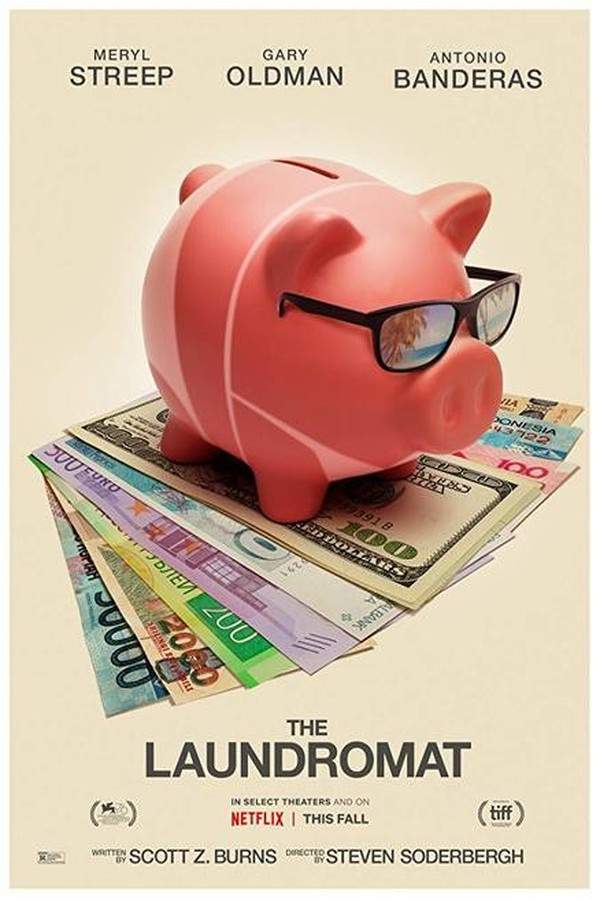
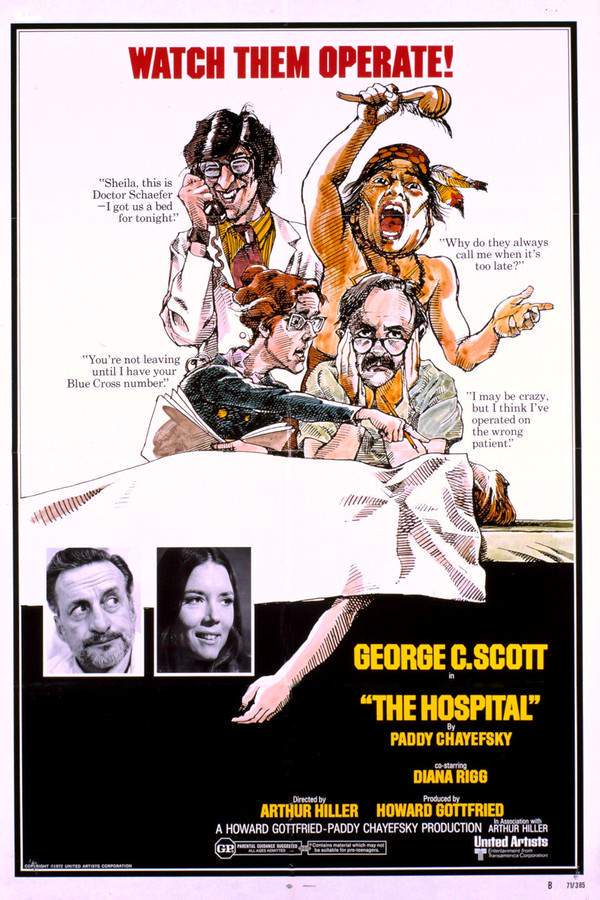
Gritty Ascents and Inevitable Downfalls like A Wonderful World

Stories of desperate characters lifted up only to be crushed by the system. Fans of A Wonderful World's story of a homeless man's fleeting wealth will find similar themes in these movies. They explore the harsh cycle of poverty, brief hope, and the crushing weight of systemic barriers in gritty, emotionally charged dramas.

  • gritty
  • desperate
  • social inequality
  • tragic
  • hopeful yet grim
  • critical
  • Tone: gritty, desperate, grim
  • Pacing: steady, building dread
Why these movies?

The story pattern: The narrative pattern is a clear ascent, often involving a windfall or an opportunity that feels like a fairy tale, followed by a steep descent fueled by external forces like systemic corruption or media exploitation. The focus is on the character's desperation and the crushing inevitability of their downfall.

Why they belong together: These films are connected by their focus on socioeconomic struggle, a protagonist's transient ascent, and a grimly inevitable collapse. They share a gritty, desperate mood, a steady pacing that builds dread, and a heavy emotional impact derived from the protagonist's powerlessness against larger forces.

If you liked this

Movies Like A Wonderful World

Similar movies to A Wonderful World: the same genre, themes or kind of story. Each one comes with its own plot summary, timeline and ending explained.

Browse all movie summaries

Every angle

A Wonderful World (2006) Explained: Plot, Timeline & Characters

Everything about A Wonderful World in one place: what happens in the plot summary, the timeline in chronological order, the characters and meaning and a spoiler-free summary. What's After the Movie adds the cast, box office and post-credit scenes.

Coming soon on iOS and Android

The Plot Explained Movie Summary App

Plot summaries, endings explained and timelines on your phone. Catch up on any movie in minutes, save your favorites and never miss a twist again.

Be the first to know when we launch. Your email stays private, always.

Learn more about the app