Year: 1960
Runtime: 68 mins
Language: Russian
Directors: Eldar Shengelaia, Aleksey Sakharov
On New Year’s Eve, imaginative boy Mitya boasts to his school friends that his painted‑hand toy watch is enchanted—capable of halting every clock in the world, freezing time itself, and even bringing a snowman back to life. His playful claim sparks a whimsical tale of fantasy and wonder.
Warning: spoilers below!
Haven’t seen A Snow Fairy Tale yet? This summary contains major spoilers. Bookmark the page, watch the movie, and come back for the full breakdown. If you're ready, scroll on and relive the story!
Read the complete plot breakdown of A Snow Fairy Tale (1960), including all key story events, major twists, and the ending explained in detail. Discover what really happened, and what it all means.
On the night before New Year’s Eve, a daydreaming boy named Mitya Igor Yershov confesses to his classmates that his toy clock—painted hands and all—has the power to stop all the clocks in the world, to halt time, or even to wake a snowman. The other students doubt him, but his wild idea somehow starts to come true: the snowman into which he placed the clock, instead of a heart, comes to life and transforms into a beautiful girl whom he names Lyolya Alla Kozhokina.
The Old Year, a mysterious and deceptive old man who fears the arrival of the New Year (and what it signals for his own end), learns about the clock’s existence and resolves to seize it in order to stop time and extend his own life. He believes his scheme will “help people,” even as it risks unraveling the natural flow of the season. After failing to persuade Mitya and Lyolya to surrender the clock, the Old Year seizes a box containing three ordinary items—a coin, a piece of charcoal, and a scrap of paper with a wax seal. With these simple objects, he brings three more snowmen to life as his assistants, and he races to locate the magical clock before the New Year arrives.
What follows is a tense and whimsical race between youth and time, where Mitya and Lyolya must outsmart the Old Year and his growing troupe of snow beings. The story blends playful fantasy with a sense of peril, inviting viewers to consider themes of imagination, courage, and the inexorable passage of time as the countdown to midnight unfolds. Lyolya’s voice is provided by Margarita Korabelnikova Margarita Korabelniknova (uncredited).
Last updated: February 24, 2026 at 13:49
Explore frequently asked questions about A Snow Fairy Tale (1960) with spoiler-rich answers covering the full plot summary, major story beats, character motivations, hidden details, and ending meaning. This movie summary FAQ helps explain confusing scenes, plot twists, and narrative decisions in clear, searchable detail.
The Old Year fears the arrival of the New Year because it represents his own end. He believes that by seizing the magical clock and stopping time, he can extend his own existence and avoid the inevitable transition to the New Year.
Mitya placed his painted toy clock inside the snowman instead of a heart. When the clock's magical power activated, it breathed life into the snowman, transforming it into a beautiful girl named Lyolya who can speak and move like a human.
Mitya's earlier boast about the clock's power to bring a snowman to life plant the seed for this transformation.
The box containing a coin, piece of charcoal, and scrap of paper with a wax seal holds magical properties. The Old Year uses these three ordinary items to bring three additional snowmen to life as his assistants in the hunt for the clock.
The story blurs the line between imagination and reality. Mitya's genuine belief and playful claim somehow activates the clock's magical properties, suggesting that childhood imagination has real power in this whimsical world.
The opening scene establishes Mitya's sincere conviction about the clock's magical abilities.
If the Old Year stops time using the clock, the natural cycle of seasons would be disrupted. The New Year would never arrive, and time itself would freeze. While the Old Year would survive, the world would remain trapped in the old year forever.
Mitya and Lyolya recognize that handing over the clock would be dangerous. The Old Year's plan to stop time, while presented as helping people, would actually unravel the natural flow of the season and trap the world in perpetual stagnation.
Lyolya was brought to life by the clock that Mitya placed in the snowman, creating a bond between them. She chooses to help Mitya because he gave her life and because they share a common goal of protecting the magic from being misused.
After seizing the magical box, the Old Year uses the coin, charcoal, and paper to breathe life into three more snowmen. These newly awakened snow beings join his search party to locate the magical clock before the New Year arrives.
The box is described as containing magical items imbued with power to awaken other snow beings.
As midnight approaches on New Year's Eve, the Old Year's deadline to seize the clock grows urgent. If he succeeds before the New Year arrives, he can stop time and prolong his existence. If Mitya and Lyolya can protect the clock until the New Year arrives, the natural cycle continues.
The transformation symbolizes the power of childhood imagination made real. Mitya's innocent belief in magic literally brings Lyolya to life, representing the theme that wonder and imagination have transformative power in the story's whimsical world.
The entire film is built on a child's imaginative premise where fantasy becomes reality.
Discover curated groups of movies connected by mood, themes, and story style. Browse collections built around emotion, atmosphere, and narrative focus to easily find films that match what you feel like watching right now.
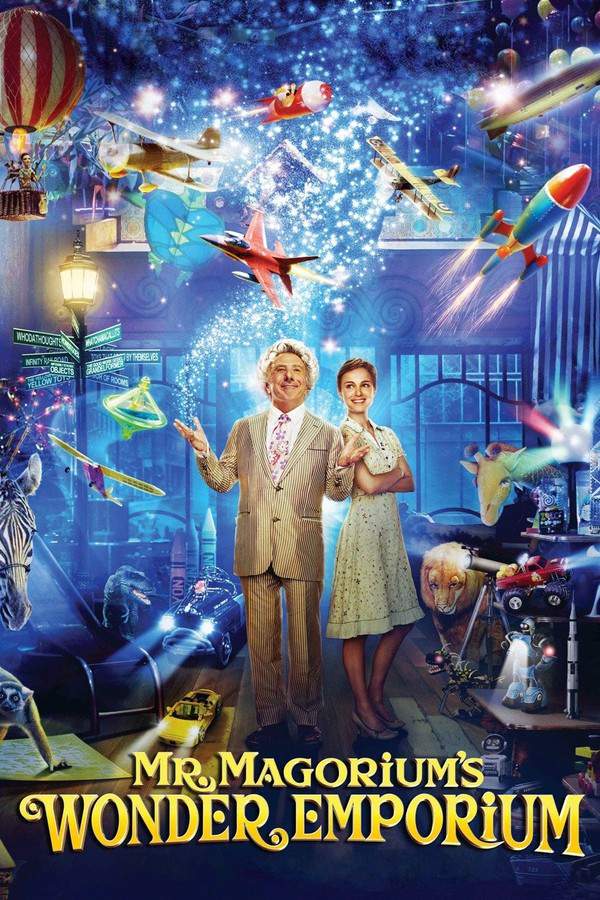
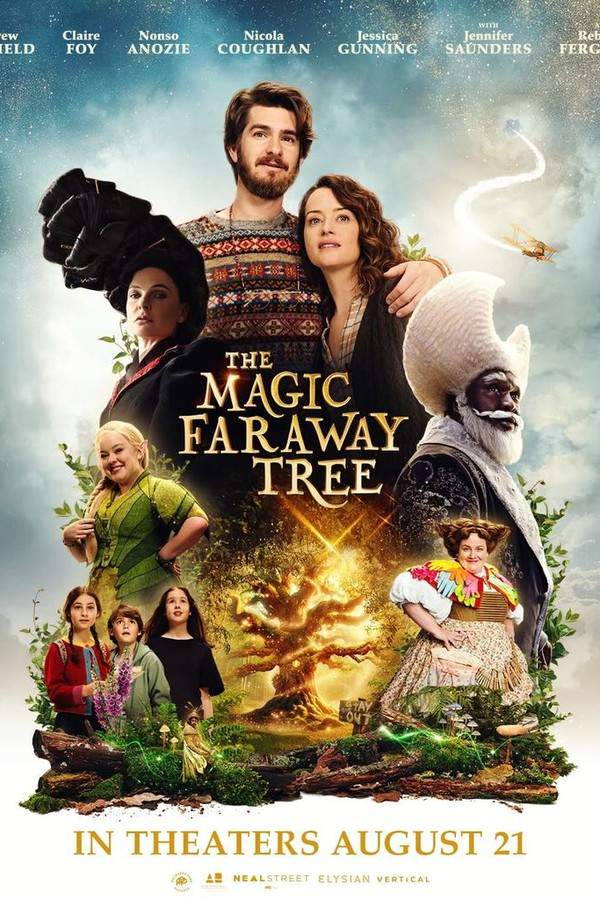
Magical adventures sparked by a child's imagination and belief.For fans of A Snow Fairy Tale, this list features movies where a child's imagination brings magic to life. Discover films with gentle whimsy, low-stakes fantasy adventures, and a heartwarming sense of childhood wonder, perfect for family viewing.
Stories in this thread typically begin with a simple, imaginative premise from a child's perspective—like believing a toy is magical. This belief triggers a real, yet gentle, fantasy adventure, often involving a helper character from the magical world. The conflict is light, focusing on themes of friendship and wonder rather than danger.
These movies are grouped by their shared focus on childhood innocence, a whimsical tone, and a low-intensity plot driven by imagination. They create a safe, enchanting viewing experience centered on the magic of belief.
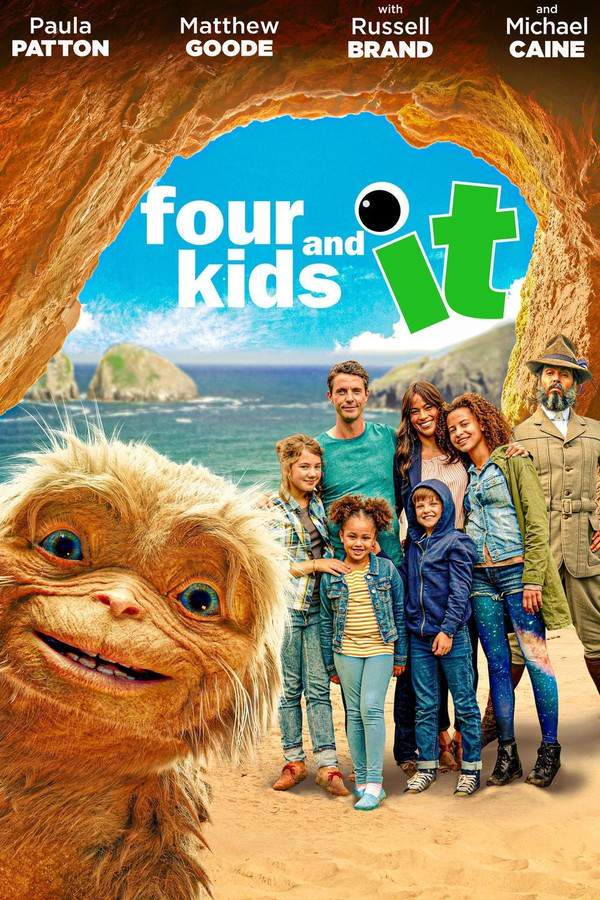
Stories where a simple object holds the key to a charming fantasy world.If you enjoyed the enchanted toy watch in A Snow Fairy Tale, explore more movies where a magical object sparks a delightful adventure. These films feature low-stakes fantasy, a whimsical mood, and focus on themes of friendship and playful wonder.
The narrative pattern involves a protagonist discovering or believing in the power of a specific object, which then becomes the catalyst for a magical event or journey. The conflict is often tied to a simple goal related to the object's magic, resolved through creativity and heart rather than force.
These films share the core concept of a magical object driving a gentle, fantastical plot. They are united by a light emotional weight, a steady, character-driven pace, and an overall sense of playful, non-threatening magic.
Don't stop at just watching - explore A Snow Fairy Tale in full detail. From the complete plot summary and scene-by-scene timeline to character breakdowns, thematic analysis, and a deep dive into the ending - every page helps you truly understand what A Snow Fairy Tale is all about. Plus, discover what's next after the movie.
Track the full timeline of A Snow Fairy Tale with every major event arranged chronologically. Perfect for decoding non-linear storytelling, flashbacks, or parallel narratives with a clear scene-by-scene breakdown.
Discover the characters, locations, and core themes that shape A Snow Fairy Tale. Get insights into symbolic elements, setting significance, and deeper narrative meaning - ideal for thematic analysis and movie breakdowns.