Year: 1988
Runtime: 85 mins
Language: Polish
Director: Krzysztof Kieślowski
Jacek climbs into the taxi driven by Waldemar, tells him to drive to a remote location, then brutally strangles him, seemingly without motive.
Warning: spoilers below!
Haven’t seen A Short Film About Killing yet? This summary contains major spoilers. Bookmark the page, watch the movie, and come back for the full breakdown. If you're ready, scroll on and relive the story!
Explore the full timeline and setting of A Short Film About Killing (1988). Follow every major event in chronological order and see how the environment shapes the story, characters, and dramatic tension.
Last updated: October 04, 2025 at 13:29
Meet the key characters of A Short Film About Killing (1988), with detailed profiles, motivations, and roles in the plot. Understand their emotional journeys and what they reveal about the film’s deeper themes.
Last updated: October 04, 2025 at 13:29
Explore the central themes of A Short Film About Killing (1988), from psychological, social, and emotional dimensions to philosophical messages. Understand what the film is really saying beneath the surface.
Last updated: October 04, 2025 at 13:29
Browse frequently asked questions about A Short Film About Killing (1988) focused on characters, relationships, themes, symbols, setting, and story context. This movie info FAQ gives spoiler-aware explanations for character arcs, world details, and thematic interpretation so readers can better understand what the film is really about.
The film uses Warsaw as its backdrop to contrast ordinary urban life with senseless violence. The crowded streets, cafés, and public spaces represent everyday Polish life in the late 1980s, while the remote edge of the city where the murder occurs highlights how violence can erupt unexpectedly in modern cities. This setting emphasizes the fragility of ordinary lives intersecting with brutal crime.
The late 1980s Polish setting grounds the story in a specific historical moment when capital punishment was still practiced. This era provides the legal context for the death penalty debate that drives the film's central moral conflict. The urban pace and public spaces reflect that transitional period in Poland, adding authenticity to the crime and courtroom proceedings.
The film interrogates whether execution truly represents justice. Piotr's defense argues against capital punishment, but the judge affirms the sentence as legally correct. The narrative exposes the gap between legal formalism and personal moral judgment, leaving uncomfortable questions about whether state-sanctioned killing differs from the murder it punishes.
Violence in the film is depicted as intimate and routine, not glorified or sensationalized. Jacek's capacity for harm is introduced through his casual cruelty before culminating in murder, suggesting violence can emerge from personal circumstances and environment. The execution scene further shows how state violence becomes normalized within the legal system.
Jacek's trauma stems from his sister's death, which fuels his restless and cruel impulses. The film links this personal suffering to his violent actions, suggesting unchecked pain can drive people toward irreversible choices. His defense lawyer confronts the weight of this trauma while weighing whether it justifies the crime or warrants mercy.
Jacek is a 19-year-old drifter who arrives in Warsaw deeply traumatized by his sister's death. His character is defined by restless, cruel impulses that emerge from this personal tragedy. He commits the brutal murder without clear motive, and is ultimately sentenced to death. His story represents how trauma can shape destructive paths.
Waldemar Rekowski is an overweight, crude Warsaw taxi driver who embodies a rough urban archetype. He is drawn to young women and displays predatory curiosity, reflecting a darker side of city life. His chance encounter with Jacek ends in murder, underscoring how ordinary lives can be abruptly destroyed by random violence.
Piotr Balicki is a young, idealistic lawyer who has just passed the bar and takes on Jacek's case. He faces overwhelming odds as evidence strongly supports guilt, while confronting deep moral questions about the death penalty and the limits of legal defense. His personal stake grows as he prepares to become a father, adding emotional weight to his struggle.
The film maintains a consistently dark, bleak tone that explores senseless violence and the moral ambiguities of capital punishment. With slow pacing and no humor or romance, the narrative delves into deepening sadness and despair. Both victim and perpetrator are destroyed, and the idealistic lawyer is left broken, creating a distressing emotional experience.
The film follows a straightforward three-act structure without complex subplots. The first act introduces both Jacek and Waldemar as ordinary people going about their lives. The second act depicts the brutal murder. The third act follows the trial and execution, emphasizing the inevitability of the tragic outcome and the systemic failure it represents.
Discover curated groups of movies connected by mood, themes, and story style. Browse collections built around emotion, atmosphere, and narrative focus to easily find films that match what you feel like watching right now.
Stories that coldly dissect the brutal logic and human cost of legal and social systems.If you were impacted by the harsh examination of capital punishment in 'A Short Film About Killing', explore these movies that similarly dissect flawed legal systems and institutional failures. These films share a serious tone and a heavy emotional weight, often concluding with a starkly pessimistic view of justice.
Narratives in this thread often follow a procedural structure, tracing a character's journey through an uncaring system. The conflict is not between individuals, but between the individual and the institution. The arc is typically one of defeat or destruction for the protagonist, serving to highlight the system's inherent flaws rather than celebrating individual triumph.
These films are grouped by their shared thematic focus on systemic critique, their consistently bleak tone, and their use of a straightforward, often procedural narrative to deliver a powerful, intellectually challenging, and emotionally devastating message about society.
Deliberately paced journeys where characters are consumed by violence and existential despair.For viewers who appreciated the slow, grim build-up and heavy atmosphere of 'A Short Film About Killing', this list features movies with a similar pacing and tone. These are intense, psychologically dense stories where a sense of hopelessness and moral ambiguity grows with each scene.
The narrative pattern involves a gradual accumulation of grim details and psychological pressure, leading to a violent climax or a bleak conclusion. Character development is centered on their internal conflict or desensitization, rather than external goals. The structure emphasizes atmosphere and mood over complex plotting, making the eventual tragic outcome feel fated.
These films share a potent combination of a slow, meditative pace and a dark, oppressive tone. They prioritize mood and psychological depth over action, creating a consistent feeling of unease and building towards emotionally heavy conclusions centered on violence and despair.
Don't stop at just watching - explore A Short Film About Killing in full detail. From the complete plot summary and scene-by-scene timeline to character breakdowns, thematic analysis, and a deep dive into the ending - every page helps you truly understand what A Short Film About Killing is all about. Plus, discover what's next after the movie.
Read a complete plot summary of A Short Film About Killing, including all key story points, character arcs, and turning points. This in-depth recap is ideal for understanding the narrative structure or reviewing what happened in the movie.
Track the full timeline of A Short Film About Killing with every major event arranged chronologically. Perfect for decoding non-linear storytelling, flashbacks, or parallel narratives with a clear scene-by-scene breakdown.
Discover movies like A Short Film About Killing that share similar genres, themes, and storytelling elements. Whether you’re drawn to the atmosphere, character arcs, or plot structure, these curated recommendations will help you explore more films you’ll love.
A Short Film About Killing (1988) Plot Summary & Movie Recap
A Short Film About Killing (1988) Scene-by-Scene Movie Timeline
A Short Film About Killing (1988) Spoiler-Free Summary & Key Flow
Movies Like A Short Film About Killing – Similar Titles You’ll Enjoy
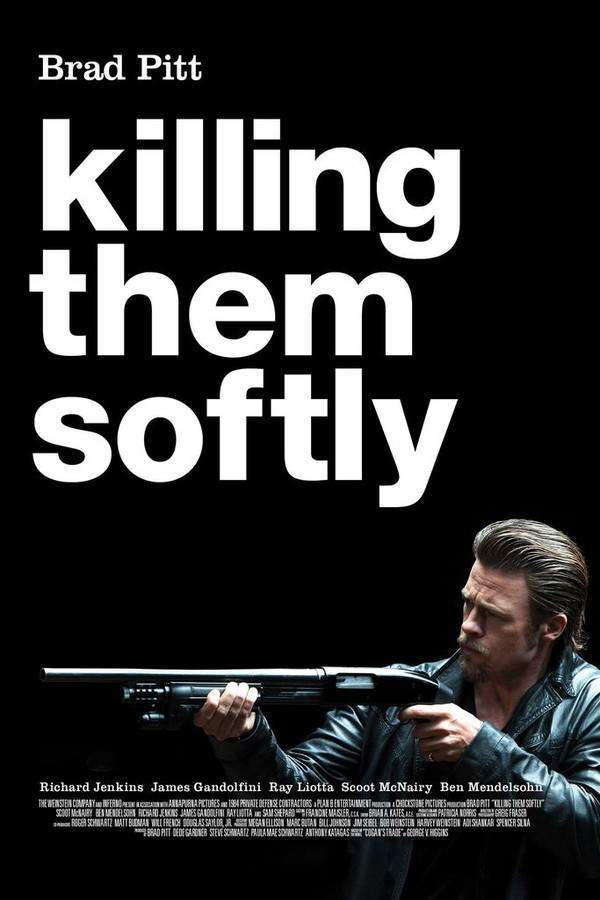
Killing Them Softly (2012) Full Summary & Key Details
Killing Me Softly (2002) Plot Summary & Ending Explained
Killing Words (2003) Ending Explained & Film Insights
Wściekły (1980) Complete Plot Breakdown
The Art of Dying (1991) Film Overview & Timeline
Killing Machine (1984) Full Movie Breakdown
The Executioner (1990) Ending Explained & Film Insights
Fresh Kill (1988) Ending Explained & Film Insights
The Killer (1989) Spoiler-Packed Plot Recap
Watch Me When I Kill (1977) Film Overview & Timeline
In Cold Blood (1967) Story Summary & Characters
Born to Kill (1947) Film Overview & Timeline
Killing Car (1993) Full Movie Breakdown
Die Watching (1993) Story Summary & Characters
Death of Hitch-Hikers (1979) Spoiler-Packed Plot Recap