
A Matter of Life and Death
 #11,64815
 Year: 1946
Runtime: 104 mins
Language: English
Directors: Emeric Pressburger, Michael Powell
A young RAF pilot miraculously survives a bail‑out without a parachute and meets an American radio operator, sparking an instant romance. Their love defies both war‑torn reality and the afterlife’s rules, prompting the celestial authorities to send an angel to claim the pilot’s soul before their bliss can endure.
Where to Watch A Matter of Life and Death?
Find where to stream, rent, or buy A Matter of Life and Death (1946) in the US with current JustWatch availability, up-to-date pricing, and platform listings for subscription, rental, and digital purchase options.


Streaming availability powered by 
Warning: spoilers below!
Haven’t seen A Matter of Life and Death yet? This summary contains major spoilers. Bookmark the page, watch the movie, and come back for the full breakdown. If you're ready, scroll on and relive the story!
A Matter of Life and Death (1946) – Full Plot Summary & Ending Explained
Read the complete plot breakdown of A Matter of Life and Death (1946), including all key story events, major twists, and the ending explained in detail. Discover what really happened, and what it all means.
In May 1945, Squadron Leader Peter Carter, David Niven, a Royal Air Force pilot, pilots a badly damaged and burning Lancaster bomber over the English Channel after a mission over Germany. With his crew ordered to bail out and his own parachute destroyed, Carter faces a death he believes is certain, but his only radio contact is June, Kim Hunter, at a United States Army Air Forces base along the English coast. After he jumps from the aircraft, Carter expects oblivion, yet a thick fog over the Channel thwarts a timely arrival to the afterlife. He awakens on a beach near June’s base, surprised to learn that he is still alive when a low-flying de Havilland Mosquito passes overhead.
Peter Carter soon encounters June again and experiences an unexpected and growing romance. Conductor 71, [Marius Goring], the guide charged with escorting souls to the Other World, briefly freezes time to explain the situation and urges Carter to accept his death and move on. Yet Carter refuses and presses for an appeal. While Conductor 71 consults his superiors, Carter clings to the possibility that his life can continue on Earth, and his fight to remain grows even as doctors on the living side of the world prepare to intervene.
Doctor Reeves, [Roger Livesey], becomes involved as Carter’s visions are diagnosed as a brain injury—adhesive arachnoiditis from a concussion suffered two years earlier. Reeves is killed in a motorcycle accident while searching for the ambulance that would take Carter to the hospital, but his death ironically frees Reeves to act as Carter’s counsel in the ensuing celestial hearing. Reeves argues that Carter, through no fault of his own, was granted extra time on Earth and has since formed a real earthly commitment with June that should take precedence over any afterlife claim.
The case moves toward a celestial court trial that unfolds in parallel with Carter’s brain surgery. The prosecutor, Abraham Farlan, [Raymond Massey], an American Minuteman who resents the British for making him one of the first casualties of the American Revolution, faces Reeves in a debate about justice and loyalty. Reeves challenges the jury’s makeup, insisting that it be free of prejudice, and the panel is ultimately replaced by a diverse group of modern Americans whose backgrounds are varied and contemporary. Throughout the proceedings, Reeves and Farlan trade jabs comparing their respective nationalities, each insisting that their side deserves a ruling in their favor.
A turning point comes when Reeves puts June on the stand and reveals the depth of her love for Carter. She explains that the only way to save Carter is for her to take his place in the afterlife, and she steps onto the stairway to the Other World without hesitation, only to be carried away by the same force she chose to confront. Carter’s plea intensifies as love and duty collide, and Reeves pauses long enough to acknowledge that love has the power to override even the strongest legal arguments. > nothing is stronger than the law in the universe, but on Earth, nothing is stronger than love.
The celestial jury eventually rules in Carter’s favor, and the Judge reveals a newly extended lifespan granted to him, a decision Reeves characterizes as generous, while Farlan, good-hnaturedly frustrated, concedes the point. The courtroom banter shifts to a lighter tone as the Chief Recorder protests the breach of legal procedure, and the story moves to the operating room, where the masked surgeon—the Judge in disguise—confirms the procedure’s success. Carter’s restoration becomes possible not merely through legal technicalities but through the enduring power of love and the stubborn hope of two people who would rather live together than accept a predetermined fate.
Last updated: October 09, 2025 at 12:34
A Matter of Life and Death (1946) Plot Questions Answered – Summary FAQ
Explore frequently asked questions about A Matter of Life and Death (1946) with spoiler-rich answers covering the full plot summary, major story beats, character motivations, hidden details, and ending meaning. This movie summary FAQ helps explain confusing scenes, plot twists, and narrative decisions in clear, searchable detail.
Why did Peter survive jumping from the plane without a parachute?
Peter survived because a thick fog over the English Channel delayed his arrival at the afterlife. He jumped from his burning Lancaster expecting immediate death, but the fog created a temporal anomaly that allowed him to drift long enough to wash ashore alive near June's American military base. This survival was unintentional, it was a glitch in the celestial system that subsequently triggered the entire legal battle over his soul.
How did Peter end up on the beach near June's base?
After jumping from his burning aircraft, Peter drifted through a thick fog over the English Channel rather than dying immediately. The fog acted as a barrier that prevented his soul from reaching the afterlife on schedule. He washed ashore on a beach near the American military base where June worked as a radio operator, waking up confused but alive when a low-flying Mosquito aircraft flew overhead.
Why did Doctor Reeves die in a motorcycle accident?
Doctor Reeves was killed while searching for the ambulance that would take Peter to the hospital for his brain surgery. His death was tragic timing, a motorcycle accident ended his life while he was still on Earth but his spirit became free to intervene in the celestial case. This accident was instrumental because it allowed Reeves to become Peter's counsel in the afterlife court, using his knowledge of medicine and his personal investment in saving Peter's life.
Who is Abraham Farlan and why does he prosecute Peter Carter?
Abraham Farlan is an American Minuteman who was one of the first casualties of the American Revolution. As the celestial prosecutor, he represents the strict enforcement of afterlife rules and resents the British, having been killed in the Revolutionary War. His prosecution argues that Peter's survival was a bureaucratic error and that he must return to the Other World regardless of his earthly circumstances. His personal grudge against Britain fuels his aggressive courtroom approach.
Why was the original celestial jury replaced?
The original jury was composed entirely of British figures from history, which created obvious bias against Peter Carter's case. When Reeves pointed out that the British-dominated panel would be prejudiced against the American interests in the case, the court replaced them with a diverse group of modern Americans. This change symbolized the film's theme of fairness transcending national prejudices and allowed the case to be judged more impartially.
What happened when June testified about taking Peter's place?
When June took the stand, she declared that the only way to save Peter was for her to take his place in the afterlife. She stepped onto the stairway leading to the Other World without hesitation. However, when she voluntarily chose to sacrifice herself for love, the stairway halted and she was returned to Peter's arms. This powerful moment demonstrated that love's willingness to overcome even death itself resonated with the celestial court, becoming the turning point that helped win Peter's case.
Their growing romance earlier in the story planted the seeds for this sacrifice
How did the Judge become the surgeon operating on Peter?
After the celestial court ruled in Peter's favor, the film reveals that the surgeon performing Peter's brain surgery was actually the Judge from the celestial court in disguise. This explains how the operation succeeded, the same cosmic authority that granted Peter his extended life also personally ensured his survival through the medical procedure. The Judge's dual role symbolizes the connection between divine justice and earthly fate.
What was the verdict and what lifespan did the Judge reveal?
The celestial jury ruled in Peter's favor, deciding he could remain on Earth. The Judge revealed that Peter had been granted a newly extended lifespan, meaning his life would continue beyond what was originally fated. Reeves characterized this decision as generous, acknowledging that Peter's genuine love for June and his commitment to earthly life had outweighed the strict enforcement of celestial rules. The verdict allowed Peter to return to Earth and live out his days with June.
Why does the film conclude that love is stronger than law?
The film argues that love transcends legal and cosmic boundaries through June's willing sacrifice and Peter's refusal to accept fate. When June volunteered to take Peter's place in death, the act of unconditional love proved more powerful than any celestial statute. The court's ultimate decision to grant Peter continued life reflected this theme, while the law governs the universe, human love represents a force capable of bending even the most rigid cosmic rules.
What was the brain injury Peter suffered?
Peter's visions of the afterlife were diagnosed by Doctor Reeves as adhesive arachnoiditis, a condition caused by a concussion he had suffered two years earlier. This medical explanation grounded the supernatural events in plausible Earthly terms, suggesting Peter's near-death experience may have triggered actual brain damage. The diagnosis led to scheduled surgery that ran in parallel with the celestial trial, linking the physical and metaphysical storylines.
Why was Peter Carter's soul scheduled for collection by Conductor 71?
Conductor 71 was the celestial guide assigned to escort Peter's soul to the Other World because Peter's scheduled death occurred when his parachute was destroyed during the bailout. The afterlife system works on timing, everyone's death is pre-ordained, and when someone survives an apparent fatal event, it creates a bureaucratic problem. Conductor 71 explained that Peter's extra time on Earth was technically unauthorized and he needed to return to complete his journey to the afterlife.

Explore Movie Threads
Discover curated groups of movies connected by mood, themes, and story style. Browse collections built around emotion, atmosphere, and narrative focus to easily find films that match what you feel like watching right now.
Cosmic Romance Fantasies like A Matter of Life and Death
Whimsical love stories that challenge the rules of reality and the afterlife.If you enjoyed the blend of whimsical fantasy and heartfelt romance in A Matter of Life and Death, you'll find similar stories here. These movies explore love that defies cosmic odds, set against imaginative backdrops of celestial bureaucracy or alternate realities, perfect for fans of hopeful and philosophical tales.
A Matter of Life and Death
1946

Made in Heaven
1987

Just Like Heaven
2005

Afterlife of the Party
2021

Love in Space
2011

It’s a Wonderful Life
2007

Upside Down
2013

Angel-A
2007

Defending Your Life
1991

Past Tense
2014

Above the Shadows
2019
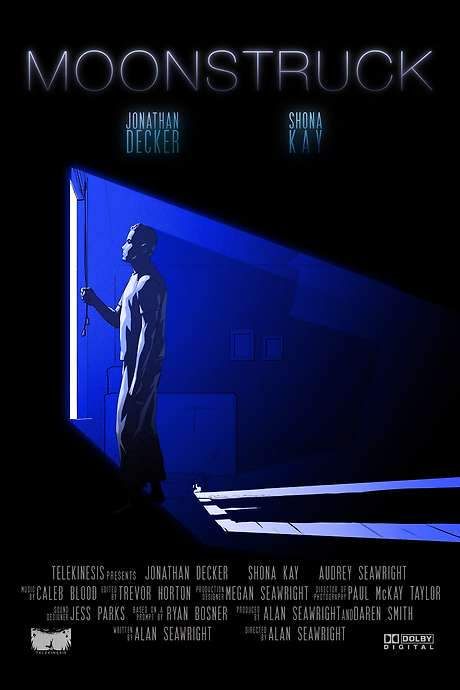
Moonstruck
2022

Hello Again
1987

Love at First Sight
2023

Space Cadet
2024
Narrative Summary
The narrative pattern typically involves a human character whose love or extraordinary circumstance brings them into conflict with a larger cosmic or supernatural order. A central debate or trial often ensues, where the power of human emotion and connection is weighed against immutable rules, ultimately affirming hope and the value of life.
Why These Movies?
These films are grouped together because they share a core identity: a hopeful, romantic tone woven into a fantastical plot that questions the nature of existence. They maintain a steady pace to develop both the philosophical dilemma and the central relationship, resulting in a medium-intensity experience that is more wondrous than stressful.
Post-War Romance Fantasies like A Matter of Life and Death
Stories where love offers solace and a new beginning in the shadow of conflict.For viewers who liked the post-war setting and themes of sacrifice and renewal in A Matter of Life and Death, this collection features similar films. Discover stories where characters find love and a chance at a new life after enduring the hardships of war, often with a touch of magical realism or speculative fiction.

Beautiful Dreamer
2006
Past Tense
2014

Since You Went Away
1944

A Walk in the Clouds
1995

Persuasion
2007
Love at First Sight
2023

Second Act
2018

Love Again
2023

The Lucky One
2012

Love Happens
2009

Hope Springs
2003

Love, Again
2015

The Very Thought of You
1944

The Dark Angel
1935

Autumn Tale
1999
Narrative Summary
The narrative journey follows a character, often a soldier or survivor, grappling with the physical or psychological scars of war. Their path to healing is catalyzed by an unexpected romance or a miraculous event, creating a conflict between the harsh realities of their past and the hopeful possibilities of a future they thought was lost.
Why These Movies?
These movies share a specific emotional core: using elements of fantasy or profound romance to process the trauma of war. They combine the medium emotional weight of wartime sacrifice with a fundamentally hopeful and tender tone, resulting in stories that are both grounding in their historical context and uplifting in their resolution.
Unlock the Full Story of A Matter of Life and Death
Don't stop at just watching - explore A Matter of Life and Death in full detail. From the complete plot summary and scene-by-scene timeline to character breakdowns, thematic analysis, and a deep dive into the ending - every page helps you truly understand what A Matter of Life and Death is all about. Plus, discover what's next after the movie.
A Matter of Life and Death Timeline
Track the full timeline of A Matter of Life and Death with every major event arranged chronologically. Perfect for decoding non-linear storytelling, flashbacks, or parallel narratives with a clear scene-by-scene breakdown.

Characters, Settings & Themes in A Matter of Life and Death
Discover the characters, locations, and core themes that shape A Matter of Life and Death. Get insights into symbolic elements, setting significance, and deeper narrative meaning - ideal for thematic analysis and movie breakdowns.


Similar Movies to A Matter of Life and Death
Discover movies like A Matter of Life and Death that share similar genres, themes, and storytelling elements. Whether you’re drawn to the atmosphere, character arcs, or plot structure, these curated recommendations will help you explore more films you’ll love.

Love Is in the Air
2005
Made in Heaven
1987

Today We Live
1933

The Way to the Stars
1945

Arise, My Love
1940

Born to Love
1931

Body and Soul
1931

I’ve Lived Before
1956

Great Moments in Aviation
1994

A Yank in the R.A.F.
1941

Test Pilot
1938

A Pilot Returns
1942

A Guy Named Joe
1943

Air Hostess
1933

Wings in the Dark
1935
Explore More About Movie A Matter of Life and Death
A Matter of Life and Death (1946) Scene-by-Scene Movie Timeline
A Matter of Life and Death (1946) Movie Characters, Themes & Settings
A Matter of Life and Death (1946) Spoiler-Free Summary & Key Flow
Movies Like A Matter of Life and Death – Similar Titles You’ll Enjoy
Love Is in the Air (2005) Film Overview & Timeline
Made in Heaven (1987) Full Summary & Key Details
Today We Live (1933) Movie Recap & Themes
The Way to the Stars (1945) Spoiler-Packed Plot Recap
Arise, My Love (1940) Movie Recap & Themes
Born to Love (1931) Full Movie Breakdown
Body and Soul (1931) Plot Summary & Ending Explained
I’ve Lived Before (1956) Film Overview & Timeline
Great Moments in Aviation (1994) Plot Summary & Ending Explained
A Yank in the R.A.F. (1941) Plot Summary & Ending Explained
Test Pilot (1938) Plot Summary & Ending Explained
A Pilot Returns (1942) Complete Plot Breakdown
A Guy Named Joe (1943) Full Movie Breakdown
Air Hostess (1933) Story Summary & Characters
Wings in the Dark (1935) Story Summary & Characters