Year: 1960
Runtime: 81 mins
Language: German
Director: Helmut Käutner
Set amid the intrigues of Queen Anne’s English court, the film follows the rivalry between the liberal politician Lord Bolingbroke and the formidable Lady Churchill, Duchess of Marlborough, as they weave schemes and power plays. Presented as a German comedy, it adapts Eugène Scribe’s stage play.
Warning: spoilers below!
Haven’t seen A Glass of Water yet? This summary contains major spoilers. Bookmark the page, watch the movie, and come back for the full breakdown. If you're ready, scroll on and relive the story!
Explore the full timeline and setting of A Glass of Water (1960). Follow every major event in chronological order and see how the environment shapes the story, characters, and dramatic tension.
Last updated: October 05, 2025 at 08:34
Meet the key characters of A Glass of Water (1960), with detailed profiles, motivations, and roles in the plot. Understand their emotional journeys and what they reveal about the film’s deeper themes.
Last updated: October 05, 2025 at 08:34
Explore the central themes of A Glass of Water (1960), from psychological, social, and emotional dimensions to philosophical messages. Understand what the film is really saying beneath the surface.
Last updated: October 05, 2025 at 08:34
Browse frequently asked questions about A Glass of Water (1960) focused on characters, relationships, themes, symbols, setting, and story context. This movie info FAQ gives spoiler-aware explanations for character arcs, world details, and thematic interpretation so readers can better understand what the film is really about.
The story takes place during the early 18th century at Queen Anne's court in London, Great Britain. This was a period marked by dynastic politics, shifting alliances, and intense court intrigue as factions vied for influence over the young queen.
The film is set within the royal palace of Queen Anne in London. The primary settings include formal ballrooms, private chambers, and the corridors of power where patrons, advisers, and rivals maneuver for influence over national decisions.
The primary theme is power and intrigue at the English court. The queen's fragile authority is tested by courtiers and rivals who weave plots to tilt the balance of power. Sarah Churchill's court patronage and Henry St. John's opposition illustrate how influence can be earned, traded, or betrayed, with personal ambition intertwined with national stakes.
The plot revolves around ending the war with France and resuming peace negotiations. Leaders maneuver the terms and timing of peace while balancing domestic pressures. The outcome hinges on who controls the queen's ear and the cabinet that follows, making diplomacy as powerful as any military weapon.
Trust is unstable within the royal circle, as allies become rivals and confidants are coerced by competing agendas. Characters like Abigail and Masham become pawns in a larger game, while Henry's disclosures reshape loyalties. The constant danger of misplaced loyalty runs as an undercurrent throughout the narrative.
Queen Anne, portrayed by Liselotte Pulver, is depicted as a young and inexperienced monarch easily swayed by powerful figures at court. Her decisions are shaped by advisors like Sarah Churchill and by political maneuvering. Her volatility and need for approval drive many of the plot's twists and determine the fate of courtiers.
Sarah Churchill, Duchess of Marlborough, portrayed by Hilde Krahl, is a formidable patron at court who uses her influence to defend her husband's wartime image and advance her own power. Her intrigues recruit Masham and manipulate the queen, creating a web of loyalties that fractures as the plot unfolds. Her fate demonstrates the limits of ambition and control.
Sir Henry St. John, played by Gustaf Gründgens, is a noble leader of the opposition who seeks to end the war with France. Using legalistic cunning and political tactics, his calculations push him into pivotal roles within the queen's circle and the cabinet. He embodies pragmatic, sometimes ruthless, diplomacy in service of peace.
Arthur Masham is a young country lord made an ensign by Sarah as a social reward, while Abigail is a jealous shop assistant who becomes a key actor in the court's matchmaking schemes. Their relationship becomes entangled through Masham's engagement to Abigail, and their choices become leverage in court intrigue, embodying the personal costs of political games.
Discover curated groups of movies connected by mood, themes, and story style. Browse collections built around emotion, atmosphere, and narrative focus to easily find films that match what you feel like watching right now.
Stories of high-stakes political strategy where personal desires shape national destinies.Explore movies like A Glass of Water that delve into sophisticated political scheming. If you enjoyed the tense power plays within Queen Anne’s court, this collection features similar stories of ambition, rivalry, and subtle manipulation in high-stakes settings.
These narratives typically revolve around a central power vacuum or conflict, often involving a monarch or leader whose favor is the ultimate prize. Characters operate in a web of loyalty and betrayal, where a single misstep can lead to ruin. The plot is driven by strategic conversations, unspoken tensions, and carefully orchestrated moves rather than overt action.
Movies are grouped here for their shared focus on intellectual, high-society power struggles. They create a similar vibe of anxious calculation, where the primary conflict is a battle of wits set against a backdrop of opulent but dangerous environments.
Tense stories where victory is achieved through cunning plans and psychological warfare.Find movies similar to A Glass of Water that center on intelligent, tactical conflicts. If you liked the nuanced power plays between Bolingbroke and Lady Churchill, these films feature characters who win battles with their minds, not their muscles, in a tense and steady narrative.
The plot structure is defined by a series of strategic moves and countermoves between rivals of relatively equal intellect. Each side gains and loses temporary advantage, creating a steady rhythm of tension and release. The resolution is often mixed, with a pyrrhic victory or a new status quo achieved through morally ambiguous means.
These films share a specific narrative pattern of cerebral conflict and a tense, steady pacing that prioritizes intellectual engagement over action. The mood is consistently anxious and calculating, appealing to viewers who enjoy watching complex plans unfold.
Don't stop at just watching - explore A Glass of Water in full detail. From the complete plot summary and scene-by-scene timeline to character breakdowns, thematic analysis, and a deep dive into the ending - every page helps you truly understand what A Glass of Water is all about. Plus, discover what's next after the movie.
Read a complete plot summary of A Glass of Water, including all key story points, character arcs, and turning points. This in-depth recap is ideal for understanding the narrative structure or reviewing what happened in the movie.
Track the full timeline of A Glass of Water with every major event arranged chronologically. Perfect for decoding non-linear storytelling, flashbacks, or parallel narratives with a clear scene-by-scene breakdown.
Discover movies like A Glass of Water that share similar genres, themes, and storytelling elements. Whether you’re drawn to the atmosphere, character arcs, or plot structure, these curated recommendations will help you explore more films you’ll love.
A Glass of Water (1960) Plot Summary & Movie Recap
A Glass of Water (1960) Scene-by-Scene Movie Timeline
A Glass of Water (1960) Spoiler-Free Summary & Key Flow
Movies Like A Glass of Water – Similar Titles You’ll Enjoy
The Favourite (2018) Film Overview & Timeline
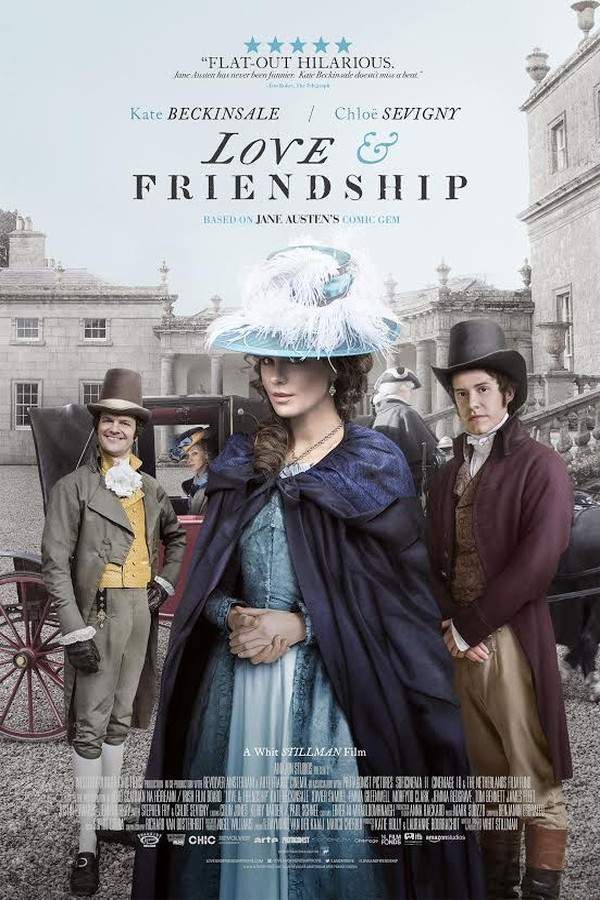
Love & Friendship (2016) Story Summary & Characters
Love, Life and Laughter (1934) Movie Recap & Themes
The Lady of Scandal (1930) Full Summary & Key Details
The Merry Widow (1934) Spoiler-Packed Plot Recap
English Without Tears (1944) Full Summary & Key Details
The Glass Slipper (1955) Full Movie Breakdown
A Breath of Scandal (1960) Film Overview & Timeline
The Fan (1949) Movie Recap & Themes
A Royal Scandal (1945) Detailed Story Recap
Lady Windermere’s Fan (1925) Plot Summary & Ending Explained
A Glass of Water (1979) Ending Explained & Film Insights
The Glass Virgin (1000) Movie Recap & Themes
The Prince and the Showgirl (1957) Detailed Story Recap
A Royal Scandal (1997) Spoiler-Packed Plot Recap