
A Dozen Summers
Year: 2015
Runtime: 82 mins
Language: English
Maisie and Daisy McCormack are two ordinary 12-year-olds finding their way through life in the 21st century. Oh, and they may have just hijacked a movie.
Where to Watch A Dozen Summers?
Find where to stream, rent, or buy A Dozen Summers (2015) in the US with current JustWatch availability, up-to-date pricing, and platform listings for subscription, rental, and digital purchase options.

Streaming availability powered by 
Warning: spoilers below!
Haven’t seen A Dozen Summers yet? This summary contains major spoilers. Bookmark the page, watch the movie, and come back for the full breakdown. If you're ready, scroll on and relive the story!
A Dozen Summers (2015) – Full Plot Summary & Ending Explained
Read the complete plot breakdown of A Dozen Summers (2015), including all key story events, major twists, and the ending explained in detail. Discover what really happened, and what it all means.
Maisie McCormack [Scarlet Hall] and Daisy McCormack [Hero Hall] are two ordinary twelve-year-olds navigating the minefield of life in the 21st century. To them, growing up feels like a constant puzzle, where grown-ups behave in peculiar, baffling ways and the rules of the world seem to shift just when you think you understand them. In their eyes, every day is a new scene in a movie they’re trying to piece together, a kaleidoscope of small moments that add up to something larger than themselves.
One day, they unexpectedly interrupt a children’s adventure story in progress by scaring off the Narrator [Colin Baker], hijacking the film to tell the story of their own lives through the lens of the movies they’ve seen. What begins as a playful defiance quickly becomes a bold, self-narrated journey, a metafictional adventure where their reality is reframed by cinema and memory, time-worn tropes, and the bright glow of imagination.
Jacqueline McCormack [Sarah Warren], their mother, is a striving model whose idiosyncratic parenting style shapes the family’s rhythm and expectations. Henry McCormack [Kenton Hall], their father, is a writer who has sacrificed more than the children realize to keep the home steady and safe. With this dynamic backdrop, the girls navigate the everyday pressures of home life, school, and social currents, all while holding onto the sense that their world is both ordinary and extraordinary.
Maisie and Daisy invite us into their day-to-day life, from daily battles with bullies Jennifer, Audrey and Beth to the pull of first love—Matty Archer, the school heartthrob for Maisie, whose charm complicates the halls of their school. Unbeknownst to Daisy, her own best friend Samuel adds a layer of friendship and potential romance to the mix, further blurring the line between childhood certainty and adolescent possibility. They take us through awkward dates with Jacqueline, through home life with Henry, and through school life that turns fantastical with added were-wolves and vampires, turning a familiar routine into a dazzling, eerie playground of imagination and fear.
As the narrative unfolds, they edge toward the first tentative steps into adulthood when Jacqueline settles into a more stable life and the plan to set their father up with their teacher, Miss Walters, begins to take shape. The clock ticks as the interrupted story threatens to re-claim its stage, forcing them to weigh ambition against the pull of the moment and the comfort of the life they know. It’s a race against time, and Maisie and Daisy learn that speed isn’t everything—sometimes the hardest journey is growing up without losing who you are along the way.
And in the end, the finish line isn’t a clean victory but a quiet, hopeful shift: a recognition that growing up, with all its uncertainties and surprises, isn’t something to fear but something to embrace as a new kind of story to tell.
Last updated: February 17, 2026 at 19:55
A Dozen Summers (2015) Plot Questions Answered – Summary FAQ
Explore frequently asked questions about A Dozen Summers (2015) with spoiler-rich answers covering the full plot summary, major story beats, character motivations, hidden details, and ending meaning. This movie summary FAQ helps explain confusing scenes, plot twists, and narrative decisions in clear, searchable detail.
Why do Maisie and Daisy interrupt the film's narrator?
The sisters hijack the narrator because they feel the children's adventure story in progress doesn't represent their own lives. Using movie tropes they've seen, they decide to tell their actual story, navigating school, family, and growing up, through the lens of cinema. This metafictional act gives them agency over how their narrative is told.
Their desire to control their own story appears in the opening scene when they first scare off the Narrator.
What is the purpose of the werewolves and vampires appearing at school?
The fantasy creatures represent how Maisie and Daisy filter their adolescent fears and desires through cinematic language. Werewolves and vampires transform mundane school days, lessons, hallways, social dynamics, into adventures, reflecting their need to make sense of growing up through the movies they've watched.
Why do Maisie and Daisy try to set up their father with Miss Walters?
The girls orchestrate a matchmaking plan because they notice their father seems lonely and deserve happiness. Their teacher Miss Walters appears as a potential romantic match, and the girls' meddling tests family boundaries while trying to bring the adults in their lives together.
The matchmaking subplot builds gradually as the term ends, showing the girls' growing concern for their father's emotional wellbeing.
Why does Jacqueline have such an unconventional parenting approach?
Jacqueline's eccentric parenting stems from her life as a struggling model whose professional ambitions constantly blur with home life. Her methods are affectionate but chaotic, reflecting her belief that creativity and flexibility serve her daughters better than strict structure.
Her unconventional approach is established early when the girls describe grown-ups as "peculiar" and "baffling."
Why has Henry sacrificed so much for the family?
Henry, a writer, has given up personal ambitions to provide stability for his daughters. He balances creative work with fatherly presence, bedtime stories, advice, and quiet devotion, because he prioritizes keeping the home steady over pursuing his own career goals.
What is Matty Archer's significance in the story?
Matty Archer is Maisie's first crush, a school heartthrob whose charm complicates her adolescent experience. His presence introduces romantic uncertainty to her life, representing the new emotional territory preteens navigate as they move toward adulthood.
What are Samuel's feelings toward Daisy?
Samuel is Daisy's best friend who secretly harbors romantic feelings for her. This secret adds complexity to their friendship, creating tension between childhood certainty and emerging adolescent romance as Daisy remains unaware of his true feelings.
What role do the bullies Jennifer, Audrey, and Beth play?
The three bullies represent the social pressures Maisie and Daisy face at school. Their taunts create daily challenges that the sisters must navigate, illustrating the minefield of peer relationships that defines much of their preteen experience.
What does the "interrupted story" threatening to return mean?
The original children's adventure story that the girls interrupted begins to reassert itself, threatening to overwrite their self-narrated film. This creates a literal race against time where Maisie and Daisy must fight to keep their own story from being erased, their version of growing up versus the expected narrative.
The threat builds throughout the film, culminating in the climax where the original tale threatens to reclaim the screen.
Why is the ending hopeful about growing up?
The resolution shows Maisie and Daisy accepting that growing up isn't something to fear, despite its uncertainties. They learn that letting life evolve into new stories isn't a betrayal of who they are, this hopeful shift reframes adulthood as another chapter to embrace rather than dread.
How does the movie use film tropes to tell the story?
Maisie and Daisy reinterpret everyday moments using movie tropes they've watched, transforming mundane experiences into larger-than-life scenes. This creates a whimsical, kaleidoscopic narrative where school bullying becomes an adventure and home life mirrors romantic comedies, showing how cinema shapes how children process reality.

Explore Movie Threads
Discover curated groups of movies connected by mood, themes, and story style. Browse collections built around emotion, atmosphere, and narrative focus to easily find films that match what you feel like watching right now.
Playful movies with meta storytelling like A Dozen Summers
Movies where characters bend or break the rules of storytelling with joyful imagination.Explore movies like A Dozen Summs that feature whimsical meta-narratives and characters who playfully break the fourth wall. These films share a lighthearted, imaginative feel and a charmingly mischievous tone.
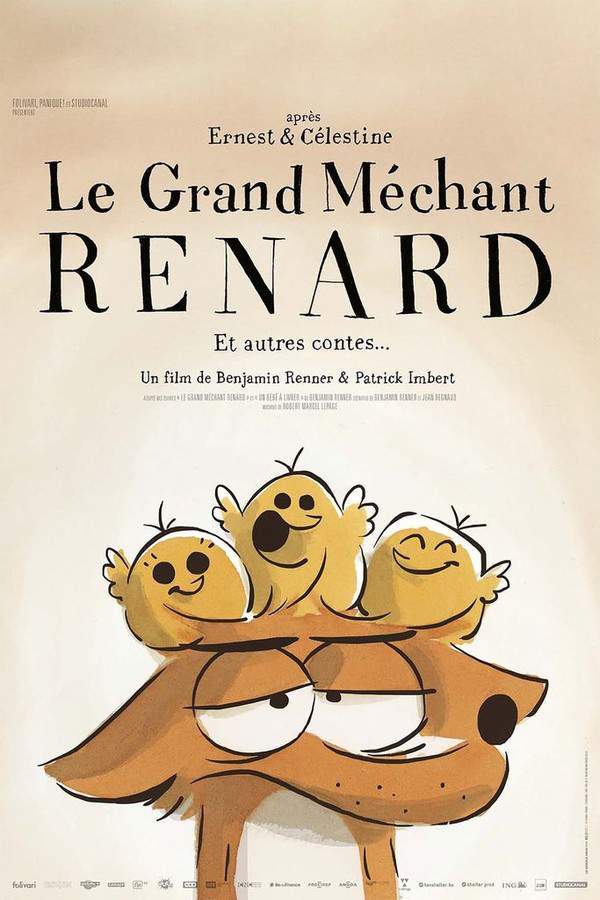
The Big Bad Fox & Other Tales
2018
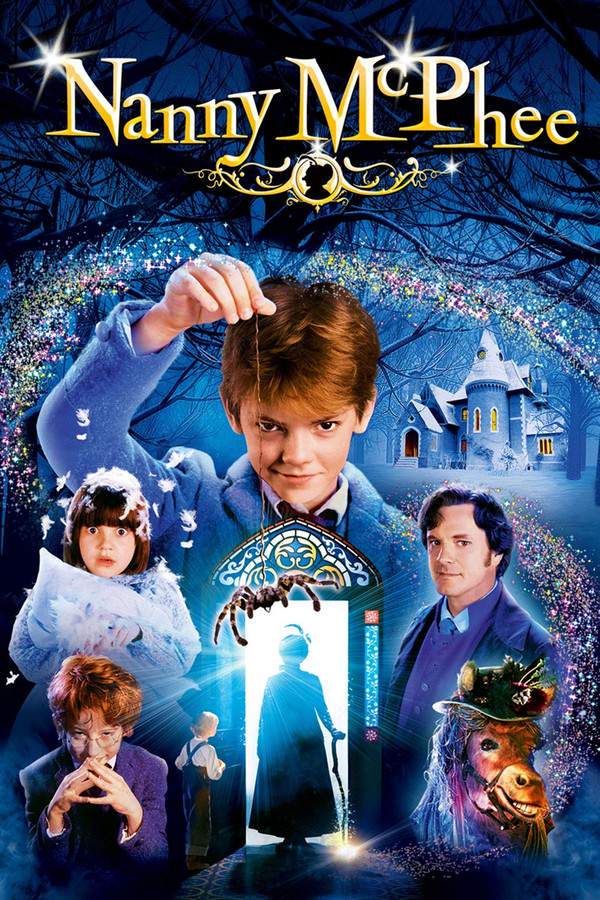
Nanny McPhee
2006
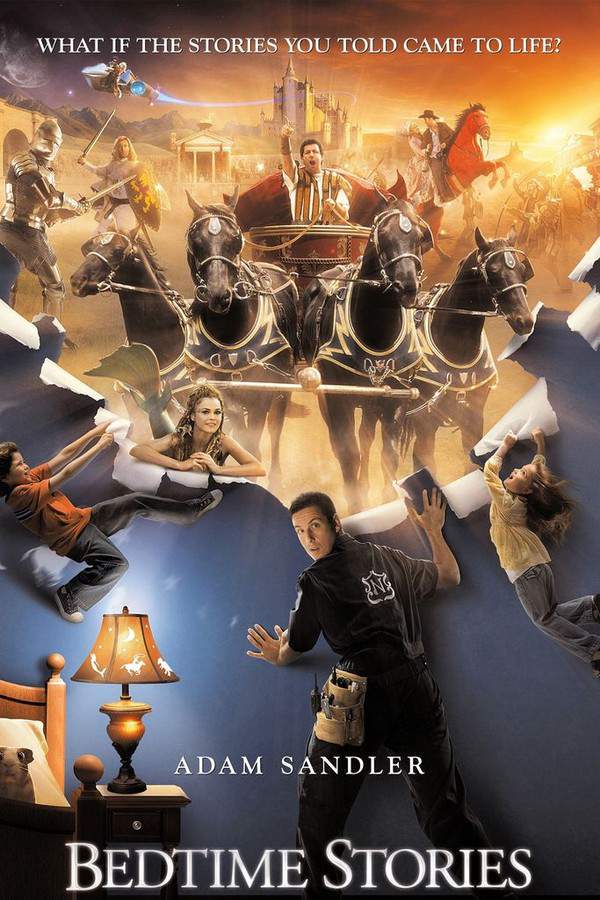
Bedtime Stories
2008

Timmy Failure: Mistakes Were Made
2020
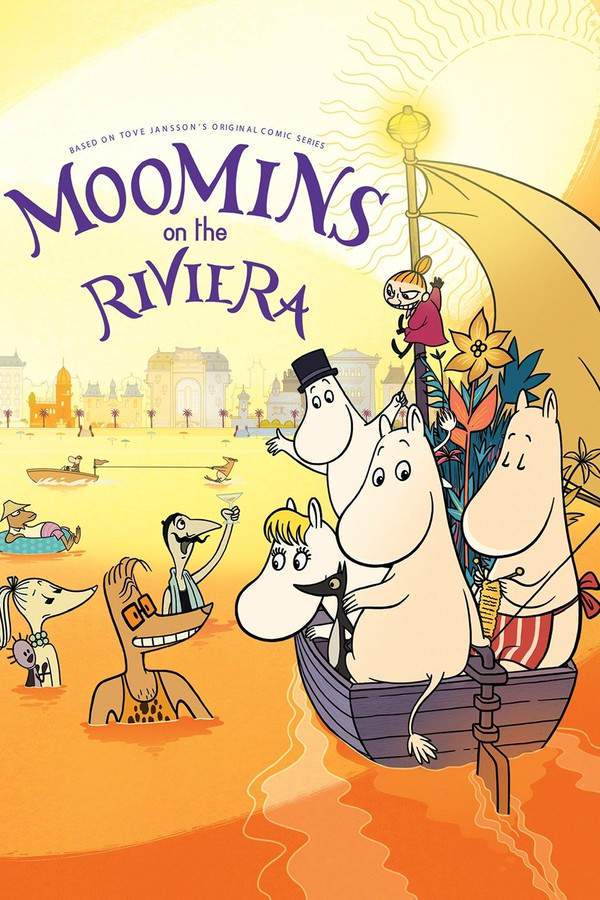
Moomins on the Riviera
2015
Bewitched
2005
Fat Albert
2004
The Wonderful Story of Henry Sugar
2023

A Fish Out of Water
2017

Miss Minoes
2001
Turnabout
1940

The Wonderful World of the Brothers Grimm
1962

Laughter in Paradise
1951

From the Mixed-Up Files of Mrs. Basil E. Frankweiler
1995
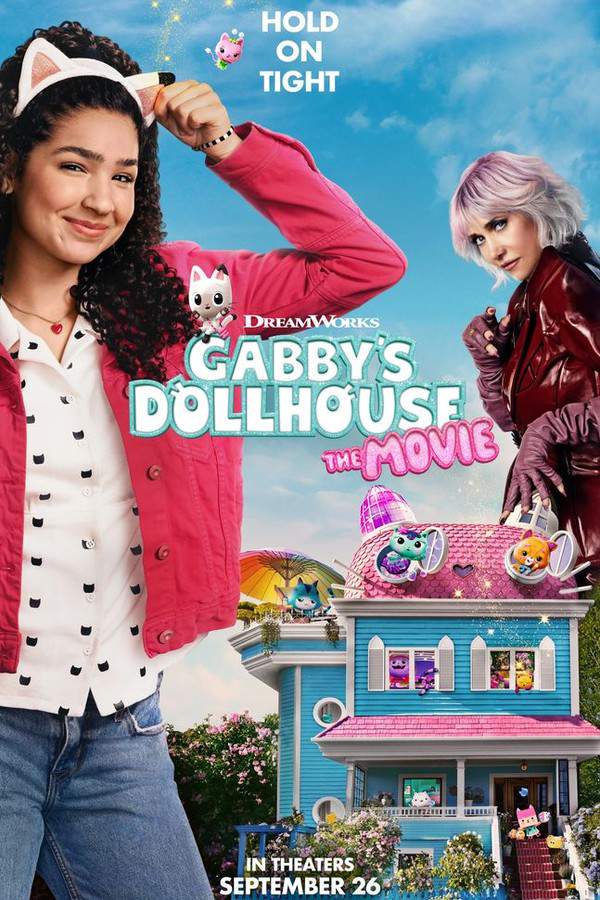
Gabby's Dollhouse: The Movie
2025
Narrative Summary
Stories in this thread often begin with a conventional plot that is soon interrupted or commandeered by a character. The narrative becomes a canvas for their imagination, blending the real world with fictional constructs. The journey is less about a high-stakes external conflict and more about the creative act of storytelling itself.
Why These Movies?
These movies are grouped together because they share a unique blend of whimsical tone, meta-fictional elements, and a lighthearted approach to narrative structure. They prioritize playful invention over conventional plot, creating a shared vibe of joyful creativity.
Gentle coming-of-age stories about sisters like A Dozen Summers
Heartwarming stories about sisters navigating the small, relatable dramas of growing up.Discover gentle coming-of-age movies like A Dozen Summers that focus on the bond between sisters. If you enjoyed the lighthearted take on school, family, and first love, you'll find similar heartfelt stories here.

Just Say Yes
2021
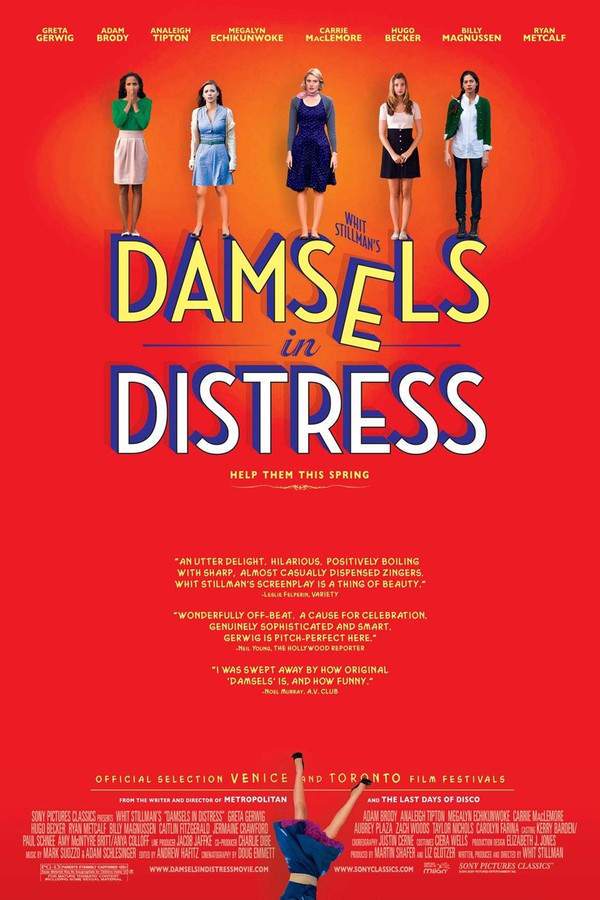
Damsels in Distress
2012
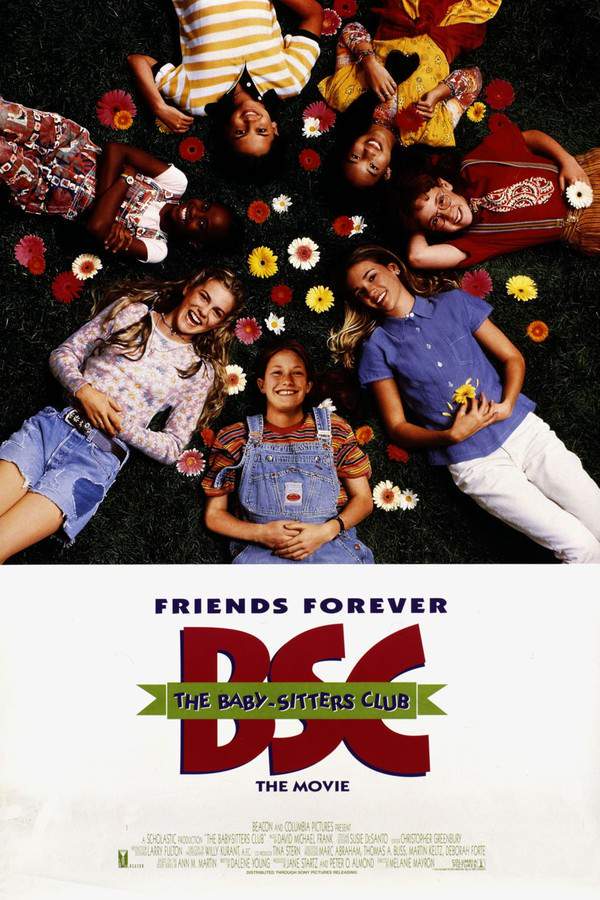
The Baby-Sitters Club
1995
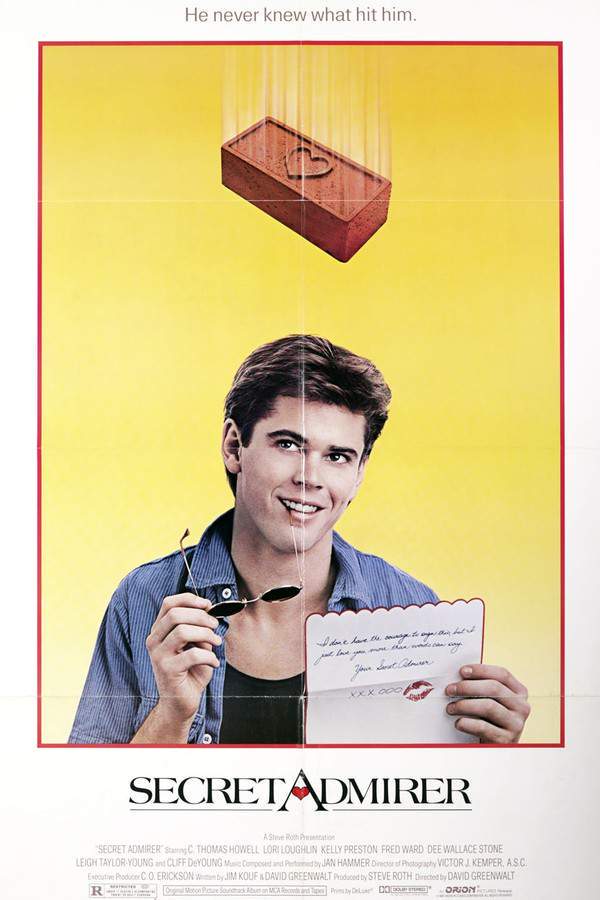
Secret Admirer
1985

Picture This
2025

Mujhse Fraaandship Karoge
2011

The March Sisters at Christmas
2012

LOL
2012
A Dozen Summers
2015

Anne of Green Gables: The Sequel
1000

All’s Well, Ends Well 2020
2020

All’s Well, Ends Well
1992

Little Sister
1992

Boys Are Easy
1993

Hellcats
2008
Narrative Summary
The narrative follows sisters as they face the universal challenges of growing up—like shifting family dynamics, schoolyard politics, and emerging independence. The conflict is often internal and relational rather than external, leading to a resolution that feels earned but realistically hopeful.
Why These Movies?
This thread connects films that share a specific focus on the sisterly bond within a coming-of-age framework. They are unified by a light emotional weight, a steady, observant pacing, and a tone that is more whimsical or nostalgic than intensely dramatic.
Unlock the Full Story of A Dozen Summers
Don't stop at just watching - explore A Dozen Summers in full detail. From the complete plot summary and scene-by-scene timeline to character breakdowns, thematic analysis, and a deep dive into the ending - every page helps you truly understand what A Dozen Summers is all about. Plus, discover what's next after the movie.
A Dozen Summers Timeline
Track the full timeline of A Dozen Summers with every major event arranged chronologically. Perfect for decoding non-linear storytelling, flashbacks, or parallel narratives with a clear scene-by-scene breakdown.

Characters, Settings & Themes in A Dozen Summers
Discover the characters, locations, and core themes that shape A Dozen Summers. Get insights into symbolic elements, setting significance, and deeper narrative meaning - ideal for thematic analysis and movie breakdowns.


