Year: 1954
Runtime: 100 mins
Language: Russian
Director: Iosif Kheifits
Adapted from Vsevolod Kochetov’s novel 'The Zhurbin Family,' the drama follows three generations of ship‑builders sharing one home: grandfather Matvei, his son Ilya, and Ilya’s sons Aleksei, Anton and Viktor, as the fourth generation is born. When restructuring forces the family to abandon shipbuilding, Aleksei’s youngest son endures harsh trials.
Warning: spoilers below!
Haven’t seen A Big Family yet? This summary contains major spoilers. Bookmark the page, watch the movie, and come back for the full breakdown. If you're ready, scroll on and relive the story!
Explore the full timeline and setting of A Big Family (1954). Follow every major event in chronological order and see how the environment shapes the story, characters, and dramatic tension.
Last updated: February 19, 2026 at 09:32
Meet the key characters of A Big Family (1954), with detailed profiles, motivations, and roles in the plot. Understand their emotional journeys and what they reveal about the film’s deeper themes.
Last updated: February 19, 2026 at 09:32
Explore the central themes of A Big Family (1954), from psychological, social, and emotional dimensions to philosophical messages. Understand what the film is really saying beneath the surface.
Last updated: February 19, 2026 at 09:32
Browse frequently asked questions about A Big Family (1954) focused on characters, relationships, themes, symbols, setting, and story context. This movie info FAQ gives spoiler-aware explanations for character arcs, world details, and thematic interpretation so readers can better understand what the film is really about.
The film takes place in Leningrad, a major port city in Russia known for its significant shipyards and industrial complexes. The story centers around a multi-generational family living in the Zhurbin home, with their daily lives deeply intertwined with the shipyard's rhythms. The industrial port city setting shapes both the family's professional identity and personal dynamics.
The story unfolds in the 1950s, during the postwar Soviet era. This was a period of rapid industrial expansion and social change in the Soviet Union. The 1950s setting is significant because it captures a transformative moment when traditional craftsmanship was being challenged by modernization and new construction methods.
The drama follows three generations of the Zhurbin family living under one roof, exploring how ties of blood and loyalty bind members across generations. Each generation faces its own expectations, with personal ambitions sometimes clashing with family values. The film emphasizes that family bonds endure even through conflict, love, betrayal, and reconciliation.
The tension between old skills and new techniques runs throughout the film. Anton returns with a new ship assembly method, representing modernization, while Victor pursues a universal model for ship construction. This conflict between traditional craftsmanship and technological advancement creates friction in every household interaction, testing family relationships.
Love and forgiveness emerge as central themes through Katya's pregnancy and her relationship with Aleksei. When Katya becomes involved with a club director who abandons her after learning she is pregnant, Aleksei ultimately forgives her and accepts the child. The film emphasizes that romantic and familial bonds are capable of renewal despite heartbreak and missteps.
When the shipyard undergoes reorganization, family members must adapt to new professions and roles. Ilya struggles to keep up as his old skills fade, while Basmanov embodies the friction between enduring expertise and a changing era. The story shows how the tight-knit family evolves in response to industrial and social change, portraying adaptation as necessary though painful.
Anton is the youngest son who returns to the family from Leningrad bearing a new ship assembly method. He bridges traditional family life with practical innovation, pushing the household to adapt to changing times. His presence accelerates changes in the family's routines and expectations, representing the younger generation's embrace of modernization.
Aleksei is a central figure whose complex actions drive some of the film's most challenging emotional threads. He experiences heartbreak when his fiancée Katya becomes pregnant by another man, but ultimately chooses to forgive her and accept the child. His journey embodies themes of resilience, reconciliation, and moral complexity within the family.
Victor is a master model-maker who designs the universal machine for constructing ship models. His work epitomizes the push toward modernization within the family business. As the shipyard world evolves, Victor's patience and adaptability are tested, while his craft continues to be central to family life.
Lida, Victor's wife, feels alienated in a household entirely focused on shipbuilding. Her departure highlights the personal costs of a life absorbed by industry and the tension between personal identity and family obligations. Her absence underscores the need for balance between work and personal life within the family.
Basmanov is a longtime foreman and close friend of Ilya who represents the older guard of the shipyard. He embodies the friction between tradition and progress, believing that the era of his expertise may be passing as modernization advances. His character reflects the broader tension between experienced workers and changing industry practices.
Grandfather Matvei is the patriarch who anchors the family in tradition. His presence gives the clan a sense of continuity as younger members grapple with change. He embodies resilience and a longer view of the family's evolution, serving as the connecting figure across all four generations depicted in the story.
Discover curated groups of movies connected by mood, themes, and story style. Browse collections built around emotion, atmosphere, and narrative focus to easily find films that match what you feel like watching right now.
Generational stories where tradition clashes with economic change. For viewers who enjoyed A Big Family, this section collects movies about families navigating the decline of their traditional industries. If you liked the generational drama and bittersweet adaptation themes, you'll find similar stories here.
These narratives follow one or more generations of a family deeply rooted in a specific trade or industry facing obsolescence. The central conflict arises from the clash between cherished traditions and the unstoppable force of economic or technological change, forcing characters to confront their identities and find new paths forward.
Movies are grouped here by their shared focus on the emotional and social impact of industrial decline on a family unit. They share a reflective, often melancholic mood, and feature characters who must demonstrate quiet resilience, making for deeply human stories of endurance.
Family sagas where endings mix loss with hope and forgiveness. If you liked the bittersweet ending of A Big Family, this section features movies that balance hardship and hope. Find similar stories about forgiveness, marital strife, and characters adapting to new realities.
The story builds through periods of familial conflict, personal betrayal, or external pressures, creating a sense of strain and loss. The resolution does not offer a purely happy or tragic conclusion, but instead finds meaning in characters accepting their new circumstances, offering forgiveness, or finding a quiet, forward-looking strength.
These films are united by their poignant, bittersweet emotional core. They avoid simplistic happy endings, instead delivering a more realistic and resonant conclusion that acknowledges life's difficulties while highlighting the resilience of the human spirit.
Don't stop at just watching - explore A Big Family in full detail. From the complete plot summary and scene-by-scene timeline to character breakdowns, thematic analysis, and a deep dive into the ending - every page helps you truly understand what A Big Family is all about. Plus, discover what's next after the movie.
Read a complete plot summary of A Big Family, including all key story points, character arcs, and turning points. This in-depth recap is ideal for understanding the narrative structure or reviewing what happened in the movie.
Track the full timeline of A Big Family with every major event arranged chronologically. Perfect for decoding non-linear storytelling, flashbacks, or parallel narratives with a clear scene-by-scene breakdown.
Discover movies like A Big Family that share similar genres, themes, and storytelling elements. Whether you’re drawn to the atmosphere, character arcs, or plot structure, these curated recommendations will help you explore more films you’ll love.
A Big Family (1954) Plot Summary & Movie Recap
A Big Family (1954) Scene-by-Scene Movie Timeline
A Big Family (1954) Spoiler-Free Summary & Key Flow
Movies Like A Big Family – Similar Titles You’ll Enjoy
A Family (2021) Complete Plot Breakdown
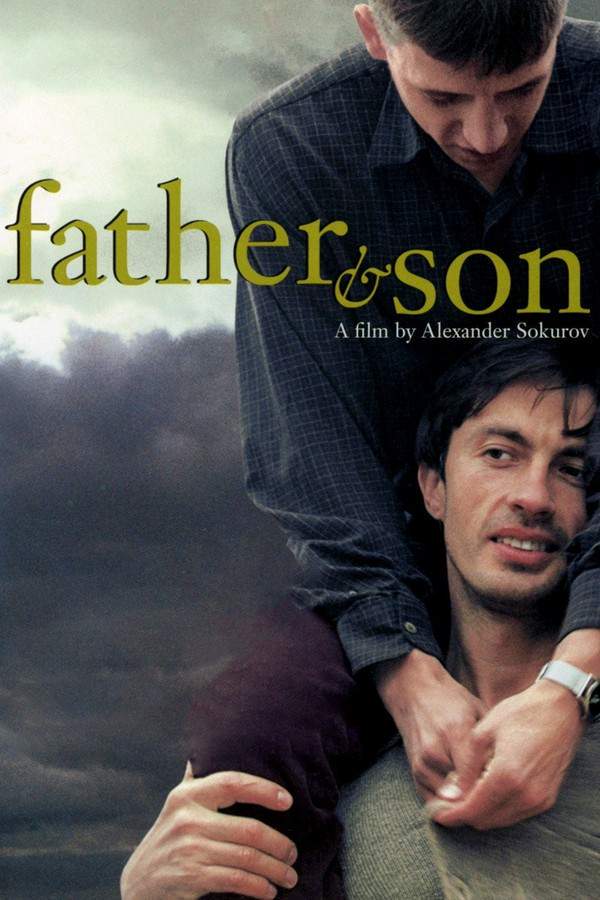
Father and Son (2004) Plot Summary & Ending Explained
Big Dreams (1000) Full Summary & Key Details
The Big Moment (1000) Detailed Story Recap
The Relatives (2021) Movie Recap & Themes
The Head of a Big Fish (2022) Ending Explained & Film Insights
Nakhimov Residents (2022) Story Summary & Characters
All About the Levkoviches (2024) Complete Plot Breakdown
Other People’s Relatives (1956) Full Movie Breakdown
The Brothers Karamazov (1969) Plot Summary & Ending Explained
Family (1957) Full Summary & Key Details
My Big Fat Father (1992) Detailed Story Recap
The Family and One More (1965) Plot Summary & Ending Explained
A Summer to Remember (1960) Detailed Story Recap
The Brothers Karamazov (1958) Detailed Story Recap