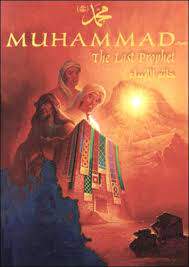
The film traces the early years of Islam from Muhammad’s divine summons to the sweeping rise of a new faith across Mecca and Medina, told with a patient, observational tone that emphasizes faith, conflict, and community. Muhammad receives a profound calling from the angel Gabriel and responds by inviting the rulers of the surrounding powers to acknowledge the message. Heraclius, the Byzantine Emperor; Kisra, the Sasanian Emperor; and Muqawqis, the Patriarch of Alexandria, are depicted as distant figures whose responses shape the fate of Muhammad’s growing following. Heraclius and Kisra appear in this opening arc, with the actors Ronald Leigh-Hunt and Martin Benson bringing their presence to the screen as pivotal symbols of rival empires, while Muqawqis is embodied by Mohammed Tawfik. In Mecca, the Prophet’s call meets mixed interest and growing opposition, and the early converts face mounting pressure.
As the early believers endure persecution, some followers flee to Abyssinia to seek protection under a sympathetic king, choosing refuge over retreat. Back in Mecca, the city’s leaders tighten their grip, and a small but brave nucleus of adherents begins to practice their faith in secrecy. The narrative then moves north to Medina, where Muhammad and his companions are warmly welcomed and where they establish the first Islamic community around the new prayers and a place of assembly—what will become the Quba Mosque. The film makes clear how material possessions are traded in Mecca, even as spiritual commitments deepen, and a moment of cautious peace leads to a fragile, practical pause in hostilities.
Yet tensions endure, and the Muslims face armed opposition. The film recreates the decisive Battle of Badr, where a smaller, determined force secures a significant victory that reshapes the balance of power in the region. The triumph, however, does not end the strife. In the Battle of Uhud, the Muslims suffer a heavy setback when Hamza is killed and the tide turns after a lapse that leaves the camp unprotected, allowing a counterattack from behind. The energy of the clash is palpable, and the aftermath yields a ten-year truce that temporarily halts open fighting while political and religious forces recalibrate their strategies.
Within the period of uneasy quiet, a dramatic transformation occurs: Khalid ibn Walid, a formidable Meccan general who had fought against Muhammad’s followers, converts to Islam. His change of heart signals a shift in the war’s dynamic and foreshadows a broader integration of previously hostile tribes and leaders. The film also tracks a tense moment when Abu Sufyan arrives in Medina to plead for mercy and to argue that deception and violence did not originate with the Meccans but with robbers who breached the truce. The Muslims, wary of broken pledges and recent betrayals, respond with resolve, preparing for a renewed assault that would bring Mecca under Muslim influence.
The entry into Mecca unfolds without the bloodshed one might expect after years of conflict. The populace surrenders, and the pagan idols housed around the Kaaba are destroyed, marking a profound symbolic victory. The first azan in Mecca is proclaimed from the Kaaba by Bilal ibn Rabah, and with it comes the Farewell Sermon, a reflective moment that foregrounds the faith’s ethical and communal tenets. The film then broadens its horizon to contemplate the lasting impact of Islam, weaving in contemporary footage of pilgrims performing tawaf around the Kaaba.
In its final montage, the narrative circles from ancient events to a worldwide present, showing mosques across the globe filled with worshippers and the adhan echoing in unison. The closing sequence reinforces a message of unity and continuity, underscoring how the story begun in Mecca continues to resonate in places far beyond its original setting. This culminates in a sober, thoughtful meditation on faith, community, and history, inviting viewers to reflect on the legacies that persist to this day.
- Hamza, portrayed by Anthony Quinn, stands as a symbol of courage and familial loyalty in the early battles and the defense of the Muslim community.
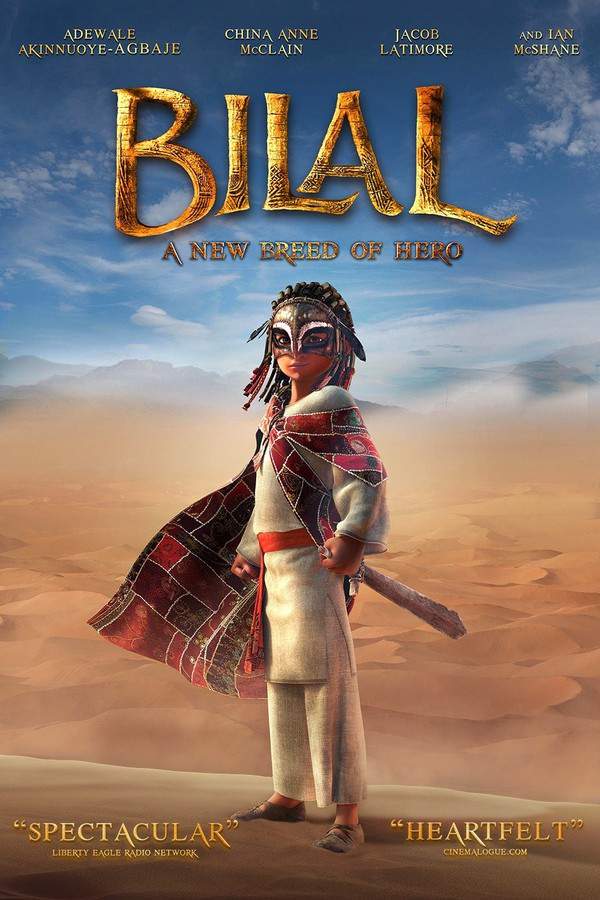
- Bilal, portrayed by Johnny Sekka, is shown delivering the first azan on the Kaaba, a pivotal moment in the consolidation of the new faith.
- Hind, portrayed by Irene Papas, represents the complex social forces at play in Mecca during the Prophet’s emergence.
- Abu-Talib, portrayed by Andr Morell, provides a protective patriarchal figure within the Prophet’s circle.
- Kisra, portrayed by Martin Benson, and the other rulers symbolize the external powers observing the events with interest and concern.
- Otba, portrayed by Robert Brown, Salool, portrayed by John Bennett, and Somaya, portrayed by Rosalie Crutchley, populate the Meccan and desert landscapes with their own stakes in the unfolding drama.
- Abu Sufyan, portrayed by Michael Ansara, is depicted at moments of diplomacy and menace as the conflict intensifies.
- Zaid, portrayed by Damien Thomas; Ammar, portrayed by Garrick Hagon; Suheil, portrayed by Nicholas Amer; Khalid, portrayed by Michael Forest; An-Najashi, portrayed by Earl Cameron; Waleed, portrayed by George Camiller; Jaafar, portrayed by Neville Jason; Muqawqis, portrayed by Mohammed Tawfik; Héraclius, portrayed by Ronald Leigh-Hunt; Amr, portrayed by Donald Burton; and Umaya, portrayed by Bruno Barnabe populate the cast with a broad spectrum of figures who define the era.
> observes no treaty and keeps no pledge
This is a sweeping, respectful retelling that remains anchored to the core events of Muhammad’s early years, the hardships faced by his followers, and the transformative moment when Mecca and its people step onto a new historical path, with the world watching as a faith takes root and endures.