Retelling Herman Melville’s classic in sci‑fi style, the story expands the leviathan whale and upgrades the ship to a high‑tech submarine. It heightens the timeless clash of man versus the sea. “Xena” alum Rene O’Connor serves as the traditionally male narrator, while Captain Ahab remains fixated on destroying the massive sea monster that maimed him.
Find where to stream, rent, or buy 2010: Moby Dick (2010) in the US with current JustWatch availability, up-to-date pricing, and platform listings for subscription, rental, and digital purchase options.
Warning: spoilers below!
Haven’t seen 2010: Moby Dick yet? This summary contains major spoilers. Bookmark the page, watch the movie, and come back for the full breakdown. If you're ready, scroll on and relive the story!
Trace every key event in 2010: Moby Dick (2010) with our detailed, chronological timeline. Perfect for unpacking nonlinear stories, spotting hidden connections, and understanding how each scene builds toward the film’s climax. Whether you're revisiting or decoding for the first time, this timeline gives you the full picture.
Last updated: August 19, 2025 at 05:15
Find frequently asked questions about the 2010: Moby Dick (2010) timeline, including chronological order, nonlinear jumps, cause-and-effect links, and scene sequence clarifications. This timeline FAQ helps explain when key events happen, how moments connect, and why the story unfolds in that specific order.
Ahab's obsession stems from a traumatic encounter in 1969, when he was a young sonar officer aboard the USS Acushnet. During a routine dive near Soviet waters, the submarine was ambushed by a massive white whale. The attack destroyed the vessel and cost Ahab his leg. The creature dragged the submarine back into the icy depths, leaving him with lifelong physical and psychological scarring. This trauma fuels his relentless hunt for Moby Dick in the present day, transforming his duty into a personal vendetta.
The 1969 encounter establishes the whale as an intelligent, purposeful adversary rather than a random animal.
During the 1969 attack on the USS Acushnet, Ahab detected an unknown presence underwater and described it as an "emptiness." The submarine pursued the target into a trench, where the massive white whale ambushed them. In the chaotic attack, the whale dragged the submarine back underwater, and Ahab's leg was severed or crushed during the violent encounter. He survived, but the injury left him maimed for life.
The young Ahab's insistence that he hears something the others cannot establishes his sensitivity to the whale's presence.
The USS Acushnet was destroyed during the 1969 encounter. After the white whale ambushed the submarine, it dragged the vessel back into the icy depths. The creature's immense size and strength overwhelmed the submarine, and it was lost along with most of its crew. Only Ahab and a few others survived, with Ahab being severely injured.
The whale's ability to drag an entire submarine underwater establishes its monstrous scale early in the film.
Dr. Michelle Herman developed a whale song generator that mimics whale vocalizations to study and communicate with whales. The device becomes critical during the hunt because it can both attract and provoke Moby Dick. When activated near the whale, it triggers a response, though it also angeres the creature and draws its aggression toward the Pequod.
Michelle's research represents the scientific approach to the whale, contrasting with Ahab's violent pursuit.
The USS Essex was searching for the Pequod near Hawaii when it detected Moby Dick using active sonar. The whale, which operates more like a territorial creature than a passive animal, perceived the submarine as a threat. When the Essex attempted to engage, Moby Dick attacked first, destroying the submarine with a torpedo. The whale appears to defend its territory aggressively against any vessel that threatens or pursues it.
This attack demonstrates that Moby Dick is not merely an animal but a highly intelligent, aggressive entity.
Queequeg is killed during the confrontation at the atoll. When the crew sends out small boats armed with guns and harpoons to face Moby Dick, the whale destroys two of these boats in its rampage. Queequeg is aboard one of these vessels and is killed in the chaos. His death occurs before Ahab's final confrontation with the whale.
The crew's decision to use small boats against a creature that already destroyed submarines shows their desperation.
Ahab dies during his final confrontation with Moby Dick at the atoll. After Queequeg and others are killed, Ahab takes the last boat and fires his harpoon directly into the whale's other eye. However, this act provokes the creature's final retaliation. Moby Dick destroys Ahab's boat, killing him instantly. His obsession ends in the same manner as the original Captain Ahab, with his death at the hands of the beast he hunted.
Ahab's harpoon made from Acushnet wreckage symbolically connects his present hunt to his original trauma.
Yes, Moby Dick survives the nuclear attack completely. After Ahab's death, the remaining crew follows his final orders and launches nuclear missiles at the atoll where the whale is retreating. However, the massive creature easily dodges the missiles. As the island is destroyed by the nuclear explosions, Moby Dick swims away unharmed and disappears into the abyss, demonstrating that no human weapon can stop it.
The whale's demonstrated intelligence and size make its ability to evade missiles plausible within the story's logic.
Moby Dick attacks the S.S. Rachel cruise liner during its rampage. When Michelle activates her whale song generator to communicate with or track the whale, it has the unintended effect of provoking the creature. The whale attacks the cruise liner, treating it as another threat. This demonstrates that the whale responds violently to any perceived intrusion in its territory, regardless of whether the vessel is a warship or civilian liner.
The whalesong generator, meant as a non-violent tracking method, inadvertently draws the whale's aggression.
Captain Boomer is a survivor of the original 1969 attack on the USS Acushnet, making him one of the few people who understands Ahab's obsession firsthand. In San Diego, he is tasked with investigating strange whale-related incidents and attacks. He connects the present-day attacks to Ahab's hunt for Moby Dick, serving as a bridge between the past trauma and current events. His perspective provides context for why Ahab's mission is so dangerous and personal.
As another survivor, Boomer represents what happens when the obsession for revenge consumes a person.
Moby Dick is depicted as an enormous 600-foot creature, far larger than any real whale. This massive scale is what allows it to destroy submarines, attack cruise liners, and survive a nuclear strike. The film's sci-fi approach upgrades the leviathan to a size that makes it a genuine threat to naval vessels and suggests it may be a mutated or evolved creature rather than a natural animal.
The 600-foot measurement is given during the pursuit sequence, setting up the whale's immunity to conventional weapons.
After Ahab dies, the remaining crew members, including Starbuck and Pip, follow Ahab's final order to launch nuclear missiles at the whale. When this fails, the whale destroys the Pequod submarine. Michelle is the final survivor shown swimming to the surface as a rescue helicopter arrives, suggesting she is the sole or primary survivor. The whale escapes, implying the threat continues.
Starbuck's presence as first officer becomes critical when he must make the decision to use nukes after Ahab's death.
Michelle is testing her whale song generator when the USS Pequod surfaces unexpectedly. Captain Ahab, recognizing her work with whale vocalizations, insists she board the submarine. Though hesitant about hunting the whale, she agrees to join the mission, partly because Ahab has the vintage 1969 recording of the whale's call from her earlier research. Her scientific expertise becomes valuable for tracking and understanding the creature.
The 1969 recording Ahab keeps suggests his obsession was long-planned and meticulous.
The ending implies that Moby Dick remains a persistent and unstoppable threat. Despite the destruction of the Pequod, the death of Ahab, and the use of nuclear weapons, the whale survives unscathed and escapes into the deep ocean. Michelle's rescue suggests humanity's temporary reprieve, but the whale's survival hints at future encounters. The ambiguous ending leaves open the possibility of continued conflict.
The recurring pattern of attacks throughout the film suggests this is not a one-time event.
Discover curated groups of movies connected by mood, themes, and story style. Browse collections built around emotion, atmosphere, and narrative focus to easily find films that match what you feel like watching right now.
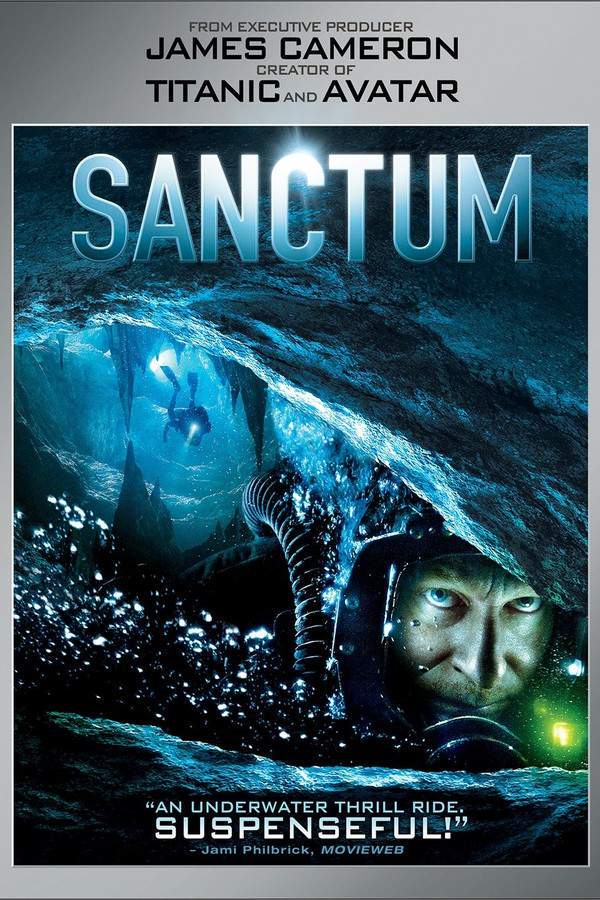
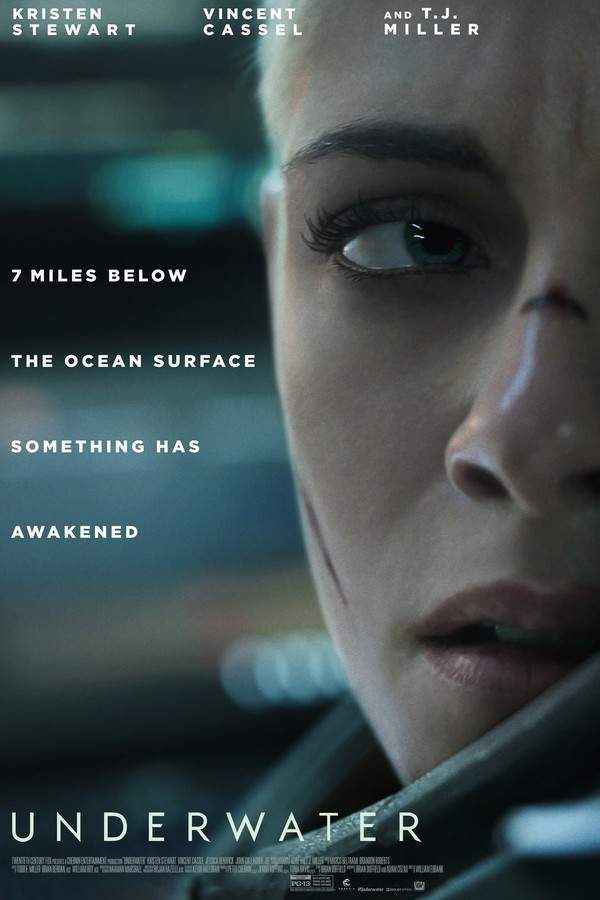
Thrillers where a single-minded quest unravels within tight, isolated settings.If you liked the relentless, confined chase in 2010: Moby Dick, you'll find similar tension in these movies. This collection features stories of dangerous obsessions unfolding in tight spaces like submarines, ships, or isolated outposts, creating a palpable sense of pressure and suspense. Explore more movies like 2010: Moby Dick with high-stakes pursuits and claustrophobic settings.
These narratives follow a protagonist, often charismatic but deeply flawed, on a self-destructive mission. The confined setting amplifies the psychological tension, turning the pursuit into a pressure cooker where the line between hunter and hunted blurs. The story typically escalates in a series of destructive confrontations, leading toward a tragic or ambiguous conclusion.
These films are grouped by their shared atmosphere of intense psychological pressure, driven by a singular obsession and a physically restrictive environment. They deliver a consistent feeling of inescapable tension and explore themes of hubris, revenge, and the high cost of fixation.
Action-packed stories where humanity faces off against colossal, otherworldly creatures.Fans of the massive sea monster and submarine battles in 2010: Moby Dick will enjoy these similar sci-fi monster movies. This list features high-octane stories of humanity confronting giant creatures, blending survival horror with sci-fi action. Discover more movies like 2010: Moby Dick with epic creature features and destructive confrontations.
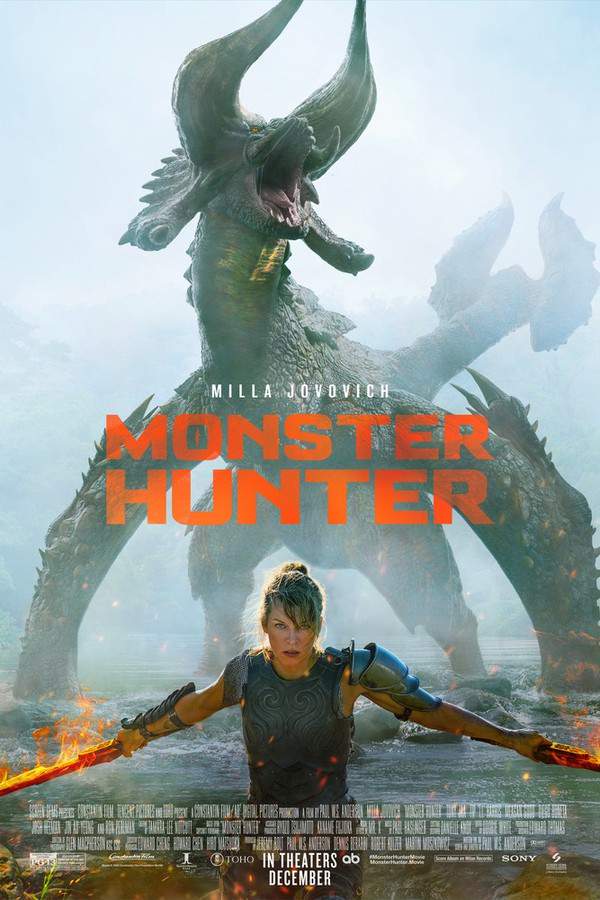
The plot typically follows a group of specialists or soldiers who must confront a newly discovered or awakened colossal monster. The narrative is driven by a series of escalating attacks and desperate defense strategies, often highlighting the hubris of mankind versus the raw power of nature. While focused on action, these stories often carry heavy emotional weight due to the scale of destruction and loss.
These films share a core experience of large-scale monster mayhem, high-tension survival scenarios, and spectacular sci-fi action set pieces. They deliver a consistent vibe of chaos, dread, and awe in the face of a gigantic antagonist, appealing to viewers who enjoy creature features with a serious, high-stakes tone.
Don't stop at just watching - explore 2010: Moby Dick in full detail. From the complete plot summary and scene-by-scene timeline to character breakdowns, thematic analysis, and a deep dive into the ending - every page helps you truly understand what 2010: Moby Dick is all about. Plus, discover what's next after the movie.
Read a complete plot summary of 2010: Moby Dick, including all key story points, character arcs, and turning points. This in-depth recap is ideal for understanding the narrative structure or reviewing what happened in the movie.

Discover the characters, locations, and core themes that shape 2010: Moby Dick. Get insights into symbolic elements, setting significance, and deeper narrative meaning - ideal for thematic analysis and movie breakdowns.