2010: Moby Dick
Year: 2010
Runtime: 87 mins
Language: English
Director: Trey Stokes
Retelling Herman Melville’s classic in sci‑fi style, the story expands the leviathan whale and upgrades the ship to a high‑tech submarine. It heightens the timeless clash of man versus the sea. “Xena” alum Rene O’Connor serves as the traditionally male narrator, while Captain Ahab remains fixated on destroying the massive sea monster that maimed him.
Warning: spoilers below!
Haven’t seen 2010: Moby Dick yet? This summary contains major spoilers. Bookmark the page, watch the movie, and come back for the full breakdown. If you're ready, scroll on and relive the story!
2010: Moby Dick (2010) – Full Plot Summary & Ending Explained
Read the complete plot breakdown of 2010: Moby Dick (2010), including all key story events, major twists, and the ending explained in detail. Discover what really happened—and what it all means.
In the film, the story begins on November 20, 1969, when a US submarine named the USS Acushnet is operating near Soviet waters, deep beneath the Arctic ice. During a routine dive, young Ahab listens intently for enemy submarines and suddenly detects an unknown, ominous target. Despite the captain’s initial skepticism and hearing nothing unusual, Ahab is convinced there is an unseen presence, describing it as an “emptiness.” As the submarine ventures further, the unknown object dives into a trench, prompting the captain to shift focus from searching to photographing what they are witnessing.
Unexpectedly, the submerged target ambushes the Acushnet, resulting in a fierce attack. During the chaos, Ahab hears a deafening roar as the creature, a colossal, white, whale-like entity, reveals itself. The encounter ends tragically: Ahab survives but loses his leg in the attack, as the beast drags the rest of the submarine back into the icy depths. This harrowing event marks his obsession with hunting down the white whale, a trauma that will shape his future actions.
Fast forward to the present day, where Dr. Michelle Herman and her assistant Pip are testing a whale song generator, attempting to mimic and understand whale vocalizations. Their work is interrupted when the USS Pequod surfaces unexpectedly behind them. The crew, led by Captain Ahab, who is now an older man, insists they board the submarine. Ahab’s presence is reminiscent of his past obsession, and he eagerly shares a vintage recording of a whale – the same one he captured during their initial encounter. He is determined to find the beast once more, despite concerns from others about his risky pursuit.
Meanwhile, in San Diego, Captain Boomer, another survivor of the original attack from 1969, is tasked with investigating strange sightings and attacks attributed to the white whale. His suspicions are confirmed when he deduces that Ahab is hunting for Moby Dick, a legendary, monstrous whale that has now become a biological threat rather than just a marine myth.
As the story unfolds, a series of devastating encounters take place. The USS Essex, searching for the Pequod near Hawaii, detects the whale using active sonar. However, the whale, which seems more creature than animal, quickly turns hostile. They engage in a dangerous confrontation, where the whale attacks the submarine, leading to the Essex’s destruction by a torpedo. In a critical twist, the Pequod surfaces at the same location, only to find the floating corpses of the Essex crew, fueling Ahab’s relentless drive.
The pursuit intensifies when a helicopter encounters the Pequod while it follows a massive 600-foot target. In a desperate act, the crew fires a nuclear missile at the creature, only to watch it be devoured alive by Moby Dick amidst confusion about what they are fighting — a whale or a creature of biological terror.
The whale next attacks the cruise liner the S.S. Rachel, prompting Michelle to activate her whalesong generator, which temporarily riles the beast but also provokes it into attacking the Pequod, damaging it severely. Ahab devises a daring plan: firing a harpoon fashioned from thewreckage of the Acushnet into the whale’s eye, forcing Moby Dick to dive deeper. However, the enormous pressure causes the line to snap, and the submarine surfaces to confront the beast.
The colossal whale re-emerges, leading to a tense standoff at a shallow atoll. The crew sends out small boats armed with guns and Ahab’s harpoon. Despite their efforts, Queequeg is tragically killed in the ensuing chaos. Ahab, now determined to end their nightmare, fires his harpoon into the whale’s other eye, but Moby Dick destroys his boat and kills him in the process.
As the creature turns to destruction, the remaining crew, including Starbuck and Pip, follow Ahab’s final orders and launch nukes at the island where the whale seems to be retreating. The giant creature easily dodges the missiles, and as the island is obliterated, the whale survives and disappears into the abyss, hinting that the threat is far from over.
The film concludes with Michelle swimming to the surface as a rescue helicopter arrives, hinting at the ongoing danger posed by the incredible white beast and Ahab’s obsession with hunting it down. The story blends elements of adventure, science fiction, and horror, exploring themes of obsession, nature’s fury, and mankind’s relentless pursuit of mythical monsters.
Last Updated: August 19, 2025 at 05:15

Explore Movie Threads
Discover curated groups of movies connected by mood, themes, and story style. Browse collections built around emotion, atmosphere, and narrative focus to easily find films that match what you feel like watching right now.
Obsessive Pursuits in Claustrophobic Spaces like in 2010: Moby Dick
Thrillers where a single-minded quest unravels within tight, isolated settings.If you liked the relentless, confined chase in 2010: Moby Dick, you'll find similar tension in these movies. This collection features stories of dangerous obsessions unfolding in tight spaces like submarines, ships, or isolated outposts, creating a palpable sense of pressure and suspense. Explore more movies like 2010: Moby Dick with high-stakes pursuits and claustrophobic settings.





Narrative Summary
These narratives follow a protagonist, often charismatic but deeply flawed, on a self-destructive mission. The confined setting amplifies the psychological tension, turning the pursuit into a pressure cooker where the line between hunter and hunted blurs. The story typically escalates in a series of destructive confrontations, leading toward a tragic or ambiguous conclusion.
Why These Movies?
These films are grouped by their shared atmosphere of intense psychological pressure, driven by a singular obsession and a physically restrictive environment. They deliver a consistent feeling of inescapable tension and explore themes of hubris, revenge, and the high cost of fixation.
Sci-Fi Monster Thrillers like 2010: Moby Dick
Action-packed stories where humanity faces off against colossal, otherworldly creatures.Fans of the massive sea monster and submarine battles in 2010: Moby Dick will enjoy these similar sci-fi monster movies. This list features high-octane stories of humanity confronting giant creatures, blending survival horror with sci-fi action. Discover more movies like 2010: Moby Dick with epic creature features and destructive confrontations.
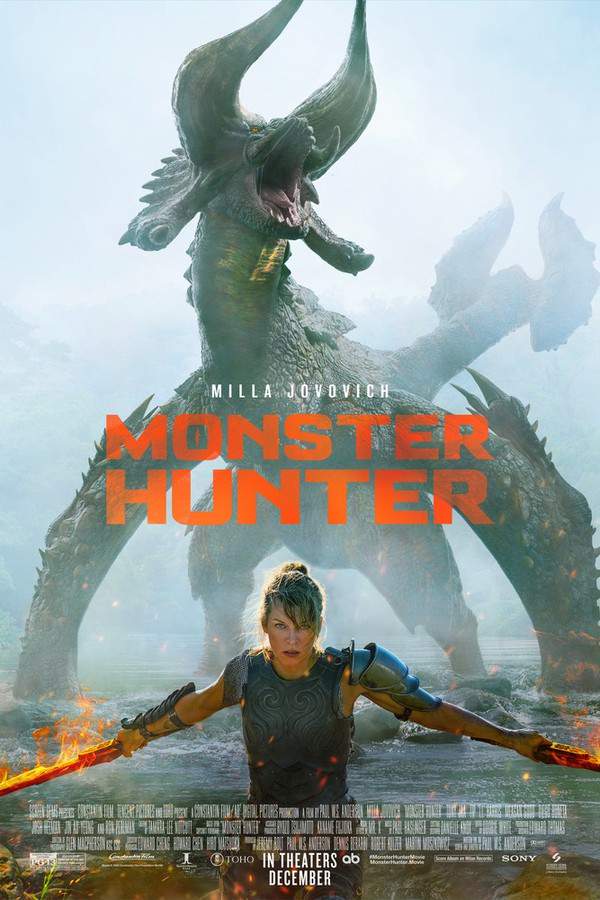
Monster Hunter
2020

Dinocroc vs. Supergator
2010
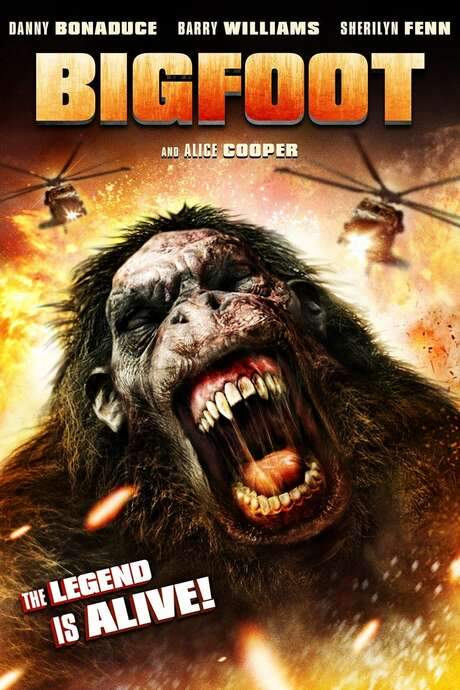
Bigfoot
2012

Atlantic Rim
2013

Mega Shark vs. Mecha Shark
2014

Godzilla: Planet of the Monsters
2017

Godzilla Against MechaGodzilla
2002

Dragon Fighter
2003

Godzilla vs. Megaguirus
2000

Komodo vs. Cobra
2005

Ape vs. Monster
2021

Godzilla vs. Mechagodzilla
1974

The Black Scorpion
1957

Godzilla vs. SpaceGodzilla
1994

Destroy All Monsters
1968
Narrative Summary
The plot typically follows a group of specialists or soldiers who must confront a newly discovered or awakened colossal monster. The narrative is driven by a series of escalating attacks and desperate defense strategies, often highlighting the hubris of mankind versus the raw power of nature. While focused on action, these stories often carry heavy emotional weight due to the scale of destruction and loss.
Why These Movies?
These films share a core experience of large-scale monster mayhem, high-tension survival scenarios, and spectacular sci-fi action set pieces. They deliver a consistent vibe of chaos, dread, and awe in the face of a gigantic antagonist, appealing to viewers who enjoy creature features with a serious, high-stakes tone.
Unlock the Full Story of 2010: Moby Dick
Don't stop at just watching — explore 2010: Moby Dick in full detail. From the complete plot summary and scene-by-scene timeline to character breakdowns, thematic analysis, and a deep dive into the ending — every page helps you truly understand what 2010: Moby Dick is all about. Plus, discover what's next after the movie.
2010: Moby Dick Timeline
Track the full timeline of 2010: Moby Dick with every major event arranged chronologically. Perfect for decoding non-linear storytelling, flashbacks, or parallel narratives with a clear scene-by-scene breakdown.

Characters, Settings & Themes in 2010: Moby Dick
Discover the characters, locations, and core themes that shape 2010: Moby Dick. Get insights into symbolic elements, setting significance, and deeper narrative meaning — ideal for thematic analysis and movie breakdowns.