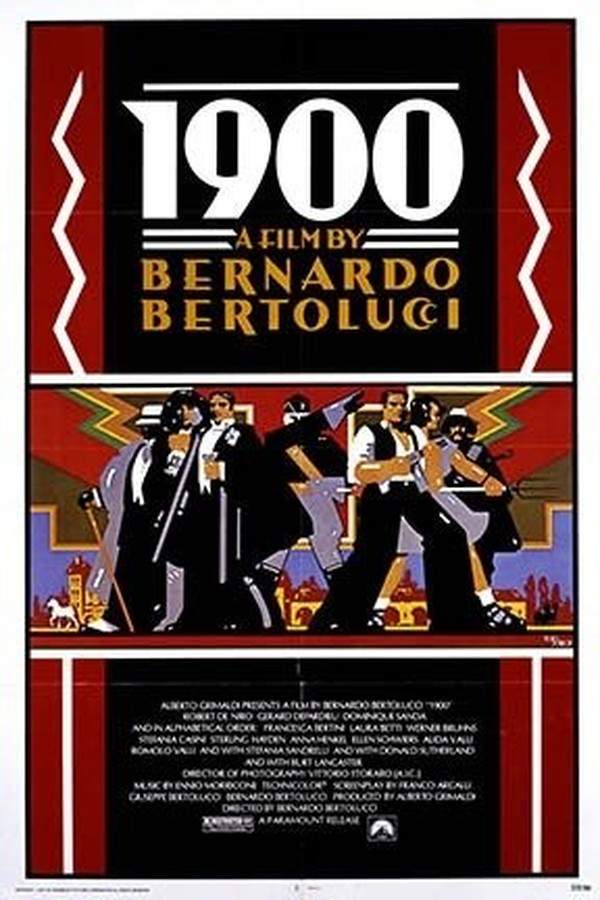
Year: 1977
Runtime: 317 min
Language: Italian
Director: Bernardo Bertolucci
Budget: $9M
In early 20th century Italy, childhood friends Alfredo Berlinghieri and Olmo Dalcò find their lives increasingly shaped by their differing social backgrounds. Alfredo embraces his aristocratic heritage, while Olmo becomes a champion for the working class. Their diverging paths lead to a confrontation of values against a backdrop of rising political tension and the looming threat of fascism, ultimately exploring themes of loyalty, morality, and the complexities of class conflict.
Find where to stream, rent, or buy 1900 (1977) in the US with current JustWatch availability, up-to-date pricing, and platform listings for subscription, rental, and digital purchase options.
Warning: spoilers below!
Haven’t seen 1900 yet? This summary contains major spoilers. Bookmark the page, watch the movie, and come back for the full breakdown. If you're ready, scroll on and relive the story!
Trace every key event in 1900 (1977) with our detailed, chronological timeline. Perfect for unpacking nonlinear stories, spotting hidden connections, and understanding how each scene builds toward the film’s climax. Whether you're revisiting or decoding for the first time, this timeline gives you the full picture.
Last updated: November 07, 2024 at 22:58
Find frequently asked questions about the 1900 (1977) timeline, including chronological order, nonlinear jumps, cause-and-effect links, and scene sequence clarifications. This timeline FAQ helps explain when key events happen, how moments connect, and why the story unfolds in that specific order.
Alfredo's grandfather, the tyrannical patriarch of the Berlinghieri family, commits suicide because he can no longer maintain control over the estate and his declining authority. The weight of his oppressive rule, combined with his inability to adapt to changing social dynamics, drives him to end his life, leaving the estate to his weak son Giovanni.
Alfredo is portrayed as a weak, passive man who feels trapped between his aristocratic heritage and his moral conscience. Throughout the film, he lacks the courage to challenge the fascist foreman, paralyzed by fear and his complicit relationship with the old regime. His inaction allows Attila to operate with impunity for decades.
Earlier in the film, Alfredo's childhood resentment toward his family's deceit hints at his moral weakness and inability to act decisively.
Ada leaves Alfredo because she can no longer tolerate his passive complicity in the suffering of the workers. When Alfredo finally dismisses Attila, it is too late for Ada, who has lost faith in her husband's moral courage. Her departure represents Alfredo's personal loss as consequence for his years of inaction.
April 25, 1945 marks the Liberation of Italy from fascist rule. The film both begins and ends on this date, using it as a framework for the story. On this day, the peasants finally arrest Alfredo Berlinghieri and hold him accountable at a tribunal, representing the fall of the old aristocratic order and the reckoning for those who collaborated with fascist oppression.
Attila operates with impunity because he is protected by the fascist regime that rises to power in 1922. His sadistic brutality is sanctioned by the state, and local authorities turn a blind eye to his murders and thefts. Only with the collapse of fascism in April 1945 does the tide turn, allowing the workers to finally arrest him and bring him to justice.
The revolt is sparked by years of escalating cruelty under Attila's rule, combined with the broader context of World War II creating chaos. Led by Olmo, the villagers confront Attila directly, throwing manure at him and resisting his oppressive tactics. This marks a turning point where the workers no longer tolerate the暴力 and begin active physical resistance.
Anita, another socialist aligned with Olmo's beliefs, dies during childbirth while giving birth to their daughter, who is named Anita after her mother. This tragic event further solidifies Olmo's commitment to his political cause, as he raises his daughter as a single father while continuing his fight for workers' rights.
In the final scene set in 1976, Alfredo deliberately lies on the tracks as a train approaches, combining nostalgia for their childhood games with a dark, almost suicidal impulse. This symbolic act represents the unresolved class struggle, the eternal conflict between landowner and peasant that has defined their lives. It suggests Alfredo's willingness to be crushed by the forces of history rather than continue living in a world without the old order.
As children, Alfredo and Olmo played a game where they would lie on the railroad tracks, with Alfredo always moving first, establishing the dangerous play that echoes into their final moment.
Despite their class differences and years of conflict, Olmo intervenes to save Alfredo by arguing that class distinctions have become irrelevant following the fall of the fascist regime. Olmo's defense reflects the film's theme that personal friendships can transcend ideological divisions, and that the old social hierarchy has been dismantled by historical change.
Despite being born into vastly different social strata, Alfredo as the heir to the landowner family and Olmo as the grandson of a peasant foreman, the two form a genuine bond as children. Their friendship endures for over seven decades, surviving political upheaval, ideological conflict, and personal tragedy, though it is ultimately strained by the systemic oppression Alfredo's family represents.
Attila and Regina share a twisted, sadistic nature and attempt to escape together during the liberation of Italy in 1945. Regina is the woman caught trying to flee with Attila when the peasants prevent their escape with pitchforks. Their relationship represents the alignment of cruelty and complicity at the top of the oppressive hierarchy.
Discover curated groups of movies connected by mood, themes, and story style. Browse collections built around emotion, atmosphere, and narrative focus to easily find films that match what you feel like watching right now.
Sweeping stories where personal bonds are shattered by political forces.For viewers who appreciated the grand scale and intense human drama of 1900, this section features movies like it: sprawling historical tragedies where personal relationships are crushed by the weight of political upheaval. Discover similar complex stories exploring friendship, class, and betrayal against a backdrop of war and revolution.
These narratives often span decades, following characters from childhood into adulthood as the world around them fractures along political lines. The core conflict is usually between individuals whose deep personal connection is tested and ultimately broken by their allegiance to opposing sides of a historical struggle, leading to a tragic or bittersweet conclusion.
They are grouped by their shared commitment to using an epic timeframe to dramatize the brutal impact of history on individual lives. The experience is defined by a heavy emotional weight, a bleak or bittersweet tone, and a complex plot that intertwines personal destinies with world-changing events.
Where innocence is lost to the grim realities of a violent society.If you were captivated by how 1900 portrays a lifelong friendship forged and broken by a hostile world, explore these similar bleak coming-of-age sagas. Find movies about characters whose youth is defined by political turmoil, class conflict, and the loss of innocence, resulting in a heavy, contemplative viewing experience.
The narrative pattern follows characters from a state of childhood innocence into a adulthood defined by trauma and ideological hardening. The 'world' itself—be it a village, a country, or a social class—is often a character in its own right, decaying or being torn apart, mirroring the internal collapse of the protagonists' youthful ideals.
These films share a specific emotional journey: a profoundly sad and oppressive tone centered on the destruction of innocence. The pacing often allows for a slow, deliberate build from childhood peace to adult despair, creating a powerful sense of melancholy and irreversible loss that resonates deeply with viewers.
Don't stop at just watching - explore 1900 in full detail. From the complete plot summary and scene-by-scene timeline to character breakdowns, thematic analysis, and a deep dive into the ending - every page helps you truly understand what 1900 is all about. Plus, discover what's next after the movie.
Read a complete plot summary of 1900, including all key story points, character arcs, and turning points. This in-depth recap is ideal for understanding the narrative structure or reviewing what happened in the movie.
Discover the characters, locations, and core themes that shape 1900. Get insights into symbolic elements, setting significance, and deeper narrative meaning - ideal for thematic analysis and movie breakdowns.
Discover movies like 1900 that share similar genres, themes, and storytelling elements. Whether you’re drawn to the atmosphere, character arcs, or plot structure, these curated recommendations will help you explore more films you’ll love.
1900 (1977) Plot Summary & Movie Recap
1900 (1977) Scene-by-Scene Movie Timeline
1900 (1977) Spoiler-Free Summary & Key Flow
Movies Like 1900 – Similar Titles You’ll Enjoy
Cinema Paradiso (1990) Spoiler-Packed Plot Recap
The Best of Youth (2005) Ending Explained & Film Insights
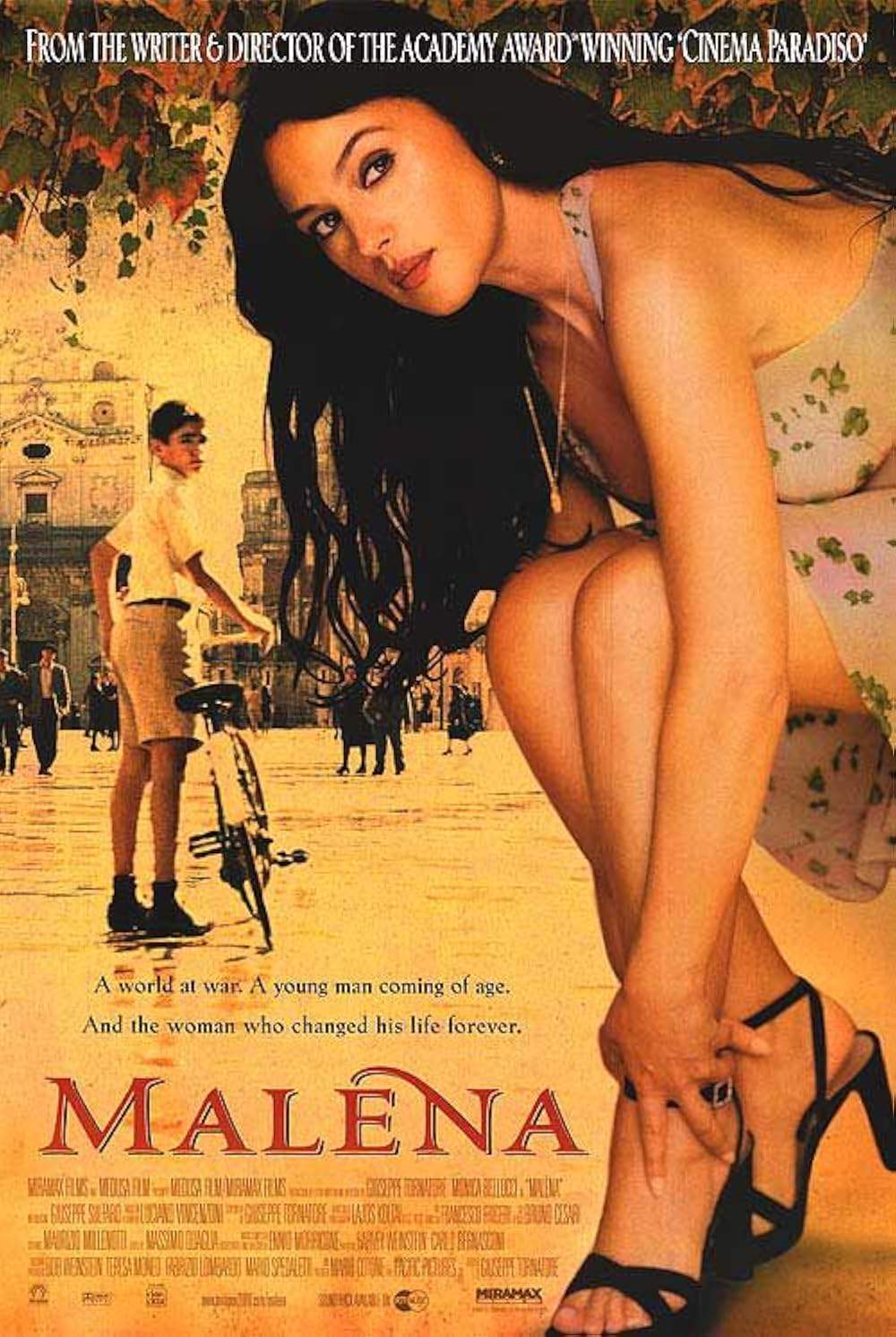
Malèna (2000) Complete Plot Breakdown
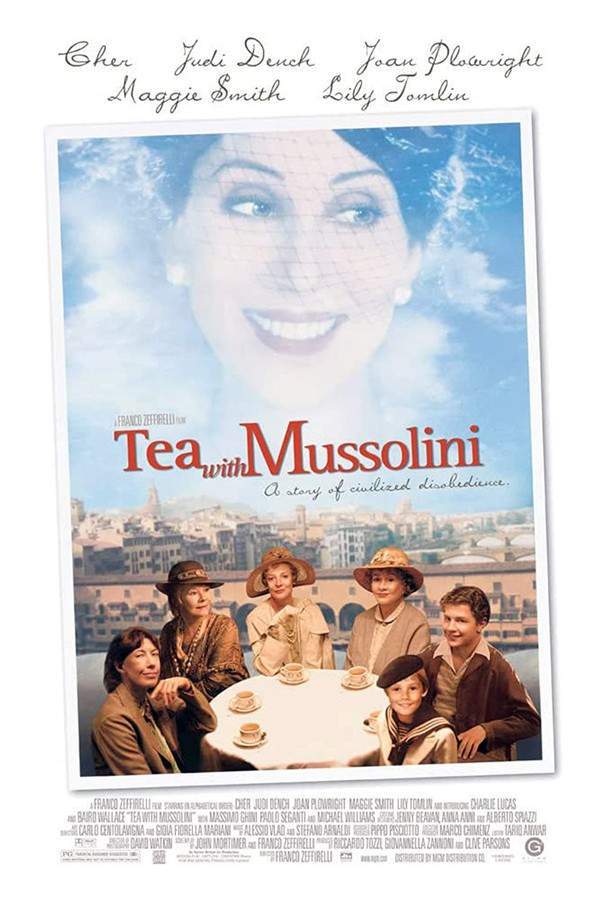
Tea with Mussolini (1999) Complete Plot Breakdown
Vermiglio (2024) Spoiler-Packed Plot Recap
Workers, Peasants (2001) Story Summary & Characters
The Magic Screen (1982) Ending Explained & Film Insights
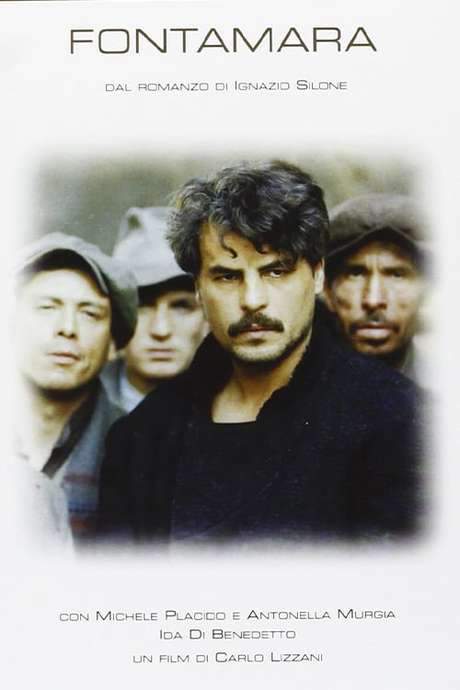
Fontamara (1980) Movie Recap & Themes
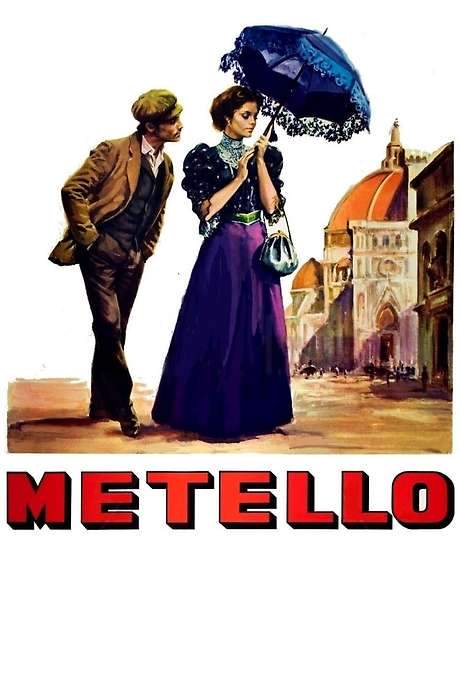
Metello (1970) Movie Recap & Themes
Difficult Years (1948) Ending Explained & Film Insights
1860 (1934) Film Overview & Timeline
Old Guard (1934) Complete Plot Breakdown
1870 (1972) Film Overview & Timeline
The Leopard (1963) Spoiler-Packed Plot Recap
Ernesto (1979) Movie Recap & Themes