
Plot Explained Spoilers guaranteed!
Plot Explained

Browse by genre

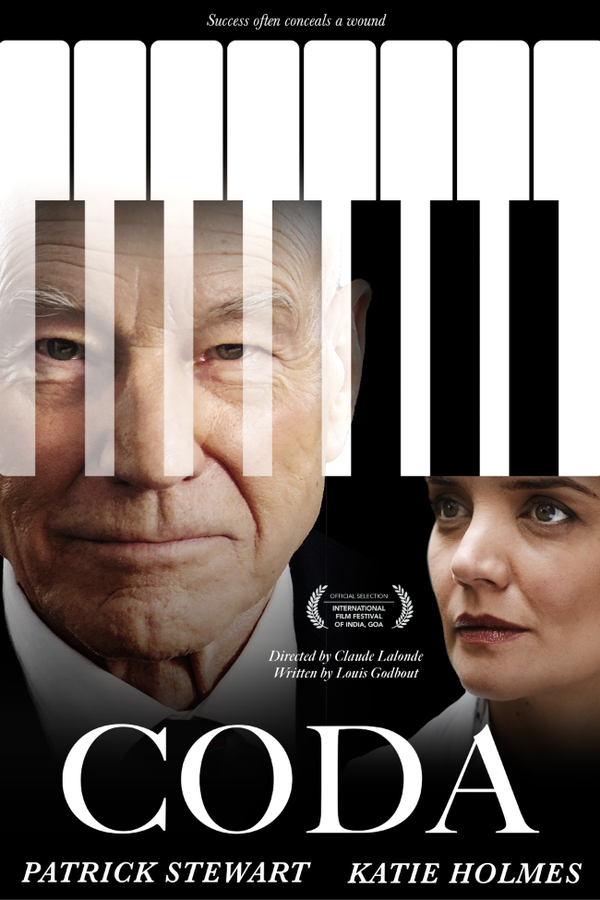
Coda (2019) movie poster

Timeline

Coda (2019) Timeline Explained – Every Event in Order

Release, runtime and language
2019 · 96 mins · English
Echo score 58
Directed by
Claude Lalonde
Starring
Katie Holmes, Patrick Stewart, Letitia Brookes, Giancarlo Esposito, Don Anderson, Abdul Ayoola

Success often conceals a wound A famous pianist at the twilight of his career meets a free-spirited music critic who soon becomes his rock as his mental state deteriorates.

On this page (4)
  1. 1 Events in order (12)
  2. 2 Timeline questions answered
  3. 3 Movie threads
  4. 4 Every angle

12 events in order · contains spoilers

Coda Timeline: Events in Chronological Order

Every key event of Coda (2019) in order, scene by scene, with when and where it takes place. Use it to untangle flashbacks, time jumps and parallel storylines, to refresh your memory before the sequel or to find the exact scene you are thinking of.

  1. Henry returns to the stage

    Henry Cole, a celebrated classical pianist, returns to the stage after a long absence following his wife’s death. His comeback recital is marred by severe stage fright and mounting mental instability. He barely completes a number and rushes outside, smoking a cigarette as the crowd watches in uneasy silence.

    When
    Opening night after his return
    Where
    Concert hall
  2. Post-recital meeting with Helen Morrison

    At a post-recital press conference, Henry meets Helen Morrison, a New Yorker music critic. She expresses an interest in writing about him and tries to secure an interview, but his initial refusal blocks the conversation. Despite the setback, their brief exchange plants the seed of curiosity that will influence the story to come.

    When
    After the opening recital
    Where
    Press conference room
  3. Crisis at Steinway Hall

    Days later at Steinway Hall, Henry attempts another performance and suffers a fresh anxiety episode on stage. Helen intervenes in extremis, rescuing him and earning his trust. This act marks a turning point, as Henry lets himself be more open to her involvement.

    When
    During a performance, a few days after the press conference
    Where
    Steinway Hall
  4. Consent to the interview

    Following the rescue, Henry agrees to grant Helen an interview, signaling a shift toward openness. Helen's intervention has earned his trust and changed the dynamic of their relationship. Together, they begin planning how his story will be told, even as other uncertainties loom.

    When
    Shortly after the rescue
    Where
    Steinway Hall
  5. Agency pressure and decline

    Meanwhile, Henry’s agent Paul works to salvage the comeback, but the pianist's mental condition continues to deteriorate. Recitals grow more perilous, threatening the promised comeback tour and the high-profile final London concert. Pressure builds as the public narrative around his return becomes riskier.

    When
    In the ensuing weeks
    Where
    Paul's office
  6. Decision to seek help in Sils Maria

    Helen urges a drastic step: travel to Sils Maria in the Swiss Alps to hear a pianist famed for Beethoven interpretations and their therapeutic effect. Henry agrees to consider the trip as a last resort to regain balance. This decision shifts the focus from a high-stakes comeback to a healing journey.

    When
    Following the rise of pressures to salvage the tour
    Where
    London
  7. Arrival in Sils Maria

    Henry and Helen travel to Sils Maria in the Swiss Alps to seek relief in the alpine setting. Upon arrival, his symptoms initially intensify, signaling that the path to healing may be challenging. The tranquil environment offers a distance from the public eye, allowing space for reflection.

    When
    Upon arrival
    Where
    Sils Maria, Swiss Alps
  8. First days in Sils Maria and renewed strain

    Early days in Sils Maria see Henry's symptoms surface again, testing his resolve. Yet the quiet pace and alpine air begin to blunt the edge of his anxiety. Helen remains supportive as they explore music and nature as a shared language.

    When
    Early days in Sils Maria
    Where
    Sils Maria
  9. Nature and gradual solace

    Henry starts to find solace through walks in nature, slow conversations, and moments of solitude. The surrounding mountains and fresh air help calm his mind and restore a measure of balance. Small signs of steady progress emerge as he engages more openly with his surroundings.

    When
    During stay
    Where
    Sils Maria
  10. Connections and chess with Felix

    He forms empathetic connections with strangers and even plays spirited chess matches with Felix, the hotel porter. These exchanges provide warmth and a sense of normalcy that counteracts his earlier isolation. They become little rituals that reinforce his slow return to equilibrium.

    When
    During stay
    Where
    Sils Maria hotel
  11. Beethoven as therapy

    The music of Beethoven, especially the late sonatas, serves as a therapeutic anchor for Henry. He listens with renewed attention, allowing the interpretations to influence his own approach to playing. This musical focus helps him tolerate inner uncertainties and fosters a newfound steadiness.

    When
    During stay
    Where
    Sils Maria
  12. Emerging hope and renewed purpose

    Gradually Henry’s symptoms subside and a sense of hope returns. The time in Sils Maria leaves him with a renewed sense of purpose and a cautious openness to the idea of performing again. The journey marks a turning point from crisis to recovery, culminating in a more peaceful, grounded outlook.

    When
    End of stay
    Where
    Sils Maria

Last updated: February 25, 2026 at 08:19

Was this helpful?

Timeline questions answered

Coda Timeline Explained: Your Questions Answered

When does it happen, and why in that order? The questions people ask about the chronology of Coda (2019): time jumps, flashbacks, cause and effect between scenes and the correct order of events, each answered with spoilers.

Q1

Why did Henry decide to return to performing after his wife's death?

Henry returned to the stage because he was facing the twilight of his career and felt compelled to prove he could still perform. The death of his wife left him in a long period of silence, but the desire to reclaim his identity as a pianist drove him to attempt a comeback, even though he was mentally unprepared for the pressure.

  • henry cole
  • comeback
  • grief
  • wife death
  • stage fright
  • pianist
Q2

What causes Henry's severe stage fright and mental decline?

Henry's stage fright stems from the cumulative weight of grief over his wife's death, the pressure of his legacy as a celebrated pianist, and his long absence from performing. These factors combined create debilitating anxiety that manifests during his performances, leaving him unable to complete pieces.

Foreshadowing: The opening night performance hints at his fragility, as he flees after barely finishing a single number.

  • stage fright
  • anxiety
  • mental decline
  • grief
  • performance pressure
  • pianist
Q3

How does Helen help Henry during his Steinway Hall breakdown?

When Henry suffers an anxiety episode on stage at Steinway Hall, Helen intervenes directly, staying by his side during the crisis and helping him regain his composure. Her steady presence in that vulnerable moment earns his reluctant trust and changes the dynamic of their relationship, opening the door for the interview she proposed.

  • helen morrison
  • steinway hall
  • rescue
  • intervention
  • trust
  • music critic
Q4

Why does Henry agree to Helen's interview request after the crisis?

Henry agrees to the interview because Helen's intervention at Steinway Hall demonstrated genuine care rather than journalistic opportunism. By staying with him during his breakdown instead of pursuing a story, she proved her intentions were compassionate, earning his trust where his initial refusal had blocked progress.

  • interview
  • helen morrison
  • trust
  • consent
  • relationship
Q5

Why does Henry decide to travel to Sils Maria instead of continuing his tour?

Helen urges Henry to travel to Sils Maria in the Swiss Alps as a last resort to restore his mental balance. The trip represents a shift from pursuing the high-stakes comeback tour to seeking actual healing through a change of scenery, rest, and exposure to a pianist known for therapeutic Beethoven interpretations.

  • sils maria
  • swiss alps
  • healing journey
  • beethoven
  • retreat
  • helen morrison
Q6

How does the time in Sils Maria help Henry's mental state?

The serene alpine environment provides Henry with distance from public pressure and the demands of his comeback. Nature walks, empathetic conversations with strangers, and the tranquil atmosphere gradually calm his anxiety. The combination of physical movement, solitude, and artistic reflection allows his symptoms to subside.

  • nature
  • healing
  • anxiety
  • swiss alps
  • recovery
  • walks
  • solitude
Q7

What role does Beethoven's music play in Henry's recovery?

Beethoven's late piano sonatas serve as a therapeutic anchor for Henry. Listening to a pianist famed for restorative interpretations helps him reconnect with the emotional core of music rather than viewing it as a source of pressure. The compositions guide him toward a quieter, steadier interior and foster his return to playing.

  • beethoven
  • late sonatas
  • music therapy
  • pianist
  • recovery
  • interpretation
Q8

Who is Felix and why are the chess games important for Henry?

Felix is the hotel porter in Sils Maria who engages Henry in spirited chess matches. These vivacious games provide normalcy, human connection, and intellectual engagement that counteract Henry's isolation. The exchanges become warm rituals that reinforce his gradual return to equilibrium and sense of self.

  • felix
  • chess
  • hotel porter
  • connection
  • human interaction
  • rituals
Q9

Why does Henry's condition worsen initially in Sils Maria before improving?

Upon arrival in Sils Maria, Henry's symptoms intensify because the change of scenery alone cannot immediately address deeply rooted anxiety and grief. The initial worsening tests his resolve, but the gradual accumulation of restorative experiences, nature, music, human connection, eventually breaks through his psychological barriers.

  • symptom worsening
  • initial struggle
  • healing process
  • anxiety
  • adaptation
Q10

What does the ending suggest about Henry's future as a performer?

The ending suggests Henry has found renewed purpose and a cautious openness to performing again. While the final London concert remains uncertain, his journey through Sils Maria leaves him with hope and a more grounded perspective. The film implies a positive trajectory from the brink of collapse toward potential artistic renewal.

  • ending
  • hope
  • recovery
  • future performances
  • renewal
  • london concert

Movie threads

More Movies Like Coda, by Mood & Story

Curated lists built around what makes Coda tick: the same mood, the same kind of story or the same emotional payoff. Each list explains why these movies belong together.

Artists facing mental collapse like in Coda

Professionals facing mental collapse during career twilight moments. Movies like Coda exploring creative professionals at breaking points, blending classical arts, mental health struggles, and therapeutic journeys toward healing.

  • melancholic
  • anxious
  • therapeutic
  • career crisis
  • mental health
  • classical arts
  • Tone: melancholic, anxious
  • Pacing: slow, introspective
Why these movies?

The story pattern: Protagonists at the height of their careers confront debilitating anxiety or grief that threatens their identity and livelihood, following a linear path from crisis toward fragile stability through supportive relationships.

Why they belong together: They share a melancholic tone focused on internal struggle, medium emotional intensity, and hopeful trajectories despite serious mental health themes.
Slow healing character studies like Coda

Character studies of gradual healing from emotional wounds. If you liked Coda's therapeutic journey, these movies feature quiet character arcs focused on recovery from grief and anxiety through supportive relationships.

  • healing
  • solitary
  • hopeful
  • therapeutic
  • grief
  • quiet
  • Tone: reflective, hopeful
  • Pacing: slow, deliberate
Why these movies?

The story pattern: Linear narratives centered on one character's mental health crisis and gradual improvement, where secondary characters provide stability without overwhelming romances.

Why they belong together: They share straightforward complexity, melancholic but hopeful tones, and focus on therapeutic progress rather than dramatic plot twists.

Every angle

Coda (2019) Explained: Plot, Ending, Timeline & Characters

Everything about Coda in one place: what happens in the plot summary, the timeline in chronological order, the characters and meaning, the ending explained and a spoiler-free summary. What's After the Movie adds the cast, box office and post-credit scenes.

Coming soon on iOS and Android

The Plot Explained Movie Summary App

Plot summaries, endings explained and timelines on your phone. Catch up on any movie in minutes, save your favorites and never miss a twist again.

Be the first to know when we launch. Your email stays private, always.

Learn more about the app