



Plot Explained Spoilers guaranteed!
Plot Explained

Browse by genre

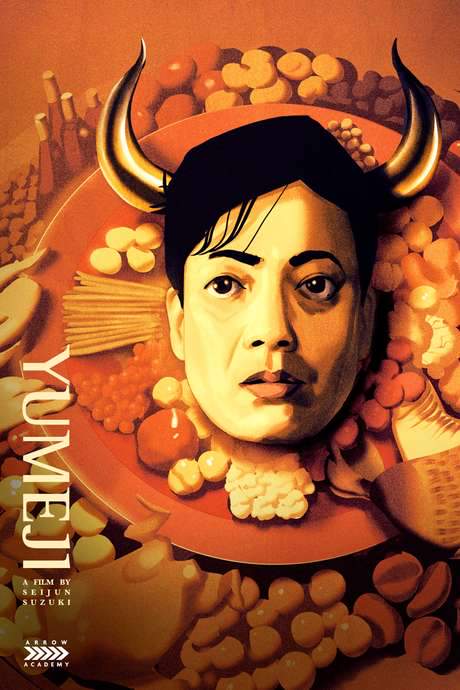
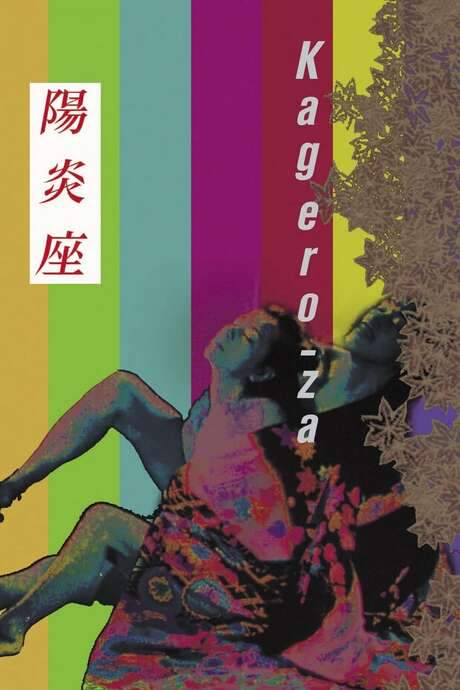
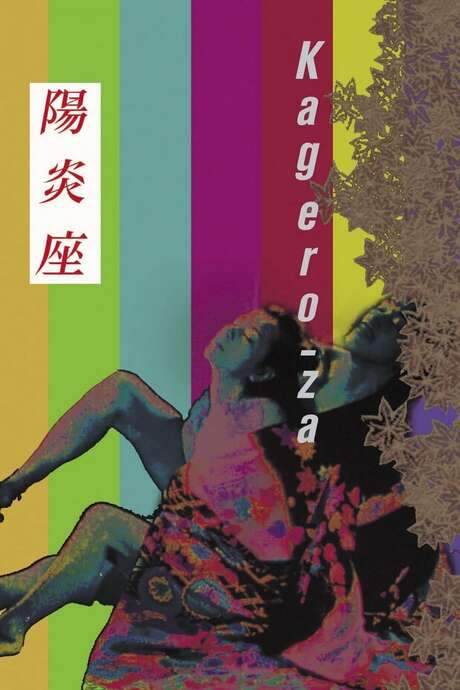
Kagero-za (1981) movie poster

Characters & Themes

Kagero-za (1981) Characters, Setting & Themes Explained

Release, runtime and language
1981 · 139 mins · Japanese
JustWatch #24,563
Directed by
Seijun Suzuki
Starring
Katsuo Nakamura, Yûsaku Matsuda, Michiyo Yasuda, Hyôe Enoki, Akaji Maro, Mariko Kaga

A 1920s playwright meets a beautiful woman who may be the ghost of his patron’s deceased wife.

On this page (8)
  1. 1 Where to watch
  2. 2 Characters explained (4)
  3. 3 Where & when it takes place
  4. 4 Themes & meaning (3)
  5. 5 Character & meaning questions
  6. 6 Movie threads
  7. 7 Movies like Kagero-za
  8. 8 Every angle

Where to watch

Where to Watch Kagero-za (1981)

Where can you watch Kagero-za? Stream, rent or buy it in the US, including on ARROW, Google Play Movies and YouTube: current JustWatch availability with up-to-date prices.

Streaming availability powered by JustWatch

4 main characters · contains spoilers

Kagero-za Characters Explained: Who Is Who

The main characters of Kagero-za (1981), heroes and villains: what drives them, how they change over the course of the story and what each of them reveals about the film's bigger ideas.

  • Tamawaki (Baron Tamawaki)

    played by Katsuo Nakamura

    A powerful patron whose wealth and status drive multiple marriages. He wields influence over Matsuzaki’s career and Shinako’s position, creating a web of obligation and ambition. His polygamous arrangement and manipulation reveal the tension between public respectability and private desire.

    • 💼 Wealth
    • 💍 Marriage
    • 🏛️ Power
  • Shungo Matsuzaki

    played by Yûsaku Matsuda

    A Shinpa playwright whose chance encounter with a married woman spirals into a dangerous affair. He is drawn to forbidden love while navigating debt to reputation and art. His actions propel the drama toward its tragic, meta-theatrical finale.

    • 🎭 Artist
    • 💘 Love
    • ⚖️ Duty
  • Shinako

    played by Michiyo Yasuda

    Tamawaki’s wife, a Count’s daughter who resents being relegated to a second wife. She uses an affair with Matsuzaki as revenge and participates in the story revealed on stage. Her fate in the final act is tied to the theatre’s collapse and the surrounding mystery.

    • 👰 Status
    • 🔥 Rebellion
    • 🗡️ Revenge
  • Ine

    played by Eriko Kusuta

    Tamawaki’s first wife, originally Irene, a German woman who was made to pass as Japanese. Her life in the shadows of a polygamous marriage becomes the subject of the theater’s tragedy. Her fate, hinted by the hospital setting, haunts the narrative.

    • 🧭 Identity
    • 💔 Fate
    • 🏥 Hospital

Last updated: December 03, 2025 at 23:55

Was this helpful?

Setting

Where and When Does Kagero-za Take Place?

The setting of Kagero-za (1981): the year and time period, the places and locations, and how they shape the characters, the mood and the tension of the story.

Time period

1926

The narrative unfolds in the mid-1920s Japan, a period of rapid modernization and social tension. Arranged marriages and wealth-driven alliances highlight gender constraints and class dynamics of the era. The setting blends urban Tokyo’s bustle with more intimate, ritual-like spaces such as the hospital and theatre.

Location

Tokyo, Kanazawa, Kagero-za Theatre

Set in 1926 Tokyo with scenes that move to Kanazawa, the story weaves between urban nightlife and provincial spaces. The Kagero-za Theatre serves as a liminal stage where real life and performance collide. The city’s modernity clashes with tradition as marriages, money, and desire shape the characters’ fates.

  • 🏙️ Urban
  • 🗺️ City life
  • 🎭 Theatre

Last updated: December 03, 2025 at 23:55

Was this helpful?

3 major themes

Kagero-za Meaning: Themes & Message Explained

What is Kagero-za (1981) really about? The emotional, social and philosophical themes the film keeps returning to, its symbolism and the message beneath the surface.

  • Theatre & Identity

    The stage becomes a mirror for the characters’ lives, turning a monster-play into Irene’s life story. Shinako, Matsuzaki, and Tamawaki watch their private truths play out on stage, blurring lines between performance and reality. The theater exposes how art can reveal, mask, or distort personal identities.

  • Love & Betrayal

    A web of forbidden affection drives the plot: Matsuzaki’s affair with Shinako and Shinako’s resentment at being the second wife. The pursuit of passion collides with social reputation and fatal consequences. The narrative treats love as both a creative force and a ruinous betrayal.

  • Power & Money

    Tamawaki’s wealth enables control over marriages and social standing, dictating who can marry whom and under what terms. Money buys appearances while masking hidden loyalties and vulnerabilities. The drama shows how financial power can weaponize desire and shape destinies.

Last updated: December 03, 2025 at 23:55

Was this helpful?

Character & theme questions

Kagero-za Characters & Meaning: Your Questions Answered

The questions people ask about Kagero-za (1981): who the characters really are, their relationships, what the symbols mean, where it takes place and what the movie is really about. Each answer contains spoilers.

Q1

What is the Kagero-za Theatre's role in the story

The Kagero-za Theatre serves as the story's central liminal space where real life and theatrical performance become indistinguishable. The theatre functions as a mirror reflecting the characters' hidden truths, particularly their private romances and betrayals. This meta-theatrical setting transforms a monster-play into a revealing performance that exposes the characters' identities and secrets.

Foreshadowing: Earlier scenes establish the theatre as a place where Tamawaki's associates gather to witness their personal dramas unfold on stage.

  • kagero-za theatre
  • stage
  • performance
  • identity
  • meta-theatre
Q2

Where is Kagero-za set

The movie takes place primarily in 1926 Tokyo, with key scenes also set in Kanazawa. The urban nightlife of Tokyo contrasts sharply with more provincial and intimate spaces. The Kagero-za Theatre stands as the primary location where the story's central mystery unfolds, while hospitals and traditional spaces also feature prominently.

Foreshadowing: The opening scenes establish Tokyo's modern bustle before introducing the more traditional environments of Kanazawa.

  • tokyo
  • kanazawa
  • setting
  • 1920s japan
Q3

When does the story take place

The narrative is set in 1926 Japan during the mid-1920s, a period marked by rapid modernization and significant social tension. This era saw conflicting values between Japan's emerging modernity and traditional customs, particularly regarding marriage, class, and gender roles. The time period shapes the characters' constraints and the drama's exploration of arranged marriages and wealth-driven alliances.

  • 1926
  • 1920s
  • meiji era
  • japan
  • time period
Q4

How does the movie explore theatre and identity

The film uses theatre as a metaphor for identity, with the stage revealing what characters hide in their daily lives. The monster-play performed at Kagero-za retells Irene's life story, and the audience, Shinako, Matsuzaki, and Tamawaki, watch their own truths play out before them. This blurs the line between performance and reality, showing how art can both reveal and distort personal identities.

Foreshadowing: The play's content progressively mirrors the characters' actual relationships and secrets.

  • theatre
  • identity
  • performance
  • reality
  • self-discovery
Q5

What makes the love story in Kagero-za tragic

The movie centers on a web of forbidden relationships: Matsuzaki's affair with Shinako, who resents being Tamawaki's second wife. These passionate encounters conflict directly with social reputation and lead to fatal consequences. The film presents love as both a creative, transformative force and a destructive betrayal that ruins characters financially and emotionally.

Foreshadowing: Early scenes establish the characters' emotional tensions that eventually spiral into tragedy.

  • love
  • affair
  • betrayal
  • second wife
  • forbidden love
Q6

How does wealth control the characters' fates

Tamawaki's substantial wealth gives him power to manipulate marriages and social standing, dictating who can marry whom and under what terms. His financial control buys outward appearances of respectability while concealing hidden loyalties and vulnerabilities. The drama illustrates how money becomes a weapon that shapes desire and determines destinies, particularly for women constrained by the marriage system.

Foreshadowing: Tamawaki's control over Matsuzaki's career and Shinako's position is established from the beginning.

  • wealth
  • power
  • marriage
  • money
  • class
  • tamawaki
Q7

Who is Baron Tamawaki in the story

Tamawaki is a powerful, wealthy patron who orchestrates multiple marriages and wields significant influence over other characters' lives. His polygamous arrangement, maintaining both a first wife Ine and a second wife Shinako, reveals the tension between his public respectability and private desires. Through his wealth and status, he controls Matsuzaki's career path and shapes Shinako's constrained position within his household.

  • tamawaki
  • baron
  • patron
  • wealth
  • polygamy
Q8

Who is Shinako and why is she resentful

Shinako is Tamawaki's second wife, originally a Count's daughter who was relegated to a secondary marital position. Her resentment stems from being forced into this diminished role despite her noble background. She engages in an affair with playwright Matsuzaki partly as revenge against her situation. Her fate becomes intertwined with the theatre's collapse and the surrounding mystery of the double suicide.

Foreshadowing: Shinako's dissatisfaction with her position is evident in early interactions with Matsuzaki.

  • shinako
  • second wife
  • count's daughter
  • resentment
Q9

Who is Ine and what is her hidden identity

Ine is Tamawaki's first wife, originally named Irene, a German woman who was made to pass as Japanese within the marriage. Her existence in the shadows of the polygamous household becomes the subject of the tragedy performed at the Kagero-za Theatre. The hospital setting hints at her fragile fate, and her forgotten presence haunts the entire narrative, adding layers of hidden identity and lost memory to the story.

Foreshadowing: Hints about a forgotten wife appear throughout the early narrative, building toward the theatre reveal.

  • ine
  • irene
  • german
  • hidden identity
  • first wife
Q10

Who is Shungo Matsuzaki in the movie

Shungo Matsuzaki is a Shinpa playwright whose chance encounter with a married woman spirals into a dangerous affair. He is drawn to forbidden love while navigating the pressures of debt, reputation, and artistic integrity. His creative work at the theatre and his personal actions drive the drama toward its tragic, meta-theatrical climax, blurring his reality with his artistic creations.

Foreshadowing: Matsuzaki's profession establishes his connection to the theatre from the first act.

  • matsuzaki
  • playwright
  • shinpa
  • affair
  • creator
Q11

What does the movie say about reality vs performance

The film deliberately blurs the boundary between reality and theatrical performance, suggesting that life and art mirror each other. Characters watch their own stories retold on stage, and the monster-play becomes indistinguishable from their actual experiences. This creates a dreamlike, ambiguous atmosphere where the protagonist questions what is real and what is merely performance.

Foreshadowing: The progressive overlap between the play's content and the characters' lives builds throughout the narrative.

  • reality
  • performance
  • illusion
  • truth
  • theatre
Q12

What is the overall tone and mood of Kagero-za

The film carries a melancholic, dreamy atmosphere rather than overt stress, despite containing life-and-death stakes. The pacing is slow and deliberate, emphasizing mood and psychological ambiguity over rapid plot movement. Scenes unfold in an almost hallucinatory manner, creating a stylized, artistic presentation that balances heavy themes of marital betrayal and existential uncertainty with visual beauty.

  • melancholic
  • dreamy
  • slow pacing
  • atmospheric
  • tone
Q13

Why is the ending considered ambiguous

The ending leaves the nature of Shinako's existence unresolved after the reported double suicide. The protagonist's final encounter with her occurs in a mysterious room, leaving their reality unclear. This ambiguity reflects the film's broader themes of blurred identity and uncertain truth, inviting multiple interpretations of what actually transpired versus what was imagined or performed.

Foreshadowing: The deliberate mixing of reality and theatre throughout prepares viewers for this unresolved conclusion.

  • ambiguous ending
  • unresolved
  • mystery
  • finale

Movie threads

More Movies Like Kagero-za, by Mood & Story

Curated lists built around what makes Kagero-za tick: the same mood, the same kind of story or the same emotional payoff. Each list explains why these movies belong together.

Movies about ghostly obsession like Kagero-za

Stories where romantic desire blurs the line between the living and the dead. If you liked the haunting and uncertain romance in Kagero-za, you'll find similar movies here. This selection features stories of obsessive love intertwined with the supernatural, where characters grapple with mysterious lovers, blurred realities, and a pervasive sense of melancholic longing.

  • haunting
  • romantic obsession
  • supernatural mystery
  • atmospheric
  • unsettling
  • melancholic
  • Tone: melancholic, mysterious, haunting
  • Pacing: slow, deliberate, atmospheric
Why these movies?

The story pattern: Narratives in this thread often follow a protagonist, frequently an artist or someone haunted by the past, who becomes entangled with an enigmatic and possibly supernatural lover. The plot unfolds through a series of ambiguous encounters, building a dreamlike mystery around the lover's true nature, leading to an ending that questions the very nature of the relationship and reality itself.

Why they belong together: Movies are grouped here for their shared focus on the theme of romantic obsession with a ghostly or illusory figure. They create a specific mood that blends sensuality with existential unease, using a slow, deliberate pace to immerse the viewer in a world where memory, desire, and reality become indistinguishable.

Surreal psychological dramas like Kagero-za

Journeys into fragmented psyches where reality and fantasy become one. For viewers who appreciated the dreamlike and complex narrative of Kagero-za, this section offers similar movies that challenge perception. These films feature ambiguous stories, unreliable narrators, and a blending of fantasy and reality, creating a uniquely atmospheric and intellectually engaging experience.

  • dreamlike
  • psychological
  • unreliable narrator
  • atmospheric
  • reflective
  • complex narrative
  • Tone: dreamlike, melancholic, unsettling
  • Pacing: slow, hallucinatory, deliberate
Why these movies?

The story pattern: The narrative pattern involves a protagonist, often an artist or intellectual, navigating a world that seems to operate on dream logic. The plot is less about external events and more about the internal unraveling of the character's mind, filled with doubles, deceptive identities, and surreal sequences that deliberately obscure a clear truth.

Why they belong together: These films are grouped by their shared commitment to a complex, non-linear structure and a dreamlike atmosphere. The similarity lies in the feeling of being untethered from objective reality, experiencing the story through a haze of melancholy and mystery, with a pacing that allows the unsettling mood to fully saturate the narrative.

If you liked this

Movies Like Kagero-za

Similar movies to Kagero-za: the same genre, themes or kind of story. Each one comes with its own plot summary, timeline and ending explained.

Browse all movie summaries

Every angle

Kagero-za (1981) Explained: Plot, Timeline & Characters

Everything about Kagero-za in one place: what happens in the plot summary, the timeline in chronological order, the characters and meaning and a spoiler-free summary. What's After the Movie adds the cast, box office and post-credit scenes.

Coming soon on iOS and Android

The Plot Explained Movie Summary App

Plot summaries, endings explained and timelines on your phone. Catch up on any movie in minutes, save your favorites and never miss a twist again.

Be the first to know when we launch. Your email stays private, always.

Learn more about the app