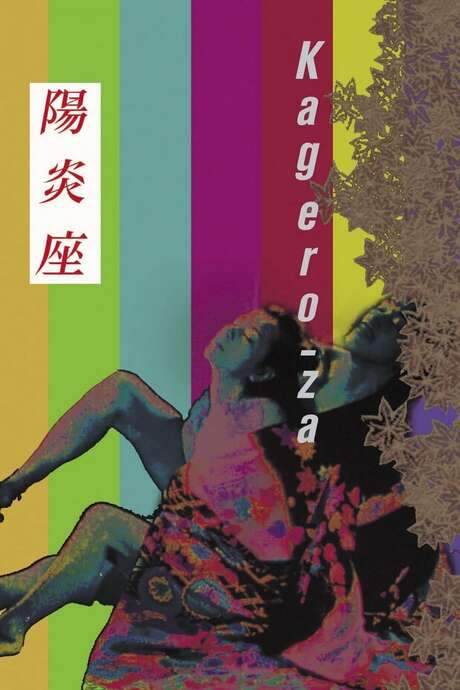
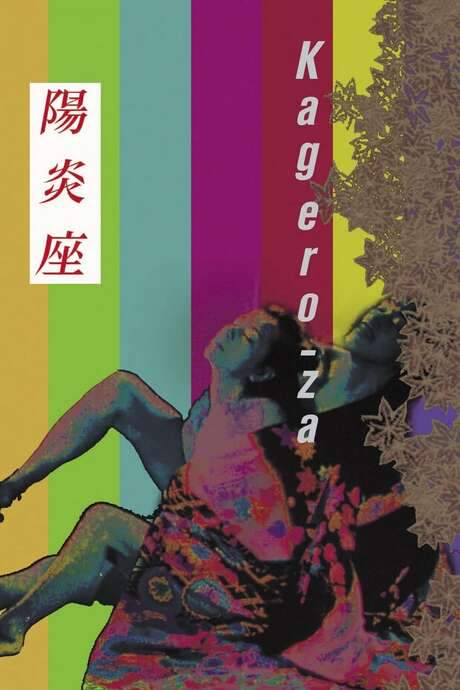
In 1926 Tokyo, a Shinpa playwright named Shungo Matsuzaki, Yûsaku Matsuda, meets a beautiful married woman whose name he does not know. After two more chance encounters, the two spend the night together, but Matsuzaki is surprised to find that the room she is staying in belongs to Shinako Michiyo Yasuda, the wife of his patron, Baron Tamawaki Katsuo Nakamura.
Matsuzaki learns that Tamawaki has two wives. His first wife was a German woman named Irene Eriko Kusuta whom he fell in love with while studying abroad. Tamawaki had her dye her blonde hair black and they returned to Japan together as a Japanese woman named Ine. The social tapestry surrounding Tamawaki begins to unfold, revealing how money and status shape his choices and ultimately force a division between private desires and public duties.
Tamawaki later marries Shinako, a count’s daughter whom he won over with the power of money, setting up a complex domestic arrangement that casts a long shadow over all involved. Matsuzaki meets and talks with Ine on the stairs in front of the hospital, but by that time, Ine should have already taken her last breath in her hospital room, leaving behind untold memories and questions about who she really is and what she has endured.
Matsuzaki receives a letter from Shinako saying she will wait for him in Kanazawa, and he hurries to the specified inn, knowing that their fourth rendezvous would be life-risking. Tamawaki also heads to Kanazawa, and continues to urge Matsuzaki to commit suicide with Shinako, a coercive plot that blurs the line between loyalty, desire, and despair.
Matsuzaki escapes and arrives at a strange theater called Kageroza, a venue where performance and reality begin to blur. Shinako and Iwaki follow him, and children are performing on stage in the same venue. The play about monsters on stage suddenly becomes the story of Irene, a woman tormented by a future she never chose and by the limits placed on her life. Shinako also steps onto the stage, voicing her resentment at being forced to become a second wife and recounting an affair with Matsuzaki as revenge against a system that denies women autonomy.
The Kagerouza Theatre collapses, and villagers cry out in excitement that a body has been found in the pond after a double suicide. The victims are Iwaki and Shinako, or so the scene suggests, but Matsuzaki remains uncertain, clinging to a belief that Shinako may not be dead. As festival music reverberates, Matsuzaki discovers Shinako in a mysterious room, bows to his real-world self, and sits back-to-back with Shinako, leaving the ending open to interpretation and inviting reflection on memory, guilt, and the fragility of identity in a world defined by social expectations.