

Plot Explained Spoilers guaranteed!
Plot Explained

Browse by genre

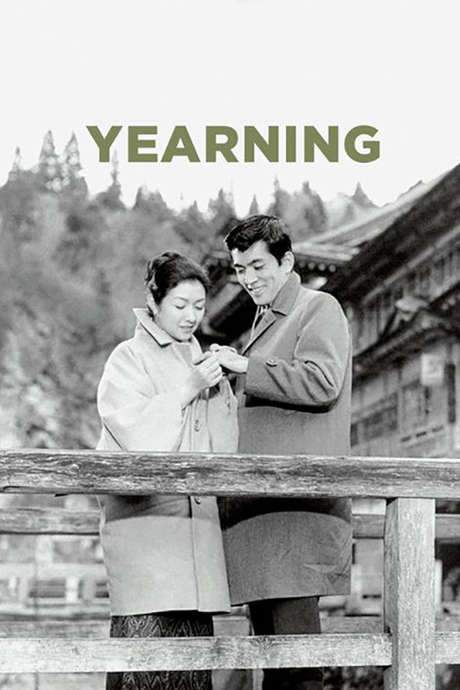
Yearning (1964) movie poster

Characters & Themes

Yearning (1964) Characters, Setting & Themes Explained

Release, runtime and language
1964 · 98 mins · Japanese
JustWatch #33,318 4
Directed by
Mikio Naruse
Starring
Yûzô Kayama, Kumeko Urabe, Mie Hama, Yû Fujiki, Mitsuko Kusabue, Yumi Shirakawa

After her husband dies in the war, Reiko takes over the family’s modest grocery shop, restoring it and running it from their home. Decades later, a new supermarket opens nearby, jeopardizing the shop’s clientele, and her in‑laws plot to replace the small store with a modern supermarket, threatening Reiko’s livelihood.

On this page (8)
  1. 1 Where to watch
  2. 2 Characters explained (7)
  3. 3 Where & when it takes place
  4. 4 Themes & meaning (4)
  5. 5 Character & meaning questions
  6. 6 Movie threads
  7. 7 Movies like Yearning
  8. 8 Every angle

Where to watch

Where to Watch Yearning (1964)

Where can you watch Yearning? Stream, rent or buy it in the US: current JustWatch availability with up-to-date prices.

Streaming availability powered by JustWatch

7 main characters · contains spoilers

Yearning Characters Explained: Who Is Who

The main characters of Yearning (1964), heroes and villains: what drives them, how they change over the course of the story and what each of them reveals about the film's bigger ideas.

  • Reiko Morita (Hideko Takamine)

    A war widow who runs her late husband’s family grocery, she navigates mounting family pressure and personal restraint. She remains resilient and self-contained, but her choices are haunted by duty and the unfulfilled possibility of love.

    • 🎭 Drama
    • 💔 Unrequited love
    • 🏡 Domestic resilience
  • Kōji Morita (Yūzō Kayama)

    played by Yûzô Kayama

    The 25-year-old brother-in-law who openly loves Reiko and often drinks to cope with his unreciprocated feelings. His loyalty to family and his impulsive nature push the plot toward its tragic turn.

    • 🎭 Drama
    • 💔 Unrequited love
    • 🥃 Alcohol
  • Ruriko (Mie Hama)

    A sister-in-law who sides with the plan to convert the shop into a supermarket, testing family loyalties and revealing competing priorities within the Morita household.

    • 🎭 Drama
    • 💼 Family dynamics
  • Hisako Morizono (Mitsuko Kusabue)

    Another Morita relative who embodies the tension between tradition and modern economic pressures, participating in the family's power dynamics as the plan evolves.

    • 🎭 Drama
    • 🏷️ Family ties
  • Takako Morita (Yumi Shirakawa)

    A Morita family member who adds to the network of relatives surrounding Reiko, contributing to the pressure around the shop and the family’s ambitions.

    • 🎭 Drama
    • 🏡 Family expectations
  • Bar Madam (Kumeko Urabe)

    A local bar owner who intersects with the Morita story, providing a social space where characters reveal motives outside the family home.

    • 🎭 Drama
    • 🍷 Social dynamics
  • Shopkeeper (Haruo Nakajima)

    A local shopkeeper who interacts with Reiko's grocery and the family's business decisions, embodying the everyday realities of small-town commerce.

    • 🎭 Drama
    • 🛍️ Small business

Last updated: March 05, 2026 at 18:21

Was this helpful?

Setting

Where and When Does Yearning Take Place?

The setting of Yearning (1964): the year and time period, the places and locations, and how they shape the characters, the mood and the tension of the story.

Time period

Postwar Japan, early 1950s

The narrative unfolds in the wake of World War II, a period when small shops faced pressure from emerging supermarket chains and rapid economic changes. Family duty and social expectations shape decisions in a society undergoing modernization. The pacing and context mirror a Japan transitioning from scarcity to new consumer realities.

Location

Morita family home, Japanese countryside, rural village

The story centers around Reiko's home and the family-run grocery within the Morita household, reflecting intimate domestic life. It shifts between the shop, the surrounding countryside, and a country inn reached by train, highlighting how a small business sits at the heart of family tensions. The rural village setting grounds the drama in a community where reputation and livelihood are closely tied.

  • 🏠 Domestic setting
  • 🇯🇵 Japan
  • 🛍️ Postwar commerce

Last updated: March 05, 2026 at 18:21

Was this helpful?

4 major themes

Yearning Meaning: Themes & Message Explained

What is Yearning (1964) really about? The emotional, social and philosophical themes the film keeps returning to, its symbolism and the message beneath the surface.

  • Love vs Duty

    Koji's confession to Reiko exposes a clash between personal longing and family obligation. Reiko's fidelity to kin and her role within the household complicate any romantic possibility. The film probes whether love can flourish under rigid social duties, and what price loyalty exacts.

  • Family vs Modernity

    The sisters-in-law' scheme to turn the shop into a supermarket embodies postwar economic shifts. The tension between preserving traditional kin-based commerce and embracing modern retail reveals how money and ambition strain intimate family ties. Reiko's autonomy tests the strength of family loyalty.

  • Journey and Fate

    The train ride to a country inn becomes a pivot point where distance and chance influence the couple's future. The inn offers space for confession, yet social constraints prevent real intimacy. The journey toward connection ends in tragedy, underscoring the fragility of hope.

  • Time and Memory

    Years of war and loss haunt Reiko, shaping decisions and isolation. The measured pace reflects memory, regret, and the cost of clinging to the past. The ending suggests time can either erode or sustain compassion, depending on whether human warmth endures.

Last updated: March 05, 2026 at 18:21

Was this helpful?

Character & theme questions

Yearning Characters & Meaning: Your Questions Answered

The questions people ask about Yearning (1964): who the characters really are, their relationships, what the symbols mean, where it takes place and what the movie is really about. Each answer contains spoilers.

Q1

Where is the movie set?

The film takes place in a rural Japanese village in the postwar era, centered on the Morita family home and their modest family-run grocery shop. The story also shifts to a country inn reachable by train, contrasting the intimate domestic setting with moments of escape and confession.

  • rural japan
  • village
  • postwar setting
  • grocery shop
  • japanese countryside
Q2

What time period does the story take place in?

The narrative unfolds in the early 1950s, in the aftermath of World War II. This was a period when Japan was transitioning from postwar scarcity to new consumer realities, and small traditional shops faced increasing pressure from emerging supermarket chains.

  • postwar japan
  • 1950s
  • era
  • historical period
  • world war ii aftermath
Q3

Who is Reiko Morita in the story?

Reiko Morita is a war widow who takes over her late husband's family grocery shop. She is portrayed as resilient and self-contained, navigating mounting family pressure while remaining haunted by a sense of duty and unfulfilled possibilities for love. Her life centers on survival and family obligation.

  • reiko morita
  • war widow
  • protagonist
  • grocery shop owner
Q4

What is Kōji's relationship to Reiko?

Kōji Morita is Reiko's 25-year-old brother-in-law, the younger brother of her late husband. He openly harbors romantic feelings for Reiko but his love goes unreciprocated. He often drinks to cope with his emotional turmoil, and his impulsive nature drives the plot toward its tragic conclusion.

  • kōji morita
  • brother-in-law
  • unrequited love
  • romantic interest
Q5

What is the main theme of the movie?

The film explores the tension between love and duty, particularly through Kōji's confession to Reiko. The story probes whether love can flourish under rigid social duties and what price loyalty exacts. Reiko's fidelity to her late husband's family complicates any romantic possibility, creating a central emotional conflict.

  • love vs duty
  • theme
  • loyalty
  • sacrifice
  • obligation
Q6

What conflict drives the family tension?

The sisters-in-law scheme to convert the traditional grocery shop into a modern supermarket, embodying the postwar economic shifts. This creates tension between preserving traditional kin-based commerce and embracing modern retail, revealing how money and ambition strain intimate family ties while testing Reiko's autonomy.

  • family conflict
  • supermarket
  • modernization
  • tradition vs change
  • business tension
Q7

What is the emotional tone of the film?

The film has a consistently melancholic tone rooted in loss, loneliness, and repressed emotions. The slow pacing emphasizes atmosphere and character reflection over plot density. Years of war and loss haunt the characters, particularly Reiko, shaping their decisions and sense of isolation.

  • melancholic tone
  • grief
  • repression
  • emotional weight
  • slow pacing
Q8

What does the train journey represent in the story?

The train ride to a country inn serves as a pivotal moment where distance and chance influence the couple's future. The inn provides space for confession and emotional revelation, yet social constraints prevent true intimacy. The journey represents hope for connection that ultimately ends in tragedy.

  • train journey
  • country inn
  • confession
  • hope
  • fate
Q9

What is the nature of Reiko and Kōji's relationship?

Their dynamic is defined by unrequited love and a significant age gap, adding layers of longing and impossibility. Kōji's feelings for his older sister-in-law create a socially complicated situation, while Reiko must navigate her duty to the family against any personal desires.

  • age gap
  • relationship
  • unrequited love
  • complex dynamic
Q10

How does the historical context affect the story?

The postwar setting reflects Japan's transition from scarcity to new consumer realities. Family duty and social expectations shape decisions in a society undergoing rapid modernization. Small businesses like Reiko's grocery faced pressure from emerging supermarket chains, mirroring broader economic transformations.

  • postwar economy
  • supermarkets
  • modernization
  • small business
  • economic change
Q11

How does the film handle themes of time and memory?

The film reflects on how years of war and loss haunt the characters, shaping decisions and isolation. The measured pacing embodies memory, regret, and the cost of clinging to the past. The ending suggests time can either erode or sustain compassion, depending on whether human warmth endures.

  • time
  • memory
  • regret
  • past
  • war trauma

Movie threads

More Movies Like Yearning, by Mood & Story

Curated lists built around what makes Yearning tick: the same mood, the same kind of story or the same emotional payoff. Each list explains why these movies belong together.

Movies about repressed love and melancholy like Yearning

Stories where quiet grief and unspoken love simmer under the surface of daily life. If the quiet sorrow and unspoken passion in 'Yearning' resonated with you, explore these films. This list features similar melancholic dramas and romantic stories where characters grapple with grief, duty, and love that cannot be.

  • melancholy
  • longing
  • grief
  • repressed emotions
  • quiet
  • tragic
  • Tone: melancholic, reflective, tragic
  • Pacing: slow, deliberate
Why these movies?

The story pattern: Narratives in this thread often follow characters bound by societal or familial duty, struggling with a deep, internal emotional conflict—such as unrequited love or unresolved grief. The plot is typically straightforward, prioritizing emotional realism over complex twists, and often culminates in a bittersweet or tragic resolution that underscores the pain of repression.

Why they belong together: These films are grouped together because they share a specific, subdued emotional tone. They prioritize a slow, reflective pace, low-key intensity, and a consistent melancholic mood, exploring themes of longing, loss, and the emotional weight of things left unsaid.

Movies about family conflict and duty like Yearning

Characters caught between familial obligation and the fight for their own future. For viewers who appreciated the familial tension in 'Yearning,' this list highlights similar dramas about in-law relationships and generational conflict. Discover other stories where characters must defend their way of life against pressure from their own family.

  • family conflict
  • duty
  • survival
  • generational clash
  • melancholy
  • resilience
  • Tone: melancholic, dramatic
  • Pacing: slow, steady
Why these movies?

The story pattern: The narrative pattern involves a protagonist firmly entrenched in a family structure, often through marriage, whose role or contribution is suddenly devalued. The conflict is driven by a generational or ideological clash, forcing the character to choose between sacrificing their autonomy for family harmony or fighting for their own survival, leading to an emotionally complex conclusion.

Why they belong together: These films are united by their focus on the tension between individual identity and family expectations. They explore similar themes of widowhood, in-law dynamics, and small-business struggles, often with a straightforward narrative and a medium emotional weight that balances serious themes with restrained execution.

If you liked this

Movies Like Yearning

Similar movies to Yearning: the same genre, themes or kind of story. Each one comes with its own plot summary, timeline and ending explained.

Browse all movie summaries

Every angle

Yearning (1964) Explained: Plot, Timeline & Characters

Everything about Yearning in one place: what happens in the plot summary, the timeline in chronological order, the characters and meaning and a spoiler-free summary. What's After the Movie adds the cast, box office and post-credit scenes.

Coming soon on iOS and Android

The Plot Explained Movie Summary App

Plot summaries, endings explained and timelines on your phone. Catch up on any movie in minutes, save your favorites and never miss a twist again.

Be the first to know when we launch. Your email stays private, always.

Learn more about the app