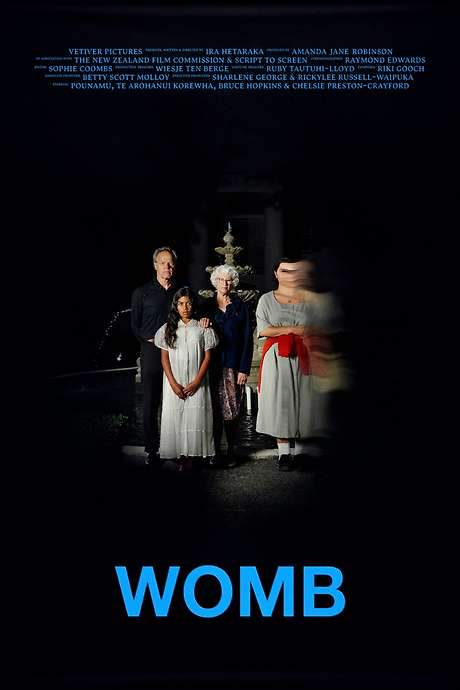
Womb
Year: 2025
Runtime: 15 mins
Language: Māori
Director: Ira Hetaraka
A young Māori girl experiences a bittersweet connection with her mother during weekly visits, while under the care of a conservative English couple. A custody battle fueled by racial prejudice threatens to determine her future and separate her from the people she loves. The case highlights the complexities of family, cultural identity, and the challenges faced by marginalized communities.
Where to Watch Womb?
Find where to stream, rent, or buy Womb (2025) in the US with current JustWatch availability, up-to-date pricing, and platform listings for subscription, rental, and digital purchase options.






Warning: spoilers below!
Haven’t seen Womb yet? This summary contains major spoilers. Bookmark the page, watch the movie, and come back for the full breakdown. If you're ready, scroll on and relive the story!
Womb (2025) – Ending Explained & Final Scene Breakdown
Still thinking about how Womb (2025) ended? Here’s a full breakdown of the ending, key final moments, major twists, and the deeper meaning behind the film’s conclusion.
Wulan’s nightmare finally comes to a head when she discovers that Eva and Agus are not simply caretakers but the keepers of a deadly Javanese rite called Wekesan Wednesday. The couple have long sacrificed a pregnant woman and her newborn—both born on an unlucky Wednesday—to save their son, Bergas, who himself was cursed to die shortly after his tenth birthday unless the ritual is performed every ten years.
When Bergas returns from Singapore, he stumbles upon the couple’s hidden storeroom, uncovers old photographs of previous victims, and reads the ancient text that describes the sacrifice. Realising his parents intend to use Wulan and her unborn child, he decides to help her escape.
Wulan tries to flee on her own, but the couple’s henchman Ageng and a poisoned delivery trap sever her last tie to the outside world. Bergas finds her in the dark, and together they break into the storeroom, steal a bottle, and use it to cut their bonds. As Eva attempts to hypnotise Bergas again, he shatters the spell, threatens to kill himself and forces his parents to back down. He kills Ageng, wrestles the car keys, and drives the three of them away, deliberately crashing through the house’s front door.
The getaway is brief. After a short stop at a roadside tea shop, Bergas steps outside to pay the bill. In that moment the curse that has haunted his life catches up with him: a truck barreling down the highway strikes him dead, fulfilling the legend that he cannot survive without the ritual’s dark bargain. Wulan and her newborn survive the ordeal, freed from the couple’s clutches, while the cycle of sacrifice is finally broken—though at the tragic cost of Bergas’s life.
Last updated: August 19, 2025 at 19:42
Womb (2025) Ending Questions Answered – Ending FAQ
Read frequently asked questions about the ending of Womb (2025), including final-scene interpretation, twist explanations, character outcomes, and the deeper meaning behind the conclusion. This ending explained FAQ is designed for viewers searching for clear spoiler-heavy answers and ending breakdown insights.
Why did Eva and Agus want to sacrifice Wulan?
Eva and Agus needed a pregnant woman and her unborn child, both born on an unlucky Wednesday, to perform the Wekesan Wednesday ritual. Wulan fits this criteria perfectly, making her the sacrifice they required to continue the curse that keeps their son Bergas alive.
Earlier scenes establish that Eva and Agus specifically sought out Wulan as a caretaker, hinting at their true motives.
What is Wekesan Wednesday in the movie?
Wekesan Wednesday is a deadly Javanese ritual that requires sacrificing a pregnant woman and her newborn, both born on an unlucky Wednesday, every ten years. The ritual keeps the son of the practitioners alive by transferring the curse of early death to the sacrificed victims.
The film hints at the ritual through the couple's secretive behavior and references to Javanese traditions.
Does Bergas die at the end of Womb?
Yes, Bergas dies at the end. After escaping with Wulan, he steps out of a roadside tea shop to pay the bill and is struck by a truck on the highway. His death fulfills the legend that he cannot survive without the Wekesan Wednesday ritual.
The film establishes early on that Bergas was cursed to die shortly after his tenth birthday unless the ritual was performed every ten years.
Why did Bergas help Wulan escape?
After discovering the hidden storeroom and learning the truth about the ritual, Bergas realized his parents intended to sacrifice Wulan and her unborn child. Overcome with guilt and unable to let the sacrifice continue, he chose to help Wulan escape, even though it meant breaking the curse that had kept him alive.
Bergas's curiosity about his parents' secrets leads him to uncover the photographs of previous victims and the ancient text describing the sacrifice.
How does the curse work in Womb?
Bergas was born under a curse that would kill him shortly after his tenth birthday. The Wekesan Wednesday ritual transfers this curse to a pregnant woman and her newborn, both born on an unlucky Wednesday, by sacrificing them. Without this sacrifice every ten years, Bergas will die, which is exactly what happens at the end.
The film establishes Bergas's fragile health and his parents' desperation to keep him alive through unusual means.
What happens to Wulan and her baby at the end?
Wulan and her newborn survive the ordeal. After Bergas crashes through the house's front door and drives them away, they escape the couple's clutches. The cycle of sacrifice is broken, though at the tragic cost of Bergas's life.
Wulan's determination to protect her child drives her attempts to escape throughout the final act.
Why does Bergas die after escaping?
Bergas dies because the Wekesan Wednesday ritual was the only thing keeping him alive. Once he breaks the cycle by helping Wulan escape, the curse that was meant for him catches up. The legend states he cannot survive without the ritual's dark bargain, and his death occurs moments after the ritual is permanently stopped.
The film establishes early that Bergas was cursed to die young, with the ritual merely postponing his inevitable death.
How did Wulan and Bergas escape from the house?
After finding Wulan in the dark, Bergas breaks into the hidden storeroom with her. They steal a ritual bottle and use it to cut their bonds. When Eva attempts to hypnotize Bergas again, he shatters the spell by threatening to kill himself. He then kills Ageng (the henchman), wrestles the car keys, and drives the three of them away through the front door.
Bergas's earlier encounter with hypnosis sets up his ability to recognize and resist his mother's control.
Was Wulan's baby going to be sacrificed too?
Yes, both Wulan and her newborn were intended to be sacrificed. The Wekesan Wednesday ritual requires a pregnant woman AND her newborn, both born on an unlucky Wednesday. Wulan fits the first requirement, and her unborn child would have been used for the second sacrifice in ten years when the ritual needed to be performed again.
The couple's interest in Wulan's pregnancy and their specific questions about her birth date hint at their plans.

Explore Movie Threads
Discover curated groups of movies connected by mood, themes, and story style. Browse collections built around emotion, atmosphere, and narrative focus to easily find films that match what you feel like watching right now.
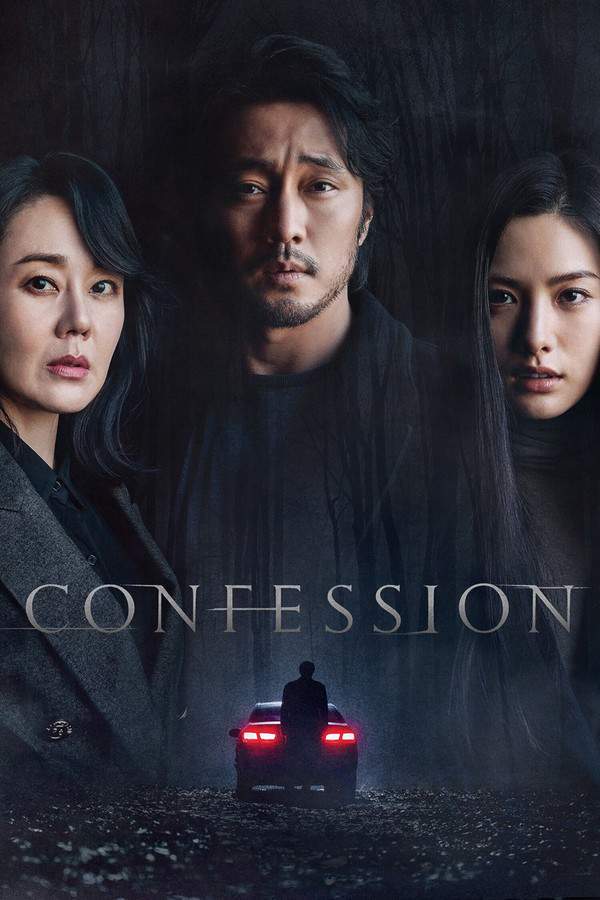
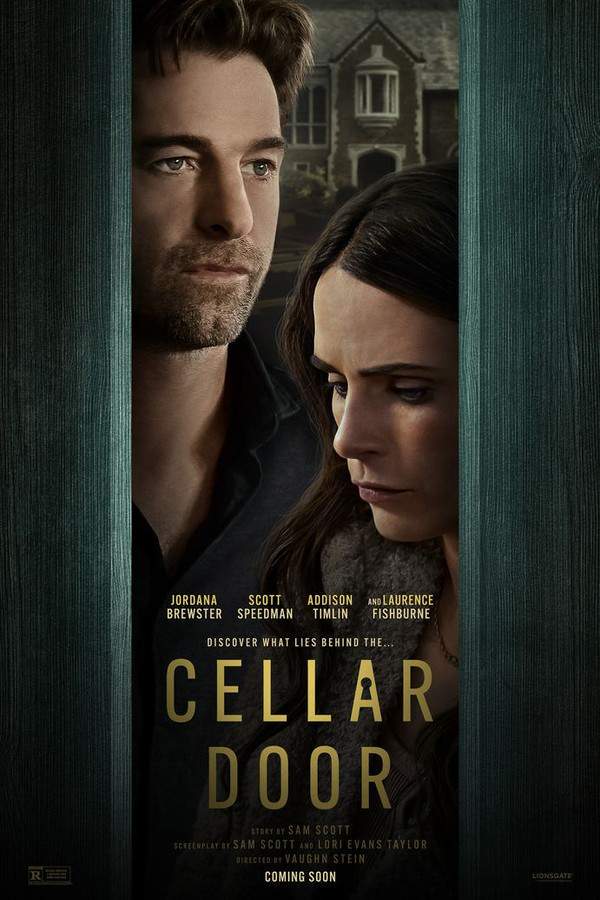
Psychological Thrillers of Maternal Betrayal like Womb
Stories where family bonds become instruments of psychological horror.If you were gripped by the maternal betrayal in Womb, explore these psychological thrillers where family bonds turn sinister. Discover movies with similar themes of trusted figures becoming threats, perfect for viewers who appreciated the film's disturbing exploration of corrupted care.












Narrative Summary
These narratives typically follow protagonists who discover that their primary caretaker or maternal figure is orchestrating their suffering. The journey involves unraveling layers of deception, confronting the betrayal, and fighting for survival against someone who should have been their protector.
Why These Movies?
They share a core theme of violated trust within family structures, creating a unique brand of psychological horror that hits closer to home than external threats. The emotional weight comes from the intimacy of the betrayal.
Slow Burn Survival Horror Movies like Womb
Atmospheric horror that builds from unease into brutal survival struggles.For viewers who appreciated Womb's gradual build from psychological tension to physical survival horror. These movies share a similar trajectory of escalating dread and feature protagonists pushed to their limits in isolated, oppressive environments.















Narrative Summary
The narrative pattern begins with establishing a normalcy that slowly unravels, revealing underlying threats. The pacing starts deliberately, allowing atmospheric tension to build before accelerating into intense, often brutal survival sequences where characters face physical and psychological extremes.
Why These Movies?
They share a specific emotional trajectory - starting with psychological tension that feels almost abstract, then transitioning into concrete physical danger. This dual-phase structure creates a uniquely affecting horror experience.
Unlock the Full Story of Womb
Don't stop at just watching - explore Womb in full detail. From the complete plot summary and scene-by-scene timeline to character breakdowns, thematic analysis, and a deep dive into the ending - every page helps you truly understand what Womb is all about. Plus, discover what's next after the movie.
Womb Summary
Read a complete plot summary of Womb, including all key story points, character arcs, and turning points. This in-depth recap is ideal for understanding the narrative structure or reviewing what happened in the movie.

Womb Timeline
Track the full timeline of Womb with every major event arranged chronologically. Perfect for decoding non-linear storytelling, flashbacks, or parallel narratives with a clear scene-by-scene breakdown.

Characters, Settings & Themes in Womb
Discover the characters, locations, and core themes that shape Womb. Get insights into symbolic elements, setting significance, and deeper narrative meaning - ideal for thematic analysis and movie breakdowns.


