Plot Explained Spoilers guaranteed!
Plot Explained

Browse by genre

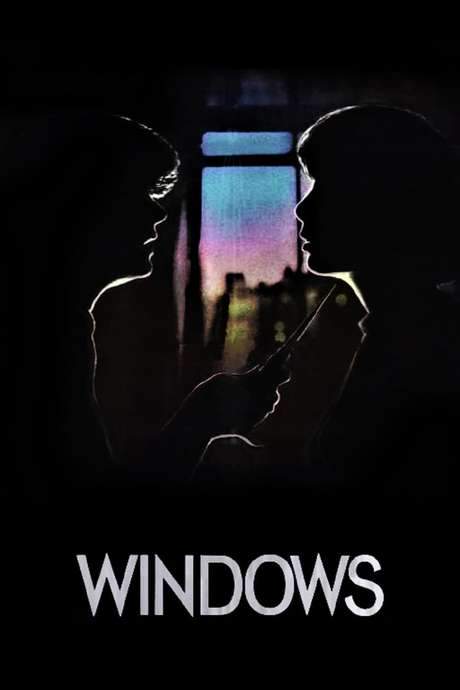
Windows (1980) movie poster

Plot Summary

Windows (1980) Plot Summary Explained

Release, runtime and language
1980 · 96 mins · English
Directed by
Gordon Willis
Starring
Talia Shire, Pat McNamara, Elizabeth Ashley, Kay Medford, Linda Gillen, Tony DiBenedetto

Emily Hollander becomes the object of a disturbing obsession by her next‑door neighbour Andrea Glassen. As Andrea’s fixation deepens, Emily’s sense of privacy and safety unravels, and the threat follows her into her own home, turning ordinary life into relentless, unrelenting terror.

On this page (6)
  1. 1 Where to watch
  2. 2 What happens: full plot
  3. 3 Plot questions answered
  4. 4 Movie threads
  5. 5 Movies like Windows
  6. 6 Every angle

Where to watch

Where to Watch Windows (1980)

Where can you watch Windows? Stream, rent or buy it in the US, including on fuboTV, MGM Plus and Philo: current JustWatch availability with up-to-date prices.

Streaming availability powered by JustWatch

Full plot summary · contains spoilers

What Happens in Windows: Full Plot Summary

The whole story of Windows (1980) explained, from the opening scene to the final frame: every key event, every twist and what it all adds up to. Read it as a quick recap before the sequel, to check a scene you missed, or to finally understand what really happened.

Emily Hollander, Talia Shire, is a shy, recently divorced woman who lives alone in a Brooklyn Heights apartment. Her next-door neighbor, Andrea Glassen, Elizabeth Ashley, harbors a dangerous obsession with her that unsettles the quiet building and sets off a chain of tense events. Emily’s world feels small and fragile, and the coming storm will test her sense of safety, trust, and independence.

One night, a man forces his way into her apartment and compels her to produce sounds of erotic satisfaction, which he records on a tape recorder. The incident leaves Emily shaken, and she reports the attack to the police. While investigators speak with her, Andrea stops by to offer supposed comfort, masking a more unsettling motive behind her sympathy.

Seeking safety, Emily moves to a Manhattan apartment, hoping the distance will bring relief. But the nightmare follows: as she is in the middle of moving out, the same man makes another attempt to enter her new place. This time Andrea happens to be visiting and manages to prevent his entry, heightening the sense that nothing about the danger is accidental.

It becomes clear that Andrea is not the benevolent neighbor she appears to be. She has secretly hired a taxi driver to carry out the attacks in order to secure the recordings, which she then obsessively listens to and even recites while fantasizing about Emily. Andrea has fallen in love with Emily and envisions a twisted future where Emily will choose to live with her out of fear, security, and intimate dependence. Meanwhile, Emily continues to see Andrea as a friend, and she begins a relationship with the police detective who responded to her initial case, Detective Swid. The situation grows more perilous as Andrea’s fixation deepens and she begins to spy on Emily through a telescope, watching her every move.

When Emily unknowingly hails a taxi driven by the very man who attacked her, he strikes up a conversation "because you look familiar." The sense of danger returns with brutal immediacy, and Emily is left trying to regain control of her life in the face of manipulation and fear.

She asks the taxi driver to stop at a phone booth, then calls the police for help. The officers advise her to re-enter the taxi and engage the man in harmless conversation while they close in, a tense plan that underscores the seduction of routine in a dangerous game of cat and mouse. The moment of truth arrives as the taxi driver is arrested and confesses to the entire plot, exposing Andrea’s carefully constructed web of control.

A confrontation follows: Andrea professes her love for Emily, but the revelation only deepens Emily’s resolve. She delivers a sharp, definitive rebuke — a hard slap that leaves Andrea devastated and crying as Emily asserts that they will never speak to each other again. With the immediate danger past, Emily stands strong at her front door, greeted later by the steady presence of [Detective Swid], signaling a fragile sense of safety returning to her life.

Last updated: October 09, 2025 at 14:44

Was this helpful?

Plot questions answered

Windows Plot Explained: Your Questions Answered

The questions people ask most about Windows (1980): what happens in the confusing scenes, why the characters do what they do, the twists, hidden details and what the ending means. Each answer contains spoilers.

Q1

Who was the man that attacked Emily in her apartment

The man who attacked Emily was a taxi driver hired by her neighbor Andrea Glassen. Andrea paid him to break into Emily's apartment and force her to produce erotic sounds, which he recorded on a tape. This wasn't a random attack, it was part of Andrea's carefully orchestrated plan to obtain recordings she could obsessively listen to.

  • attacker
  • taxi driver
  • assault
  • hired attacker
  • recording
Q2

Why did Andrea Glassen hire someone to attack Emily

Andrea was obsessed with Emily and had fallen in love with her. She hired the taxi driver to carry out the attacks specifically to obtain recordings of Emily's voice making erotic sounds. Andrea then obsessively listened to these recordings and recited the lines while fantasizing about Emily. She believed that by creating danger and then positioning herself as Emily's protector, she could manipulate Emily into depending on her and eventually choosing to live with her.

Foreshadowing: Early scenes show Andrea watching Emily from afar, establishing her fixation before any attack occurs.

  • obsession
  • manipulation
  • motivation
  • stalker
  • protective savior
Q3

Why did Andrea stop the attacker during the second attempt

Andrea wasn't trying to protect Emily out of genuine concern, she was maintaining her cover as a helpful neighbor. By intervening, Andrea reinforced Emily's trust while simultaneously ensuring the attacks continued on her terms. This calculated behavior allowed Andrea to appear supportive while continuing her manipulation. The second attack was likely staged to deepen Emily's reliance on Andrea as her protector.

  • second attack
  • intervention
  • deception
  • masks
Q4

What was the recording Andrea was trying to obtain

Andrea wanted a recording of Emily making sounds of erotic satisfaction. After the first attack, the taxi driver obtained this recording, and Andrea became obsessed with it. She listened to it repeatedly and recited the lines from it while fantasizing about Emily. The recording represented the object of her twisted desire, a way to possess some part of Emily intimately without her consent.

  • tape
  • recording
  • obsession
  • fantasy
  • audio
Q5

Why did the taxi driver recognize Emily when she hailed his cab

The taxi driver recognized Emily because he was the same man who had previously broken into her apartment and assaulted her. When he struck up the conversation saying "you look familiar," he was testing whether Emily recognized him. This unsettling coincidence forced Emily into immediate danger once again, leading her to follow the police's advice to exit the cab and use a phone booth.

  • coincidence
  • recognition
  • danger
  • coincidental encounter
Q6

How did the police discover Andrea's involvement

The police discovered Andrea's involvement after Emily was riding in the taxi driven by her attacker. Following their advice, she exited the taxi at a phone booth and called for help. The police closed in and arrested the taxi driver, who then confessed to the entire plot, revealing that Andrea had hired him to carry out the attacks. This confession exposed Andrea's orchestration of the assaults.

  • arrest
  • confession
  • police investigation
  • exposed
Q7

What did Emily's slap and refusal mean at the end

When Emily slapped Andrea and declared they would never speak again, she was definitively rejecting both Andrea's romantic advances and the manipulative dynamic Andrea had created. The slap represented Emily reclaiming her autonomy and drawing a clear boundary. This moment marked Emily's refusal to be controlled or intimidated any longer, establishing that Andrea's twisted fantasy of them living together would never happen.

  • confrontation
  • rejection
  • autonomy
  • final break
Q8

Why did Andrea become obsessed with Emily

The film establishes that Andrea, living next door, developed a disturbing fixation on Emily over time. As a shy, recently divorced woman living alone, Emily represented vulnerability that Andrea fixated on. Her obsession twisted from attraction into manipulation, believing that by creating danger and then offering protection, she could make Emily dependent on her. The film doesn't explain the origin of this attraction, it presents the obsession as the driving force of the story's conflict.

Foreshadowing: Andrea is first shown watching Emily from afar, establishing her role as an observer before any plot elements unfold.

  • obsession
  • fixation
  • neighbor
  • stalking
  • psychological
Q9

What happened to Emily after Andrea was exposed

After the confrontation where Emily rejected Andrea, the immediate physical threat ended. The taxi driver was arrested and Andrea's manipulation was exposed. The film ends with Emily greeting Detective Swid at her front door, suggesting a potential new relationship and a fragile return to safety. However, the ending acknowledges the lasting trauma, while the danger has passed, Emily's sense of safety remains compromised and recovery is ongoing.

  • ending
  • detective
  • recovery
  • safety
  • new beginning
Q10

Why did Emily start a relationship with Detective Swid

Emily began a relationship with Detective Swid, the police detective who responded to her initial case, because he represented safety and protection during a terrifying time. Without suspecting Andrea's involvement, Emily saw Swid as a trustworthy ally and source of emotional support. The relationship develops as Emily seeks stability and protection from the danger she faced, though the film does not explore this romance in depth.

  • detective
  • romance
  • protection
  • trust
  • relationship

Movie threads

More Movies Like Windows, by Mood & Story

Curated lists built around what makes Windows tick: the same mood, the same kind of story or the same emotional payoff. Each list explains why these movies belong together.

Thrillers about obsessive stalkers like in Windows

Thrillers where danger comes from someone terrifyingly close and familiar. If you liked the disturbing fixation in Windows, explore more movies like it where characters are targeted by obsessive stalkers. These thrillers focus on psychological manipulation and the terrifying collapse of personal safety, creating a sense of relentless, intimate dread.

  • obsessive
  • paranoid
  • unsettling
  • fearful
  • claustrophobic
  • manipulative
  • Tone: tense, unsettling, paranoid
  • Pacing: steady, escalating
Why these movies?

The story pattern: Stories in this thread typically follow a protagonist who becomes the target of a single-minded, often delusional, individual. The narrative escalates through acts of voyeurism, manipulation, and violation, turning everyday environments into landscapes of fear. The conflict is personal and psychological, focusing on the victim's struggle to reclaim their sense of security.

Why they belong together: These movies are grouped by their shared core conflict: a one-sided, obsessive pursuit that weaponizes familiarity. They create a similar viewing experience of sustained tension and psychological horror, where the threat feels invasive and inescapable because of its proximity.

Movies with a feeling of domestic claustrophobia like Windows

Stories where the safety of home is systematically dismantled from within. Fans of Windows' unsettling atmosphere will find similar tension in these stories of domestic claustrophobia. Discover movies where homes become prisons and ordinary life turns into a psychological battleground, focusing on the visceral fear of being unsafe in your own space.

  • claustrophobic
  • anxious
  • unsettling
  • paranoid
  • trapped
  • violation
  • Tone: anxious, claustrophobic, tense
  • Pacing: steady, deliberate
Why these movies?

The story pattern: The narrative pattern involves a protagonist who experiences a gradual or sudden loss of control over their domestic space. The home, which should be a refuge, becomes the primary source of anxiety. The story unfolds through a steady escalation of threats that violate the character's privacy and autonomy, leading to a profound sense of entrapment.

Why they belong together: These films are united by their masterful use of setting to create mood. They share a core theme of violated safety and explore the emotional impact of having one's personal boundaries relentlessly crossed. The resulting experience is one of sustained anxiety and a deeply unsettling, claustrophobic vibe.

If you liked this

Movies Like Windows

Similar movies to Windows: the same genre, themes or kind of story. Each one comes with its own plot summary, timeline and ending explained.

Browse all movie summaries

Every angle

Windows (1980) Explained: Plot, Timeline & Characters

Everything about Windows in one place: what happens in the plot summary, the timeline in chronological order, the characters and meaning and a spoiler-free summary. What's After the Movie adds the cast, box office and post-credit scenes.

Coming soon on iOS and Android

The Plot Explained Movie Summary App

Plot summaries, endings explained and timelines on your phone. Catch up on any movie in minutes, save your favorites and never miss a twist again.

Be the first to know when we launch. Your email stays private, always.

Learn more about the app