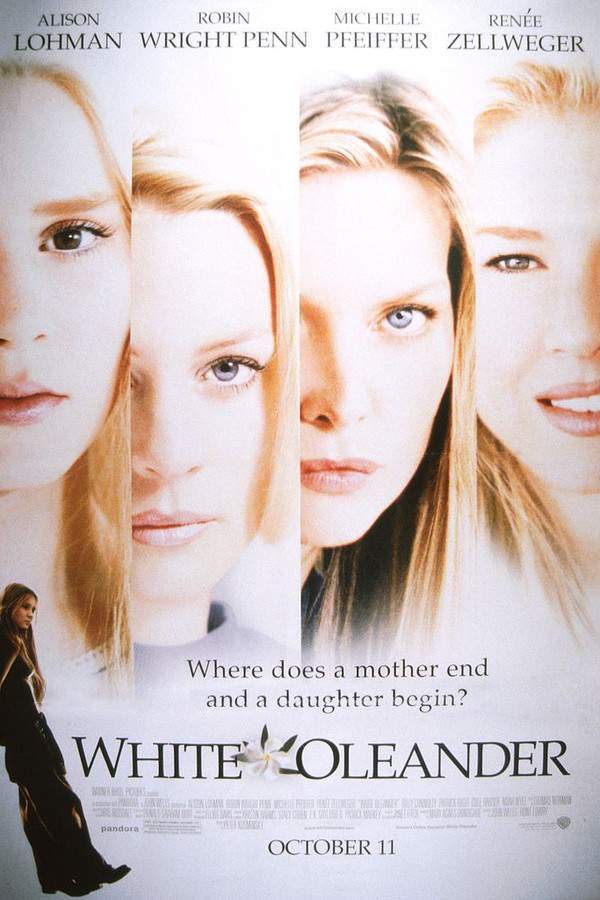
White Oleander
Year: 2002
Runtime: 109 min
Language: English
Director: Peter Kosminsky
Budget: $16M
A young woman's life is upended when her mother is convicted of a crime and incarcerated, forcing Astrid into the foster care system. She experiences a series of placements, each presenting new challenges and relationships as she searches for belonging and self-discovery. Throughout her difficult journey, Astrid must grapple with the consequences of her mother's actions and ultimately find her own path to independence and a sense of identity.
Where to Watch White Oleander?
Find where to stream, rent, or buy White Oleander (2002) in the US with current JustWatch availability, up-to-date pricing, and platform listings for subscription, rental, and digital purchase options.







Warning: spoilers below!
Haven’t seen White Oleander yet? This summary contains major spoilers. Bookmark the page, watch the movie, and come back for the full breakdown. If you're ready, scroll on and relive the story!
Timeline – White Oleander (2002)
Trace every key event in White Oleander (2002) with our detailed, chronological timeline. Perfect for unpacking nonlinear stories, spotting hidden connections, and understanding how each scene builds toward the film’s climax. Whether you're revisiting or decoding for the first time, this timeline gives you the full picture.
Last updated: November 08, 2024 at 03:52
White Oleander (2002) Timeline Questions Answered – Chronology FAQ
Find frequently asked questions about the White Oleander (2002) timeline, including chronological order, nonlinear jumps, cause-and-effect links, and scene sequence clarifications. This timeline FAQ helps explain when key events happen, how moments connect, and why the story unfolds in that specific order.
Why did Ingrid kill Barry with white oleander?
Ingrid killed Barry after discovering his infidelity, which devastated her emotionally. The breakdown of their relationship sent her into a rage, leading her to use white oleander poison, a flower she kept as an artist, to murder him in a moment of despair and revenge. This act sets the entire story in motion, as Astrid is immediately placed in foster care as a result.
Earlier scenes establish Ingrid as self-absorbed and volatile, making her extreme reaction hinted at through her emotional instability.
Why did Starr shoot Astrid?
Starr, Astrid's first foster mother, was a recovering alcoholic who became jealous when she believed Astrid was forming a relationship with her boyfriend Ray. This jealousy, combined with her relapse into drinking, led her to a violent frenzy where she shot Astrid in the shoulder. Astrid protected Starr by convincing the children not to disclose what happened.
The bond between Starr and Astrid early on showed Starr's emotional instability, and her jealousy was foreshadowed when Ingrid interfered in their relationship.
Why did Claire Richards commit suicide?
Claire's suicide was triggered by Ingrid's manipulation during Astrid's prison visit. When Astrid visited Ingrid, Ingrid deliberately wrote letters to Claire that exploited Claire's insecurities about her husband Mark and her own worth as a former actress. This manipulation intensified Claire's existing anxieties, leading her to take her own life.
Claire's fragile emotional state and her dependence on her marriage were established early in her placement with Astrid.
Why did Astrid initially refuse to testify for Ingrid?
Astrid refused to testify falsely for her mother because she refused to compromise her integrity. When Rena Gruschenka, her later foster mother, encouraged her to accept attorney Susan Vallares's offer to testify falsely, Astrid firmly declined because she was unwilling to lie in court, even for her mother.
This decision reflects Astrid's growing moral strength throughout her difficult journey in the foster system.
What did Astrid demand from Ingrid during their prison confrontation?
During their prison confrontation, Astrid demanded the truth about her family history in exchange for agreeing to testify that Barry took his own life. This confrontation was significant because Astrid finally asserted control over her narrative, seeking answers about her father and the mysterious Annie mentioned in the story.
Throughout the film, Astrid's search for identity and her father's identity had been a underlying thread.
Why did Ingrid ignore Astrid's statements at the trial?
At the trial, Ingrid instructed her attorney Susan Vallares to ignore Astrid's statements, effectively betraying her daughter. This devastating moment showed that Ingrid prioritized her own legal defense over maintaining the relationship with Astrid. Astrid watched helplessly as her mother was taken away again, realizing Ingrid was still choosing herself over their bond.
This outcome reflects Ingrid's consistent pattern of self-absorption throughout the entire narrative.
What do the suitcase dioramas represent at the end of the movie?
The suitcase dioramas Astrid creates in New York are artistic representations of the traumatic chapters of her life, including her relationship with her mother. Each suitcase symbolizes a painful memory she is processing through art. When she pauses at the final suitcase representing Ingrid, she acknowledges the bittersweet truth that despite her mother's flaws, Ingrid truly loves her in her own complicated way.
The entire film establishes art as Astrid's means of processing her difficult experiences.
Who is Annie mentioned in Astrid's family history?
Annie is a mysterious figure from Ingrid's past that Astrid discovers during her prison confrontation with her mother. The exact details of Annie's identity are revealed as part of Astrid's quest to uncover her family history, though the film keeps this somewhat ambiguous, representing another layer of the复杂 family secrets Astrid inherits.
Astrid's search for information about her father and her origins had been building throughout her journey.
Why did Astrid ultimately move to New York with Paul?
Astrid decided to move to New York with Paul two years after the trial, choosing to build a new life focused on her art. Her relationship with Paul, which had been complicated and distant at times, rekindled after her painful goodbye with Ingrid. The move represents her final steps toward independence and healing, using her traumatic past as material for her artistic expression.
Paul's earlier invitation to New York and their rekindled relationship set the stage for this resolution.
Why did Astrid stop visiting Ingrid after Claire's suicide?
Astrid stopped visiting Ingrid after Claire's suicide because she felt betrayed by her mother's manipulative actions, which directly caused Claire's death. Overwhelmed with grief and anger, she telegraphed her sorrow to Ingrid and chose not to visit again, returning to McKinney Children's Center instead. This decision marked a significant emotional distance between mother and daughter.
The buildup of Ingrid's manipulative behavior throughout the story culminated in this tragic consequence.

Explore Movie Threads
Discover curated groups of movies connected by mood, themes, and story style. Browse collections built around emotion, atmosphere, and narrative focus to easily find films that match what you feel like watching right now.
Movies about a fractured coming of age like White Oleander
Stories of young people piecing together an identity from trauma.If you were moved by Astrid's difficult journey in White Oleander, explore more movies like it. This collection features similar intense dramas about young protagonists rebuilding their sense of self after profound trauma, navigating foster care, loss, and the search for belonging.

Cast No Shadow
2014
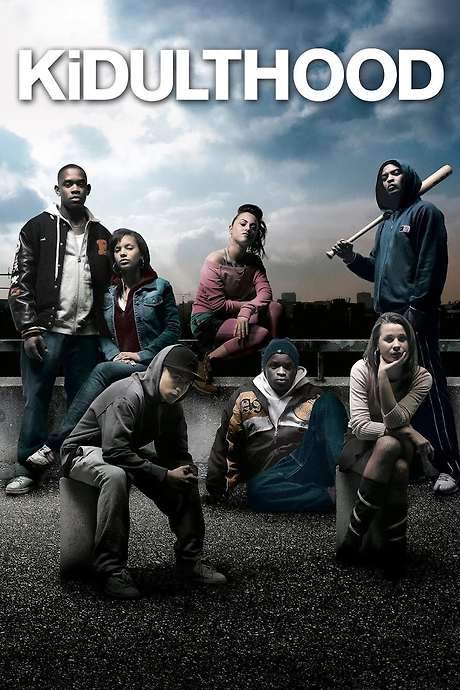
Kidulthood
2006

Fierce People
2007

2:37
2006
White Oleander
2002

12 and Holding
2005

Big Girls Don't Cry
2004

Shattered Trust: The Shari Karney Story
1993

Lost Angels
1989

Don't Call Me Son
2016

A Real Young Girl
2001

Mysterious Skin
2005

Girls Lost
2015

Over the Edge
1979

Breathless
2008
Narrative Summary
These narratives typically follow a linear or episodic structure, moving the protagonist through a sequence of challenging situations or placements. Each encounter contributes to their complex emotional growth, often involving difficult mentors, fleeting connections, and a constant grapple with their past. The journey is defined by survival and the slow, painful accumulation of self-knowledge rather than a simple, happy resolution.
Why These Movies?
Movies are grouped here for their shared focus on a heavy, emotionally draining coming-of-age journey. They feature a young protagonist facing severe adversity, a tone that is predominantly dark and introspective, and a central theme of constructing an identity from broken pieces.
Movies about toxic mother-daughter relationships like White Oleander
Explorations of damaging family ties that are hard to break.For viewers fascinated by the manipulative bond between Astrid and Ingrid in White Oleander, this list highlights similar movies about poisonous parent-child relationships. Discover other intense dramas where characters grapple with the complicated legacy of a dominant, damaging familial figure.

Mildred Pierce
1000

Mommie Dearest
1981

Lies My Mother Told Me
2005

Echo Valley
2025

Where Love Has Gone
1964

Mother
2010

Flowers in the Attic
2014
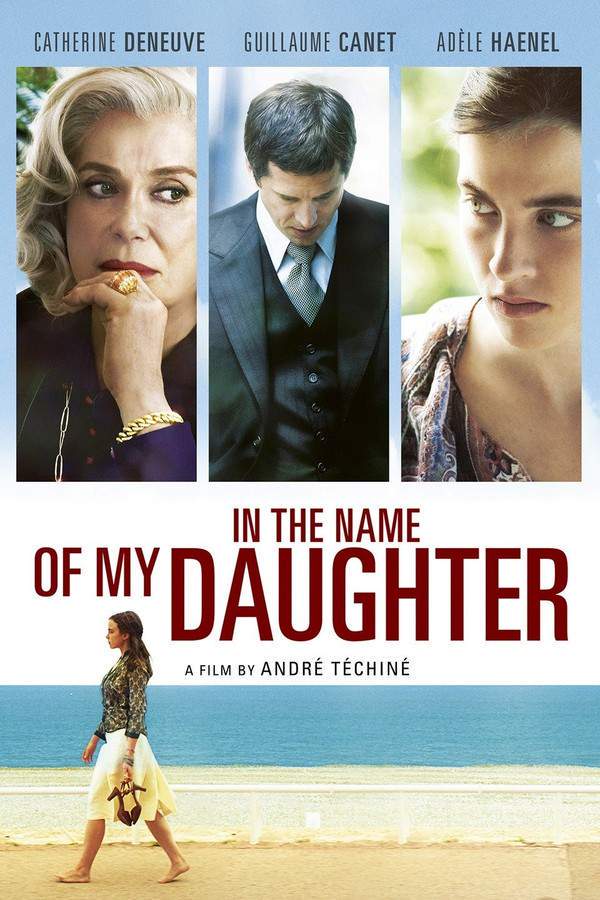
In the Name of My Daughter
2015

Poison Ivy
1992

The Legacy of the Bones
2019

If There Be Thorns
2015

The Bad Seed
1956

Teenage Seductress
1975

Picture Mommy Dead
1966

The Bad Seed
2018
Narrative Summary
The narrative pattern involves a protagonist who is psychologically tethered to a charismatic but destructive figure, often a parent. The story arc follows their growing awareness of the relationship's toxicity and their arduous, often bittersweet struggle for independence. The conflict is internal as much as external, centered on breaking free from a powerful emotional and ideological influence.
Why These Movies?
These films are united by their exploration of a specific, intense relational dynamic: the poisonous bond. They share a high emotional weight, a dark or tense tone, and a central theme of manipulation and the difficult path toward self-liberation from a damaging legacy.
Unlock the Full Story of White Oleander
Don't stop at just watching - explore White Oleander in full detail. From the complete plot summary and scene-by-scene timeline to character breakdowns, thematic analysis, and a deep dive into the ending - every page helps you truly understand what White Oleander is all about. Plus, discover what's next after the movie.
White Oleander Summary
Read a complete plot summary of White Oleander, including all key story points, character arcs, and turning points. This in-depth recap is ideal for understanding the narrative structure or reviewing what happened in the movie.

Characters, Settings & Themes in White Oleander
Discover the characters, locations, and core themes that shape White Oleander. Get insights into symbolic elements, setting significance, and deeper narrative meaning - ideal for thematic analysis and movie breakdowns.


Similar Movies to White Oleander
Discover movies like White Oleander that share similar genres, themes, and storytelling elements. Whether you’re drawn to the atmosphere, character arcs, or plot structure, these curated recommendations will help you explore more films you’ll love.
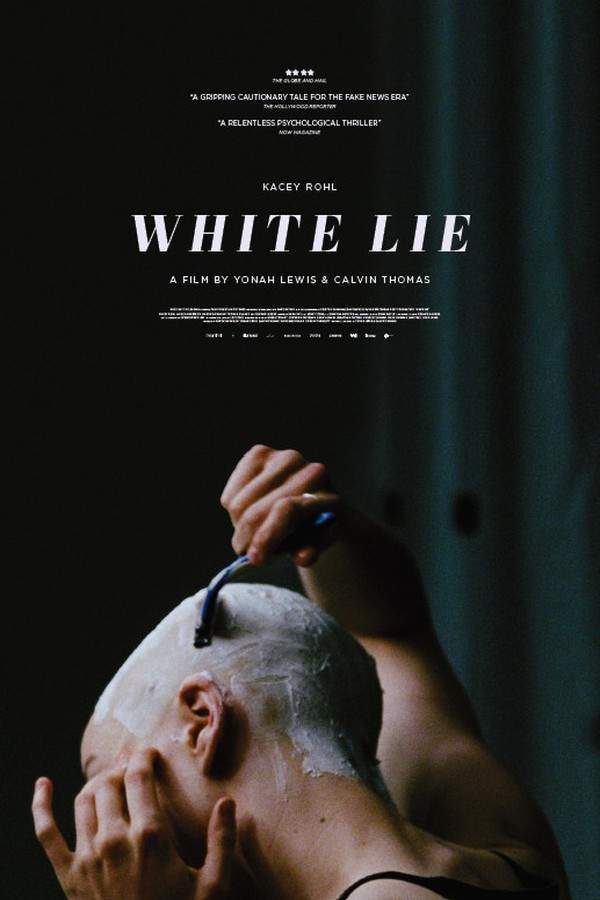
White Lie
2021

Angels Wear White
2018
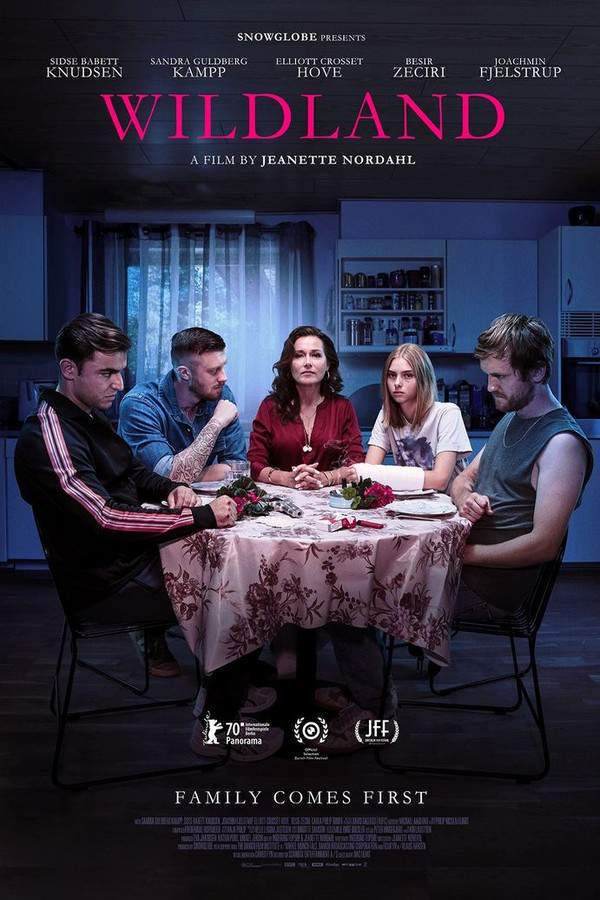
Wildland
2021

White Bird in a Blizzard
2014
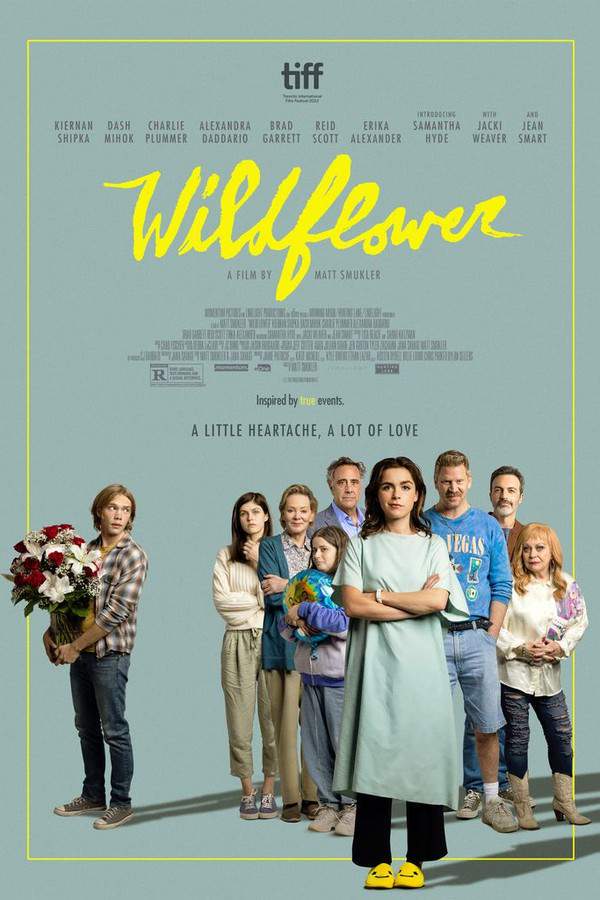
Wildflower
2023
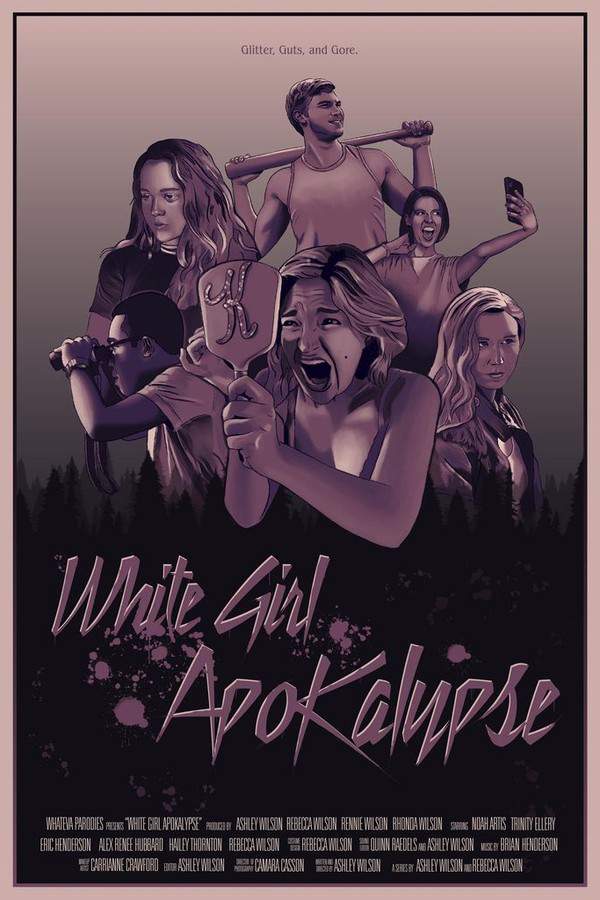
White Girl
2016
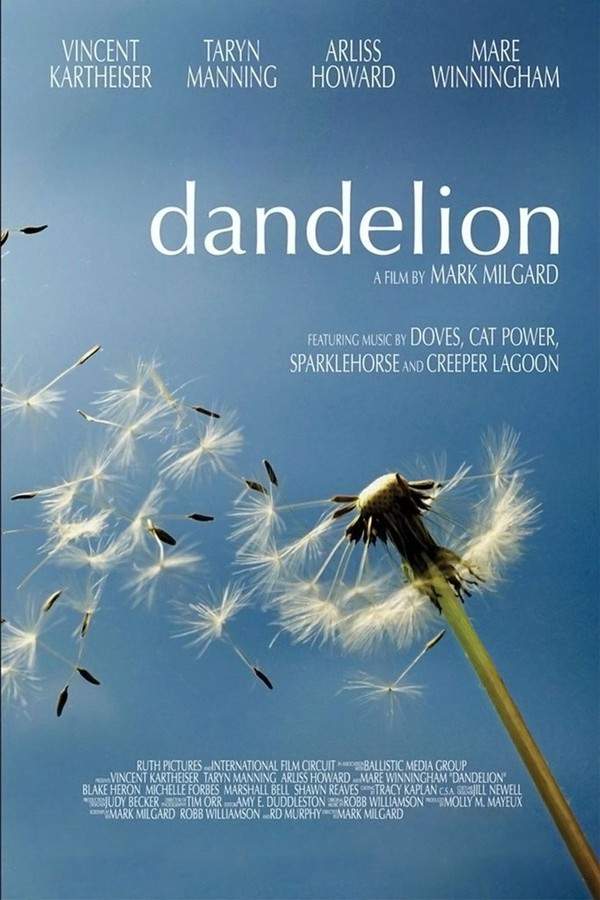
Dandelion
2005

Black or White
2015

Single White Female
1992
Ms. White Light
2020
Polaris
2017

Wild Orchid II: Two Shades of Blue
1991

White Madness
1984

The Daughter of Albino Rodrigue
2023

White Berry
2022
Explore More About Movie White Oleander
White Oleander (2002) Plot Summary & Movie Recap
White Oleander (2002) Scene-by-Scene Movie Timeline
White Oleander (2002) Spoiler-Free Summary & Key Flow
Movies Like White Oleander – Similar Titles You’ll Enjoy
White Lie (2021) Plot Summary & Ending Explained
Angels Wear White (2018) Movie Recap & Themes
Wildland (2021) Movie Recap & Themes
White Bird in a Blizzard (2014) Detailed Story Recap
Wildflower (2023) Full Movie Breakdown
White Girl (2016) Story Summary & Characters
Dandelion (2005) Spoiler-Packed Plot Recap
Black or White (2015) Film Overview & Timeline
Single White Female (1992) Complete Plot Breakdown
Ms. White Light (2020) Full Summary & Key Details
Polaris (2017) Detailed Story Recap
Wild Orchid II: Two Shades of Blue (1991) Story Summary & Characters
White Madness (1984) Full Movie Breakdown
The Daughter of Albino Rodrigue (2023) Movie Recap & Themes
White Berry (2022) Plot Summary & Ending Explained