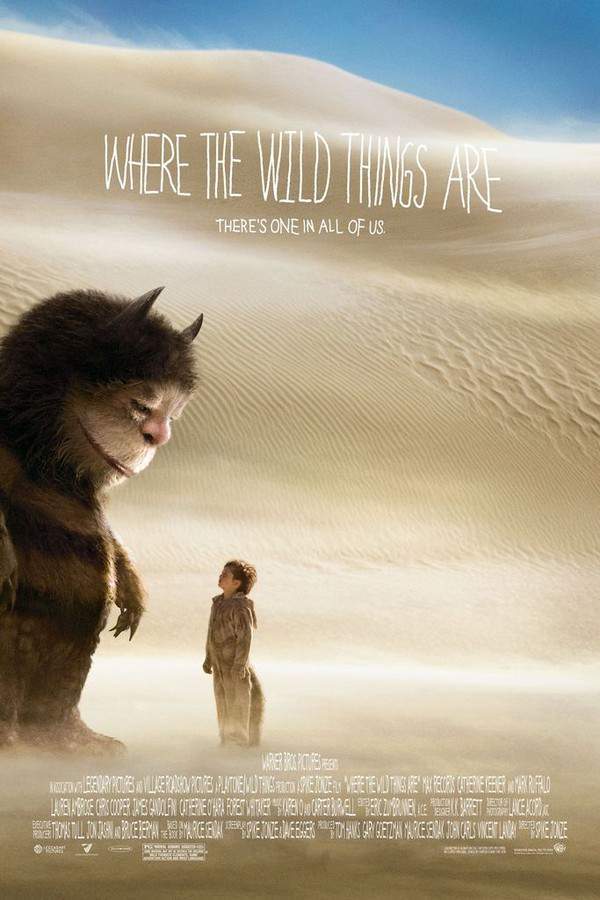
Where the Wild Things Are

A young boy, feeling misunderstood at home, sails away to an island inhabited by remarkable creatures known as the Wild Things. He discovers a kingdom of these fantastical beasts and, surprisingly, is crowned their king. As their leader, he must learn to manage their chaotic nature and confront the responsibilities that come with leadership, ultimately seeking a sense of belonging and understanding.
Where to Watch Where the Wild Things Are?
Find where to stream, rent, or buy Where the Wild Things Are (2009) in the US with current JustWatch availability, up-to-date pricing, and platform listings for subscription, rental, and digital purchase options.
















Streaming availability powered by 
Warning: spoilers below!
Haven’t seen Where the Wild Things Are yet? This summary contains major spoilers. Bookmark the page, watch the movie, and come back for the full breakdown. If you're ready, scroll on and relive the story!
Timeline – Where the Wild Things Are (2009)
Trace every key event in Where the Wild Things Are (2009) with our detailed, chronological timeline. Perfect for unpacking nonlinear stories, spotting hidden connections, and understanding how each scene builds toward the film’s climax. Whether you're revisiting or decoding for the first time, this timeline gives you the full picture.
Last updated: November 15, 2024 at 15:47
Where the Wild Things Are (2009) Timeline Questions Answered – Chronology FAQ
Find frequently asked questions about the Where the Wild Things Are (2009) timeline, including chronological order, nonlinear jumps, cause-and-effect links, and scene sequence clarifications. This timeline FAQ helps explain when key events happen, how moments connect, and why the story unfolds in that specific order.
Why does Max run away from home?
Max runs away after biting his mother's shoulder in a fit of rage. He had been feeling neglected ever since his parents divorced, and when his mother Connie invited her boyfriend Adrian to dinner instead of spending time with him, Max felt even more isolated and abandoned. Dressed in his wolf suit, his frustration became uncontrollable, leading to the violent outburst that scared both him and his mother.
How does Max become king of the Wild Things?
When Max arrives on the island, he witnesses Carol having a tantrum about KW leaving. Despite being small and unfamiliar, Max boldly claims he is a king with magical powers who can bring peace to their chaotic group. The Wild Things, impressed by his courage and confident demeanor, crown him as their king.
Max's wolf suit and aggressive behavior at home foreshadow his ability to command the Wild Things through boldness rather than size.
Why is Carol always angry?
Carol's constant anger stems from deep emotional instability and abandonment issues. He previously created the island and has been deeply affected by KW leaving, which triggered his violent tantrums. KW later reveals to Max that living with Carol's explosive mood swings is exhausting for the other Wild Things, explaining why he reacts so intensely to perceived threats like the owl friends.
What does the island represent in the story?
The island functions as an allegory for Max's internal emotional landscape. The Wild Things embody different aspects of his psyche, particularly his anger and loneliness. The conflicts Max faces on the island mirror the turmoil he experiences at home with his divorced parents and distant sister. The story uses fantasy to externalize a child's struggle with family dysfunction and feelings of not belonging.
Why does Max tear off Douglas's arm?
Max tears off Douglas's arm during a moment of rage after overhearing Alexander's secret that he isn't a true king. This violent outburst mirrors the same失控 behavior that drove him from home, biting his mother. When the arm is revealed to be filled with sand rather than flesh, it underscores how Max's imagination has created beings that are hollow beneath their fierce appearances, much like his own perceived power.
Why does KW help Max after he hurts Douglas?
KW saves Max by hiding him after his terrifying outburst because she understands his pain. She shares that living with Carol's tantrums has been difficult for everyone on the island, helping Max realize he isn't so different from the Wild Things. This moment of compassion allows Max to reflect on his own behavior and recognize the burden his actions place on others, particularly his mother.
Why does Max decide to return home?
Max decides to return home after realizing that being king isn't what he truly needs. The responsibilities of leadership and managing the Wild Things' conflicts have become exhausting, and he misses the love and connection of his real family. His conversation with KW about the burdens of living with Carol helps him understand that he cannot fix everything, and that his place is with his mother.
What is the token Max leaves for Carol?
Before leaving the island, Max leaves Carol a thoughtful token as a farewell gift, though the summary doesn't specify exactly what it is. This gesture shows Max's growth, he cares about Carol's feelings despite their conflicts. When Carol finds it, he is deeply moved and rushes to say goodbye, showing that their connection was genuine despite Max's eventual departure.
Why does Carol react badly to KW's owl friends?
Carol views KW's owl friends as intruders and perceives them as a threat to the group's unity. His intense reaction stems from his fear of abandonment, already triggered when KW left before. Carol struggles with trusting outsiders and becomes protective of the island because he fears losing the connections he has built with the other Wild Things.
What is the wild rumpus?
The wild rumpus is the celebratory chaos that erupts after Max becomes king, where the Wild Things romp, tackle each other, and engage in joyful bedlam with Max nestled in the center. This event represents Max finding acceptance and belonging he lacked at home. It is both a literal celebration and a metaphor for the freedom he experiences when expressing his emotions openly without consequence.
What is the significance of Max returning home to soup, cake, and milk?
When Max returns home, his mother welcomes him with soup, chocolate cake, and a glass of milk, comfort food that represents unconditional love and forgiveness. She has fallen asleep at the table, waiting for him, which shows her devotion despite Max's difficult behavior. This warm homecoming contrasts sharply with the chaotic island, reinforcing that real belonging comes from family, not power or fantasy.
Why does Alexander say Max isn't a true king?
Alexander reveals to the other Wild Things that Max has no magical powers and is not a real king, he is just a lonely boy from another world. This secret weighs heavily on Max because if discovered, it would undermine his authority and the fragile peace he has established. The revelation adds to Max's internal conflict about whether he deserves to lead or belongs on the island at all.

Explore Movie Threads
Discover curated groups of movies connected by mood, themes, and story style. Browse collections built around emotion, atmosphere, and narrative focus to easily find films that match what you feel like watching right now.
Movies with whimsical melancholy like Where the Wild Things Are
Stories where a child's imaginative escape is tinged with real-world sadness. If you liked the blend of imaginative fantasy and childhood sadness in Where the Wild Things Are, you'll find similar movies here. These stories use magical escapes to explore feelings of loneliness and belonging, offering bittersweet, character-driven journeys for viewers who enjoy thoughtful, emotionally resonant films.
Where the Wild Things Are
2009
IF
2024
Spellbound
2024
The Little Prince
2016
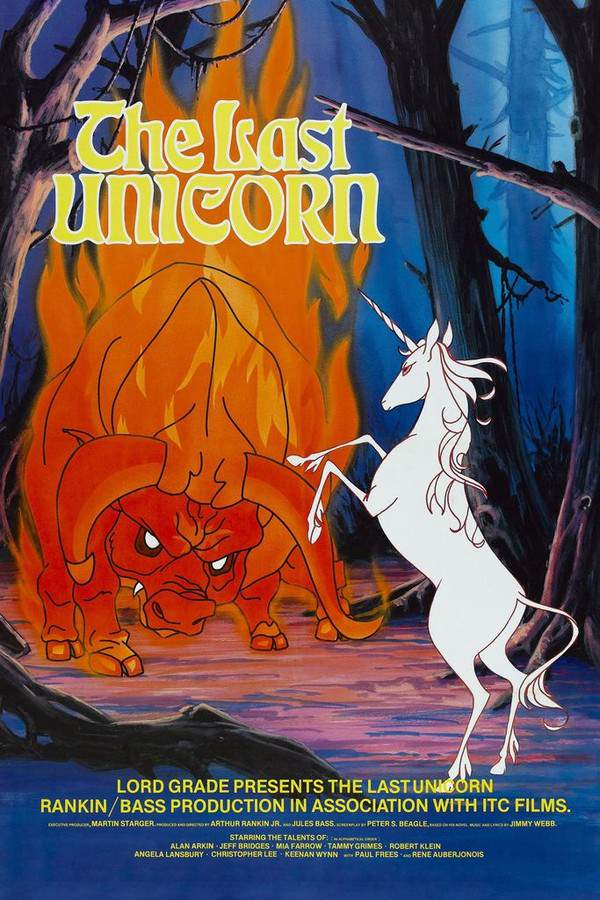
The Last Unicorn
1982
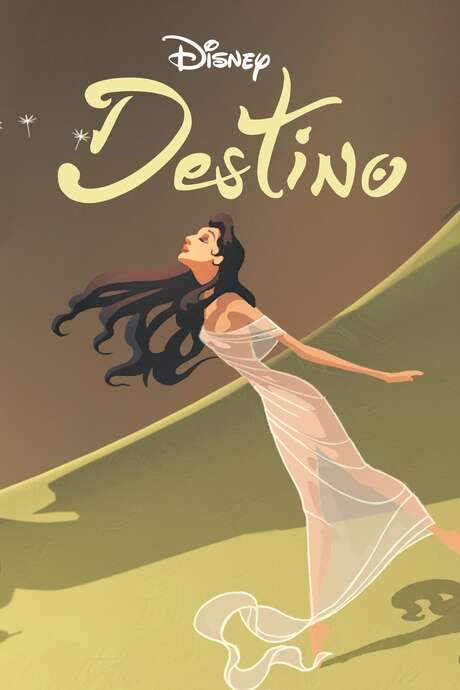
Destino
2003
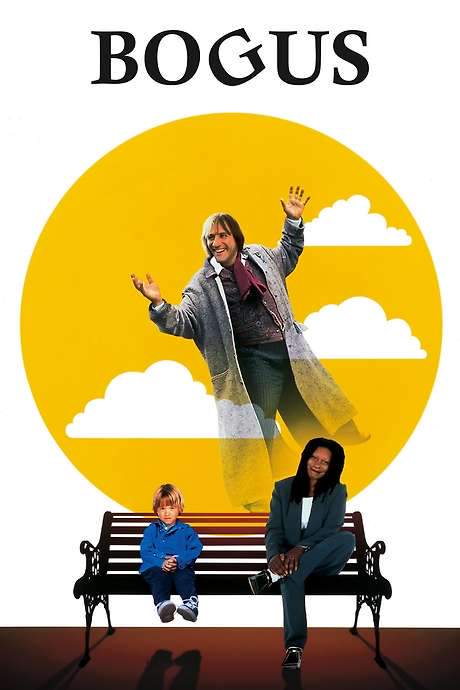
Bogus
1996
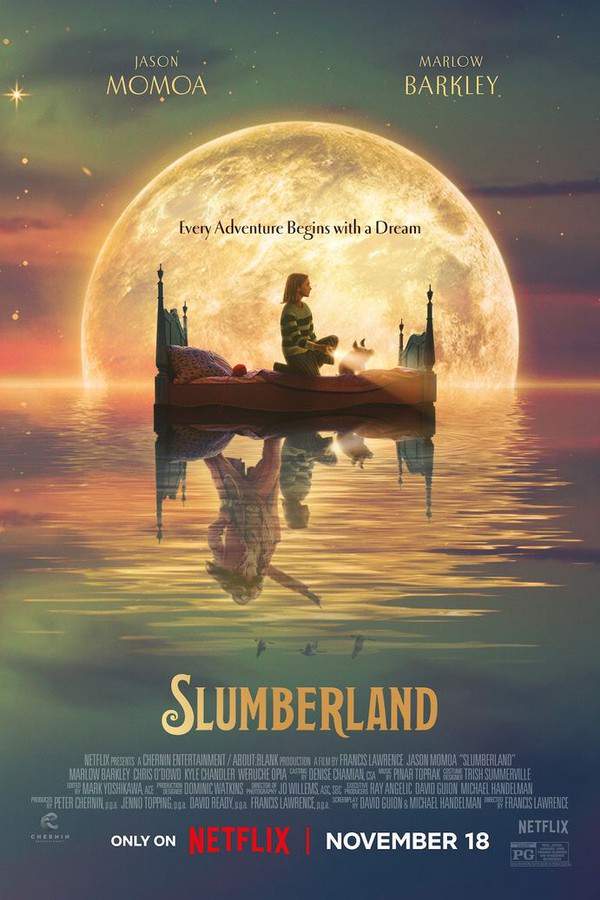
Slumberland
2022
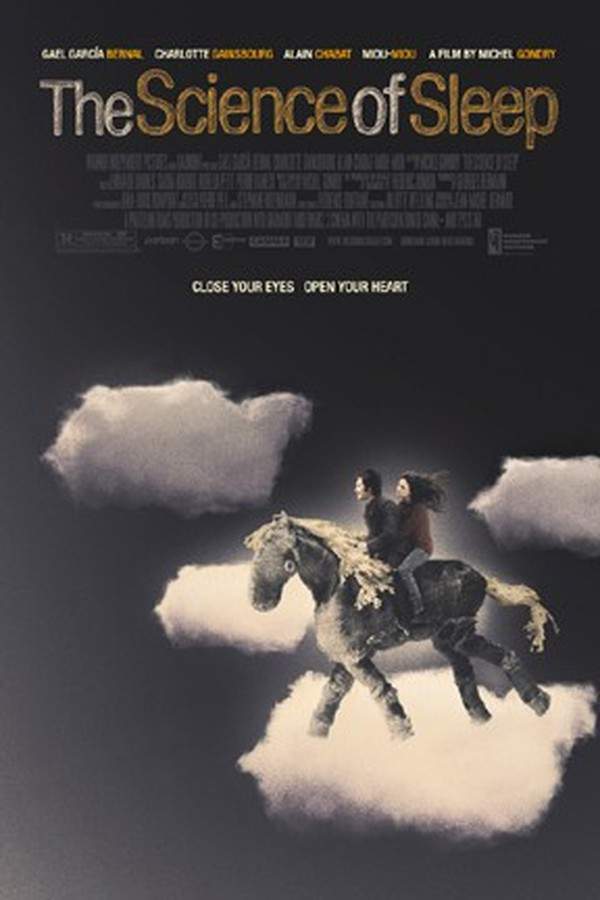
The Science of Sleep
2006
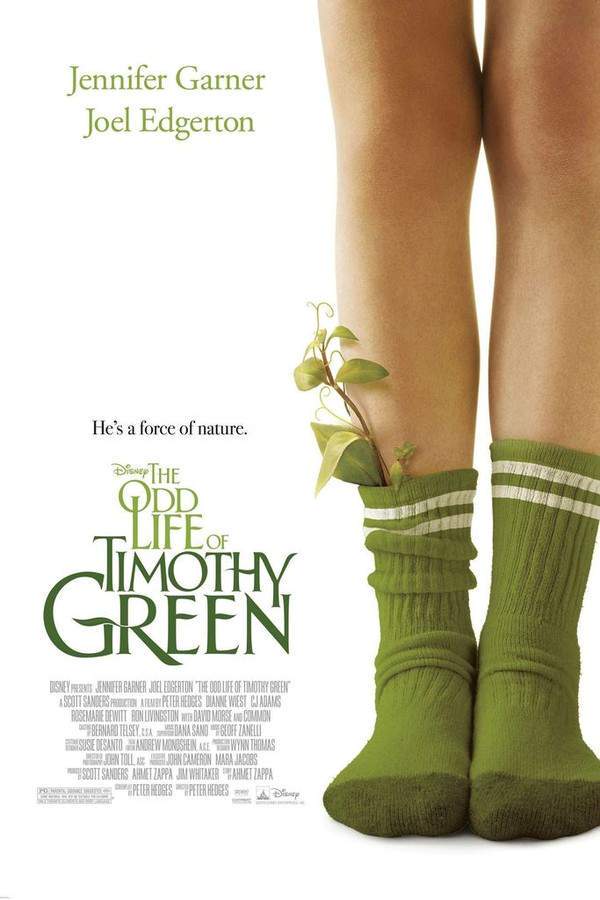
The Odd Life of Timothy Green
2012

The Mermaid
2016
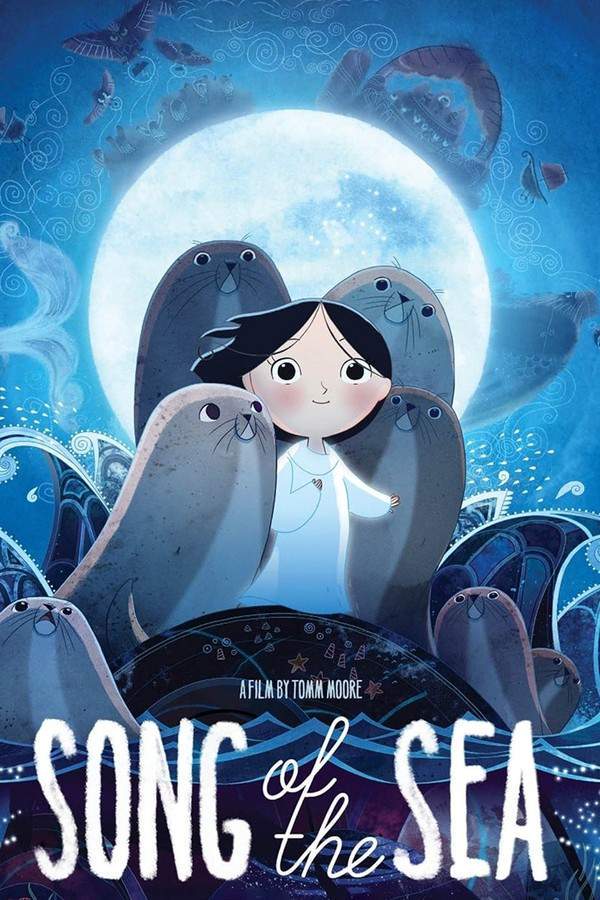
Song of the Sea
2014
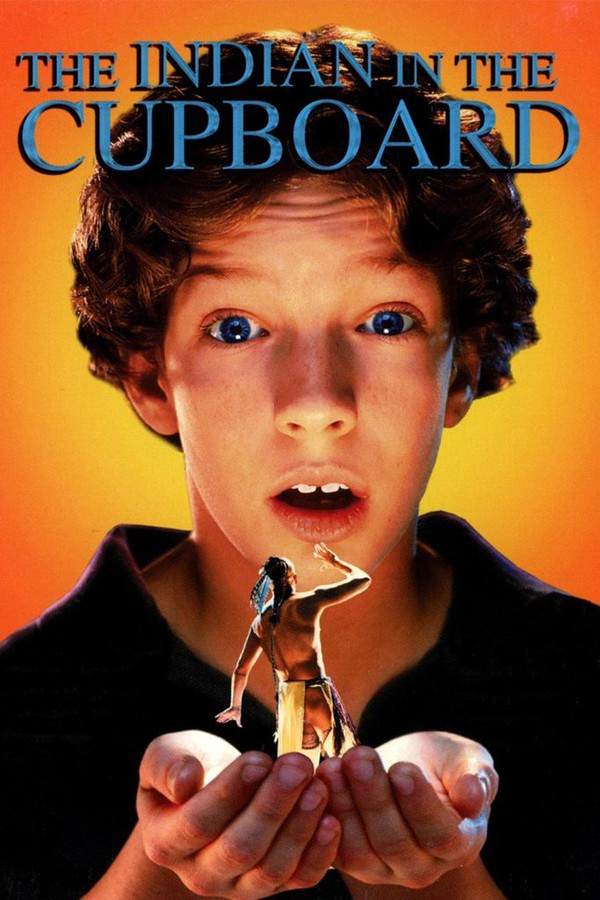
The Indian in the Cupboard
1995
Big Fish
2003
Strawberry Mansion
2022
Narrative Summary
Stories in this thread typically follow a young protagonist who retreats into a vivid, fantastical world to cope with real-world emotional struggles. The external adventure allegorically mirrors their internal conflict, leading to a climax where they must reconcile the chaos of their imagination with the complexities of reality, often resulting in a quiet return home that is understanding but not entirely healed.
Why These Movies?
These movies are grouped together because they share a unique tonal blend of whimsy and melancholy, a focus on a child's perspective, and a narrative structure where fantasy serves as emotional processing. They create a specific, poignant vibe that is both magical and deeply personal.
Allegorical stories about emotional growth like Where the Wild Things Are
External adventures that mirror a character's internal struggles with anger and belonging. Find movies similar to Where the Wild Things Are that use fantasy adventures as metaphors for inner turmoil. If you enjoyed how Max's island represented his feelings about anger and family, these films feature protagonists on symbolic quests that lead to self-understanding and emotional maturity.
A Big Bold Beautiful Journey
2025

Along Unknown Paths
1982

The Flight of Dragons
1982
The NeverEnding Story
1984
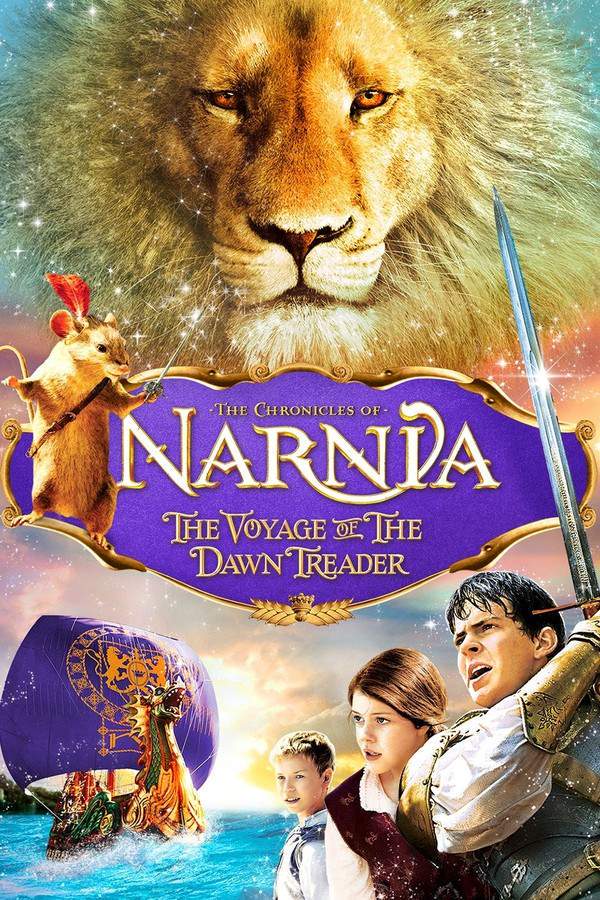
The Chronicles of Narnia: The Voyage of the Dawn Treader
2010

Princess Arete
2001

Tales from Earthsea
2010

Tales from Earthsea
2006
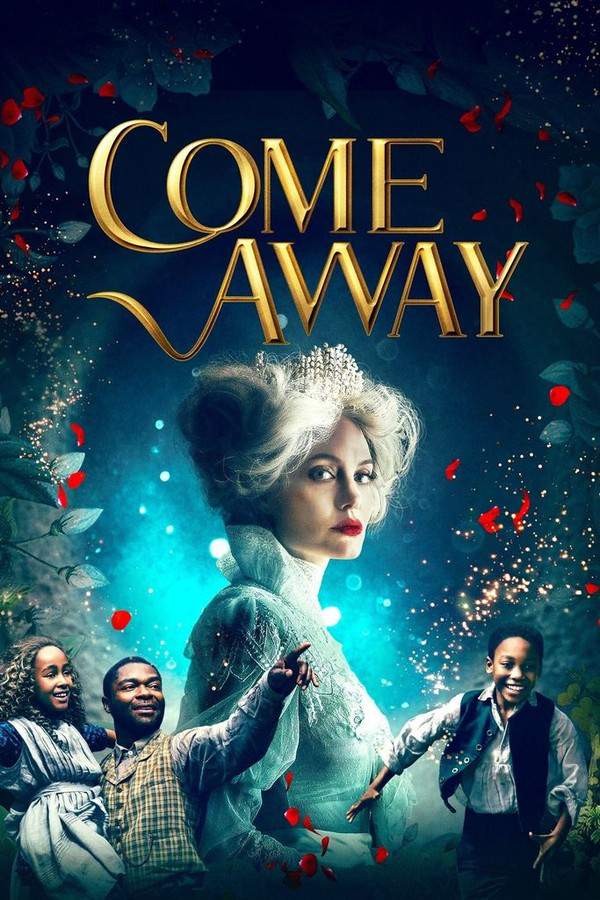
Come Away
2020
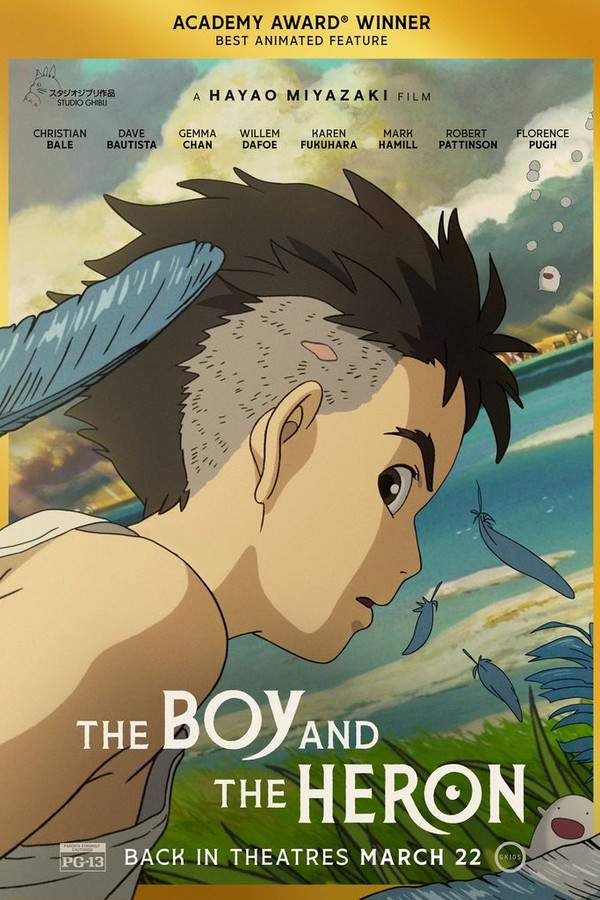
The Boy and the Heron
2023
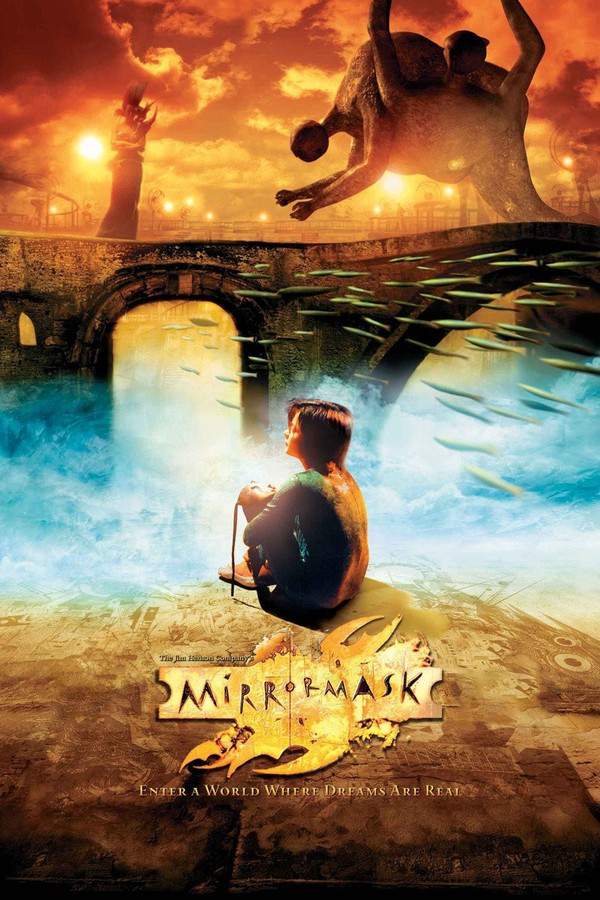
MirrorMask
2005
Son of the White Mare
1983
The NeverEnding Story II: The Next Chapter
1991

Road, Movie
2010
The Dust Factory
2004
Narrative Summary
The narrative pattern involves a character, often struggling with difficult emotions, entering a world that operates by symbolic or emotional rules. Their interactions with this world—becoming a leader, facing monsters, or navigating chaos—force them to confront the very issues they were escaping. The resolution comes not from conquering the external world, but from achieving a new understanding of themselves.
Why These Movies?
These films are connected by their use of allegory as a primary narrative device. They share a moderate complexity where the surface-level plot has a deeper, psychological meaning, creating a rewarding experience for viewers who appreciate stories about internal conflict made external.
Unlock the Full Story of Where the Wild Things Are
Don't stop at just watching - explore Where the Wild Things Are in full detail. From the complete plot summary and scene-by-scene timeline to character breakdowns, thematic analysis, and a deep dive into the ending - every page helps you truly understand what Where the Wild Things Are is all about. Plus, discover what's next after the movie.
Where the Wild Things Are Summary
Read a complete plot summary of Where the Wild Things Are, including all key story points, character arcs, and turning points. This in-depth recap is ideal for understanding the narrative structure or reviewing what happened in the movie.

Characters, Settings & Themes in Where the Wild Things Are
Discover the characters, locations, and core themes that shape Where the Wild Things Are. Get insights into symbolic elements, setting significance, and deeper narrative meaning - ideal for thematic analysis and movie breakdowns.


