Plot Explained Spoilers guaranteed!
Plot Explained

Browse by genre

What’s So Bad About Feeling Good? (1968) movie poster

Timeline

What’s So Bad About Feeling Good? (1968) Timeline Explained – Every Event in Order

Release, runtime and language
1968 · 94 mins · English
Directed by
George Seaton
Starring
Dom DeLuise, Thelma Ritter, Morty Gunty, Cleavon Little, George Peppard, George Furth

A new infection that simply makes people feel happy is treated as a threat by the authorities while its “victims” work to spread it to others.

On this page (6)
  1. 1 Where to watch
  2. 2 Events in order (13)
  3. 3 Timeline questions answered
  4. 4 Movie threads
  5. 5 Movies like What’s So Bad About Feeling Good?
  6. 6 Every angle

Where to watch

Where to Watch What’s So Bad About Feeling Good? (1968)

Where can you watch What’s So Bad About Feeling Good?? Stream, rent or buy it in the US, including on Amazon Video, Apple TV Store and Fandango At Home: current JustWatch availability with up-to-date prices.

Streaming availability powered by JustWatch

13 events in order · contains spoilers

What’s So Bad About Feeling Good? Timeline: Events in Chronological Order

Every key event of What’s So Bad About Feeling Good? (1968) in order, scene by scene, with when and where it takes place. Use it to untangle flashbacks, time jumps and parallel storylines, to refresh your memory before the sequel or to find the exact scene you are thinking of.

  1. Pete's Beatnik-Bohemian life in a NYC loft

    Pete lives in a Beatnik–Bohemian commune in a New York City loft, his cynicism and misanthropy fading into a kind of detached artistry. The group appears aimless and melancholy as they wait for the world to end, with one resident living in a burlap sack. The loft setting establishes the mood for his eventual transformation.

    Where
    New York City loft
  2. A wayward toucan arrives

    A toucan arrives, stowed away on a Greek banana boat, carrying a contagious virus. The virus triggers intense feelings of happiness and kindness in those it infects. The residents notice a sudden, infectious giddiness in the air around them.

    Where
    Loft, New York
  3. Pete catches the virus and gains purpose

    Pete is first swept up by the euphoric effects, discovering a new sense of purpose that clashes with his former cynicism. Liz, his girlfriend, is alarmed by his abrupt change but remains physically close to him. The mood in the loft shifts as Pete begins to embrace a more hopeful outlook.

    Where
    Loft, New York
  4. Pete plans to infect others via a disguise

    Pete decides to spread the virus by posing as the nihilist German philosopher leader of a doomsday cult, using close contact to propagate the contagion. He convinces Liz to let him kiss her as part of his ruse. The scheme unravels when his true identity is revealed during the interaction.

    Where
    Loft
  5. Amigo the toucan becomes a symbol of the outbreak

    The group keeps the toucan and nicknames it Amigo, embracing the outbreak and disguising themselves to spread the virus across New York City. Liz remains physically immune, yet she experiences the kindness radiating from those around her and begins to respond in kind. The city starts to feel unusually gentle as more people are touched by the mood shift.

    Where
    New York City
  6. Pete returns to advertising with a twist

    Pete resumes his job as an advertising executive, insisting that ads be honest. He is initially fired for this stance, but is later rehired when the other executives fall under the virus's spell. The corporate world buckles under the changing social mood as the citywide happiness spreads.

    Where
    Advertising agency, New York
  7. Economic and political stakes rise

    Authorities realize the virus threatens the economic lifeblood of New York, as people stop buying alcohol, tobacco, and drugs and the stock market teeters. The city divides between the cured and the still-infected, creating tension beyond personal happiness. The outbreak becomes a national concern for its economic consequences.

    Where
    New York City
  8. J. Gardner Monroe arrives in a space helmet

    J. Gardner Monroe is dispatched by the government to stop the outbreak, arriving in a space helmet as a dramatic symbol of intervention. Several attempts to contain the virus follow, culminating in the interception of the toucan. His arrival marks a turning point toward finding a cure.

    Where
    New York City
  9. A cure is found and distributed

    The toucan is captured, and a cure is discovered. The vaccine is dispersed through gasoline and industrial exhaust fumes to reach the wider city population. Those cured revert to their former nasty manners, while the immune remain kind even after the outbreak ends.

    Where
    New York City
  10. Pete is cured and returns to the loft

    Pete returns to the loft as a cured man, insisting that advertising be honest. The dynamic with Liz shifts as she longs for the sharper edge of the earlier illness. Their relationship adapts in the wake of the citywide changes.

    Where
    Loft, New York
  11. Liz seeks a new life and bids farewell to Amigo

    Liz declares she can no longer live in such a world and plans to return to her hometown, visiting a zoo to say goodbye to Amigo the toucan. Pete shows up, still pursuing a lasting connection, while the bird remains a symbol of the outbreak’s impact. The scene underscores how the virus altered their perspectives on life.

    Where
    Zoo
  12. The pregnancy ruse: hiding Amigo in Liz's dress

    During a chaotic pursuit of the bird, they hide Amigo in Liz's dress and pretend she is pregnant to smuggle him away. The ruse is complicated when 'nice' police escort them to a hospital to give birth. The moment tests their loyalty and their ingenuity in protecting Amigo.

    Where
    Hospital
  13. Escape and reunion at the zoo

    Pete and Liz recapture the toucan and manage a final escape from the zoo, reuniting in a shared sense of purpose. The bird’s fate remains a central symbol in their renewed partnership. The ending hints at a return to normal life, now colored by the lessons of the outbreak.

    Where
    Zoo

Last updated: October 09, 2025 at 14:10

Was this helpful?

Timeline questions answered

What’s So Bad About Feeling Good? Timeline Explained: Your Questions Answered

When does it happen, and why in that order? The questions people ask about the chronology of What’s So Bad About Feeling Good? (1968): time jumps, flashbacks, cause and effect between scenes and the correct order of events, each answered with spoilers.

Q1

Why does the government treat the happiness virus as a threat?

The authorities view the virus as an economic threat to New York City. Once infected, people stop buying alcohol, tobacco, and drugs, and the stock market becomes unstable. Government leaders conclude that the outbreak threatens the city's economic lifeblood, prompting them to intervene and find a cure.

Foreshadowing: Earlier scenes show the commune's aimless, melancholy lifestyle contrasting with the consumerism that the virus ultimately disrupts.

  • government threat
  • economic impact
  • virus outbreak
  • authorities
Q2

Why does Liz remain immune to the happiness virus?

Liz appears to be physically immune to the virus, though the reason is never explicitly explained in the film. Despite her immunity, she is still affected by the warmth and kindness of those around her, which draws her toward kinder behavior even without being infected.

Foreshadowing: Her initial horror at Pete's sudden change suggests she recognizes something is different about her relationship to the virus.

  • Liz immunity
  • virus transmission
  • physical immunity
Q3

Why does Liz say she preferred Pete when he was sick?

Liz tells Pete she cannot live with constant "niceness" and admits she preferred him when he was "sick" because his sharper, more cynical edge made him more interesting to her. The constant positivity lacks the edge and complexity she valued in their relationship, making the overly pleasant atmosphere feel unsustainable.

Foreshadowing: Her initial horror at Pete's transformation and her resistance to the virus's effects foreshadow her ultimate preference for the pre-infection Pete.

  • Liz feelings
  • Pete personality change
  • relationship dynamics
Q4

How is the cure for the happiness virus distributed?

Once the toucan is captured and a cure is developed, it is dispersed through gasoline and industrial exhaust fumes across New York City. This method allows the cure to reach the general population efficiently, causing those who were infected to revert to their previous, gruffer selves.

Foreshadowing: The earlier scenes establishing the virus as airborne set up the logic of an airborne cure distribution.

  • cure distribution
  • vaccine
  • industrial fumes
  • citywide treatment
Q5

Why does Pete disguise himself as a German philosopher to spread the virus?

Pete adopts the disguise of a nihilist German philosopher who is the leader of a doomsday cult popular in the commune. He uses this persona to get close to people for facial contact, believing the virus spreads through close contact. The disguise helps him gain trust within the cult community to propagate the contagion.

Foreshadowing: The commune's doom-and-gloom atmosphere and the mention of their leader earlier set up this deception plan.

  • Pete disguise
  • doomsday cult
  • virus spread method
  • deception
Q6

Why does Pete return to his advertising job?

After being infected, Pete returns to his advertising job with a new insistence that all ads be honest. He is initially fired for this stance, but when the virus spreads to his coworkers and they also adopt more ethical perspectives, the company recognizes his vision as effective and rehires him with a raise.

Foreshadowing: The opening establishes Pete as a former advertising executive, making his return to the industry a natural arc completion.

  • advertising job
  • honest ads
  • Pete career
  • corporate change
Q7

Why do Pete and Liz pretend Liz is pregnant at the hospital?

When authorities close in on the toucan, Pete and Liz hide Amigo in Liz's dress to smuggle him away. As "nice" police pursue them, they pretend Liz is pregnant to explain their urgency. The ruse backfires when the police take them to a hospital to actually deliver the baby, complicating their escape.

Foreshadowing: This scheme echoes their earlier disguise tactics, showing their growing desperation to protect Amigo.

  • pregnancy ruse
  • hospital escape
  • toucan rescue
  • police chase
Q8

What happens to the toucan Amigo at the end?

At the end, Amigo is caged at a zoo after being captured. Liz visits to say goodbye, but Pete arrives and the bird escapes its cage. Liz pretends to be pregnant again to retrieve Amigo, and together they escape from the zoo, presumably continuing their mission to spread happiness.

Foreshadowing: The toucan's capture earlier in the film sets up the stakes for this rescue scene.

  • Amigo toucan
  • zoo escape
  • bird rescue
  • final scene
Q9

Why does Pete shave his beard and propose to Liz after getting infected?

When Pete is infected by the happiness virus, he experiences a complete personality shift. His cynicism and misanthropy dissolve, replaced by joy and optimism. This sudden transformation leads him to abandon his Beatnik persona, shaving his beard, and embrace conventional life, including proposing marriage to Liz.

Foreshadowing: The opening establishes Pete's cynical, Beaturday persona as the baseline that the virus will fundamentally change.

  • Pete transformation
  • beard
  • marriage proposal
  • personality change
Q10

Why does J. Gardner Monroe arrive in a space helmet?

J. Gardner Monroe is dispatched by the government to supervise the intervention against the happiness outbreak. He arrives wearing a space helmet as a dramatic, symbolic gesture meant to project authority and scientific control over the situation. The helmet visually distinguishes him as an official sent from higher authorities.

Foreshadowing: The escalating economic threat sets the stage for government intervention and the arrival of this eccentric official.

  • J. Gardner Monroe
  • government official
  • space helmet
  • intervention

Movie threads

More Movies Like What’s So Bad About Feeling Good?, by Mood & Story

Curated lists built around what makes What’s So Bad About Feeling Good? tick: the same mood, the same kind of story or the same emotional payoff. Each list explains why these movies belong together.

Movies about whimsical rebellions like What’s So Bad About Feeling Good?

Cheerful underdogs challenge a cynical system with infectious optimism. If you enjoyed the playful satire and feel-good rebellion in What’s So Bad About Feeling Good?, this list features movies with similar upbeat, quirky characters challenging a cynical society. Discover comedies and light dramas where optimism and joy triumph over conformity.

  • quirky
  • satirical
  • feel-good
  • playful
  • optimistic
  • charming
  • Tone: whimsical, playful, optimistic
  • Pacing: steady, event-driven
Why these movies?

The story pattern: Stories in this thread typically follow a group of optimistic outsiders or individualists who discover a novel way to disrupt the status quo. The conflict is not one of violence, but of philosophies, as the establishment tries to crush the spreading wave of happiness or freedom. The journey is one of persistent, cheerful resistance leading to a hopeful, uplifting conclusion.

Why they belong together: These movies are grouped together because they share a core combination of a whimsical tone, a satirical look at social norms, and a narrative centered on a peaceful, optimistic revolution. They offer an experience that is intellectually playful yet emotionally light and ultimately affirming.

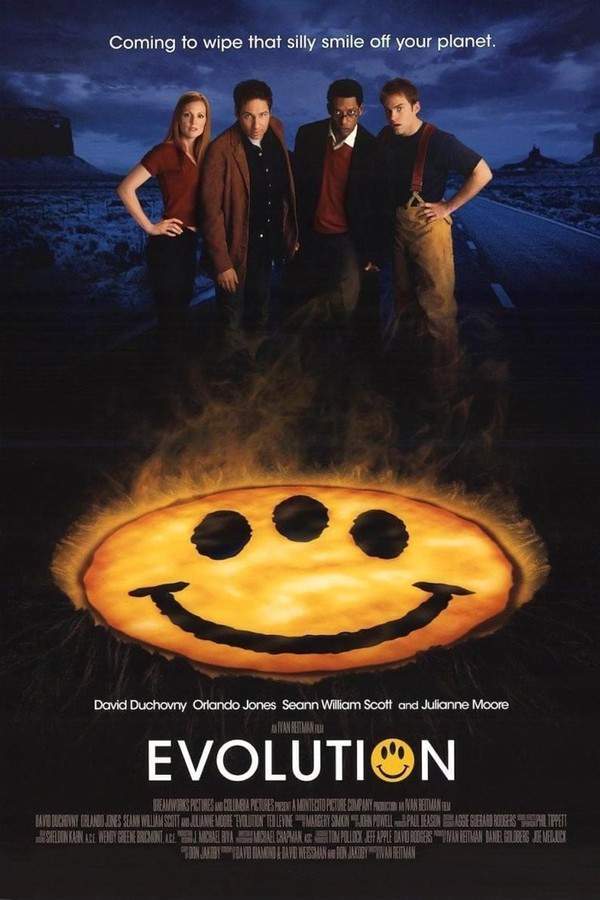
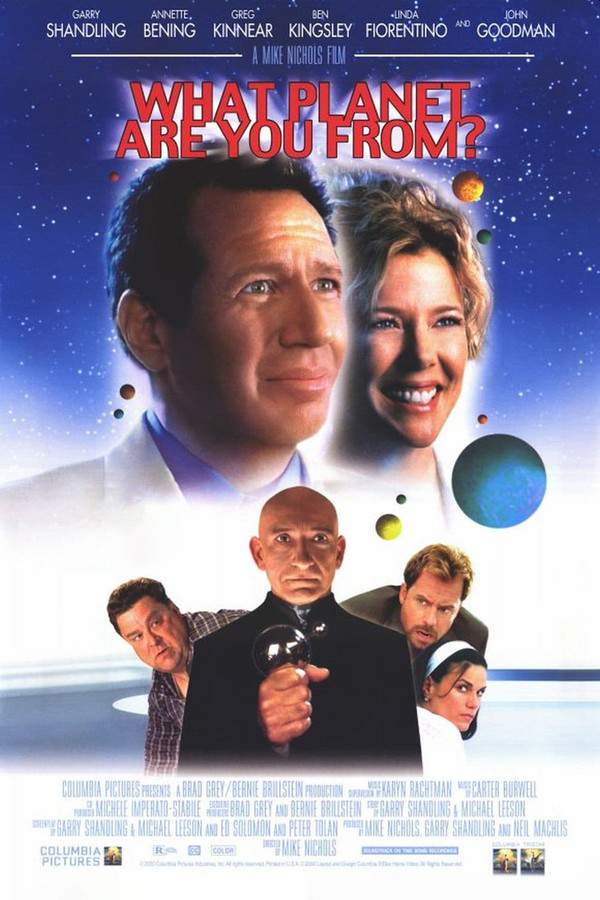
Movies about utopian plagues and infectious happiness like What’s So Bad About Feeling Good?

A bizarre phenomenon spreads benevolence, forcing society to confront its own misery. Fans of What’s So Bad About Feeling Good? will enjoy these films about bizarre, benevolent phenomena that spread like a plague. Explore stories where infectious happiness or idealism challenges a fearful establishment, blending sci-fi or fantasy concepts with social satire.

  • utopian
  • satirical
  • quirky
  • thought-provoking
  • optimistic
  • benevolent
  • Tone: satirical, hopeful, quirky
  • Pacing: steady
Why these movies?

The story pattern: The narrative pattern involves the introduction of a force—a virus, a substance, an idea—that compels people to be happier, kinder, or more peaceful. The plot unfolds as the 'infection' spreads, leading to a clash between the newly transformed 'victims' and a power structure that sees the loss of control, ambition, or fear as a catastrophic threat. The story explores the irony of a 'cure' being worse than the 'disease' of happiness.

Why they belong together: These films are connected by their unique premise of a positive 'outbreak' and the satirical conflict it generates. They explore similar themes of social control, the nature of happiness, and the fear of change, all through a lens that is more fanciful than frightening.

If you liked this

Movies Like What’s So Bad About Feeling Good?

Similar movies to What’s So Bad About Feeling Good?: the same genre, themes or kind of story. Each one comes with its own plot summary, timeline and ending explained.

Browse all movie summaries

Every angle

What’s So Bad About Feeling Good? (1968) Explained: Plot, Timeline & Characters

Everything about What’s So Bad About Feeling Good? in one place: what happens in the plot summary, the timeline in chronological order, the characters and meaning and a spoiler-free summary. What's After the Movie adds the cast, box office and post-credit scenes.

Coming soon on iOS and Android

The Plot Explained Movie Summary App

Plot summaries, endings explained and timelines on your phone. Catch up on any movie in minutes, save your favorites and never miss a twist again.

Be the first to know when we launch. Your email stays private, always.

Learn more about the app