
War Chod Na Yaar

War Chhod Na Yaar is India’s first war comedy movie, set on the backdrop of India-Pakistan war.
Where to Watch War Chod Na Yaar?
Find where to stream, rent, or buy War Chod Na Yaar (2013) in the US with current JustWatch availability, up-to-date pricing, and platform listings for subscription, rental, and digital purchase options.

Streaming availability powered by 
Warning: spoilers below!
Haven’t seen War Chod Na Yaar yet? This summary contains major spoilers. Bookmark the page, watch the movie, and come back for the full breakdown. If you're ready, scroll on and relive the story!
Timeline – War Chod Na Yaar (2013)
Trace every key event in War Chod Na Yaar (2013) with our detailed, chronological timeline. Perfect for unpacking nonlinear stories, spotting hidden connections, and understanding how each scene builds toward the film’s climax. Whether you're revisiting or decoding for the first time, this timeline gives you the full picture.
Last updated: December 18, 2025 at 13:19
War Chod Na Yaar (2013) Timeline Questions Answered – Chronology FAQ
Find frequently asked questions about the War Chod Na Yaar (2013) timeline, including chronological order, nonlinear jumps, cause-and-effect links, and scene sequence clarifications. This timeline FAQ helps explain when key events happen, how moments connect, and why the story unfolds in that specific order.
Why do Captain Rana and Captain Qureshi communicate secretly across the border?
Rana and Qureshi maintain a discreet nighttime back-channel to prevent unnecessary bloodshed. Despite being enemies, they recognize that their personal rapport helps keep tensions low at the outpost. Their secret meetings allow them to coordinate without official orders, essentially creating a informal peace mechanism that keeps the border relatively calm while their governments prepare for potential conflict.
Their early scenes of sharing cards and light banter establish the friendship that becomes crucial to stopping the war later.
Why does Rana use drug-laced chocolates against the Ghuspetias?
Rana devised this clever tactic as a non-lethal way to neutralize armed infiltrators attempting to cross into Indian territory. The soldiers disguise themselves as goatherds, slip the drugged chocolates into the intruders' pockets, and when the attackers fall unconscious, their weapons are seized. This allows Rana's troops to control the border without triggering full-scale combat, maintaining the delicate status quo.
This same ruse is later used on a Pakistani soldier disguised as a goat herder, showing how both sides use similar tactics.
What is Rut Dutta's mission at the border?
The Indian Defense Minister sends Rut, a television journalist, to document a patriotic video to be aired only after war begins. She learns that Pakistan plans to declare war within 48 hours and that China has pledged to launch a nuclear strike on Delhi if hostilities start. Her assignment turns her into a pivotal figure who can shape public opinion through her reporting.
Rut's skills as a national skeet shooting champion quickly earn her respect from the troops, establishing her as more than just a journalist.
What is China's role in the looming India-Pakistan war?
China promises Pakistan full military support and pledges to detonate a nuclear bomb over Delhi once Pakistan initiates hostilities. This nuclear threat creates an additional layer of stakes, making the conflict not just a border dispute but a potential international crisis. The Chinese government communicates this directly to Pakistan's Defense Minister, strengthening Pakistan's confidence in attacking.
China's warning that India knowing about the attack could trigger early nuclear action becomes a plot point during the escalation.
Why do Rana and Qureshi hold an Antakshari competition?
The Antakshari duel is a playful morale-boosting contest staged over loudspeakers to win Rut's favor amid the looming war threat. Both captains trade friendly insults and sing Bollywood songs, with Rut ultimately winning for India by ending with a victorious "Y" sound. This light-hearted moment provides comic relief while also highlighting the rivalry between the two officers over the journalist.
The competition establishes the growing romantic tension as both captains are drawn to Rut.
Why does Rut decide to return to the border after initially leaving?
After learning that only four hours remain before war and realizing Rana cannot stop the conflict due to protocol, Rut initially decides to return to Delhi. However, at the last moment, she reverses course and heads back to the outpost because she cannot abandon the soldiers in their hour of need. Her sense of duty and commitment to telling the soldiers' stories compels her to stay and document the conflict firsthand.
This decision positions Rut to become the crucial figure who can influence public opinion through her reporting.
How does Rut's live broadcast help stop the war?
Rut broadcasts the war live despite the danger, drawing attention to the reality of the conflict. Her courageous reporting influences public opinion in India, Pakistan, and internationally. The US cancels arms deals with both countries, and China withdraws its nuclear threat due to diplomatic pressure. The footage she captures from the Pakistani camp, showing ordinary soldiers' perspectives, helps push both sides toward a ceasefire.
Rut's presence at the border was initially for a propaganda video, but her role evolves into one of peace advocacy.
How does filming the Pakistani camp help end the fighting?
Rana coordinates with Qureshi to smuggle Rut into the Pakistani camp, where she interviews soldiers and captures their authentic sentiments about the war. This footage, showing the human side of the enemy soldiers, is broadcast and helps change perceptions. The real, personal perspective shifts public opinion and creates pressure on leaders to seek de-escalation.
The secret operation requires cooperation between the two captains, demonstrating how their earlier rapport enables this crucial peace effort.
What triggers the actual start of the war?
The Pakistani General places direct orders for Khan to attack the Indian outpost. China informs Pakistan that India has intelligence about the impending strike, which accelerates the timeline. The attack begins at dawn, with the first bombs crossing the border, shattering the pretense of the staged standoff that Rana and Qureshi had maintained.
Rut's earlier warning that only four hours remained marks the beginning of this inevitable countdown.
What causes China and the US to change their positions on the war?
Rut's live broadcast creates massive public pressure on both India and Pakistan. The US, seeing the negative public sentiment, cancels arms deals with both countries. China, facing international diplomatic pressure and realizing the conflict may not go as planned, withdraws its nuclear threat. This combination of public opinion and diplomatic leverage forces leaders on both sides to seek de-escalation.
The international dynamics were established early through the US selling arms to both sides for profit.

Explore Movie Threads
Discover curated groups of movies connected by mood, themes, and story style. Browse collections built around emotion, atmosphere, and narrative focus to easily find films that match what you feel like watching right now.
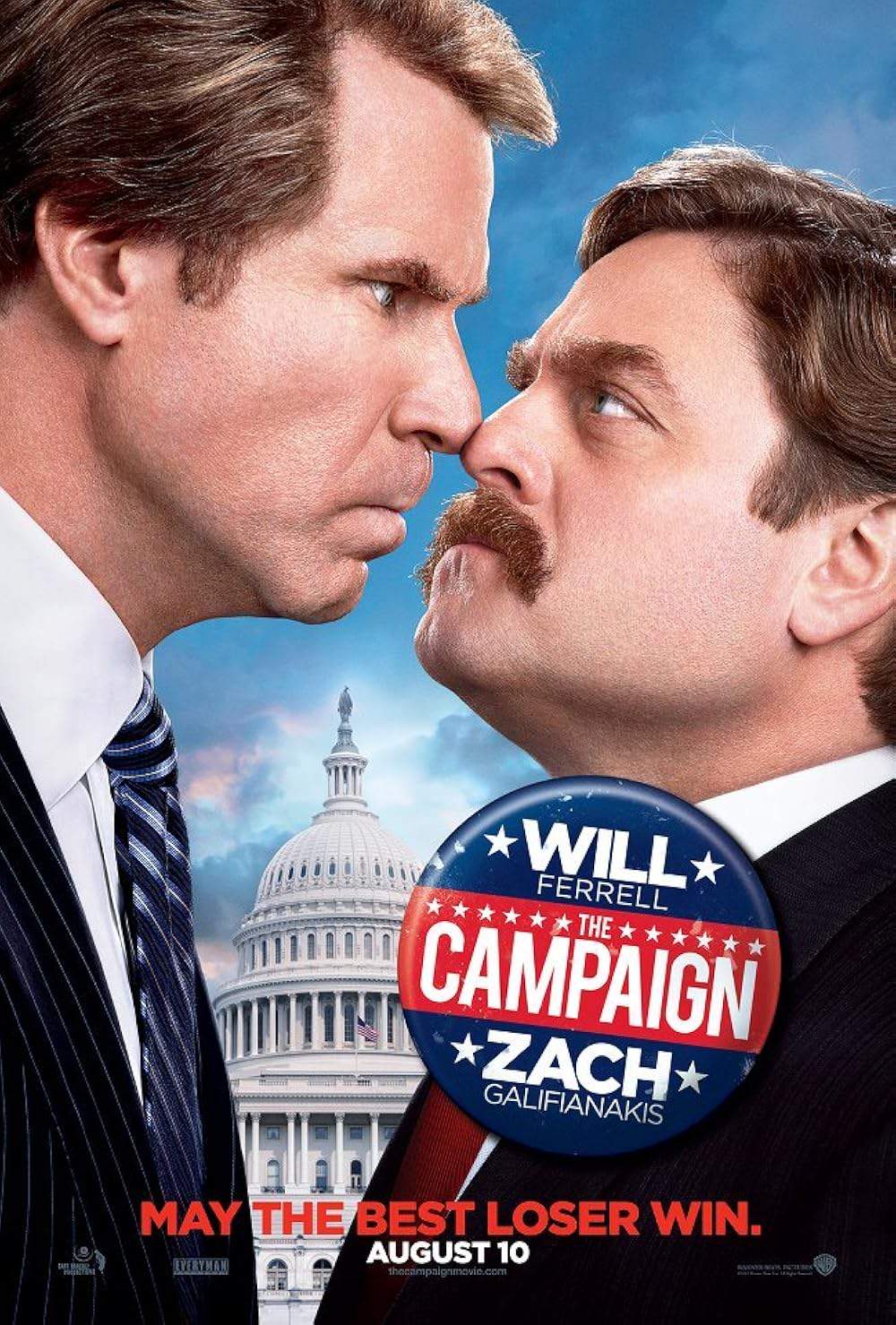
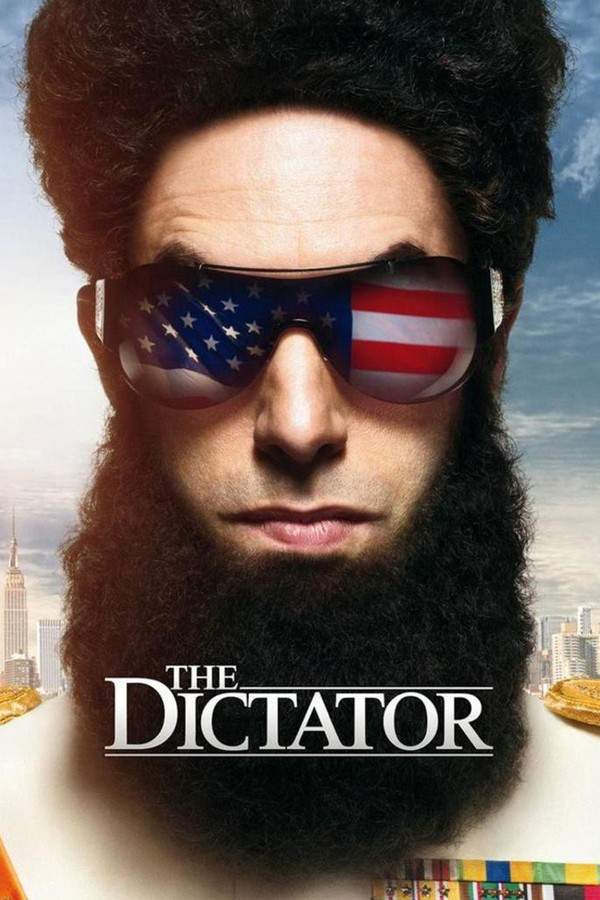
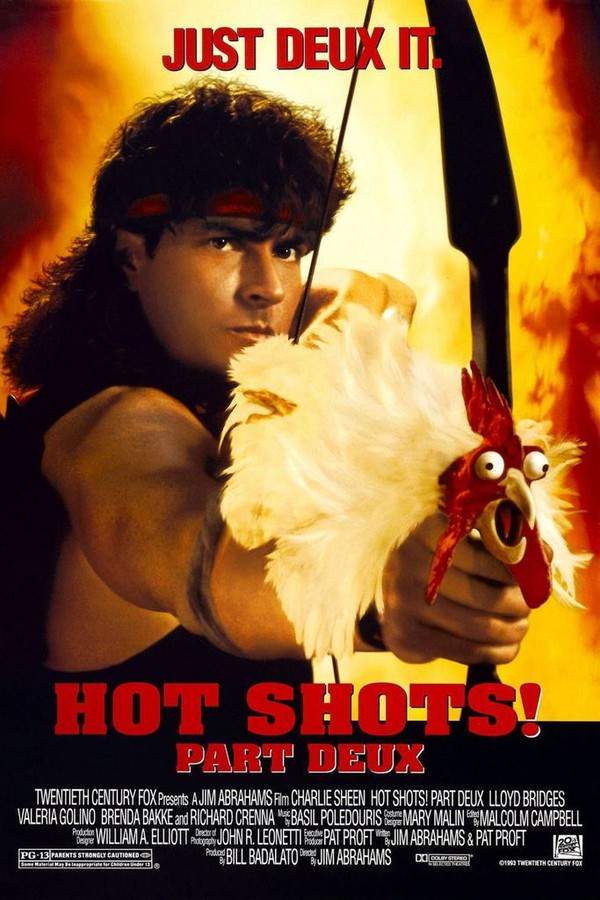
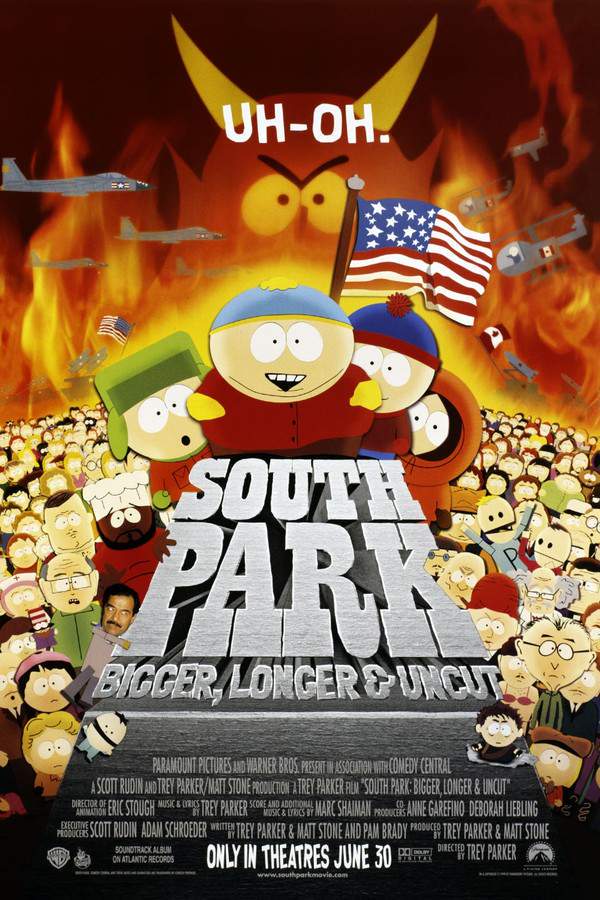
Satirical War Comedies like War Chod Na Yaar
Stories that use humor to expose the absurdities of political and military systems.For viewers who liked the clever humor in War Chod Na Yaar, this section features movies that similarly use satire to explore political conflict. Find other comedies where friendship and wit triumph over aggression, offering a hopeful and humorous take on serious world issues.
War Chod Na Yaar
2013
The Campaign
2012

Hot Shots! Part Deux
1993

Wake Me When It’s Over
1960

National Lampoon’s The Legend of Awesomest Maximus
2011

Tere Bin Laden Dead or Alive
2016
The Dictator
2012

Weekend Warriors
1986
Hot Shots!
1991
South Park: Bigger Longer & Uncut
1999
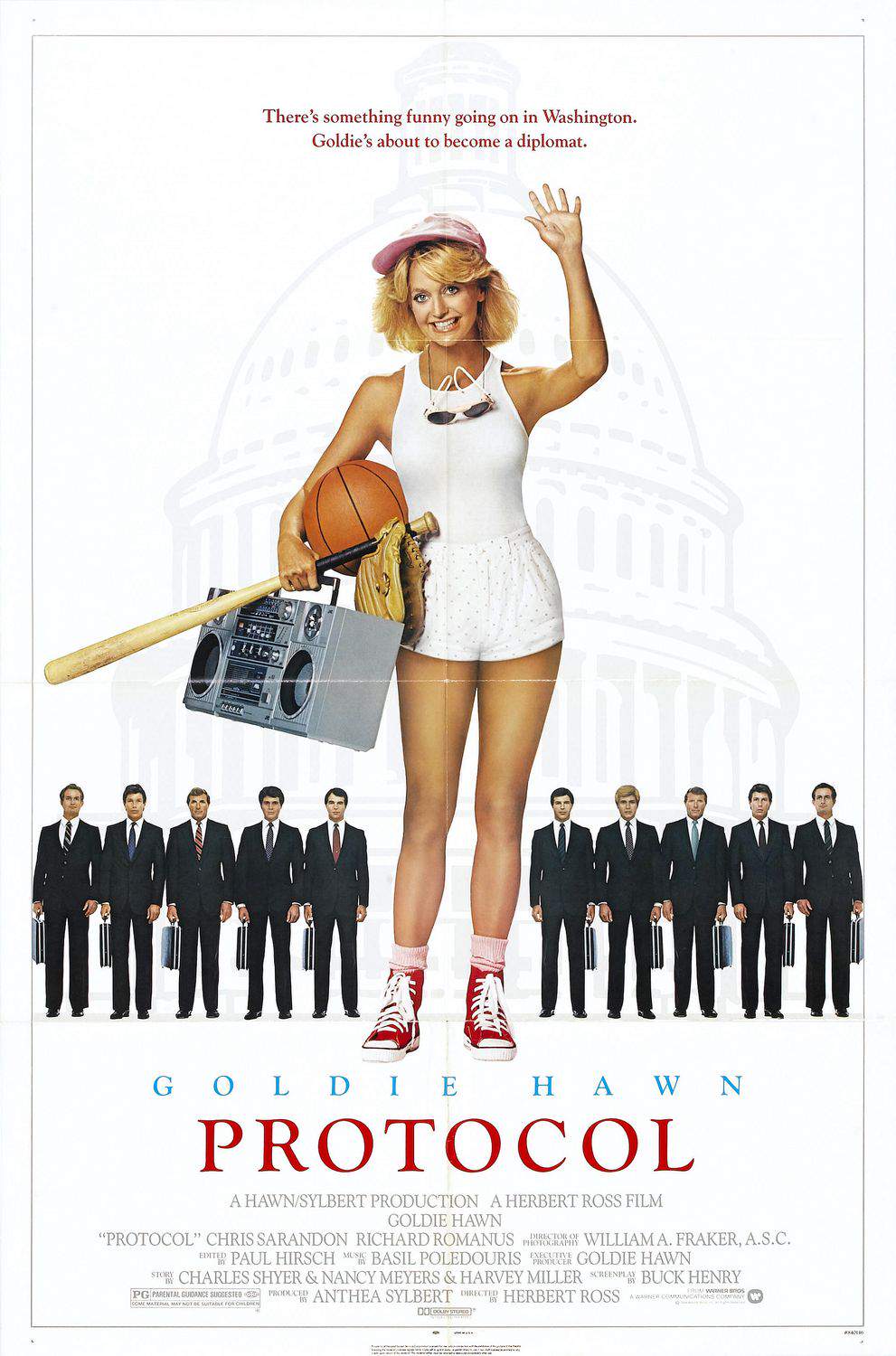
Protocol
1984

Special Correspondents
2016
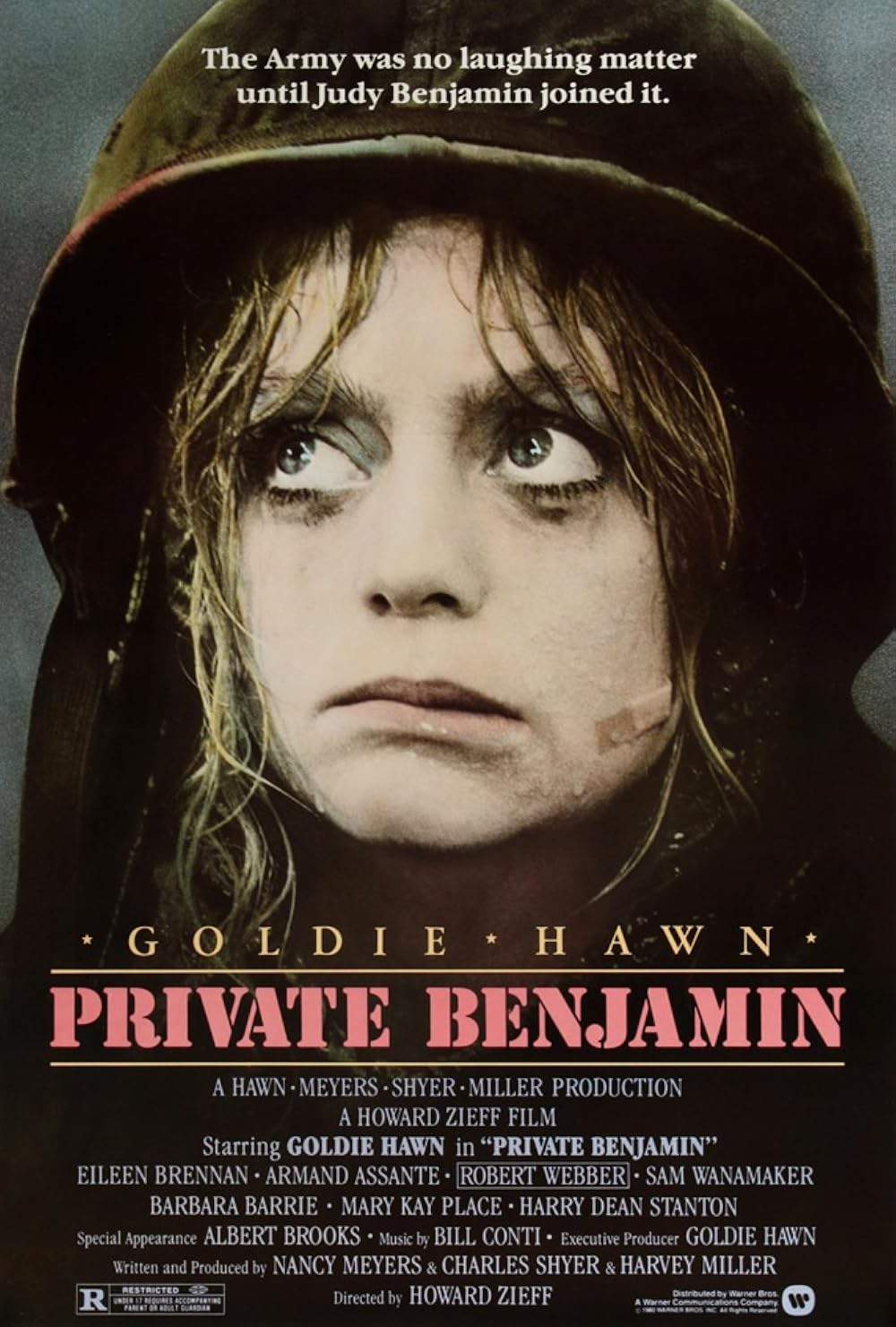
Private Benjamin
1980
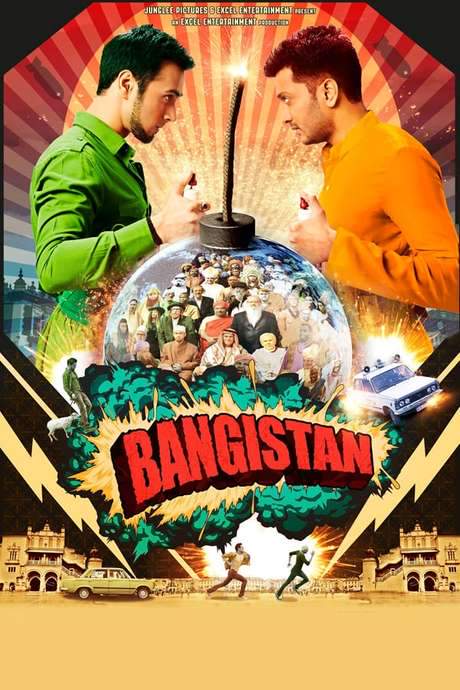
Bangistan
2015

Soldiers Three
1951
Narrative Summary
These narratives often unfold by placing ordinary or relatable characters within an exaggerated, absurd political or military situation. The central conflict is driven by larger systemic foolishness, which the characters navigate and ultimately overcome through cleverness, camaraderie, and a shared sense of humanity, rather than through violence.
Why These Movies?
They are grouped by their unique blend of a serious geopolitical backdrop with a consistently light and humorous execution. The shared experience is one of clever critique and hopeful resolution, where the power of human connection is shown to be greater than the forces of division.
Movies with Clever Solutions like War Chod Na Yaar
Stories where clever, unconventional solutions prevent a major disaster.If you enjoyed how War Chod Na Yaar used Antakshari and chocolates to stop a war, you'll love these movies. Discover stories where characters rely on wit and camaraderie to de-escalate tense situations, offering a lighthearted and satisfying alternative to violent confrontation.

My Best Friend
2007
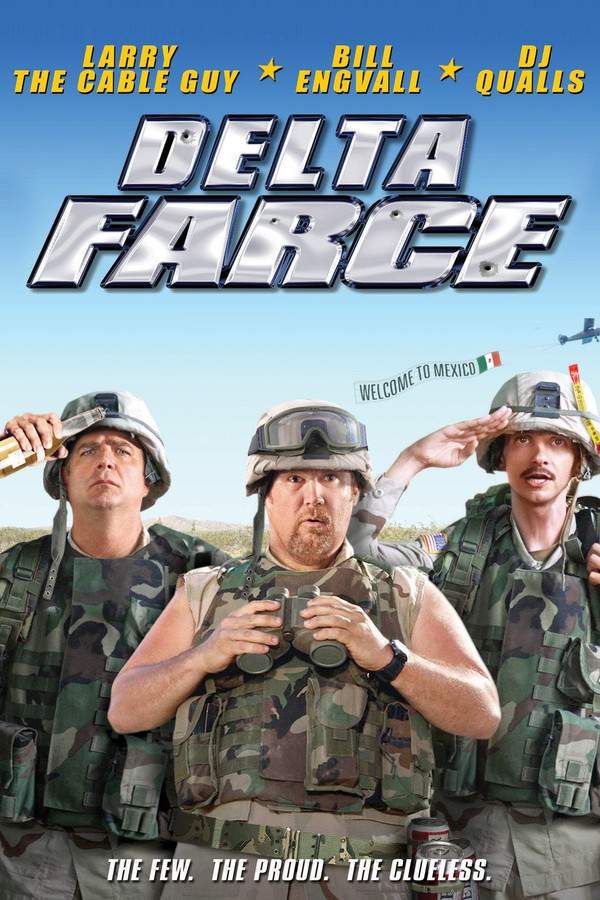
Delta Farce
2007

The Square Peg
1958

Hannibal Brooks
1969

Oh Schucks…! Here Comes UNTAG
1990

A Successful Calamity
1932
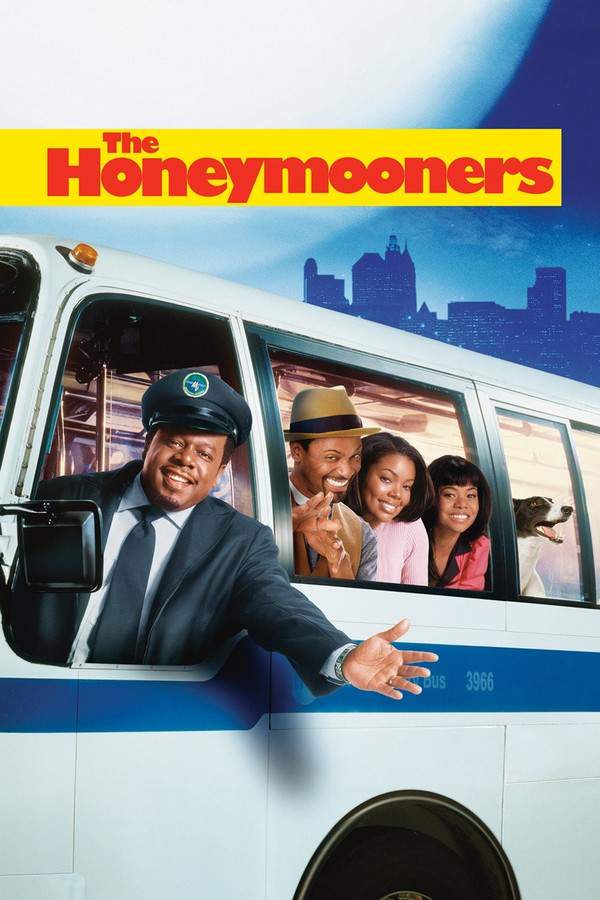
The Honeymooners
2005
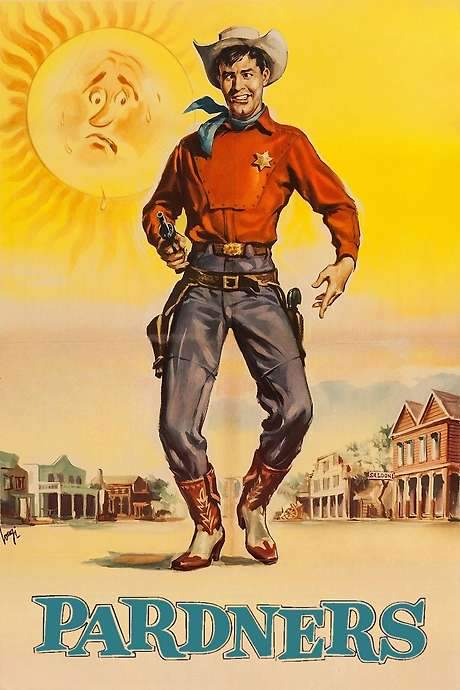
Pardners
1956

3 Ring Circus
1954

The Happiest Days of Your Life
1950

How to Lose Friends & Alienate People
2008

My Best Friend's Wedding
1997

Ricky Stanicky
2024

Please Don’t Destroy: The Treasure of Foggy Mountain
2023

It Happens Every Thursday
1953
Narrative Summary
The plot follows a predictable threat—like a war or a heist—that builds to a climax. However, the resolution subverts expectations: instead of a violent confrontation, the characters employ clever, often humorous tactics that expose the shared humanity between adversaries, leading to a peaceful and uplifting conclusion.
Why These Movies?
They share a core narrative pattern: avoiding disaster through non-violent, intelligent, and character-driven means. The fun is in the creative problem-solving and the emphasis on dialogue and friendship over action, creating a uniquely hopeful and playful viewing experience.
Unlock the Full Story of War Chod Na Yaar
Don't stop at just watching - explore War Chod Na Yaar in full detail. From the complete plot summary and scene-by-scene timeline to character breakdowns, thematic analysis, and a deep dive into the ending - every page helps you truly understand what War Chod Na Yaar is all about. Plus, discover what's next after the movie.
War Chod Na Yaar Summary
Read a complete plot summary of War Chod Na Yaar, including all key story points, character arcs, and turning points. This in-depth recap is ideal for understanding the narrative structure or reviewing what happened in the movie.

Characters, Settings & Themes in War Chod Na Yaar
Discover the characters, locations, and core themes that shape War Chod Na Yaar. Get insights into symbolic elements, setting significance, and deeper narrative meaning - ideal for thematic analysis and movie breakdowns.


