
Wake Up, Ron Burgundy: The Lost Movie
Year: 2004
Runtime: 93 mins
Language: English
The adventure continues as Ron Burgundy’s rivalry with Veronica Corningstone quickly escalates into a chaotic showdown, while a clumsy gang of thieves known as ‘The Alarm Clock’ scramble to reveal a mysterious truth—whatever that truth might be—adding their own brand of mayhem to the mix.
Where to Watch Wake Up, Ron Burgundy: The Lost Movie?
Find where to stream, rent, or buy Wake Up, Ron Burgundy: The Lost Movie (2004) in the US with current JustWatch availability, up-to-date pricing, and platform listings for subscription, rental, and digital purchase options.




Streaming availability powered by 
Warning: spoilers below!
Haven’t seen Wake Up, Ron Burgundy: The Lost Movie yet? This summary contains major spoilers. Bookmark the page, watch the movie, and come back for the full breakdown. If you're ready, scroll on and relive the story!
Wake Up, Ron Burgundy: The Lost Movie (2004) – Full Plot Summary & Ending Explained
Read the complete plot breakdown of Wake Up, Ron Burgundy: The Lost Movie (2004), including all key story events, major twists, and the ending explained in detail. Discover what really happened, and what it all means.
In 1974, Ron Burgundy is a famous anchorman for San Diego’s KVWN Channel 4. His on-air team includes Veronica Corningstone, KVWN’s first female reporter and anchor, and his long-time colleagues: lead field reporter Brian Fantana, sportscaster Champ Kind, and meteorologist Brick Tamland. After the 6 o’clock news, they head to a glitzy TV anchor party, the kind of night that cements old loyalties and stirs up big ambitions.
The next morning, trouble arrives in the form of a bank robbery carried out by members of The Alarm Clock: Mouse and Kanshasha X, alongside Paul Hauser. The group celebrates their third heist, declaring the money is for “the revolution,” yet their aims are hazy and shifting. Hauser is supposed to draft a manifesto explaining the revolution, but nothing concrete materializes. In a fit of frustration, the group pivots toward broadcasting propaganda as their weapon, especially after Burgundy’s public-service spot condemning drugs is misread as an example of such propaganda. The mood among the group hardens into a restless plan to seize television broadcasts for themselves.
That evening, Burgundy gives [Veronica Corningstone] a guided tour of San Diego, pointing out the San Diego Observatory and sharing a budding dream of sending news from that vantage point to the widest possible audience. The next day, Corningstone covers a cat fashion show, and Hauser, camouflaged within the scene, introduces himself to her, probing questions about television broadcasting. He recites an Alarm Clock motto and exits, leaving Corningstone with more questions than answers.
When the Alarm Clock makes their next move, they attempt another bank robbery. The teller challenges their masks, and when Hauser blurts out the same motto, Corningstone recognizes him from security footage and starts connecting the dots. Burgundy, eager to investigate, secures permission to be a field reporter and—carefully—uses the information Corningstone gathered about Hauser. With the address she uncovered, Burgundy and his team try to interview Hauser. He denies involvement at first, but an alarm draws out the truth, and he bolts, stealing the team’s van.
The fallout is swift: Burgundy is fired from KVWN, and Corningstone rises to lead the main broadcast. Burgundy seeks counsel from his mentor, Jess Moondragon, reiterating his dream of broadcasting from the observatory and reaching mass audiences with the right story at the right height.
Corningstone is kidnapped by the Alarm Clock, and a rival anchor, Wes Mantooth, at KQHS Channel 9, loudly reports the incident. Rehired by KVWN, Burgundy and his crew set out to rescue her, navigating a mix of misdirection and dogged persistence. Guided by Moondragon, they finally reach the observatory, though Burgundy is immediately captured and handcuffed. Hauser orders Corningstone to read their manifesto on air, but she refuses; Burgundy volunteers to read it instead.
Hauser unveils the manifesto as an endorsement of recycling, electric cars, and personal computers—concepts that many aboard find absurd. Malcolm Y demands that Burgundy improvise a live statement promoting the Alarm Clock. On a device that relies heavily on teleprompters, Burgundy finds his footing, improvises with a jazz-like cadence, and reveals the group’s whereabouts. Realizing they’ve been exposed, the Alarm Clock is overpowered by Burgundy’s team, who rappel into the observatory and seize control.
Back in the city, Burgundy returns to a cheering crowd, and a network reporter offers him a new role documenting news anchors. He declines and, in a gracious turn, offers the position to Corningstone. Wes Mantooth, though openly adversarial, nods with a grudging respect for Burgundy’s resilience.
Ultimately, the members of The Alarm Clock are imprisoned for five years. Upon their release, they pivot from their past exploits to new ventures, including the creation of the Macintosh, and they amass billions in the process, reshaping not only their lives but the landscape of technology and media in the years that follow.
Last updated: October 09, 2025 at 15:18
Wake Up, Ron Burgundy: The Lost Movie (2004) Plot Questions Answered – Summary FAQ
Explore frequently asked questions about Wake Up, Ron Burgundy: The Lost Movie (2004) with spoiler-rich answers covering the full plot summary, major story beats, character motivations, hidden details, and ending meaning. This movie summary FAQ helps explain confusing scenes, plot twists, and narrative decisions in clear, searchable detail.
Why was Ron Burgundy fired from KVWN?
Ron Burgundy was fired from KVWN after his investigation into Paul Hauser went wrong. He used information that Veronica Corningstone had gathered about Hauser's address without her permission, tracked down the suspect, and during the confrontation, Hauser escaped in the team's news van. This embarrassing failure led to Burgundy being dismissed from the station, while Corningstone was promoted to lead anchor.
Why did The Alarm Clock want to broadcast a manifesto on TV?
After successfully robbing banks, The Alarm Clock struggled to define their revolutionary goals. When Hauser failed to write a concrete manifesto, the group decided broadcasting propaganda was a more impactful way to spread their message. Burgundy's anti-drug public service announcement was mistakenly interpreted as an example of the propaganda they despised, fueling their desire to seize control of television broadcasts.
Earlier, the group celebrates their bank heists and declares the money is for the revolution, but their aims remain vague and shifting.
What was The Alarm Clock's manifesto actually about?
When Paul Hauser finally reveals the manifesto at the observatory, it turns out to be an endorsement of recycling, electric cars, and personal computers, ideas that seem absurd to everyone present. The comedic contrast between their serious revolutionary posturing and such mundane, forward-thinking topics is played for laughs.
Hauser struggles throughout the film to write the manifesto, suggesting he had difficulty formulating any concrete revolutionary ideology.
Why did Ron Burgundy volunteer to read the manifesto on air?
When The Alarm Clock ordered Veronica Corningstone to read their manifesto on television, she refused. Burgundy volunteered instead, reasoning that as an experienced anchorman, he could read it more convincingly. This decision proved clever because the teleprompter allowed him to improvise and reveal the Alarm Clock's location to his team, leading to their capture.
How did The Alarm Clock members become successful after being released from prison?
After serving five years in prison, The Alarm Clock members, Mouse, Kanshasha X, Malcolm Y, and Paul Hauser, founded the Macintosh computer and amassed billions. This ending is played as a humorous twist, suggesting their obsessive desire to control broadcasting technology somehow translated into creating personal computers that changed the world.
Why was Veronica Corningstone kidnapped by The Alarm Clock?
The Alarm Clock kidnapped Veronica Corningstone to use her as their anchor for broadcasting the manifesto. Since she was KVWN's lead anchor and a recognizable television personality, they believed she could deliver their message to the masses. However, she refused to read their propaganda, leading Burgundy to volunteer instead.
Why did Veronica Corningstone become lead anchor after Burgundy was fired?
When Burgundy was fired following the failed Hauser investigation, Corningstone naturally ascended to the lead anchor position at KVWN. She had already proven herself as the station's first female reporter and anchor, and her ability to identify Hauser from security footage demonstrated her journalistic skills, making her the obvious choice to lead the news.
What was the significance of the San Diego Observatory in the plot?
The San Diego Observatory served as both the setting for the final confrontation and the fulfillment of Burgundy's dream. Earlier, Burgundy told Corningstone he wanted to broadcast from the observatory because he believed transmitting news from that height would allow him to reach the widest possible audience. The climactic scene takes place there, where The Alarm Clock attempts their broadcast before being defeated.
Burgundy gives Corningstone a tour of San Diego and specifically points out the observatory, explaining his dream of broadcasting from that vantage point.
Why did The Alarm Clock switch from bank robberies to targeting television broadcasts?
The Alarm Clock originally robbed banks to fund what they called the revolution, but they struggled to articulate any specific goals. After Burgundy accidentally triggered their ire with an anti-drug PSA they mistook for propaganda, they decided broadcasting was more powerful than stealing. Hauser was supposed to write a manifesto explaining their revolution, but his failure pushed them toward seizing TV airtime instead.
The group celebrates their third bank robbery but ridicules Hauser for failing to produce a manifesto, showing their revolutionary ideology is hollow.
Why did Wes Mantooth show respect for Ron Burgundy at the end?
Despite being open adversaries throughout the film, Wes Mantooth nodded with grudging respect when Burgundy declined a network job and instead offered it to Corningstone. Mantooth witnessed Burgundy's resilience, getting fired, losing his love interest, being captured at the observatory, yet still managing to defeat the villains and remain gracious, which earned Mantooth's reluctant admiration.

Explore Movie Threads
Discover curated groups of movies connected by mood, themes, and story style. Browse collections built around emotion, atmosphere, and narrative focus to easily find films that match what you feel like watching right now.
Movies with bumbling criminals like in Wake Up, Ron Burgundy: The Lost Movie
Comedic capers where incompetent villains make the plot hilariously chaotic.If you enjoyed the ridiculous antics of 'The Alarm Clock' gang, you'll love these comedies featuring movies like Wake Up, Ron Burgundy: The Lost Movie. This thread gathers similar stories with hilariously incompetent villains whose clumsy capers drive the plot, offering a lighthearted and silly viewing experience.

Screwed
2000

Tough Guys
1986

Welcome to Collinwood
2002
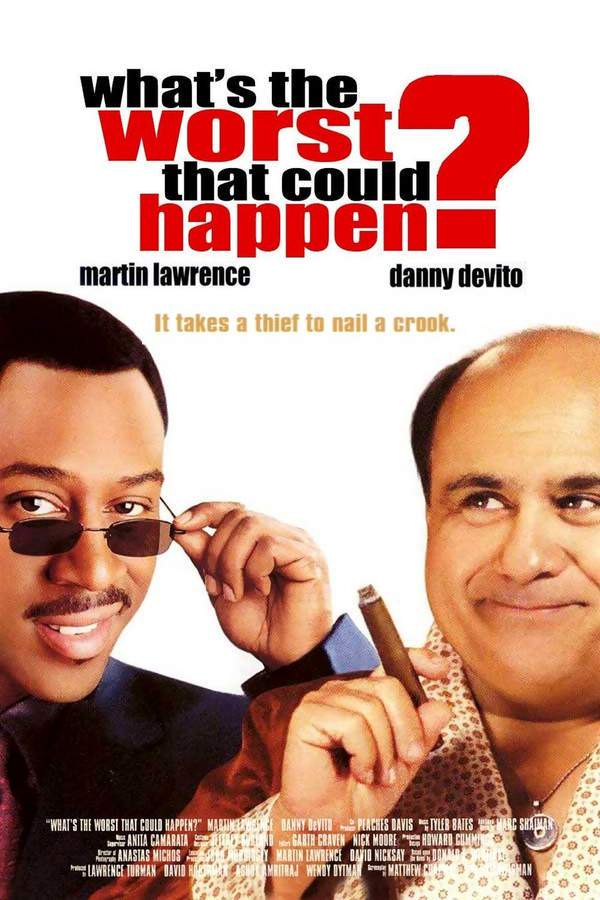
What's the Worst That Could Happen?
2001

Life of Crime
2014
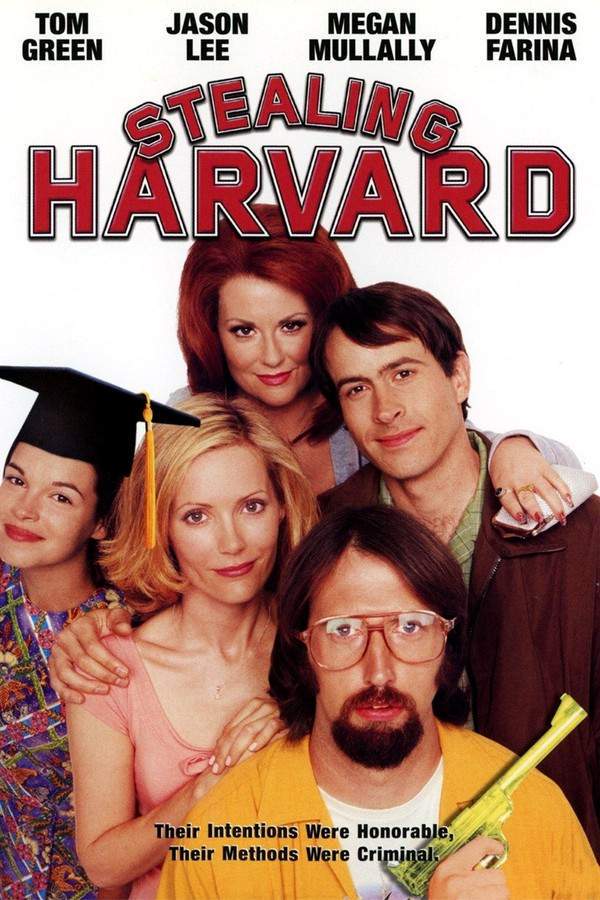
Stealing Harvard
2002

Armed and Dangerous
1986

Delta Farce
2007
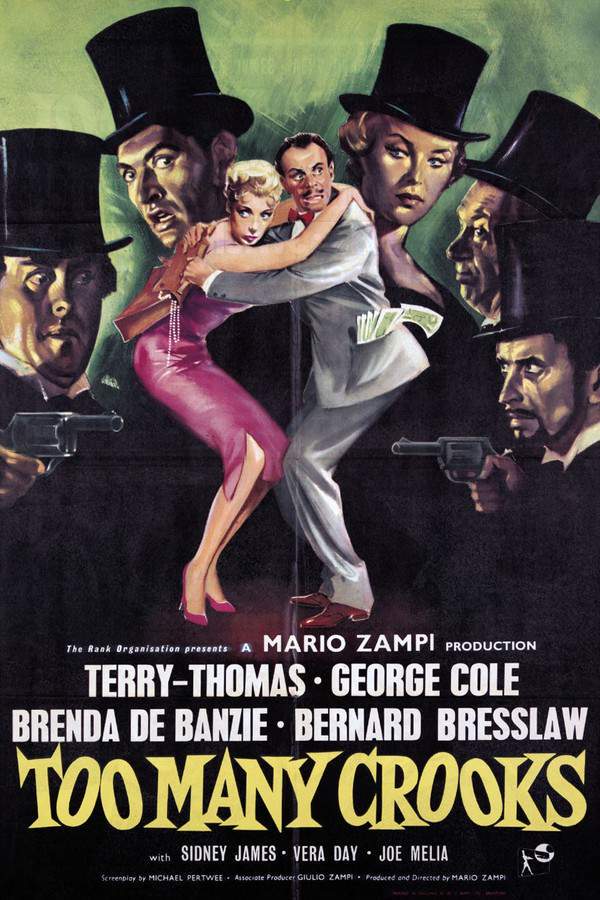
Too Many Crooks
1959

Men at Work
1990

No Problem
2010

The Parole Officer
2001

The Legend of Al, John and Jack
2002
Wake Up, Ron Burgundy: The Lost Movie
2004

Dutiful But Dumb
1941
Narrative Summary
These stories follow a pattern of an ostensibly serious crime plot being undermined by the sheer incompetence of its perpetrators. The conflict escalates through a series of blunders and lucky breaks, where the heroes often have to react to the unpredictable chaos the villains create. The resolution is usually happy, rewarding the heroes and often leaving the bumbling villains in a strangely successful, if nonsensical, position.
Why These Movies?
Movies are grouped here for their shared focus on farcical crime. They prioritize humor over tension, ensuring the stakes feel comedic rather than genuinely threatening. The fast-paced, energetic flow of absurd events and the light, irreverent tone create a coherently hilarious experience centered around failure-prone antagonists.
Fast-paced improv comedies with a similar vibe to Wake Up, Ron Burgundy: The Lost Movie
Fast-paced comedies where chaotic energy and spontaneous humor drive the story.Fans of the fast and frenetic humor in Wake Up, Ron Burgundy: The Lost Movie will enjoy these similar movies. This collection highlights comedies where the energy is high, the pacing is quick, and the humor feels spontaneous and improvisational, delivering a consistently funny and chaotic ride.

Bad Trip
2021
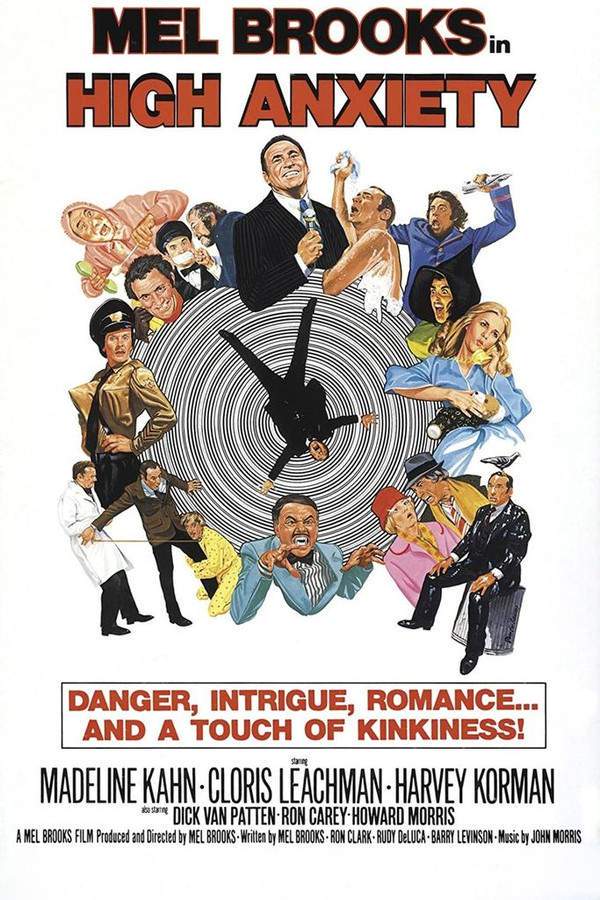
High Anxiety
1977
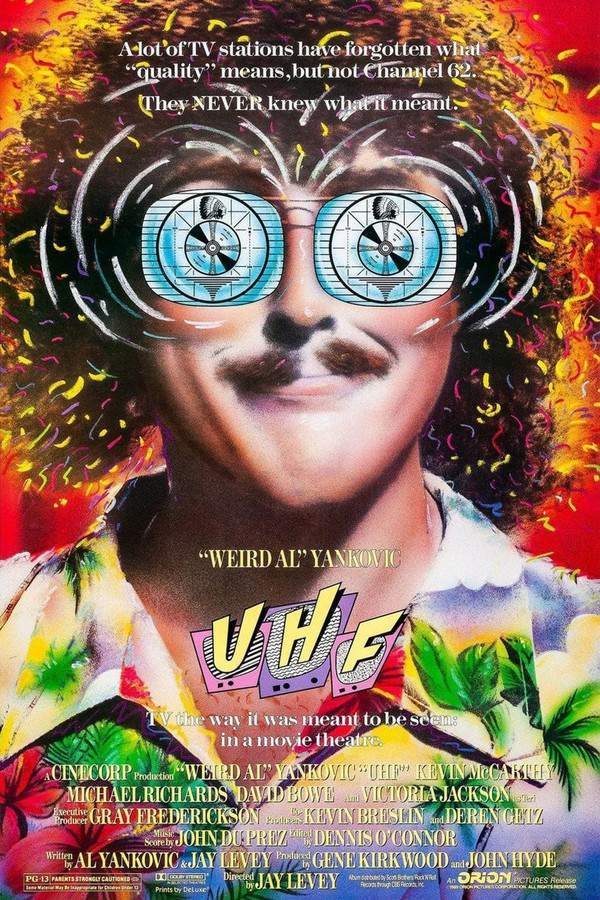
UHF
1989

Impractical Jokers: The Movie
2020

Senseless
1998

The Three Stooges
2012

High Heels and Low Lifes
2001

Going Overboard
1989
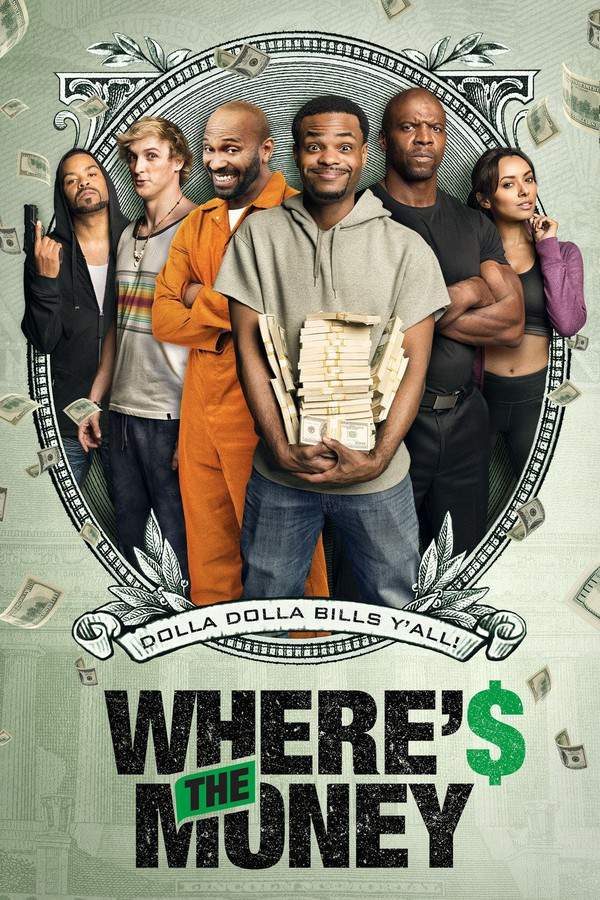
Where's the Money
2017
Delta Farce
2007

Superfast!
2015

Ricky Stanicky
2024

Apocalypse Clown
2024

Violent Is the Word for Curly
1938

Three Hams on Rye
1950
Narrative Summary
The narrative in these films is secondary to the comedic set pieces and character interactions. The plot serves as a vehicle for a steady stream of jokes, often escalating into pure chaos. Character arcs are simple, focusing on how personalities clash and collide humorously rather than on deep development. The journey is a whirlwind of silly situations that build to a satisfying, happy conclusion.
Why These Movies?
These movies are united by their breakneck pacing and commitment to absurd, character-driven humor. They share a light emotional weight and a straightforward plot that allows the improvisational, chaotic energy to take center stage. The experience is defined by constant, infectious comedy rather than complex storytelling.
Unlock the Full Story of Wake Up, Ron Burgundy: The Lost Movie
Don't stop at just watching - explore Wake Up, Ron Burgundy: The Lost Movie in full detail. From the complete plot summary and scene-by-scene timeline to character breakdowns, thematic analysis, and a deep dive into the ending - every page helps you truly understand what Wake Up, Ron Burgundy: The Lost Movie is all about. Plus, discover what's next after the movie.
Wake Up, Ron Burgundy: The Lost Movie Timeline
Track the full timeline of Wake Up, Ron Burgundy: The Lost Movie with every major event arranged chronologically. Perfect for decoding non-linear storytelling, flashbacks, or parallel narratives with a clear scene-by-scene breakdown.

Characters, Settings & Themes in Wake Up, Ron Burgundy: The Lost Movie
Discover the characters, locations, and core themes that shape Wake Up, Ron Burgundy: The Lost Movie. Get insights into symbolic elements, setting significance, and deeper narrative meaning - ideal for thematic analysis and movie breakdowns.


