










Year: 2017
Runtime: 76 mins
Language: French
Director: Eugène Green
A group of individuals grapples with modern anxieties and the search for meaning in a world saturated by social media. They seek guidance from a sorcerer in this unusual blend of performance art, ghost story, and exploration of consciousness.
Get a spoiler-free look at Waiting for the Barbarians (2017) with a clear plot overview that covers the setting, main characters, and story premise—without revealing key twists or the ending. Perfect for deciding if this film is your next watch.
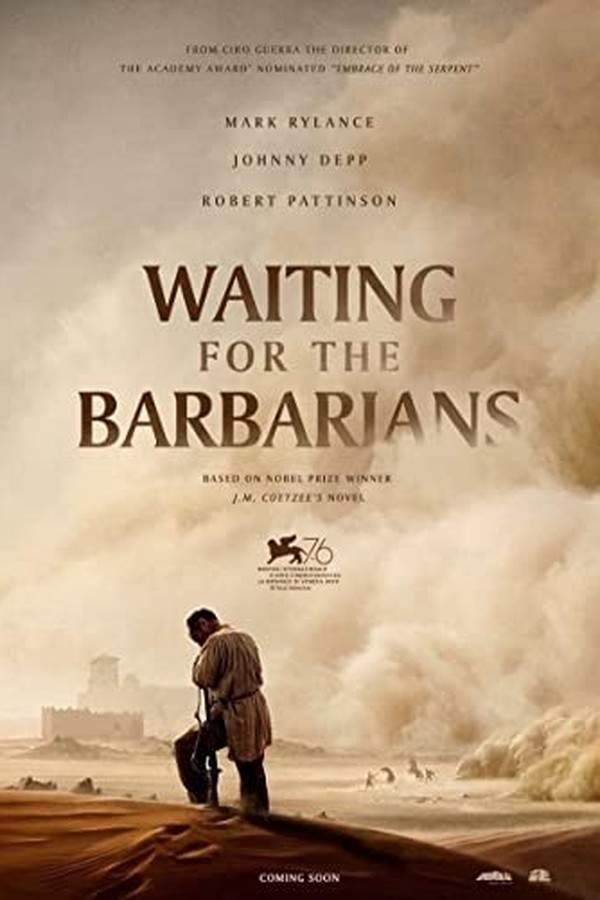
In a sun‑scorched frontier where an unnamed empire presses its borders against restless desert tribes, the film opens on a remote outpost that feels simultaneously ancient and strangely contemporary. The environment hums with the static of distant drums, whispered legends, and the ever‑present glow of a world saturated by invisible connections. A lingering sense of ghostly performance pervades every stone wall, suggesting that reality here is as much a stage as a battlefield, and the air itself seems to pulse with questions about purpose and identity.
The Magistrate presides over this isolated station, a caretaker whose measured routines have kept a fragile peace for years. He is a figure of quiet authority, navigating the delicate balance between duty to the empire and the unspoken codes of the nomadic peoples beyond the dunes. His world is one of measured dialogue and disciplined order, yet beneath the surface roils an undercurrent of modern anxiety—a yearning for meaning that mirrors the restless scroll of distant screens, even in this timeless landscape.
When a new presence arrives, the delicate equilibrium is disturbed. Colonel Joll, a commander whose methods are as enigmatic as they are unsettling, brings with him an aura that feels almost magical, prompting whispers of a sorcerer’s counsel hidden behind military authority. Their interaction with the outpost ignites a clash of philosophies: the magistrate’s adherence to procedure meets a performance‑like intrusion that blurs the line between authority and ritual, leaving the characters—and the audience—to wonder whether the true battle is for control of the land or for the mastery of unseen inner forces.
The film’s tone drifts between stark realism and ethereal reverie, inviting viewers to contemplate how the search for significance unfolds amid both external conquest and inner hauntings. With every sunrise over the dunes, the story teases a looming convergence of worlds, where the echoes of ancient conflict resonate with the restless pulse of contemporary consciousness.
Last Updated: October 23, 2025 at 16:12
Discover curated groups of movies connected by mood, themes, and story style. Browse collections built around emotion, atmosphere, and narrative focus to easily find films that match what you feel like watching right now.
Atmospheric tales where oppressive systems slowly crush individual conscience.If you liked the oppressive atmosphere and moral decay in Waiting for the Barbarians, explore these films. This thread features movies with a slow burn pace and heavy emotional weight, focusing on characters grappling with brutal authority and systemic injustice, leading to bleak endings.
Stories typically follow a protagonist, often a functionary of a corrupt system, who experiences a crisis of conscience. The narrative builds tension not through action, but through the gradual unveiling of brutality and the protagonist's powerlessness to stop it, culminating in their personal and societal collapse.
These films are grouped by their shared atmosphere of oppressive dread, slow pacing that amplifies psychological tension, and a relentless focus on the human cost of power. They deliver a heavy, intellectually and emotionally demanding experience centered on moral failure.
Stories set at the edge of empire, where order gives way to brutality.Find movies similar to Waiting for the Barbarians that explore themes of colonialism and the collapse of order. These stories often feature isolated settings, a bleak tone, and focus on the psychological impact of injustice and the consequences of violence, posing tough questions about humanity.
The narrative pattern involves an isolated community or individual representing an empire or system. Their sense of superiority is challenged, leading to paranoia and escalating violence. The story deconstructs the myth of civility, showing that the true threat often comes from within the fortress walls, not from the outside 'barbarians'.
These movies share a specific thematic focus on colonialism, power corruption, and the myth of civilization. They create a somber, isolated mood and often feature a slow, deliberate pace that allows for a deep exploration of the psychological and moral consequences of maintaining power through brutality.
Don't stop at just watching — explore Waiting for the Barbarians in full detail. From the complete plot summary and scene-by-scene timeline to character breakdowns, thematic analysis, and a deep dive into the ending — every page helps you truly understand what Waiting for the Barbarians is all about. Plus, discover what's next after the movie.
Read a complete plot summary of Waiting for the Barbarians, including all key story points, character arcs, and turning points. This in-depth recap is ideal for understanding the narrative structure or reviewing what happened in the movie.
Track the full timeline of Waiting for the Barbarians with every major event arranged chronologically. Perfect for decoding non-linear storytelling, flashbacks, or parallel narratives with a clear scene-by-scene breakdown.
Discover the characters, locations, and core themes that shape Waiting for the Barbarians. Get insights into symbolic elements, setting significance, and deeper narrative meaning — ideal for thematic analysis and movie breakdowns.
Visit What's After the Movie to explore more about Waiting for the Barbarians: box office results, cast and crew info, production details, post-credit scenes, and external links — all in one place for movie fans and researchers.