Plot Explained Spoilers guaranteed!
Plot Explained

Browse by genre

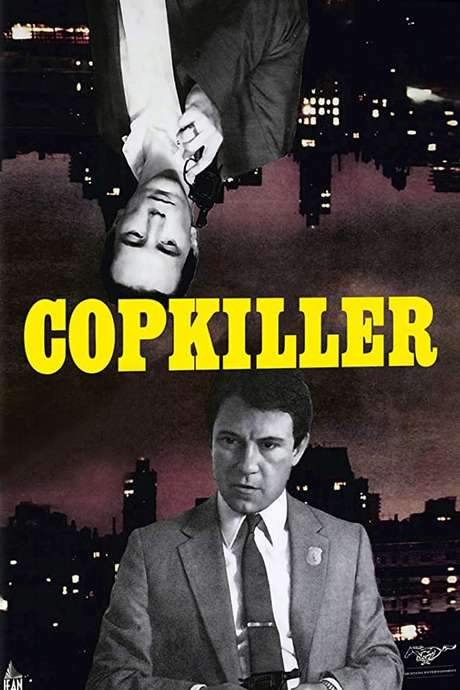
Violent Cop (1989) movie poster

Timeline

Violent Cop (1989) Timeline Explained – Every Event in Order

Release, runtime and language
1989 · 103 mins · Japanese
Starring
Susumu Terajima, Takeshi Kitano, Ken'ichi Endô, Sei Hiraizumi, Shirô Sano, Tarô Ishida

A detective breaks all rules of ethical conduct while investigating a colleague’s involvement in drug pushing and Yakuza activities.

On this page (5)
  1. 1 Events in order (12)
  2. 2 Timeline questions answered
  3. 3 Movie threads
  4. 4 Movies like Violent Cop
  5. 5 Every angle

12 events in order · contains spoilers

Violent Cop Timeline: Events in Chronological Order

Every key event of Violent Cop (1989) in order, scene by scene, with when and where it takes place. Use it to untangle flashbacks, time jumps and parallel storylines, to refresh your memory before the sequel or to find the exact scene you are thinking of.

  1. Azuma's brutal morality and protective stance

    Azuma is a police detective who lives with his intellectually disabled sister Akari and struggles with a gambling problem. He has a reputation for using excessive violence and bending the rules when dealing with criminals. After witnessing a gang beat a homeless man for fun, he storms into the gang leader's home, beats him, and forces the leader to promise to surrender himself and his friends.

    When
    Early
    Where
    Gang leader's home
  2. New assignment with Kikuchi

    Azuma and his new partner Kikuchi are assigned to investigate the murder of a drug dealer and break up a drug deal in the nightclub bathroom. The seller, who works for yakuza boss Nito, names Azuma's close friend Iwaki as his supplier in a bid to save himself. Azuma is ordered to locate Iwaki, who has seemingly gone into hiding as newspapers reveal his ties to the yakuza.

    When
    Soon after
    Where
    Nightclub bathroom; police precinct
  3. Iwaki's death discovered

    The seller's accusation triggers a manhunt for Iwaki, but a fisherman later discovers Iwaki's body hanging from a noose under a bridge. Azuma refuses to believe that his friend would kill himself and continues to search for the real dealers involved before him.

    When
    Day after discovery
    Where
    Under a bridge
  4. Kiyohiro eliminates Iwaki and the dealers

    Azuma learns that both Iwaki and the dealers were executed by the sociopathic yakuza hitman Kiyohiro. Unable to take action against the well-connected Nito, Azuma plants drugs in Kiyohiro's apartment to entrap him, then arrests him and tortures him for information in the police station.

    When
    After the killings
    Where
    Kiyohiro's apartment; Police station
  5. Resignation from the force

    The deputy chief is angered by Azuma's extra-legal actions and forces him to resign to shield the police from investigation. This marks the end of his formal career as a detective. Azuma begins his unemployment with no official authority left to act.

    When
    Immediately after torturing Kiyohiro
    Where
    Police station
  6. Akari kidnapped by Kiyohiro's men

    On his first day of unemployment, Azuma is in town when Kiyohiro and his men kidnap Akari and bring her to their hideout. They assault and drug her to addict her, leaving Akari in a vulnerable state and deepening Azuma's resolve to confront them.

    When
    First day of unemployment
    Where
    Kiyohiro's hideout
  7. Confrontation on the busy street

    Kiyohiro defies orders and tries to stab Azuma on a busy street; Azuma grabs the knife, and when Kiyohiro pulls a gun, a bystander is killed by the misfire. Azuma stabs Kiyohiro in the leg and escapes the scene.

    When
    That night
    Where
    Busy city street
  8. Preparing for the final showdown

    Knowing a confrontation is inevitable, Azuma buys ammo and an unregistered firearm from a friend at the gambling parlor and practices shooting to prepare for the showdown with Kiyohiro. He sharpens his aim for what may be his last fight.

    When
    Following day
    Where
    Gambling parlor
  9. The last stand: gunfight with Kiyohiro

    Kiyohiro orders his men to arm for a shootout, but two of them are executed by their leader when they refuse to fight. The third tries to flee and is gunned down by Azuma upon his arrival. In the ensuing gunfight, Kiyohiro shoots Azuma multiple times, but Azuma ultimately kills Kiyohiro.

    When
    Showdown night
    Where
    Kiyohiro's hideout
  10. Akari's fate and a mercy killing

    Azuma reunites with Akari only to find she has become hopelessly addicted to drugs. Unable to save her, he mercy-kills her with his final bullet. This act ends Akari's arc in the timeline and marks a grim closure to his personal tragedy.

    When
    After the gunfight
    Where
    Hideout
  11. Azuma's death on the street

    A badly-wounded Azuma tries to leave the scene, but Shinkai, Nito's former advisor, kills him in revenge for Azuma killing Nito under the mistaken belief that Nito ordered Kiyohiro to target Akari. His death serves as a final reckoning for the chain of violence that followed.

    When
    After the fight
    Where
    City street
  12. Kikuchi steers the drug operation forward

    Sometime later, Kikuchi, now a senior vice detective, meets with Shinkai who explains that the heat around Azuma's actions is dying down and asks Kikuchi to take over for Iwaki and continue selling drugs through the police. Kikuchi eagerly accepts and leaves.

    When
    Sometime later
    Where
    Shinkai's office

Last updated: November 29, 2025 at 00:47

Was this helpful?

Timeline questions answered

Violent Cop Timeline Explained: Your Questions Answered

When does it happen, and why in that order? The questions people ask about the chronology of Violent Cop (1989): time jumps, flashbacks, cause and effect between scenes and the correct order of events, each answered with spoilers.

Q1

Why does Azuma torture Kiyohiro in the police station?

Azuma tortures Kiyohiro because he cannot legally act against the well-connected yakuza boss Nito, who is protected by political connections. After learning that Kiyohiro executed both Iwaki and the drug dealers, Azuma plants drugs in Kiyohiro's apartment to create a false arrest reason, then uses brutal interrogation to extract information about Nito's operation. With his official authority stripped, Azuma resorts to extra-legal violence to get answers.

  • azuma
  • kiyohiro
  • torture
  • police station
  • interrogation
  • nito
  • yakuza
Q2

Why does Azuma kill his sister Akari at the end?

Azuma mercy-kills Akari because she has become hopelessly addicted to drugs after being kidnapped and abused by Kiyohiro's gang. When he finds her at the hideout, she is in a drug-fueled haze, frantically searching Kiyohiro's corpse for more drugs. Unable to save her from her addiction and suffering, Azuma chooses to end her pain with his final bullet.

Foreshadowing: Earlier, Azuma witnesses a gang beating a homeless man and responds with brutal force, establishing his willingness to take extreme actions to protect the vulnerable.

  • akari
  • mercy killing
  • drug addiction
  • kiyohiro's hideout
  • azuma's sister
Q3

Why does Shinkai kill Azuma at the end?

Shinkai kills Azuma in revenge for killing Nito. Azuma mistakenly believed that Nito had ordered Kiyohiro to target Akari, so he killed Nito. In reality, Kiyohiro had acted independently in defying orders. Shinkai, Nito's former advisor, seeks retribution for this mistaken killing.

  • shinkai
  • azuma's death
  • nito
  • revenge
  • kiyohiro's orders
Q4

Why is Azuma forced to resign from the police force?

Azuma is forced to resign because his methods have drawn too much attention to the department. After planting drugs in Kiyohiro's apartment and torturing him in the police station, the Inspector-General's office puts pressure on the deputy chief. To shield the department from investigation, Azuma is compelled to resign, though his actions technically achieved results.

Foreshadowing: Early in the film, Azuma already violates police procedure by beating a gang leader and forcing confessions, establishing a pattern of rule-breaking that eventually catches up with him.

  • azuma resignation
  • police force
  • deputy chief
  • inspector general
  • cover up
Q5

Why does Kikuchi agree to take over the drug operation?

Kikuchi agrees to take over Iwaki's drug distribution network because Shinkai offers him the opportunity to profit from corruption, just as Iwaki did. Now a senior vice detective, Kikuchi accepts the corrupt deal, showing that the cycle of police complicity in drug trafficking continues with a new generation of officers.

  • kikuchi
  • corruption
  • drug operation
  • shinkai
  • iwaki
  • police trafficking
Q6

Why does the drug dealer name Iwaki as the supplier?

The drug dealer names Iwaki as his supplier to save himself during the bathroom interrogation. Facing arrest, he tries to deflect blame by implicating Azuma's close friend Iwaki, hoping this connection might protect him or create complications for the investigation. Iwaki's ties to the yakuza make the accusation plausible enough to launch a manhunt.

  • drug dealer
  • iwaki
  • supplier
  • nightclub
  • false accusation
Q7

Why does Kiyohiro target Azuma's sister Akari?

Kiyohiro kidnaps Akari to gain leverage against Azuma after being humiliated by his arrest and torture. Taking the intellectually disabled Akari hostage allows Kiyohiro to exact revenge and put pressure on Azuma. At the hideout, his men assault and drug her to make her dependent, using her as a pawn in their conflict.

  • akari kidnapping
  • kiyohiro
  • hostage
  • leverage
  • azuma's sister
Q8

Why does Azuma think Nito ordered the attack on Akari?

Azuma believes Nito ordered Kiyohiro to target Akari because Nito is the powerful boss who controls the yakuza operation from behind the scenes. However, this belief is actually mistaken, Kiyohiro acted independently in defying orders when he kidnapped Akari. This misunderstanding leads Azuma to kill Nito, which ultimately provokes Shinkai's revenge killing.

  • nito
  • kiyohiro
  • mistaken belief
  • akari
  • ordered attack
Q9

How does Azuma prepare for the final confrontation with Kiyohiro?

After being forced to resign and losing his official authority, Azuma prepares for the showdown by visiting a gambling parlor friend who supplies him with ammunition and an unregistered firearm. He then practices shooting to sharpen his aim, knowing he will face Kiyohiro's armed gang without backup or legal protection.

Foreshadowing: Azuma's gambling connections throughout the film establish this source for obtaining weapons outside legal channels.

  • azuma
  • weapons
  • gambling parlor
  • ammunition
  • final confrontation
Q10

Why does Azuma use such violent methods as a detective?

Azuma uses violent methods because he holds a strict moral code, he believes criminals who cross lines deserve brutal consequences. After witnessing teenagers beat a homeless man for fun, he storms the gang leader's home and beats him, forcing a confession. His superiors tolerate these violations because he achieves results, though they force him to write apologies to maintain plausible deniability.

  • azuma
  • violent methods
  • moral code
  • detective
  • excessive force
Q11

Why does Kiyohiro execute two of his own men?

Kiyohiro executes two of his own men when they refuse to participate in the final gunfight against Azuma. When the gang balks at the idea of a shootout, Kiyohiro kills them to demonstrate absolute loyalty and terrify the remaining men into compliance. He then chases down a third member who tries to flee.

  • kiyohiro
  • executions
  • gang members
  • shootout
  • loyalty
Q12

Why do the police superiors tolerate Azuma's rule-breaking?

The police superiors tolerate Azuma's violations because he delivers results. Despite his excessive violence and procedural violations, Azuma successfully disrupts criminal operations and solves cases. His superiors admire his effectiveness and quietly overlook repeated misconduct, only forcing him to write "apologies" when necessary to maintain plausible deniability within the department.

  • azuma
  • police superiors
  • tolerance
  • results
  • violations
  • cover up

Movie threads

More Movies Like Violent Cop, by Mood & Story

Curated lists built around what makes Violent Cop tick: the same mood, the same kind of story or the same emotional payoff. Each list explains why these movies belong together.

Brutal Cop Dramas with Anti-Heroes like in Violent Cop

Stories where an anti-hero cop uses brutal methods to fight corruption. If you liked the unflinching violence and obsessive justice-seeking in Violent Cop, explore more movies like it. These films feature rogue detectives and morally compromised cops who take the law into their own hands, resulting in tense, cynical, and action-packed thrillers about fighting corruption from within.

  • gritty
  • tense
  • brutal
  • cynical
  • violent
  • desperate
  • Tone: dark, cynical
  • Pacing: fast, relentless
Why these movies?

The story pattern: These narratives typically follow a lone-wolf protagonist—a detective or officer—whose personal code clashes with institutional corruption. Their investigation becomes a deeply personal vendetta, leading them down a path of escalating violence where their methods become as questionable as the crimes they're fighting, often culminating in a pyrrhic or tragic conclusion.

Why they belong together: Movies are grouped here based on the central archetype of the violent anti-hero cop and the theme of vigilante justice within a corrupt system. They share a dark, cynical tone, high-intensity action, and a focus on the moral decay of their protagonist.

Bleak and Violent Crime Thrillers like Violent Cop

A relentless descent into violence and moral collapse with a hopeless ending. For viewers who appreciated the brutal, hopeless descent and bleak ending of Violent Cop. Discover similar movies like it that follow a relentless spiral of violence and moral decay within crime-ridden worlds, culminating in tragic conclusions for their protagonists.

  • bleak
  • oppressive
  • tense
  • desperate
  • violent
  • nihilistic
  • Tone: bleak, oppressive
  • Pacing: fast, linear escalation
Why these movies?

The story pattern: The narrative pattern is a linear, fast-paced escalation of conflict where the protagonist's quest for justice or revenge becomes self-destructive. There are no redemptions or victories, only a series of devastating losses that lead to an unambiguous, bleak conclusion where the corruption or violence triumphs.

Why they belong together: These films are united by their nihilistic worldview and narrative structure—a one-way trip into despair. They share a fast pacing, high intensity, overwhelmingly dark tone, and a commitment to a tragic, hopeless ending that reinforces the theme of inescapable decay.

If you liked this

Movies Like Violent Cop

Similar movies to Violent Cop: the same genre, themes or kind of story. Each one comes with its own plot summary, timeline and ending explained.

Browse all movie summaries

Every angle

Violent Cop (1989) Explained: Plot, Timeline & Characters

Everything about Violent Cop in one place: what happens in the plot summary, the timeline in chronological order, the characters and meaning and a spoiler-free summary. What's After the Movie adds the cast, box office and post-credit scenes.

Coming soon on iOS and Android

The Plot Explained Movie Summary App

Plot summaries, endings explained and timelines on your phone. Catch up on any movie in minutes, save your favorites and never miss a twist again.

Be the first to know when we launch. Your email stays private, always.

Learn more about the app