Plot Explained Spoilers guaranteed!
Plot Explained

Browse by genre

Vanity Fair (1932) movie poster

Timeline

Vanity Fair (1932) Timeline Explained – Every Event in Order

Release, runtime and language
1932 · 78 mins · English
Directed by
Chester M. Franklin
Starring
Myrna Loy, Montagu Love, Lionel Belmore, Bill Elliott, Conway Tearle, Billy Bevan

A fiercely ambitious and cunning young woman, initially employed as a governess, manipulates and seduces her way through the rigid hierarchies of Regency England, using charm, romance and daring tactics to ascend from modest beginnings to the coveted heights of British high society, where power and desire intertwine.

On this page (5)
  1. 1 Events in order (12)
  2. 2 Timeline questions answered
  3. 3 Movie threads
  4. 4 Movies like Vanity Fair
  5. 5 Every angle

12 events in order · contains spoilers

Vanity Fair Timeline: Events in Chronological Order

Every key event of Vanity Fair (1932) in order, scene by scene, with when and where it takes place. Use it to untangle flashbacks, time jumps and parallel storylines, to refresh your memory before the sequel or to find the exact scene you are thinking of.

  1. Opening limousine scene

    The film opens in the early 1920s with a limousine traveling outside London, carrying Amelia Sedley and Becky Sharp. The two young women are introduced as a contrast of wealth and ambition, establishing Becky's desire to climb the social ladder. Their journey hints at the class-driven tensions that will drive the story.

    When
    c. 1920
    Where
    Road outside London
  2. Becky invited to Christmas at the Sedleys

    Amelia invites Becky to spend Christmas at the Sedley estate, signaling Becky's temporary inclusion in their world. Becky uses the opportunity to position herself within the family circle. The invitation foreshadows the social maneuvering Becky intends to pursue.

    When
    c. 1920
    Where
    Sedley estate, near London
  3. Sedley mother's suspicion and Becky's departure

    Amelia's mother grows wary of Becky and her intentions, sensing manipulation behind the charming veneer. The family’s trust begins to crack as Becky’s hunger for social advancement becomes evident. She leaves the estate after a blunt warning from Mrs. Sedley.

    When
    c. 1920
    Where
    Sedley drawing room, then departure from Sedley estate
  4. Becky becomes governess at Crawley Manor and draws both men

    Becky arrives at Lord Crawley’s estate as a new governess and quickly captivates Sir Pitt Crawley and his son Rawdon. Her scheming uncovers a concealed attraction to Rawdon, and the two begin a secret romance. Becky and Rawdon soon reveal that they have married.

    When
    c. 1920
    Where
    Crawley estate
  5. Discovery and expulsion from Crawley wealth

    Sir Pitt catches Becky and Rawdon together, enraged by their union. He expels them from his house and cuts them off from his wealth and status. Becky and Rawdon relocate, facing imminent financial hardship.

    When
    c. 1921
    Where
    Lord Crawley’s estate
  6. Mayfair life and mounting schemes

    Becky and Rawdon move to a townhouse in Mayfair and struggle to make ends meet. They try to sustain themselves through gambling, cheating friends at bridge, and other petty schemes. The couple’s desperation deepens Becky's willingness to manipulate others.

    When
    c. 1921–22
    Where
    Mayfair, London
  7. Blackmail, a new title, and tragedy for Rawdon

    Becky expands her schemes by blackmailing lovers and collecting gifts from a string of affairs, including George Osborne. Rawdon is briefly jailed for writing bad checks, and upon his release learns of his father’s death, making him the new Lord Crawley. He warns Becky never to call herself 'Lady Crawley' or risk his wrath.

    When
    c. 1922–23
    Where
    London, various
  8. A casino meeting reveals Amelia's fate

    Several years pass and Becky, now in a poorer area of London, encounters Amelia's brother Joseph in a casino. Joseph informs her that Amelia remains devoted to George and refuses remarriage; he also notes that George is dead. Becky absorbs this news as she schemes on the fringes of society.

    When
    c. 1920s–1930s
    Where
    London casino
  9. Becky confesses her affair and pushes Amelia toward Dobbin

    Becky visits Amelia and confesses her long-ago affair with George. She taunts Amelia for clinging to a dead cad and urges her to marry Dobbin, who waits outside in a car. Amelia, moved, begins to consider stepping into a more secure future.

    When
    c. late-1920s
    Where
    Amelia's home; Becky's apartment
  10. Amelia signals acceptance of Dobbin

    Amelia rests her head on Dobbin's shoulder, suggesting she will accept his proposal. The moment marks a turning point toward a settled life away from Becky's scheming. The film hints at Dobbin's long-awaited devotion being finally rewarded.

    When
    c. late-1920s
    Where
    Outside car; Amelia’s location
  11. Becky's decline into crime and poverty

    Years pass and Becky's life deteriorates, slipping into petty crimes, prostitution, and constant financial struggle. She roams a less affluent, largely French-speaking area of London, surviving by exploiting men she encounters. The glamour of the social ascent has faded to daily survival.

    When
    c. 1930
    Where
    London's poorer districts
  12. Final scene: Finis and Becky's tears

    Becky returns to a shabby one-room apartment where Joseph confronts her about Amelia’s money. He tears up the check and writes Finis in the dust, signaling the end of her ascent. In the mirror, Becky sees the fading beauty of her former self and weeps, losing any illusion of triumph.

    When
    1933
    Where
    Becky's final apartment

Last updated: October 09, 2025 at 14:05

Was this helpful?

Timeline questions answered

Vanity Fair Timeline Explained: Your Questions Answered

When does it happen, and why in that order? The questions people ask about the chronology of Vanity Fair (1932): time jumps, flashbacks, cause and effect between scenes and the correct order of events, each answered with spoilers.

Q1

Why did Becky leave the Sedley household?

Becky left the Sedley estate after Mrs. Sedley grew suspicious of her intentions and warned her to leave. The family's trust had cracked because Becky was openly maneuvering to secure Joseph Sedley as a husband, and after that plan failed, Mrs. Sedley made it clear Becky was no longer welcome. Becky then pivoted to becoming governess for Sir Pitt Crawley as her next stepping stone toward social advancement.

Foreshadowing: Earlier, Becky viewed the Sedley invitation as her chance to enter wealth, foreshadowing her willingness to leave when that opportunity closed.

  • becky sharp
  • sedley family
  • governess
  • social climbing
Q2

Why did Becky marry Rawdon Crawley?

Becky married Rawdon primarily as a strategic move to secure her position in the upper classes. She had been pursuing both Sir Pitt and his son Rawdon simultaneously, but when Sir Pitt discovered Becky and Rawdon together, the couple revealed they had already wed the previous day. While some genuine attraction existed between them, the marriage was largely calculated to give Becky respectability and a title through Rawdon's family lineage.

Foreshadowing: Becky's early manipulations at the Crawley estate, juggling both father and son, set up her calculated marriage choice.

  • becky sharp
  • rawdon crawley
  • marriage
  • sir pitt crawley
Q3

How did Becky and Rawdon survive financially after being expelled from Crawley Manor?

After being cut off from Lord Crawley's wealth, Becky and Rawdon moved to a Mayfair townhouse and attempted to sustain themselves through gambling, cheating at bridge, and small-time deception. When these schemes proved insufficient, Becky turned to blackmailing her lovers and collecting gifts from a string of affairs, including one with George Osborne. These desperate measures kept them afloat temporarily but created mounting debt and moral decay.

Foreshadowing: The film establishes early that Becky views charm and manipulation as tools for survival, predicting her descent into increasingly desperate financial tactics.

  • becky sharp
  • rawdon crawley
  • money
  • gambling
  • blackmail
  • mayfair
Q4

Why did Rawdon finally leave Becky?

Rawdon's patience shattered after learning Becky had been conducting another affair while he was jailed for writing bad checks. The final humiliation came when he was released from police custody to find Becky with yet another lover. He ended the marriage decisively, warning Becky that if she ever called herself "Lady Crawley", a title he now held after his father's death, he would hunt her down. His departure marked the irreversible collapse of Becky's personal stability.

Foreshadowing: Becky's pattern of multiple lovers throughout the film builds to this breaking point, with Rawdon's tolerance gradually eroding.

  • rawdon crawley
  • becky sharp
  • divorce
  • lady crawley
  • abandonment
Q5

What was the nature of Becky's affair with George Osborne?

Becky conducted a secret affair with George Osborne, who was engaged to and later married Amelia Sedley. The affair occurred during the period when Becky and Rawdon were struggling financially in Mayfair. Becky leveraged this romantic connection to extract money and gifts from George, using him as one of many wealthy men she manipulated. She later confessed this long-hidden affair to Amelia, using it as a weapon to force Amelia out of her grief and toward remarriage.

Foreshadowing: Early suspicion fell on Becky after she was seen close to George at the Sedley estate, hinting at the affair that would later resurface.

  • becky sharp
  • george osborne
  • affair
  • amelia sedley
  • affair confession
Q6

Why did Becky confess her affair with George to Amelia?

Becky sought out Amelia to confess her past affair with George not out of guilt, but as a calculated maneuver. By revealing that George had been unfaithful, Becky hoped to shatter Amelia's idealized memory of her dead husband and push her toward marrying Dobbin. Becky wanted Amelia to abandon her stubborn grief and accept a more practical future, though the confessional moment also revealed glimpses of Becky's own regrets about the paths she had chosen.

Foreshadowing: Becky's lifelong pattern of using information as leverage predicts her choice to weaponize this confession against Amelia's emotional stability.

  • becky sharp
  • amelia sedley
  • george osborne
  • confession
  • dobbin
Q7

What happened to Amelia after George died?

After George Osborne died, Amelia remained loyally devoted to his memory, refusing repeated marriage proposals from Dobbin, who had loved her for years. She lived in quiet widowhood, holding onto grief rather than accepting Dobbin's long-standing devotion. It was only after Becky's confrontation, revealing George's infidelity, that Amelia finally began to consider accepting Dobbin, eventually resting her head on his shoulder in the car, signaling her willingness to move forward.

Foreshadowing: Dobbin's persistent presence throughout the story, waiting patiently outside Amelia's life, foreshadows his eventual acceptance.

  • amelia sedley
  • george osborne
  • dobbin
  • widow
  • marriage proposal
Q8

What caused Becky's complete social and financial downfall?

Becky's downfall resulted from a cumulative combination of factors: her marriage to Rawdon cut her off from Lord Crawley's wealth, her endless schemes created mounting enemies and debts, Rawdon's departure removed her last emotional anchor, and her reliance on manipulation rather than genuine connections left her with no real support system. As she aged and her beauty faded, the men who had once gifted her money lost interest, forcing her into petty crime and survival in London's poorest districts. Her ambition outpaced her morality, and society eventually rejected her.

Foreshadowing: The film establishes from the opening scene that Becky has no real backing or security, predicting the inevitable collapse of her precarious position.

  • becky sharp
  • downfall
  • poverty
  • social climbing
  • consequences
Q9

What does the final 'Finis' scene mean in the film?

The word "Finis" scratched into dust on a table by Joseph Sedley serves as a literal and symbolic endpoint to Becky's story. It marks the end of her social ascent and the final collapse of her illusions. In the mirror, Becky briefly sees her former glamorous self before returning to her current haggard reality, and she collapses into heartbroken tears. The ending confirms that her relentless ambition brought no lasting happiness, only isolation, poverty, and regret.

Foreshadowing: The entire rise-and-fall arc builds toward this moment of reckoning, where Becky's choices finally catch up to her completely.

  • finis
  • ending
  • becky sharp
  • mirror
  • tears
  • downfall

Movie threads

More Movies Like Vanity Fair, by Mood & Story

Curated lists built around what makes Vanity Fair tick: the same mood, the same kind of story or the same emotional payoff. Each list explains why these movies belong together.

Movies about social climbers like Vanity Fair

Stories charting a cunning protagonist's ruthless ascent and humiliating descent through high society. Explore films that capture the dramatic rise and fall of ambitious social climbers. If you liked watching Becky Sharp's journey in Vanity Fair, you'll find similar movies about cunning characters navigating class struggles, moral decay, and the harsh realities of high society.

  • ambitious
  • cynical
  • melancholic
  • calculating
  • grim
  • decadent
  • Tone: dark, cynical, melancholic
  • Pacing: steady, chronological
Why these movies?

The story pattern: These narratives typically follow a clear chronological arc: a protagonist from modest beginnings employs daring and often ruthless tactics to infiltrate a coveted social world. The story builds steadily towards a peak of perceived success, which is inevitably followed by a precipitous fall due to overreaching ambition, exposed secrets, or the inherent cruelty of the system they sought to conquer.

Why they belong together: Movies in this thread are grouped by their shared focus on a specific character arc—the ambitious social climber—and the dark, cynical tone that accompanies their journey. They feature steady pacing, moderate complexity in character relationships, and often end on a sad or bleak note, creating a cohesive experience of ambition and its consequences.

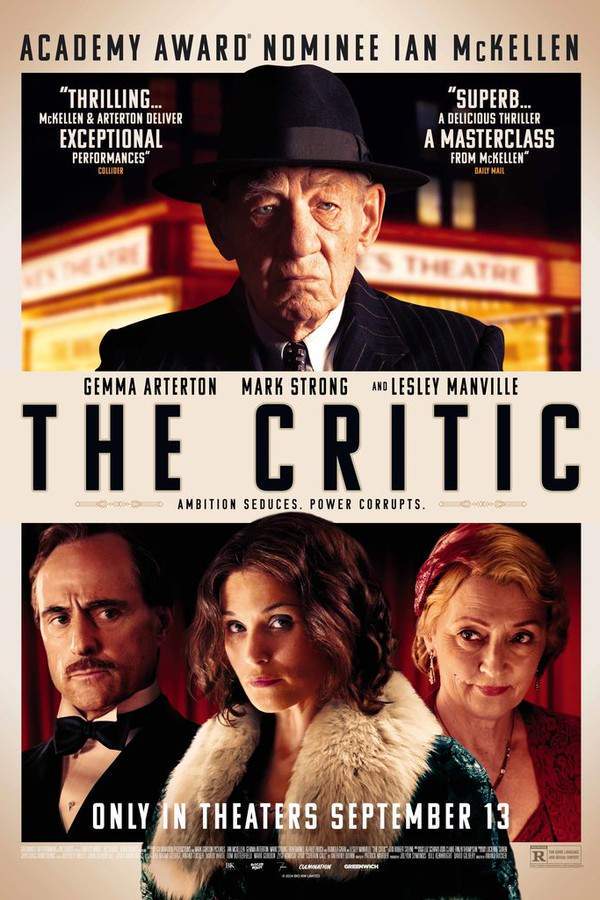
Dark dramas about ambition like Vanity Fair

Cynical dramas where ambition leads to moral compromise in a ruthless world. Discover cynical and grim dramas similar to Vanity Fair, where characters use ambition and manipulation to survive in a rigid society. These movies explore themes of moral decay, power, and desire, perfect for viewers who enjoy stories with a dark tone and steady, character-driven pacing.

  • dark
  • grim
  • calculating
  • decadent
  • melancholic
  • cynical
  • Tone: dark, grim, cynical
  • Pacing: steady, character-driven
Why these movies?

The story pattern: The narrative pattern revolves around a central conflict between personal ambition and societal constraints. The protagonist makes a series of increasingly questionable moral choices in their pursuit of power or status, navigating a world where desire and power intertwine. The plot is driven by character decisions rather than external action, often culminating in a sense of hollow victory or tragic isolation.

Why they belong together: These films share a dominant dark tone, a steady pacing that allows for character study, and a focus on the theme of ambition corroding morality. The viewing experience is defined by a medium emotional weight and a consistently cynical, sometimes decadent, mood that questions the cost of success.

If you liked this

Movies Like Vanity Fair

Similar movies to Vanity Fair: the same genre, themes or kind of story. Each one comes with its own plot summary, timeline and ending explained.

Browse all movie summaries

Every angle

Vanity Fair (1932) Explained: Plot, Timeline & Characters

Everything about Vanity Fair in one place: what happens in the plot summary, the timeline in chronological order, the characters and meaning and a spoiler-free summary. What's After the Movie adds the cast, box office and post-credit scenes.

Coming soon on iOS and Android

The Plot Explained Movie Summary App

Plot summaries, endings explained and timelines on your phone. Catch up on any movie in minutes, save your favorites and never miss a twist again.

Be the first to know when we launch. Your email stays private, always.

Learn more about the app