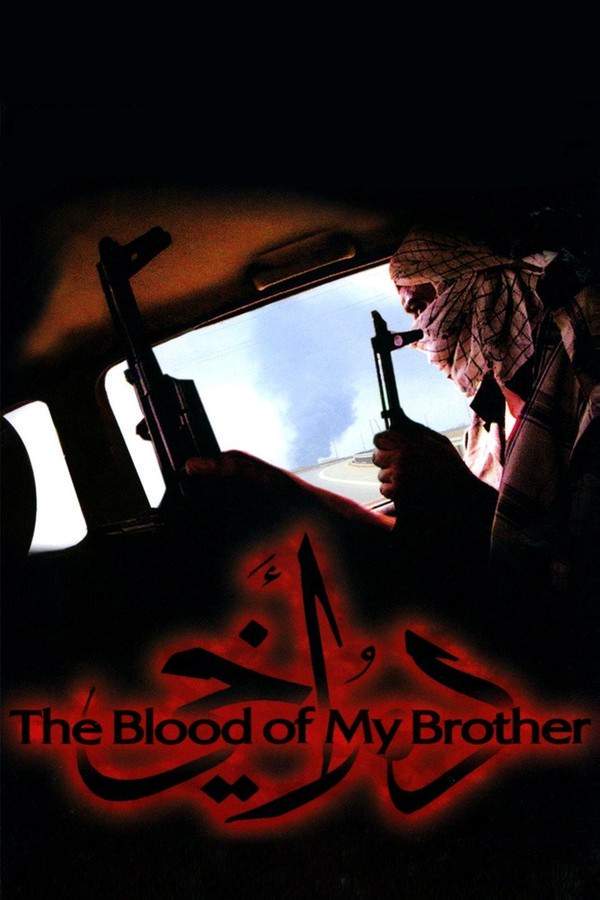
Plot Explained Spoilers guaranteed!
Plot Explained

Browse by genre

Valley of the Wolves: Iraq (2006) movie poster

Timeline

Valley of the Wolves: Iraq (2006) Timeline Explained – Every Event in Order

Release, runtime and language
2006 · 122 mins · Turkish
Directed by
Serdar Akar
Starring
Gary Busey, Billy Zane, Spencer Garrett, Diego Serrano, Osman Sonant, Gürkan Uygun

War without rules, the story dramatizes real-world incidents from the Iraq occupation, the murder of journalist Daniel Pearl, the so-called Hood incident, and the Abu Ghraib prisoner-abuse scandal, presenting them through a fictional narrative that intertwines political intrigue and battlefield action.

On this page (5)
  1. 1 Events in order (12)
  2. 2 Timeline questions answered
  3. 3 Movie threads
  4. 4 Movies like Valley of the Wolves: Iraq
  5. 5 Every angle

12 events in order · contains spoilers

Valley of the Wolves: Iraq Timeline: Events in Chronological Order

Every key event of Valley of the Wolves: Iraq (2006) in order, scene by scene, with when and where it takes place. Use it to untangle flashbacks, time jumps and parallel storylines, to refresh your memory before the sequel or to find the exact scene you are thinking of.

  1. Hood incident begins

    On July 4, 2003, Turkish special forces and 13 civilians are arrested in Sulaymaniyah by Colonel Sam William Marshall. They are forced to wear hoods during detention, and the incident becomes a source of humiliation. The prisoners are released some time later.

    When
    July 4, 2003
    Where
    Sulaymaniyah, northern Iraq
  2. Aslan's suicide and message to Polat

    Suleyman Aslan, haunted by the Hood incident, commits suicide and leaves a letter to his friend Polat Alemdar. The act sets Polat on a mission of vengeance against the American commander responsible for the humiliation. His friend's death deepens his resolve to seek justice.

    Where
    Turkey
  3. Polat vows revenge and heads to Iraq

    Polat Alemdar, a former intelligence agent, vows to avenge his friend's humiliation and travels to Iraq with several colleagues. They seek out the American commander believed to have ordered or enabled the hooding. The mission begins with resolve and danger.

    Where
    Iraq
  4. Checkpoint attack and Peshmerga casualties

    At a checkpoint, Alemdar and his team kill three Iraqi Kurdish Peshmerga soldiers and plant explosives at a hotel's foundation. They demand Colonel Marshall appear, hooded, to be publicly humiliated. The escalation shows how far the pursuit is willing to go.

    Where
    Checkpoint near Sulaymaniyah, Iraq
  5. Hotel standoff and moral test

    When Marshall arrives, Polat aims to force him to leave the hotel hooded, with journalists ready to document the humiliation. The group threatens to blow up the hotel if Marshall and his men do not step out in hooded shame. Marshall refuses, complicating the plan.

    Where
    Hotel, Iraq
  6. Arab wedding massacre and aftermath

    Marshall's unit raids an Arab wedding under the pretext of hunting terrorists. Gunfire erupts, and a child named Ali is killed. Survivors are beaten, and the detainees are packed into an airtight truck bound for Abu Ghraib.

    Where
    Arab wedding, Iraq
  7. Truck en route to Abu Ghraib

    En route to Abu Ghraib, an American soldier shoots at the detainee-filled truck, claiming that the prisoners will no longer suffocate. The act underscores the brutality of the detention process and the fragile boundaries of morality in the conflict.

    Where
    On the road to Abu Ghraib, Iraq
  8. Abu Ghraib torture scenes

    At Abu Ghraib, American soldiers stage naked pyramids from prisoners and wash them with high-pressure nozzles, echoing real-world abuses. The scene highlights the dehumanizing treatment of detainees.

    Where
    Abu Ghraib prison, Iraq
  9. Journalist spared by rebel sheikh

    A Western journalist faces execution by Iraqi rebels, but Sheikh Abdurrahman Halis Karkuki intervenes and offers the journalist a chance to kill the rebel instead. The journalist declines, exposing complex moral choices amid violence.

    Where
    Rebel-held area, Iraq
  10. Leyla's revenge arc and thwarted suicide

    Leyla, a survivor of the earlier massacre, seeks revenge and contemplates suicide bombing. The Sheikh talks her out of it, but she then hurries to stop Abu Ali from detonating himself near Marshall's meeting—arriving too late to prevent the act.

    Where
    Market and Marshall's meeting location, Iraq
  11. Premature piano bomb and Marshall's survival

    Alemdar and Leyla rig a piano gift for Marshall with a hidden bomb, but it explodes prematurely. Marshall survives, prompting a renewed chase for the final confrontation. The failed assassination heightens the stakes for both sides.

    Where
    Delivery location of the piano, Iraq
  12. Final firefight at mosque and village destruction

    Polat Alemdar and Leyla track Marshall to a mosque where a large firefight erupts. The mosque and surrounding village are destroyed by heavy gunfire, and both Marshall and Leyla are killed in the final confrontation.

    Where
    Mosque and village, Iraq

Last updated: October 09, 2025 at 16:33

Was this helpful?

Timeline questions answered

Valley of the Wolves: Iraq Timeline Explained: Your Questions Answered

When does it happen, and why in that order? The questions people ask about the chronology of Valley of the Wolves: Iraq (2006): time jumps, flashbacks, cause and effect between scenes and the correct order of events, each answered with spoilers.

Q1

What was the Hood incident that started the conflict?

The Hood incident occurred on July 4, 2003, in Sulaymaniyah, when Colonel Sam William Marshall ordered the arrest of 11 Turkish special forces soldiers and 13 civilians. They were forced to wear hoods during detention, a humiliating act that became a source of deep shame for those involved. This real-world incident inspired Polat Alemdar's quest for vengeance against the American commander.

Foreshadowing: The summary opens with this humiliating event, establishing the personal stakes that drive the entire revenge narrative.

  • hood incident
  • sulaymaniyah
  • colonel marshall
  • detention
  • humiliation
Q2

Why did Polat Alemdar travel to Iraq for revenge?

Polat Alemdar, a former Turkish intelligence operative, was motivated to seek vengeance after his friend Suleyman Aslan committed suicide due to the psychological trauma of the Hood incident. Aslan left a letter for Alemdar before his death, unable to bear the memory of the humiliation. This personal loss drove Alemdar to abandon his government ties and pursue justice against the American commander responsible.

Foreshadowing: The film establishes Aslan's suicide as the catalyst that transforms Alemdar from a former operative into a vengeful protagonist.

  • polat alemdar
  • revenge
  • suleyman aslan
  • suicide
  • motivation
Q3

Why did Polat's team kill Kurdish Peshmerga soldiers at the checkpoint?

At a checkpoint near Sulaymaniyah, Polat Alemdar and his team killed three Iraqi Kurdish Peshmerga soldiers as a strategic prelude to their main objective, forcing Colonel Marshall to submit to public humiliation. The killings were meant to draw Marshall out and demonstrate the consequences of his actions. The team also planted explosives at a hotel foundation to back their demands.

Foreshadowing: This violent checkpoint attack sets the tone for the escalating conflict and shows how far Alemdar is willing to go for revenge.

  • peshmerga
  • checkpoint
  • killing
  • marshal demand
Q4

Why did an American soldier shoot the truck carrying detainees?

During transport to Abu Ghraib, an American soldier shot at the airtight truck filled with detainees, killing them. When another soldier complained about the prisoners potentially suffocating, the shooter responded with the chilling line 'Now they won't suffocate to death' before opening fire. This brutal act underscores the dehumanizing nature of the detention operations depicted in the film.

Foreshadowing: This scene follows the wedding massacre, further illustrating the escalating brutality of Marshall's unit.

  • truck
  • detainees
  • suffocation
  • american soldier
  • abu ghraib
Q5

Why did Colonel Marshall raid the Arab wedding?

Colonel Marshall ordered a raid on an Arab wedding under the pretext of hunting terrorists, using the celebratory gunfire as justification. During the raid, a child named Ali was killed when he placed a branch in a soldier's gun barrel. The soldiers then turned their weapons on the wedding party, beating survivors and capturing them for transport to Abu Ghraib. The attack was a fictional representation of real-world incidents of civilian casualties during the Iraq war.

Foreshadowing: This unprovoked attack on civilians establishes Marshall as a ruthless antagonist and motivates Leyla's later quest for revenge.

  • wedding
  • massacre
  • marshall
  • child ali
  • civilians
Q6

What happens in the Abu Ghraib scene in the movie?

The film depicts a disturbing recreation of the Abu Ghraib prison scandal, where naked prisoners were forced into pyramid formations and subjected to high-pressure water washing. These scenes portray the dehumanizing treatment of detainees with clinical detachment, highlighting the moral corruption of the occupation forces. The sequence connects to the earlier truck scene where detainees were transported to the prison.

Foreshadowing: This scene directly follows the truck transport, showing the destination of the captives and the systemic abuse they faced.

  • abu ghraib
  • torture
  • prison
  • prisoners
  • pyramid
Q7

How does Leyla die in the final confrontation?

Leyla, a survivor of the wedding massacre who later joined forces with Polat Alemdar, is killed during the final firefight at the mosque. After the failed piano bomb assassination attempt, Alemdar and Leyla track Marshall to a mosque where a intense battle erupts. Both Marshall and Leyla die in the confrontation, which also destroys the mosque and surrounding village. Her death adds to the film's bittersweet and costly portrayal of vengeance.

Foreshadowing: Leyla's earlier arc showed her seeking revenge after losing her family, making her death a tragic culmination of her journey.

  • leyla
  • death
  • final battle
  • mosque
  • marshall
Q8

Why did the piano bomb fail to kill Marshall?

Polat Alemdar and Leyla arranged for a Saddam-era piano to be delivered to Colonel Marshall as a gift, rigged with a hidden bomb designed to detonate when Marshall received it. However, the bomb exploded prematurely during delivery, failing to harm Marshall and forcing the protagonists into a renewed chase. This failed assassination attempt leads directly to the final confrontation at the mosque.

Foreshadowing: Earlier attempts at revenge have been unsuccessful, building tension toward the climactic final battle.

  • piano
  • bomb
  • assassination
  • marshall
  • failed
Q9

Why did Suleyman Aslan kill himself?

Suleyman Aslan was one of the Turkish soldiers subjected to the humiliating hooding incident in Sulaymaniyah. Haunted by the trauma and unable to bear the memory of that day, he committed suicide. Before his death, he wrote a farewell letter to his friend Polat Alemdar, which motivated Alemdar to abandon his government career and seek vengeance against Colonel Marshall.

Foreshadowing: Aslan's letter and death directly trigger Polat's transformation and revenge mission.

  • suleyman aslan
  • suicide
  • letter
  • motivation
  • hood incident
Q10

What happens when the sheikh offers the journalist a chance to kill?

A Western journalist captured by Iraqi rebels faces execution, but Sheikh Abdurrahman Halis Karuki intervenes and offers the journalist an unusual mercy, allowing him to kill the rebel leader instead of being killed. The journalist declines this offer of vengeance, leaving his fate uncertain. The scene explores themes of mercy, revenge, and moral complexity amid the violence of the conflict.

Foreshadowing: This moral dilemma contrasts with the revenge-driven paths of Polat and Leyla, offering a different perspective on justice.

  • sheikh
  • journalist
  • mercy
  • rebel
  • choice
Q11

Why does Marshall use children as human shields at the hotel?

During the hotel standoff, when Polat demands Marshall appear hooded and threatens to blow up the building, Marshall refuses. He brings in innocent Iraqi children as human shields to prevent the explosion, forcing Polat into a moral dilemma. This tactic demonstrates Marshall's willingness to use civilians to protect himself, further establishing his role as a ruthless antagonist.

Foreshadowing: This use of children as shields directly leads to the escalation of violence that follows.

  • children
  • human shields
  • marshall
  • hotel
  • standoff

Movie threads

More Movies Like Valley of the Wolves: Iraq, by Mood & Story

Curated lists built around what makes Valley of the Wolves: Iraq tick: the same mood, the same kind of story or the same emotional payoff. Each list explains why these movies belong together.

Politically Charged War Thrillers like Valley of the Wolves: Iraq

Gripping stories that critique power and expose the moral decay of conflict. If you liked the hard-hitting political critique and war-time action of Valley of the Wolves: Iraq, explore more movies like it. This collection features similar stories that blend real-world-inspired drama with intense thrills, exploring themes of occupation, justice, and moral ambiguity in conflict zones.

  • gritty
  • oppressive
  • confrontational
  • somber
  • brutal
  • anxious
  • Tone: dark, confrontational
  • Pacing: fast, relentless
Why these movies?

The story pattern: Narratives in this thread often follow a linear, mission-driven plot, frequently centered on revenge or exposing a hidden truth. They weave fictional characters into dramatizations of actual historical atrocities, creating a confrontational story that challenges the official narrative of war and explores the blurred lines between justice and vengeance.

Why they belong together: Movies are grouped here for their shared focus on using the war genre as a vehicle for sharp political commentary. They share a dark tone, high intensity, and a heavy emotional weight derived from depicting systemic brutality and the personal trauma inflicted by geopolitical conflicts.
Movies about Bleak Vengeance like Valley of the Wolves: Iraq

Stories where the quest for justice comes at a devastating personal cost. For viewers who appreciated the vengeful, gritty narrative and bittersweet ending of Valley of the Wolves: Iraq. Discover similar movies about revenge in a broken world, where the pursuit of justice is morally complex and ultimately costly, leaving characters and audiences to ponder the true price of vengeance.

  • vengeful
  • gritty
  • brutal
  • somber
  • moral decay
  • trauma
  • Tone: dark, bitter
  • Pacing: fast, driven
Why these movies?

The story pattern: The narrative pattern follows a character who is wronged, initiating a single-minded quest for payback. This journey forces them to operate in a world stripped of morality, leading to confrontations that are as much about internal moral collapse as they are about external conflict. The conclusion typically achieves a form of justice but at the expense of the protagonist's innocence or the loss of allies, resulting in a pyrrhic victory.

Why they belong together: These movies share a core narrative of vengeance driven by profound personal trauma. They are united by a vengeful and gritty mood, a fast pacing that mirrors the protagonist's driven focus, and a bittersweet ending feel that underscores the emptiness of violent retribution.

If you liked this

Movies Like Valley of the Wolves: Iraq

Similar movies to Valley of the Wolves: Iraq: the same genre, themes or kind of story. Each one comes with its own plot summary, timeline and ending explained.

Browse all movie summaries

Every angle

Valley of the Wolves: Iraq (2006) Explained: Plot, Timeline & Characters

Everything about Valley of the Wolves: Iraq in one place: what happens in the plot summary, the timeline in chronological order, the characters and meaning and a spoiler-free summary. What's After the Movie adds the cast, box office and post-credit scenes.

Coming soon on iOS and Android

The Plot Explained Movie Summary App

Plot summaries, endings explained and timelines on your phone. Catch up on any movie in minutes, save your favorites and never miss a twist again.

Be the first to know when we launch. Your email stays private, always.

Learn more about the app